
Stopping Mortgage Payments in Texas Bankruptcy: What Homeowners Need to Know
A practical Texas-focused guide on how missed mortgage payments, foreclosure, and bankruptcy interact—and the options to protect your home.
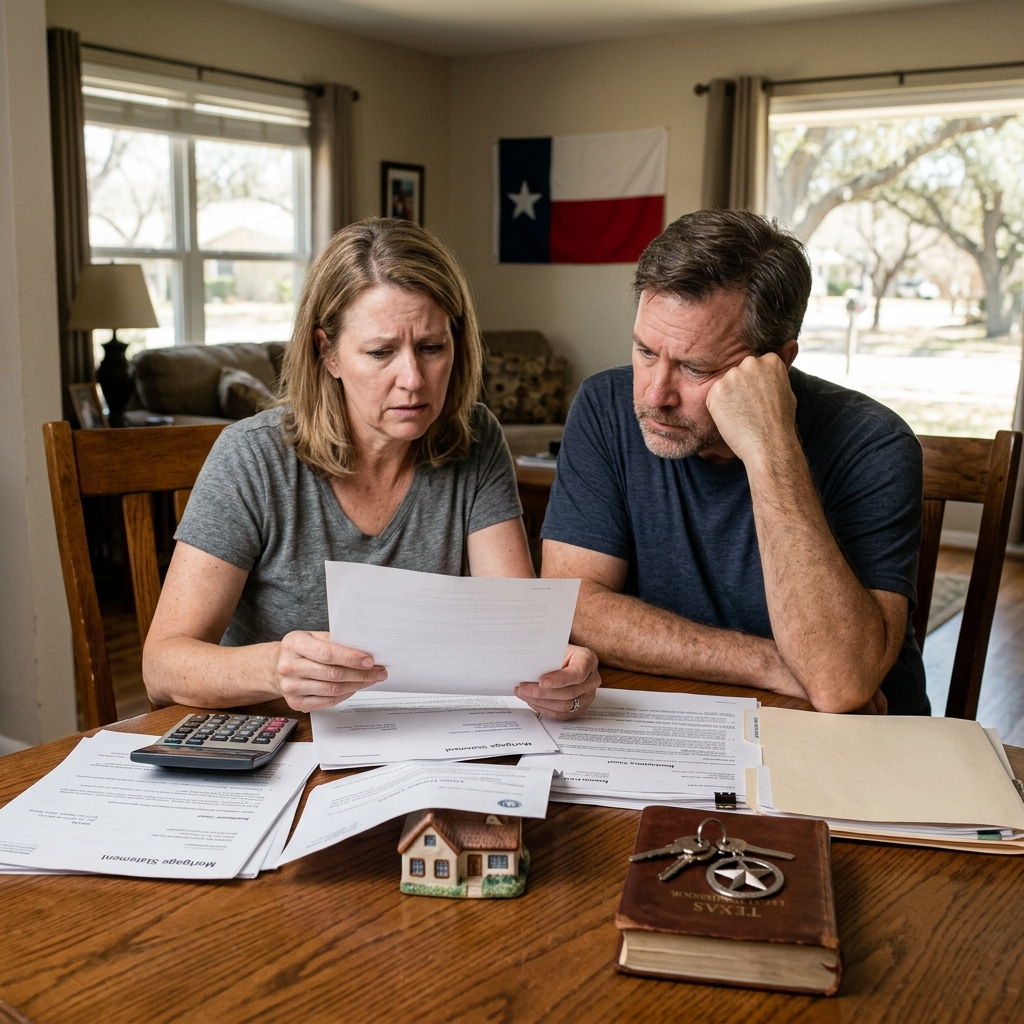
Falling behind on your mortgage can be frightening, especially when you live in Texas and are worried about losing your home to foreclosure. Many homeowners who are overwhelmed by debt ask a critical question: “Should I stop making mortgage payments if I’m thinking about bankruptcy?” The answer is nuanced and depends on your goals, your overall debt picture, and which type of bankruptcy you might file.
This guide explains how missed mortgage payments, foreclosure, and bankruptcy intersect in Texas, and outlines practical options for homeowners who want to protect their property while addressing unmanageable debt. It is educational in nature and is not a substitute for personalized legal advice.
Why Mortgage Payments Matter So Much in Texas
Your mortgage is typically a secured debt—meaning the loan is backed by your home as collateral. If you stop paying, the lender has the right to foreclose on the property to recover what it is owed. Bankruptcy can change how unsecured debts (like credit cards) are treated, but it does not erase the lender’s lien on your house.
In Texas, the stakes are high because of two key features of state and federal law:
- Power of foreclosure: Mortgage lenders can initiate foreclosure if you miss payments and fail to cure the default under your loan documents and applicable law.
- Homestead protections: Texas has robust homestead exemptions that can protect equity, but they do not eliminate the lender’s right to take the home if the mortgage is not paid.
Before you decide to stop payments, you need to understand what foreclosure is, how quickly it can move, and how bankruptcy interacts with this process.
Foreclosure Basics: What Happens When You Stop Paying
Foreclosure is the legal process a lender uses to take and sell your home after a mortgage default. If you stop making payments, several stages typically occur, though exact timelines vary by lender and by whether your loan is governed by state or federal servicing rules.
Typical Foreclosure Steps After Missed Mortgage Payments
- Missed payments and late fees: After one or more missed payments, the lender applies late fees and sends delinquency notices.
- Default notice: When the delinquency is significant, you may receive a formal notice of default and intent to accelerate the loan if the arrears are not cured.
- Acceleration: The lender may accelerate the loan, demanding full payment of the balance due under the mortgage.
- Foreclosure filing or sale notice: In nonjudicial foreclosure states, the lender may proceed to schedule a foreclosure sale, while in judicial foreclosure systems it files a lawsuit seeking a judgment.
- Foreclosure sale: The property is sold, and you lose ownership. Depending on circumstances, a deficiency judgment may be possible if the sale does not cover the full debt.
Once foreclosure starts, stopping it becomes harder and more time-sensitive. Bankruptcy can provide temporary relief, but it does not make missed mortgage payments disappear.
How Bankruptcy Interacts With Your Mortgage
Bankruptcy is a federal legal process designed to help people who cannot pay their debts get a fresh financial start. When you file, an automatic stay goes into effect. This stay temporarily stops most collection actions, including foreclosure proceedings, while the court assesses your case.
However, the effect on your mortgage depends heavily on which chapter you file, your equity in the home, and whether you can keep up with payments going forward.
| Feature | Chapter 7 | Chapter 13 |
|---|---|---|
| Primary purpose | Liquidation and discharge of unsecured debts | Repayment plan over 3–5 years |
| Automatic stay effect | Temporarily stops foreclosure; lender can resume later if you are not current | Stops foreclosure and allows curing of past-due mortgage over time |
| Handling of mortgage arrears | Arrears usually must be cured quickly or lender may still foreclose | Arrears can be repaid through the court-approved plan over several years |
| Risk of losing home | High if you cannot keep payments current and meet exemption requirements | Lower if you complete plan and stay current on ongoing payments |
| Treatment of unsecured debts | Most unsecured debts discharged at the end of the case | Unsecured debts may be partly paid, then remaining eligible amounts discharged |
Chapter 7 Bankruptcy: Limited Help With Foreclosure
In Chapter 7, many unsecured debts can be wiped out, which may free up income. But Chapter 7 does not change the lender’s mortgage lien. Even if your personal liability on the mortgage is discharged, the lender still has the right to foreclose if you do not pay.
- Automatic stay: Foreclosure is paused during the case, usually a few months.
- Exemption rules: Your home must be exempt under federal or Texas exemption law for you to keep it, and you must be able to stay current or quickly catch up.
- Post-discharge risk: After the case ends, if you are still behind, the lender can resume foreclosure.
Chapter 7 may be appropriate if you are ready to surrender the home, or if your primary problem is unsecured debt and you can still maintain mortgage payments.
Chapter 13 Bankruptcy: A Tool to Save Your Home
Chapter 13 is sometimes called a “wage earner’s plan” because it allows individuals with regular income to propose a structured repayment plan lasting three to five years. This chapter is often used when homeowners want to keep their house but have fallen behind on the mortgage.
- Curing delinquent payments: Chapter 13 lets you include past-due mortgage amounts in a plan and pay them over time, rather than in a lump sum.
- Stopping foreclosure: Filing a Chapter 13 petition generally stops foreclosure proceedings and collection efforts through the automatic stay, as long as you comply with court requirements.
- Ongoing payments: You must continue making new mortgage payments that come due after filing, in addition to the plan payments for arrears.
- Fresh start after completion: When the plan is successfully completed, you should be caught up on your mortgage and may have certain remaining unsecured debts discharged.
For many Texas homeowners who want to keep their property, Chapter 13 is the primary bankruptcy strategy to manage missed mortgage payments and stop foreclosure.
Texas Homestead Protections and What They Really Mean
Texas is known for having a strong homestead exemption, which can protect a significant amount of home equity during bankruptcy. This exemption is designed to prevent the forced sale of your primary residence to pay unsecured creditors, within certain acreage and use limits.
However, it is important to separate two different concepts:
- Protection from unsecured creditors: Homestead exemptions can shield your equity from being used to pay credit card companies, medical providers, and other unsecured creditors.
- No protection from the mortgage lender: The exemption does not erase a valid mortgage or deed of trust. If you stop paying your mortgage, the lender can still foreclose despite homestead protections.
In other words, Texas law can help preserve your equity from certain creditors, but it cannot protect you if you simply stop paying a secured mortgage loan.
Should You Stop Making Mortgage Payments Before Bankruptcy?
Deciding whether to intentionally stop making mortgage payments before or during a bankruptcy filing is a serious choice. There is no one-size-fits-all answer, but several guiding principles can help you evaluate the risks.
Key Questions to Ask Yourself
- Do you want to keep the home long term? If your goal is to remain in the property, stopping payments without a plan greatly increases foreclosure risk.
- Is the mortgage affordable even without other debts? If you cannot afford the mortgage under any realistic budget, surrendering the home may be part of a broader restructuring.
- Are you eligible and suited for Chapter 13? Regular income and the ability to commit to a multi-year repayment plan can make Chapter 13 a viable path to cure missed payments.
- How much equity do you have? Significant equity and Texas homestead protections may influence strategy, but they do not excuse ongoing payments to the lender.
In general, stopping payments without a clear legal strategy or professional advice is risky. Foreclosure may begin, fees and costs will accumulate, and you may have fewer options later.
Alternatives to Bankruptcy for Handling Missed Mortgage Payments
Bankruptcy is not the only option for Texas homeowners who are struggling with mortgage payments. In some cases, you may address the problem directly with your lender or through other strategies.
Working With Your Lender
- Loan modification: You may be able to negotiate a permanent change in your loan terms, such as a lower interest rate or extended repayment period.
- Repayment plan: Some lenders allow you to catch up on arrears over several months while you also make current payments.
- Forbearance: Temporary reduced or suspended payments may be available in certain hardship situations, such as job loss or medical crises.
It is often better to contact your lender early, before foreclosure proceedings begin, to explore these options.
Other Non-Bankruptcy Options
- Selling the home: If you have equity, selling voluntarily may allow you to pay off the mortgage and potentially avoid the damage of foreclosure on your credit.
- Surrendering the property: In some situations, giving up the home to the lender, whether inside bankruptcy or outside, may be preferable if the mortgage is unsustainable.
- Negotiating other debts: If non-mortgage debts are the main problem, you may negotiate payment plans or settlements with those creditors and focus your budget on keeping the home.
These alternatives can be used alone or in combination with bankruptcy, depending on your overall financial picture.
Practical Steps Before You Decide
Before you choose to stop paying your mortgage or file for bankruptcy, take the following practical steps to make a more informed decision.
- Review your budget: List all income sources and monthly expenses, including realistic housing, utilities, food, transportation, and medical costs.
- List all debts: Separate secured debts (like your mortgage and car loans) from unsecured debts (credit cards, personal loans, medical bills).
- Check your mortgage documents: Understand your interest rate, remaining balance, and what your agreement says about defaults and foreclosure.
- Consider long-term goals: Decide whether staying in this particular home fits your long-term financial and life plans.
- Consult a professional: Bankruptcy and foreclosure are complex; speaking with a qualified attorney or legal aid organization can clarify your options under Texas and federal law.
Frequently Asked Questions (FAQs)
1. Does filing bankruptcy automatically save my home?
Not necessarily. Bankruptcy creates an automatic stay that temporarily halts foreclosure and collection actions. However, you generally must keep paying your mortgage and, in Chapter 13, cure past-due amounts through a plan if you want to keep the house long term.
2. Can Chapter 7 bankruptcy stop foreclosure permanently?
Chapter 7 can only stop foreclosure temporarily while the case is pending. Once the case is over and the automatic stay ends, the lender can resume foreclosure if you are still behind or not making payments. The discharge may relieve you of personal liability, but the mortgage lien on the property remains.
3. How does Chapter 13 help with missed mortgage payments?
Chapter 13 allows you to include mortgage arrears in a court-approved repayment plan, spreading those past-due amounts over three to five years. As long as you stay current on new mortgage payments and comply with the plan, you may avoid foreclosure and keep your home.
4. Will Texas homestead exemptions stop my lender from foreclosing?
No. Texas homestead exemptions mainly protect your equity from unsecured creditors and bankruptcy trustees. They do not prevent a mortgage lender from foreclosing if you default on the loan.
5. Is doing nothing ever a reasonable option?
Doing nothing is technically an option, but it usually leads to foreclosure and loss of the home if you are seriously behind on mortgage payments. It may also reduce your ability to use bankruptcy effectively, especially if creditors obtain judgments and liens first.
6. When should I talk to a lawyer?
You should consider talking to a lawyer as soon as you realize you may miss mortgage payments or are already behind. Early advice can help you understand timelines, prevent avoidable foreclosure, and decide whether Chapter 7, Chapter 13, or non-bankruptcy solutions fit your situation.
References
- Chapter 13 – Bankruptcy Basics — United States Courts. 2024-01-01. https://www.uscourts.gov/court-programs/bankruptcy/bankruptcy-basics/chapter-13-bankruptcy-basics
- Tips on Texas Bankruptcy and Foreclosure — Marilyn D. Garner, Attorney at Law. 2017-12-01. https://www.marilyndgarner.com/blog/2017/december/tips-on-texas-bankruptcy-and-foreclosure/
- How Does Bankruptcy Affect Your Mortgage? — Rocket Mortgage. 2023-05-10. https://www.rocketmortgage.com/learn/how-bankruptcy-affects-mortgages
- Bankruptcy Chapter 7, 11 & 13 in Texas — American Bankruptcy Institute. 2020-06-01. https://www.abi.org/feed-item/bankruptcy-chapter-7-11-13-in-texas
- Bankruptcy – Texas Frequently Asked Questions — Texas Bankruptcy Law. 2019-01-01. http://www.texasbankruptcylaw.com/faq.html
- Alternatives to Bankruptcy — Texas Law Help. 2022-09-15. https://texaslawhelp.org/article/alternatives-to-bankruptcy
- Can Bankruptcy Help You Avoid Foreclosure in Texas? — Chance McGhee, Attorney at Law. 2021-03-01. https://www.chancemcgheelaw.com/sanantoniobankruptcyblog/can-bankruptcy-help-you-avoid-foreclosure-in-texas
Similar Articles








Read full bio of Sneha Tete




