
Government Impersonation Scams: How To Protect Yourself Now
Learn how to spot, avoid, and report fake government contacts that try to steal your money or personal information.
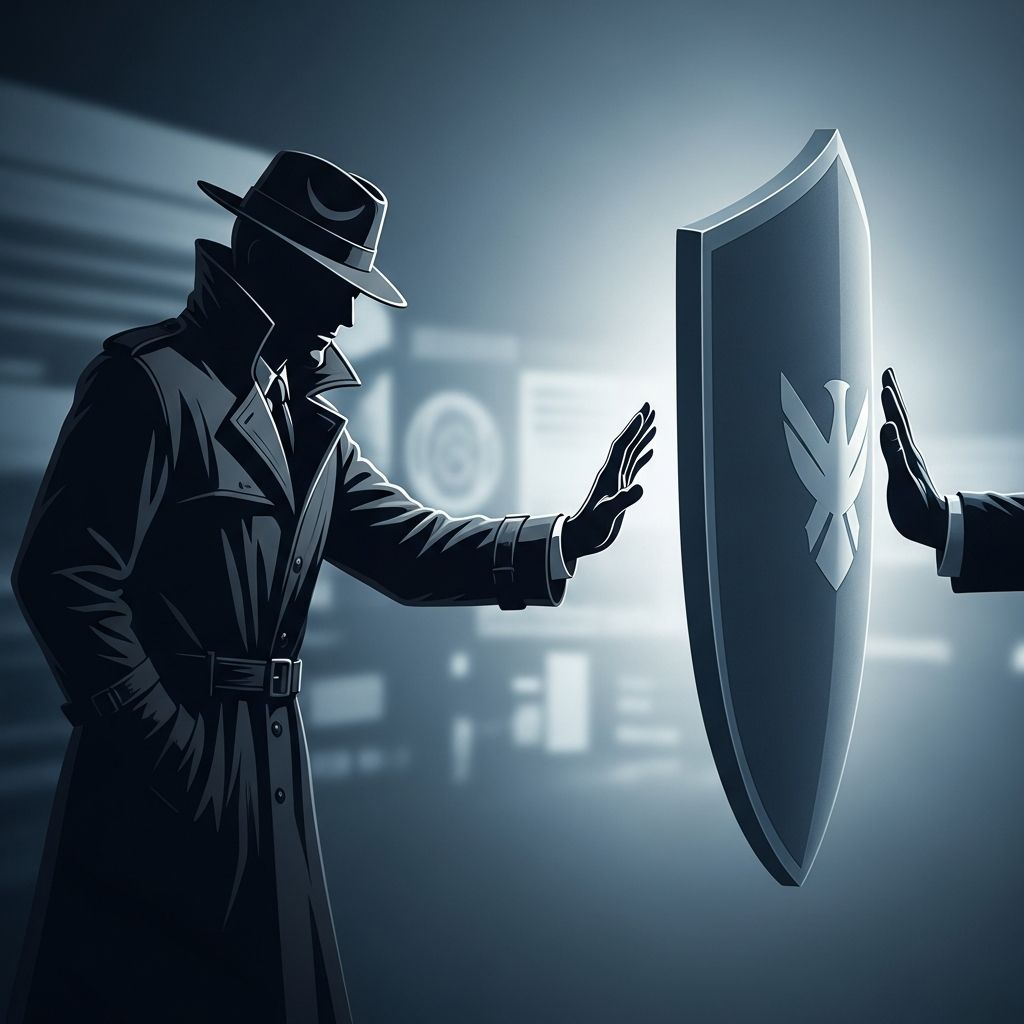
Scammers routinely pretend to be from government agencies to scare people into handing over money or personal information. They may claim to represent the Internal Revenue Service (IRS), Social Security Administration (SSA), Federal Trade Commission (FTC), local courts, or law enforcement. These schemes cost consumers hundreds of millions of dollars each year in reported losses, and many victims never report what happened, so the real impact is even higher.
This guide explains how these scams work, the red flags to watch for, how to respond safely, and how to report suspicious contacts. It is based on consumer protection principles and guidance from federal agencies that investigate and stop fraud.
1. Why Scammers Pretend to Be the Government
Government impersonation is effective because many people automatically trust or fear official-sounding contacts. Scammers exploit that reaction to pressure you into quick, risky decisions.
- Trust in authority: People often assume agencies like the IRS, SSA, or local police are legitimate and powerful.
- Fear of consequences: Threats of arrest, fines, or loss of benefits can overwhelm your judgment.
- Confusing rules: Tax, benefits, and immigration systems are complex, making it easier for scammers to sound plausible.
- Instant payments: Digital payments, gift cards, and cryptocurrency give scammers fast, irreversible access to your money.
According to federal consumer complaint data, government impersonation is one of the most commonly reported fraud categories, and people often lose significant amounts per incident.
2. Common Ways Government Imposters Reach You
Fraudsters use multiple channels and may switch between them quickly. Recognizing these contact methods helps you stay alert:
- Phone calls: A caller claims to be an agent or officer, often from the IRS, SSA, immigration, or a court.
- Text messages: A short, urgent message claims you owe a fee, missed a court date, or must click a link to avoid penalties.
- Email: Messages may use agency logos and official-sounding language, with links to fake websites.
- Letters: Some scammers send convincing paper mail that looks like official notices, sometimes including fake case or badge numbers.
- Social media messages: Imposters may create profiles that use agency names, logos, or photos to contact you directly.
Real agencies use some of these channels too, but they do not demand immediate payment or confidential data in the aggressive ways scammers do.
3. Typical Stories Scammers Use
Even when details change, government imposters reuse familiar scripts designed to trigger fear or urgency.
3.1 Tax and Debt Enforcement Threats
In these schemes, callers claim you owe money or fines and must pay immediately to avoid punishment.
- You are told there is an unpaid tax bill or “back taxes” with the IRS.
- The caller claims there is a warrant for your arrest unless you pay today.
- They insist you must pay via gift cards, wire transfer, cryptocurrency, or peer-to-peer apps.
The IRS and other agencies do not initiate enforcement by demanding payment over the phone or through gift cards.
3.2 Social Security and Benefits Scares
Scammers frequently pretend to be from the Social Security Administration or another benefits agency.
- They claim your Social Security number is suspended due to suspicious activity.
- You are told your benefits will stop unless you confirm personal details or pay a “reinstatement fee.”
- They ask you to share your full SSN, bank account, or debit card numbers.
The Social Security Administration does not suspend numbers or threaten arrest because of account problems, and it does not demand payment via gift cards or wire transfers.
3.3 Jury Duty, Warrants, or Local Court Scams
In these scams, imposters claim to be from a sheriff’s office, local police, or court.
- They say you missed jury duty or ignored a court order.
- You are told to pay a fine or bond immediately or officers will come to arrest you.
- They may insist you stay on the phone while buying prepaid cards, then read the numbers to them.
Courts and law enforcement do not resolve legal issues by demanding on-the-spot payment via prepaid or gift cards.
3.4 Immigration and Visa Threats
People with immigration or visa concerns are especially targeted.
- Callers claim to be from immigration authorities or a consulate.
- They threaten deportation, visa cancellation, or arrest unless you pay a fee.
- They sometimes ask for passport information and other identity details to commit further fraud.
Official immigration communications follow specific procedures and do not rely on sudden payment demands over the phone.
3.5 Fake Refund or Grant Offers
Not all government impersonation involves threats; some promise money.
- You are told you qualify for a grant, refund, or relief payment from a government program.
- The scammer asks you to pay an upfront processing, registration, or release fee.
- They may request your bank account or card information to “send” the money.
Legitimate government grants and refunds do not require paying fees to receive your own money.
4. Clear Warning Signs of a Government Imposter
No matter what story they tell, most government impersonation scams share the same warning signs. Use this table as a quick reference:
| Red Flag | What It Looks Like | Why It Signals a Scam |
|---|---|---|
| Unsolicited contact with threats | Surprise call, text, or email about urgent legal or financial trouble | Real agencies generally send letters first and allow time to respond. |
| Demand for immediate payment | You are told to pay today or face arrest, deportation, or lawsuit | Government processes include notices, appeal rights, and payment options. |
| Unusual payment methods | Gift cards, cryptocurrency, wire transfers, or peer-to-peer apps only | These methods are hard to trace and are a favorite tool for scammers. |
| Requests for sensitive data | Demands for full SSN, bank account, or debit card numbers | Legitimate agencies rarely request complete financial details over the phone. |
| Refusal to let you verify | They will not let you hang up or call back using official numbers | Real officials allow and even encourage independent verification. |
| Caller ID pressure | They insist the caller ID proves they are from an agency | Caller ID can be spoofed and is not proof of legitimacy. |
5. How Real Government Agencies Communicate
Understanding how legitimate agencies usually operate makes it easier to spot fraud.
- Written notices first: Agencies like the IRS typically send letters outlining any issues and your rights before taking enforcement steps.
- Multiple payment options: Legitimate payments are made through official websites, checks, or approved channels—never via gift cards or cryptocurrency.
- No threats to involve police immediately: Routine matters like tax bills or benefit questions are not handled by instant arrest threats.
- Clear rights to appeal: Real agencies provide information about appeal rights, hearings, or dispute procedures.
- Official contact details: Government websites list contact numbers and addresses; you can independently verify any communication.
Many agencies publish specific warnings about impersonation scams and explain their real practices to help you distinguish between real and fake communications.
6. What to Do in the Moment
If you receive a suspicious call, message, or visit from someone claiming to be from the government, the way you respond matters.
- Stay calm: Scammers rely on panic. Take a breath and slow the conversation down.
- Do not provide information: Never share your Social Security number, bank details, or other sensitive data with unexpected callers.
- Refuse payment demands: Decline to send any money or buy gift cards.
- Hang up or ignore: It is safe to hang up on a suspicious caller or ignore texts and emails that seem fraudulent.
- Verify independently: If you worry the issue might be real, contact the agency directly using a phone number or website you find yourself, not one provided by the caller.
When in doubt, end the conversation and take time to verify. No legitimate government representative will punish you for checking their identity.
7. Steps to Take If You Already Responded
Many people only realize they were scammed after they have already paid money or shared personal information. If that happens, you still have options.
7.1 If You Paid the Scammer
- Contact your bank or card issuer immediately: Explain the situation and ask if they can cancel or reverse the transaction.
- For gift cards: Call the card issuer right away and report the card number and receipt details; they may be able to freeze remaining funds.
- For wire transfers or peer-to-peer apps: Contact the transfer service or app support as soon as possible and request a fraud investigation.
While recovery is not guaranteed, acting quickly gives you the best chance of limiting the loss.
7.2 If You Shared Personal Information
- Social Security number: Visit official identity theft resources for step-by-step recovery guidance, including placing fraud alerts and reviewing credit reports.
- Bank or card numbers: Ask your bank to monitor for suspicious activity, change account numbers if needed, or issue new cards.
- Online credentials: Change passwords on any affected accounts and enable multi-factor authentication where possible.
If you notice new accounts, charges, or collection notices you do not recognize, you may be dealing with identity theft and should follow established recovery steps.
8. How and Where to Report Government Impersonation
Reporting scams helps enforcement agencies spot patterns, shut down operations, and warn other consumers.
- Federal consumer reporting portals: Use official government websites to report fraud, identity theft, and suspicious contacts.
- Specific agency reporting: If the scammer claimed to be from a particular agency (for example, IRS or SSA), check that agency’s website for instructions on reporting impersonators.
- Local law enforcement: You may also file a report with your local police department, especially if money was lost.
When reporting, include as much detail as you can: phone numbers, email addresses, dates and times, amounts requested or paid, and any messages or screenshots.
9. Ongoing Protection: Habits That Reduce Your Risk
Fraud prevention is not a one-time task. By adopting a few habits, you can make yourself a harder target.
- Know your rights: Learn the basics about how major agencies like the IRS, SSA, and your state agencies contact people and handle disputes.
- Use strong digital security: Protect email and financial accounts with strong, unique passwords and multi-factor authentication.
- Review statements regularly: Check bank, credit card, and benefits statements for unfamiliar charges or activity.
- Limit what you share: Be cautious with personal information online, on forms, and over the phone.
- Talk with family and friends: Discuss current scams with older relatives, new immigrants, and others who may be targeted heavily.
10. Frequently Asked Questions (FAQs)
Q1: Can a real government agency ever call me on the phone?
Yes, some agencies may call you in specific situations—for example, to follow up on an existing case. However, legitimate callers will not demand immediate payment by gift card, wire, or cryptocurrency, and they will not threaten arrest if you refuse.
Q2: What if the caller knows part of my Social Security number or other personal details?
Scammers often obtain partial information from data breaches or public records. Knowing a few details does not prove they are legitimate. You should still hang up and verify using a trusted phone number or website.
Q3: Is it safe to call back a number the caller gives me?
No. Fraudsters can set up fake phone lines that sound official. Instead, look up the agency’s official number yourself on its .gov website or in official documents and call that number to verify.
Q4: How can I tell if a website that looks like a government site is real?
Official U.S. government websites typically use the .gov domain and use secure connections (https). Be wary of sites with similar-looking names that end in .com, .net, or other domains and that ask for sensitive information unexpectedly.
Q5: Should I report even if I did not lose money?
Yes. Reporting attempted scams helps enforcement agencies identify new tactics, block phone numbers or websites, and warn others. Your report is useful even if you recognized and avoided the fraud.
References
- Consumer Sentinel Network Data Book 2023 — Federal Trade Commission. 2024-02-08. https://www.ftc.gov/reports/consumer-sentinel-network-data-book-2023
- Enforcement — Federal Trade Commission. 2024-06-10. https://www.ftc.gov/enforcement
- How to Know It’s Really the IRS Calling or Knocking on Your Door — Internal Revenue Service. 2024-01-19. https://www.irs.gov/newsroom/how-to-know-its-really-the-irs-calling-or-knocking-on-your-door
- Scam Awareness & Reporting — Social Security Administration, Office of the Inspector General. 2023-10-05. https://oig.ssa.gov/scam-awareness
- IdentityTheft.gov — Federal Trade Commission. 2024-05-01. https://www.identitytheft.gov
Similar Articles








Read full bio of Sneha Tete


