
Stopping Gift Card Scams Before They Start
Learn how scammers misuse gift cards, how to spot danger signs, and the exact steps to take to protect your money and report fraud effectively.
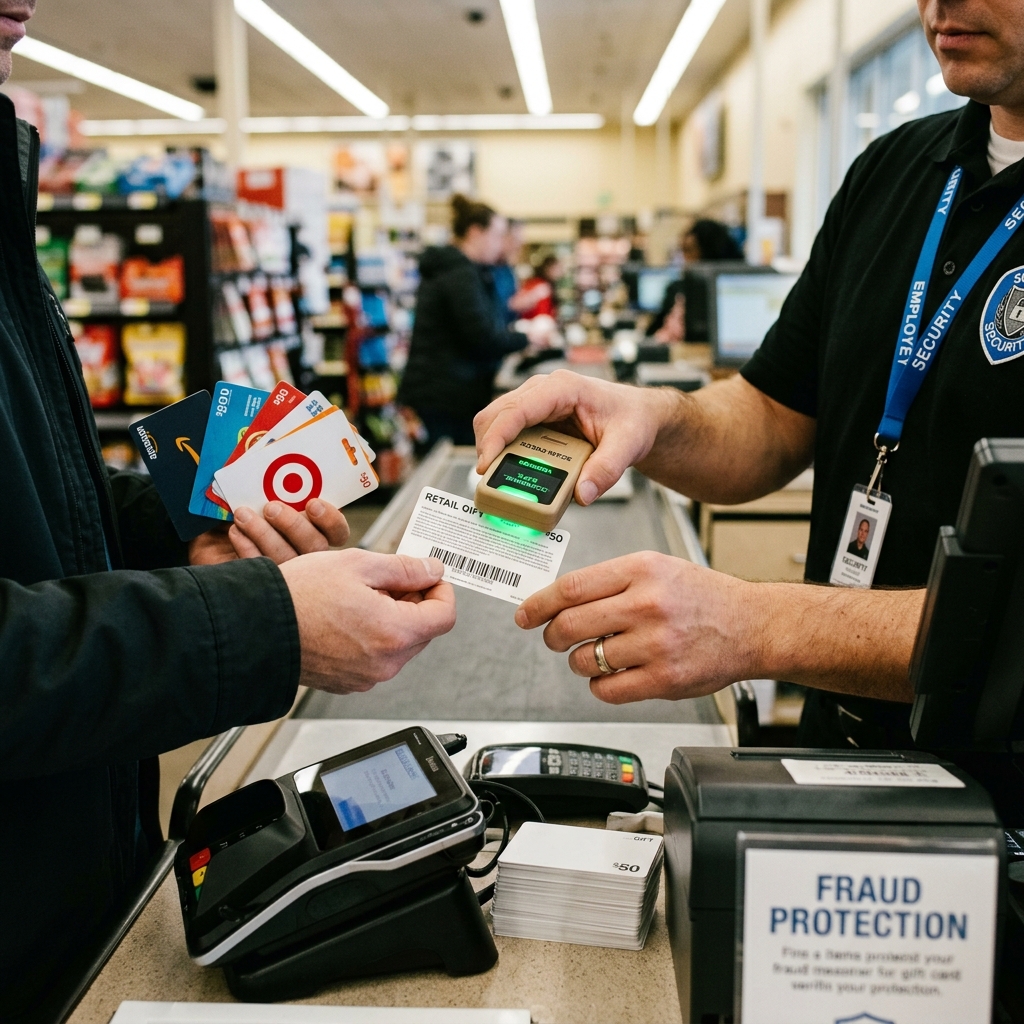
Gift cards are convenient, popular, and easy to use—but that also makes them attractive tools for scammers. Criminals routinely pressure people into paying with gift cards because these payments are fast, often irreversible, and can be hard to trace once the codes are shared. Understanding how these scams work and how to respond if you are targeted is critical to protecting your money.
This guide explains why scammers love gift cards, the main tactics they use, how to avoid falling for their tricks, and what you can do if you’ve already shared a gift card number with a fraudster. It is based on official consumer advice and law-enforcement resources, but presented in clear, practical language for everyday use.
Why Gift Cards Are a Favorite Tool for Scammers
Gift cards were designed for simple consumer purchases, not for paying bills, taxes, or emergency fees. Yet scammers push victims to buy and send gift card codes because it gives them quick access to money without traditional banking oversight.
- Instant access to funds: Once a victim shares the numbers on the back of a card, scammers can drain the balance almost immediately.
- Low barriers: Unlike bank transfers, gift card redemptions typically do not require identity verification or detailed account information.
- Limited protections: Consumer protections for gift cards are weaker than those for credit or debit cards, and refunds can be difficult to obtain.
- Plausible stories: Many people are familiar with gift cards, so scammers can convincingly pretend that a company or agency “uses gift cards” for certain payments.
Official guidance from consumer protection agencies consistently emphasizes one rule: no legitimate business or government office will demand payment using gift cards. If someone asks you to do this, it is a scam.
How Gift Card Scams Typically Unfold
While the details vary, most gift card scams follow a similar pattern: urgent contact, emotional pressure, instructions to buy specific cards, and immediate demands for the card numbers.
Step-by-Step Pattern Scammers Use
| Stage | What Happens | What to Watch For |
|---|---|---|
| Initial Contact | Scammer calls, texts, emails, or messages you online, claiming to be from a company, government agency, tech support, or a person you know. | Unexpected contact, unfamiliar numbers, or messages that arrive out of the blue. |
| Creation of Urgency | They say you owe money, your account is in danger, or a loved one is in trouble and need help right away. | Threats of arrest, lawsuits, account closure, or harm if you don’t act immediately. |
| Demand for Gift Cards | You are told to buy gift cards (often from well-known brands) to clear a debt, pay a fee, or secure your accounts. | Insistence on payment with specific gift cards instead of normal payment methods. |
| Instructions to Stay Silent | Scammer instructs you not to tell store staff why you’re buying the cards, or says the situation is confidential. | Requests to hide details from cashiers or family members; warnings that “no one else will understand.” |
| Collection of Codes | Once the cards are bought, they ask you to read the numbers or send photos of the back of the cards. | Demands for the full numbers or PINs, which allow them to drain the balance immediately. |
| Disappearance | After they get the codes, the scammer vanishes or keeps inventing new reasons for you to buy more cards. | Refusal to meet in person or provide verifiable contact information; further demands for cards. |
Common Scenarios Used in Gift Card Scams
- Imposter government or tax agency: Someone claims to be from a tax authority or law enforcement, saying you owe back taxes or fines and threatening arrest unless you pay via gift cards.
- Tech support crisis: A caller pretends to be from a large tech company, claims your computer is infected, and insists you must buy gift cards to pay for “urgent repairs.”
- Utility or service cut-off: You’re told your electricity, phone, or internet will be disconnected unless you immediately purchase and send gift cards.
- Romance or friendship scam: A person you’ve met online claims they need gift cards to handle an emergency or travel, appealing to your emotions.
- Prize or lottery scam: You’re told you’ve won a prize but must pay taxes or fees using gift cards before you can receive it.
These stories are designed to override your normal skepticism. The combination of urgency, fear, and secrecy is a strong signal that you are dealing with a scam.
Recognizing Red Flags Before You Buy a Card
Prevention starts with recognizing warning signs. Before purchasing or using a gift card, consider the context and inspect the card itself.
Behavioral Red Flags
- Pressure and panic: The person insists you must act now, discouraging you from stopping to think or talk to anyone else about the situation.
- Exclusive reliance on gift cards: They reject traditional payment methods and insist that gift cards are the only acceptable option.
- Demands for secrecy: You are instructed not to tell cashiers, family, or friends why you need the cards.
- Unverifiable identity: They cannot provide official documentation, verifiable contact details, or a way to confirm they are who they claim to be.
Physical Signs of Tampering on Gift Cards
Scammers don’t just misuse gift cards for payments; some also tamper with cards in stores to steal balances once they are activated. Official and banking guidance recommends carefully examining cards before purchase.
- Look for damaged or opened packaging, including torn cardboard, loose plastic, or resealed wrapping.
- Check whether protective scratch-off areas have been scratched or partially removed.
- Watch for stickers placed over barcodes or card numbers that appear unusual or misaligned.
- Choose cards from the back of the rack or a location visible to store staff, where tampering is less likely.
If something about a card looks suspicious, ask a store employee for a different one or purchase directly from a trusted retailer’s service counter or official website instead.
Safe Ways to Purchase, Store, and Use Gift Cards
You can reduce your risk by taking simple precautions at each stage: buying, storing, and redeeming gift cards.
Smart Purchasing Practices
- Buy from reputable sources: Purchase gift cards only from well-known retailers, official websites, or secure in-store displays.
- Avoid third-party sellers: Be cautious of individuals or unofficial online marketplaces that sell discounted cards; these may be compromised or counterfeit.
- Inspect before purchase: Take a moment to examine the card and packaging carefully, following the tampering checks above.
Protecting Physical Cards
- Treat cards like cash: Keep them in a secure place and avoid leaving them unattended in public or easily accessible areas.
- Keep activation receipts: Save the receipt or take a photo of the card and receipt immediately after purchase; this can be vital if you need to report fraud.
- Monitor balances: Check card balances regularly to spot unexpected changes early.
Safeguarding Digital Gift Cards
- Use strong, unique passwords: Secure any online accounts associated with digital gift cards using robust passwords and, where available, two-factor authentication.
- Never share codes: Do not send card numbers or PINs by email, text, or messaging apps unless you are certain the recipient is legitimate and you initiated the transfer.
- Beware of phishing: Be cautious of emails or messages that ask you to reveal gift card details or click suspicious links, even if they appear to come from a known company.
What To Do If You Already Gave a Scam Gift Card
If you bought a gift card and shared its code with someone who turns out to be a scammer, act quickly. While recovering your money can be challenging, immediate action offers the best chance of limiting losses.
Immediate Steps to Take
- Gather documentation: Collect the physical card (if you still have it), store receipts, screenshots of texts or emails, and notes of phone calls.
- Contact the gift card issuer: Call the customer service number on the card or visit the issuer’s website to report the fraud, providing card numbers, purchase details, and any evidence.
- Ask if they can freeze or reverse transactions: Some companies may be able to freeze remaining funds or, in some cases, refund money if reported rapidly.
- Notify your bank or credit card company: If you used a bank card to buy the gift cards, inform your financial institution and ask whether any protections apply or disputes can be filed.
Reporting the Scam to Authorities
Reporting helps authorities track patterns, investigate criminals, and improve protections for others. Official agencies encourage victims and retailers alike to report gift card fraud.
- File a report with national consumer protection agencies: Use designated online portals or phone numbers to describe what happened, including all relevant details.
- Consider reporting online crime: If the scam involved the internet, online marketplaces, or email, submit a complaint to specialized cybercrime reporting centers.
- Contact local law enforcement: Provide copies of receipts, communications, and card details; this may be helpful if the scam is part of a larger pattern.
Even if you cannot recover your money, your report adds valuable information to law-enforcement databases and may contribute to future enforcement actions or policy changes.
How Retailers and Businesses Can Help Stop Gift Card Scams
Retailers play a crucial role in detecting and preventing gift card fraud. Laws and best practices increasingly require businesses to protect consumers at the point of sale.
Best Practices for Businesses
- Use secure packaging and displays: Store gift cards in tamper-evident packaging and place them where staff can see them, reducing opportunities for criminals to alter cards.
- Train employees: Teach staff to recognize warning signs—customers buying unusually large amounts of cards under pressure, or mentioning taxes, fines, or emergency payments.
- Post clear warnings: Display notices near gift card racks explaining that gift cards should not be used to pay debts, taxes, or legal fees, and urging customers to speak to staff if they suspect a scam.
- Establish response procedures: Create internal protocols for what staff should do if they suspect a customer is being scammed, such as pausing the sale and offering information about fraud risks.
By taking these steps, businesses can help prevent scams and improve consumer trust in their gift card programs.
Frequently Asked Questions About Gift Card Scams
Can a legitimate company ever ask me to pay with gift cards?
No. Legitimate companies and government agencies do not require payment via gift cards. If someone insists that you must pay a bill, tax, fine, or fee with gift cards, it is a scam.
What should I say to a cashier if I feel unsure?
If you feel pressured or confused about why you are buying large amounts of gift cards, tell the cashier you are worried it may be a scam. Many retailers train staff to recognize and respond to these situations, and they may be able to help you reconsider the purchase.
If the scam happened a while ago, is it still worth reporting?
Yes. Even if the scam is not recent, you should still report it to the gift card issuer and appropriate authorities. Some companies may still be able to help, and your report can support ongoing enforcement efforts.
Are discounted gift cards sold online safe?
Some discounted cards may be legitimate, but others can be compromised, counterfeit, or already drained. To reduce risk, buy gift cards directly from trusted retailers or official websites rather than from unknown individuals or unverified marketplaces.
How can I protect older relatives from these scams?
Talk openly with family members, especially older relatives, about common scam tactics and the rule that no legitimate organization demands payment via gift cards. Encourage them to pause and call you—or another trusted person—before acting on urgent payment requests.
Key Takeaways for Staying Safe
- Never use gift cards to pay debts, taxes, fines, or emergency fees.
- Be suspicious of anyone who demands secrecy and rushes you to buy cards.
- Inspect cards before purchase and buy only from trusted, visible displays or official websites.
- Keep receipts and card information in a secure place in case you need to report fraud.
- If you share a card number with a scammer, contact the issuer and report the scam as quickly as possible.
By following these guidelines and staying alert to red flags, you can continue to enjoy the convenience of gift cards while significantly reducing your risk of becoming a victim of fraud.
References
- Avoiding and Reporting Gift Card Scams — Federal Trade Commission. 2024-01-31. https://consumer.ftc.gov/articles/avoiding-and-reporting-gift-card-scams
- Holiday and Gift Card Scams — Office of the Comptroller of the Currency. 2023-11-17. https://www.occ.gov/topics/consumers-and-communities/consumer-protection/fraud-resources/holiday-and-gift-card-scams.html
- Gift Card Purchase Safety Tips — Country Bank. 2023-10-05. https://www.countrybank.com/gift-card-purchase-safety-tips/
- Gift Card Fraud Prevention: How to Protect Your Gift Cards — Blackhawk Network. 2023-06-20. https://blackhawknetwork.com/resources/blog/gift-card-fraud-prevention-how-to-protect-your-gift-cards
- Stopping Gift Card Scams: A Guide for Maryland Retailers — Maryland Office of the Attorney General. 2024-05-20. https://oag.maryland.gov/resources-info/Pages/gift-cards.aspx
- Gift Card Draining No More: Maryland’s New Law in Focus — Reed Smith LLP. 2024-06-12. https://www.reedsmith.com/articles/gift-card-draining-no-more-marylands-new-law-in-focus/
Similar Articles








Read full bio of Sneha Tete




