
Car Warranty Robocalls: Practical Checklist To Stop Scams Fast
Learn how auto warranty robocall scams work and the practical steps you can take today to block, report, and avoid them.
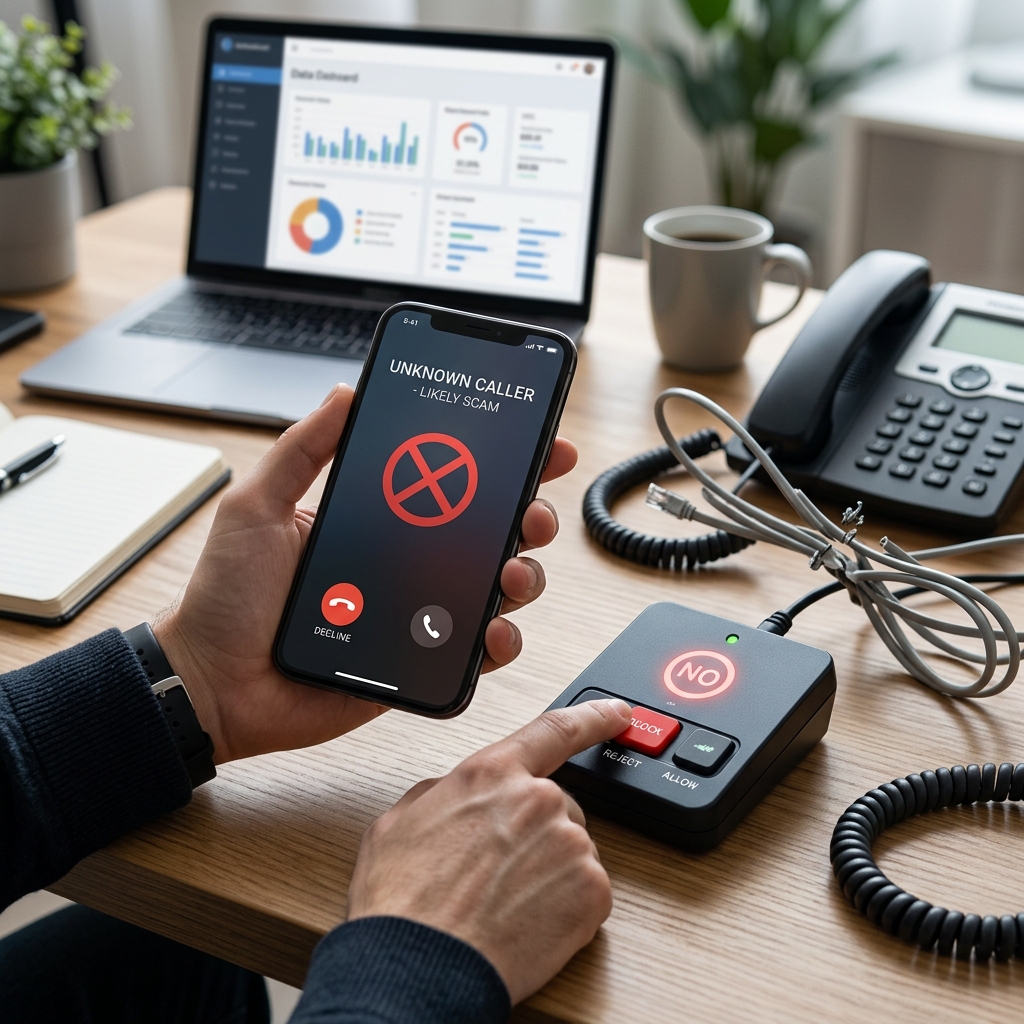
Unwanted calls about your vehicle’s “expiring warranty” have become one of the most common phone scams targeting drivers across the United States. These car warranty robocalls are more than a daily annoyance—they can lead to financial loss, identity theft, and long-term privacy risks if you share personal information with the wrong person.
This guide explains how auto warranty robocall schemes operate, how to recognize a scam pitch, which tools you can use to block and reduce calls, and what to do if you have already engaged with a scammer. It also summarizes key protections offered by regulators and outlines your options for reporting illegal calls.
Why Car Warranty Robocalls Are So Widespread
Car warranty robocalls rely on automated dialing systems that can push millions of calls daily at very low cost. Scammers often disguise their identity by spoofing caller IDs and pretend to be from legitimate-sounding businesses or your car manufacturer.
These calls are attractive to fraudsters because:
- Many adults own vehicles, making the pitch broadly relevant.
- Technical topics like warranties and repairs create confusion that scammers exploit.
- Fear of losing coverage encourages quick decisions and less skepticism.
- Robocall technology is cheap and scalable, enabling high-volume campaigns.
Regulators such as the Federal Communications Commission (FCC) have ordered carriers to block large volumes of known illegal auto warranty robocalls, but scammers continually adapt, shifting phone numbers and scripts to evade detection.
How Auto Warranty Scam Calls Typically Work
Although the details vary, most auto warranty scam calls follow a recognizable pattern. Understanding this script makes it easier to hang up before sharing sensitive information.
Common Call Flow
- Initial robocall or prerecorded message
You receive an automated message claiming it’s your “final notice” about a vehicle warranty about to expire. The recording urges you to press a number to speak to a representative. - Transfer to a live agent
After pressing a key, you are connected to a person who claims to represent a warranty company, dealership, or manufacturer. They may use generic company names to sound legitimate. - High-pressure sales and fear tactics
The caller insists that your coverage is ending very soon and warns that repairs will be extremely expensive if you do not buy or extend a warranty immediately. - Request for personal and financial data
To “activate” or “verify” your warranty, the caller asks for personal details such as your full name, address, vehicle identification number (VIN), and payment information. - Payment or data capture
Once you provide information, the scammer may charge you for a low-value or nonexistent policy, steal card or bank details, or misuse your data for other fraudulent purposes.
In many cases, the policy you are offered provides little genuine coverage or is not associated with your car manufacturer at all. The main goal is to collect money or usable personal information, not to provide meaningful protection for your vehicle.
Red Flags That Your Car Warranty Call Is a Scam
Legitimate warranty providers and dealerships rarely rely on aggressive robocalls to sell coverage. Recognizing warning signs helps you confidently end suspicious conversations.
- Unsolicited automated call about your warranty, especially a prerecorded message that asks you to press a number to speak to a representative.
- Generic greeting that does not mention your name, exact vehicle, or specific dealership but still claims your warranty is expiring soon.
- Pressure to act immediately, including claims of “final notice” or threats that you will lose all coverage today if you do not buy right now.
- Request for sensitive data, such as your Social Security number, banking details, full credit card number, or other personal identifiers over the phone.
- Instructions not to contact your manufacturer or dealer, or discouragement from reviewing written policy documents before making a decision.
- Caller ID anomalies, including frequent calls from different numbers claiming the same message or numbers that appear local but do not match known businesses.
- “Can you hear me?” type questions at the start of the call intended to confirm that your number is active; once confirmed, you may be targeted repeatedly.
If any of these signs appear, treat the call as suspicious and do not provide information. You can always check your actual warranty status directly with your manufacturer or dealership afterwards.
Legitimate Extended Warranties vs. Scam Offers
It is important to distinguish between genuine extended service contracts and fraudulent pitches. The table below outlines key differences.
| Feature | Legitimate Warranty Provider | Scam Robocall Operator |
|---|---|---|
| Contact Method | Direct mail, in-person at dealership, or secure digital communication | Unsolicited robocalls or random phone calls, often with spoofed caller IDs |
| Verification | Clear company name, contact information, and written policy details | Vague company identity, no reliable way to confirm credentials |
| Documentation | Written contract outlining covered components, exclusions, and terms | Little or no written documentation, pressure to buy immediately over the phone |
| Payment Security | Secure payment options and clear cancellation/refund terms | Insistence on immediate payment, sometimes via unusual methods |
| Advice on Verification | Encourages you to compare plans and ask questions | Discourages independent verification or speaking with your dealer |
Legitimate providers should be willing to send documentation before you decide and should never rush you into giving sensitive information in a single phone call.
How to Check Your Real Car Warranty Status
Instead of trusting a caller’s claims about your coverage, verify directly with trusted sources. Doing this once can give you peace of mind and make future scam calls easier to ignore.
- Contact your vehicle manufacturer using the phone number on their official website or in your owner’s manual.
- Call the dealership where you purchased the car and ask them to confirm your factory and extended warranty terms.
- Review your purchase paperwork, including finance and warranty agreements, for start and end dates and coverage details.
- Check online owner portals provided by many manufacturers, which list active warranties linked to your VIN.
If these sources show that your warranty is intact or expired, you can disregard any unsolicited calls claiming otherwise. If you genuinely want additional coverage, reach out to reputable companies directly instead of responding to cold calls.
Blocking Car Warranty Robocalls on Your Phone
While it may not be possible to stop every scam call, you can significantly reduce them by using built-in device settings, third-party apps, and carrier tools. Some options vary by phone type and operating system.
Using Built-In Phone Features
- Silence unknown callers on smartphones
Many phones offer a setting that sends calls from unknown numbers directly to voicemail. On iPhones with newer operating systems, “Silence Unknown Callers” is available in the Phone settings. - Block specific numbers
After receiving a suspicious call, you can block that number within your phone app to prevent future calls from the same source. This is most effective if the scammer uses a limited set of numbers. - Filter unknown or private numbers on Android
Some Android devices allow blocking of unknown or private numbers in the call settings, which can reduce the volume of robocalls, though legitimate calls from new contacts may also be blocked.
Carrier Tools and Third-Party Apps
Major carriers provide spam and robocall detection services, and there are specialized apps designed to identify and block robocalls. These tools rely on databases of known scam numbers and patterns.
- Carrier-provided spam protection
Some carriers offer free or low-cost services that label suspicious calls as “Spam” or “Scam likely” and allow you to block them automatically. - Robocall-blocker applications
Third-party apps can integrate with your phone to screen calls in real time, cross-checking numbers against updated scam lists and blocking or flagging likely robocalls. - Real-time scam call datasets
Certain technology companies maintain real-time databases of known auto warranty robocall campaigns to help carriers and regulators identify and block illegal calls.
Using a combination of device settings, carrier tools, and apps usually offers the best protection, especially if you receive frequent scam calls.
Protecting Your Personal Information
The most important defense against car warranty robocalls is simple: do not share sensitive information with unsolicited callers. Even seemingly minor details can help scammers build a profile for identity theft.
Key Safety Rules
- Never give out payment information (credit card, bank account, or routing numbers) to a caller you did not contact yourself.
- Avoid sharing Social Security numbers or other national identifiers under any circumstances over unsolicited calls.
- Limit disclosure of vehicle details such as VIN or license plate unless you are speaking with a confirmed representative of your manufacturer or dealer.
- Request written documentation if you think a caller may be legitimate; review the policy and verify the company’s credentials before paying.
- End the call if you feel pressured or uncomfortable. You can always call a known, official number later to ask questions.
If you accidentally answer a telemarketer or scam call, hanging up quickly and avoiding conversation can prevent the caller from confirming your number as an active target.
Reporting Auto Warranty Robocall Scams
Reporting scam calls does more than help you—it gives enforcement agencies evidence they can use to identify large-scale operations, issue orders, and pursue legal action against violators.
- Federal Trade Commission (FTC)
You can report fraud, including warranty scams, to the FTC online or by phone. These complaints help the agency track patterns and take action against abusive telemarketers. - Federal Communications Commission (FCC)
The FCC accepts complaints about illegal robocalls and caller ID spoofing. It has required telecom providers to block many known illegal auto warranty campaigns. - State and local consumer protection offices
Some state agencies and local departments encourage reports of extended warranty scams and can offer tailored assistance or pursue enforcement under state law. - Your financial institution
If you provided payment information, contact your bank or card issuer as soon as possible to dispute unauthorized charges and monitor for fraudulent activity.
In serious cases of identity theft or financial fraud, you may also consider steps such as placing fraud alerts or credit freezes with credit reporting agencies and monitoring your statements closely.
Practical Checklist: What to Do When You Get a Car Warranty Robocall
Use the following checklist whenever you receive a suspicious call about your vehicle warranty.
- Do not press any keys during a prerecorded message.
- Do not say “yes” or confirm personal details to unknown callers.
- Hang up immediately if the caller pressures you or asks for payment information.
- Block the number in your phone settings.
- Enable spam or scam call protection through your carrier or app.
- Verify your real warranty status directly with your manufacturer or dealer.
- Report persistent or fraudulent calls to the FTC and FCC.
Frequently Asked Questions (FAQs)
Are all extended warranty calls scams?
No. Some legitimate companies sell extended service contracts. However, genuine providers typically do not rely on aggressive robocalls. They offer clear written policies, verifiable contact information, and time to review terms before purchase.
Why do I keep getting calls about a car I no longer own?
Scammers often use outdated or incomplete data sets and may not know your current vehicle status. Their scripts are designed to sound plausible for many people, even if the details do not match your situation.
Can I stop all robocalls entirely?
It is difficult to eliminate robocalls completely because scammers constantly change numbers and tactics. However, using device settings, carrier tools, and reporting mechanisms can substantially reduce the volume and impact of these calls.
What should I do if I already paid for a suspicious warranty?
Gather all documentation, contact your bank or card issuer to dispute charges if appropriate, and report the incident to the FTC and FCC. You may also want to consult local consumer protection agencies for guidance specific to your jurisdiction.
Does joining a “Do Not Call” list stop these calls?
Registering with the National Do Not Call Registry can reduce calls from legitimate telemarketers, but many scammers ignore these rules. It remains a useful step, yet you will still need to use other protections to address illegal robocalls.
References
- How to Block Annoying Spam Calls for Good — AAA Club Alliance. 2022-07-18. https://cluballiance.aaa.com/the-extra-mile/advice/life/how-to-block-annoying-car-warranty-robocalls
- Beware of Extended Automobile Warranty Scams — District of Columbia Department of Insurance, Securities and Banking (DISB). 2021-03-15. https://disb.dc.gov/page/beware-extended-automobile-warranty-scams
- Don’t Get Caught in an Auto Warranty Scam — Rio Grande Credit Union. 2022-04-01. https://www.riograndecu.org/auto-warranty-scams
- Extended Warranty Scam Calls: What Are They? — MarketWatch Guides. 2023-08-10. https://www.marketwatch.com/insurance-services/car-warranty/what-are-extended-warranty-scam-calls
- Auto Warranty Robocalls: FCC Orders Carriers to Block Illegal Calls — Fox 29 Philadelphia (summarizing FCC action). 2022-07-07. https://www.facebook.com/fox29philadelphia/posts/412332000929268
- Tech Company Works to Stop Unwanted Vehicle Warranty Robocalls — Nomorobo coverage via YouTube. 2022-07-11. https://www.youtube.com/watch?v=PfZoRdIhrT0
Similar Articles








Read full bio of medha deb


