
Halting Neighbors from Attracting Hazardous Wildlife
Discover legal strategies to address neighbors attracting risky wildlife through feeding, balancing community harmony and safety.
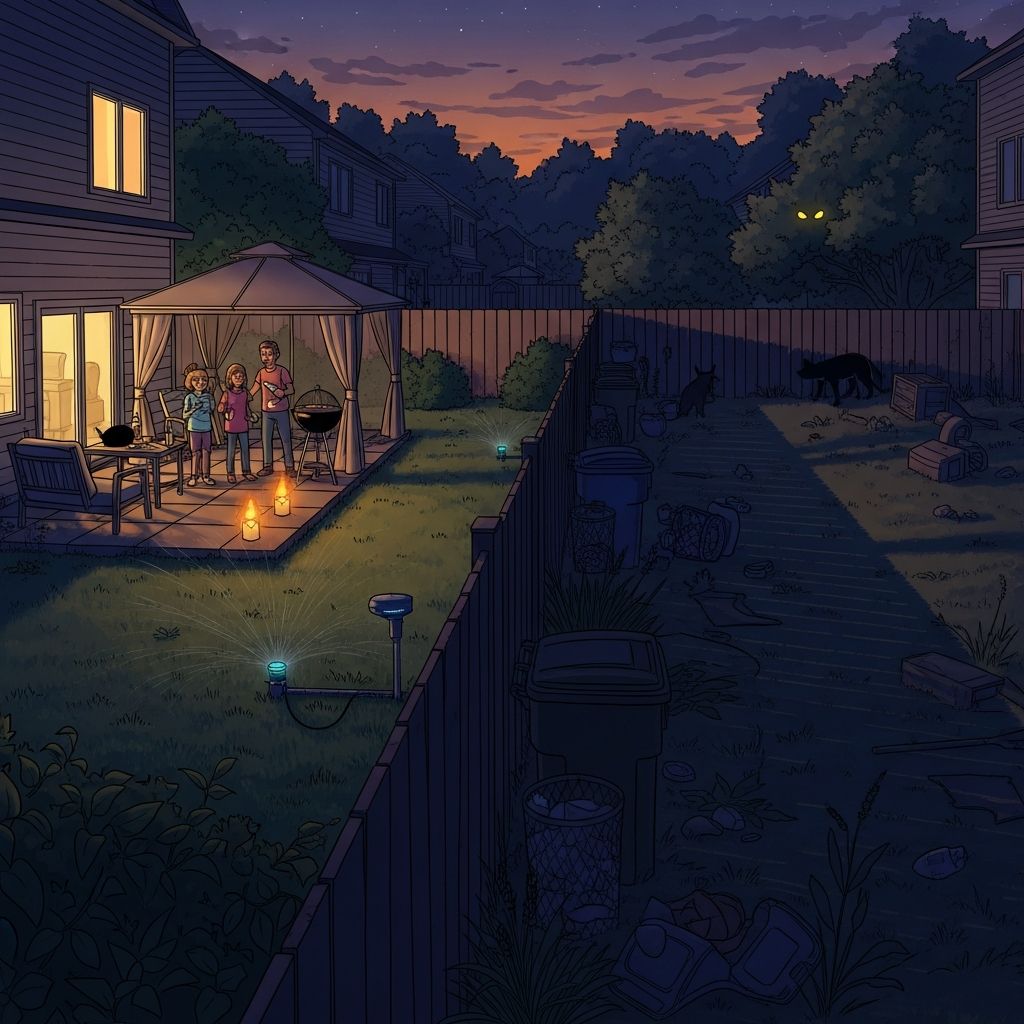
Conflicts arise when neighbors feed wild animals, drawing potentially dangerous creatures like bears, coyotes, foxes, or feral cats to shared spaces. This practice often leads to property damage, health risks, and safety concerns for residents and pets. Understanding local regulations and legal remedies empowers homeowners to address these issues effectively without escalating tensions unnecessarily.
Why Feeding Wildlife Creates Serious Problems
Providing food to wild animals disrupts natural behaviors and ecosystems. Animals lose their foraging instincts, becoming dependent on human sources, which increases human-animal encounters. Such interactions heighten risks of attacks, disease transmission, and structural harm to homes and yards.
- Health Hazards: Wild animals carry pathogens like rabies, leptospirosis, and parasites that can infect humans and domestic pets.
- Property Destruction: Rodents, squirrels, and larger mammals chew wiring, insulation, and gardens, leading to costly repairs.
- Safety Threats: Habituation makes animals bold, resulting in aggressive behavior toward people, especially children and the elderly.
- Ecosystem Imbalance: Overpopulation strains local resources, affecting native species and biodiversity.
Authorities universally discourage this practice due to these cascading effects. For instance, feeding alters migration patterns and breeding cycles, exacerbating urban wildlife issues.
Local Ordinances and Regulations on Wildlife Feeding
Most municipalities prohibit feeding wildlife to prevent nuisances. These rules vary by location but often classify intentional feeding as a violation punishable by fines. Homeowners associations (HOAs) may impose stricter covenants.
| Common Prohibitions | Examples | Penalties |
|---|---|---|
| Feeding deer, bears, coyotes | Many states ban it during hunting seasons or year-round | Fines up to $1,000 |
| Feral cats and rodents | City codes target unmanaged colonies | Citations or animal control intervention |
| Bird feeders (if attracting pests) | Restricted in some urban areas | Warnings leading to removal orders |
Check municipal codes, state wildlife departments, or county extensions for specifics. In Illinois, for example, intentional deer feeding violates IDNR laws, reportable to conservation enforcement.
Step-by-Step Guide to Resolving the Issue Amicably
Begin with non-confrontational approaches to foster cooperation and avoid legal battles.
- Document Evidence: Photograph feeding activities, attracted animals, and resulting damages with timestamps.
- Polite Conversation: Approach the neighbor calmly, explaining concerns like safety risks without accusation.
- Share Educational Resources: Provide flyers from wildlife agencies on feeding harms.
- Involve Mediators: Use HOA boards, community mediators, or rental property managers if applicable.
If dialogue fails, escalate methodically to authorities while maintaining records of all interactions.
Reporting to Authorities: Animal Control and Wildlife Agencies
Local animal control handles feral or nuisance animals, while state fish and wildlife departments oversee native species. Provide detailed reports including locations, frequencies, and impacts.
- Call non-emergency lines for initial complaints.
- Submit online forms with photos for formal records.
- Request inspections to verify violations.
Officers may issue warnings, citations, or humane removal orders. Persistence is key, as single reports might not suffice.
When to Pursue a Nuisance Lawsuit Against Your Neighbor
If feeding persists despite interventions, civil action may be warranted. A private nuisance claim argues the activity unreasonably interferes with property enjoyment.
Elements to prove:
- Substantial interference (noise, damage, fear).
- Foreseeable harm from the conduct.
- No adequate remedy at law otherwise.
Courts may grant injunctions halting the feeding. Damages cover repairs and diminished property value. Consult attorneys specializing in property or animal law for jurisdiction-specific viability.
Special Considerations for Feral Cats and Urban Wildlife
Feral cats present unique challenges, as caretakers often view feeding as humane. However, unsterilized colonies lead to overpopulation, fights, and disease spread.
Laws rarely define ownership clearly, but regular provisioning may establish ‘keeper’ status, imposing liability for damages or injuries. Promote Trap-Neuter-Return (TNR) programs as alternatives, though unmanaged feeding remains problematic.
In apartments or shared properties, management enforces lease clauses against nuisances.
Preventive Measures for Your Own Property
Protect your home proactively:
- Secure trash bins with tight lids.
- Remove fallen fruits and accessible pet food.
- Install motion lights and fencing.
- Use repellents like ammonia-soaked rags or commercial deterrents.
These steps minimize attractants, reducing overall wildlife presence.
Potential Legal Pitfalls and How to Avoid Them
Avoid vigilante actions like trespassing or poisoning, which invite counter-suits for harassment or animal cruelty. Communicate in writing post-initial talk to create a paper trail. Never threaten; let professionals handle enforcement.
Frequently Asked Questions (FAQs)
Can I legally demand my neighbor stop feeding birds if squirrels invade my yard?
Yes, if local laws prohibit wildlife feeding or it constitutes a nuisance causing damage. Document impacts and report to authorities.
What if the animals are on my property causing harm?
Contact animal control immediately for removal. You may sue for negligence if neighbor’s actions foreseeably contributed.
Are there defenses for neighbors claiming it’s ‘helping wildlife’?
Courts prioritize public safety over intentions. Habituation risks outweigh compassion arguments.
How long does a lawsuit take?
Varies by jurisdiction; small claims resolve quickly (months), while superior court cases may span a year.
Do HOAs have specific rules?
Often yes; review covenants for nuisance or wildlife provisions and report violations to the board.
Long-Term Community Solutions
Advocate for stronger local ordinances through city councils. Support wildlife rehab centers and education campaigns. Collaborative neighborhood watches deter feeding effectively.
By combining empathy, documentation, and legal tools, residents restore peace while safeguarding welfare.
References
- Feral Cat Legal Issues — Animal Legal & Historical Center, Michigan State University College of Law. Accessed 2026. https://www.animallaw.info/intro/feral-cat-legal-issues
- Ask Extension: Neighbor Feeding Wild Animals — University of Illinois Extension. Accessed 2026. https://web.extension.illinois.edu/askextension/thisQuestion.cfm?ThreadID=12641&catID=254&AskSiteID=98
- The Hidden Harm in Feeding Your Local Wildlife — U.S. Fish and Wildlife Service. Accessed 2026. https://www.fws.gov/story/hidden-harm-feeding-your-local-wildlife
- What Can Be Done to Stop Neighbors Feeding Feral Cats? — Avvo Legal Answers. Accessed 2026. https://www.avvo.com/legal-answers/what-can-be-done-to-stop-neighbors-feeding-feral-c-2056658.html
- Can I Sue My Neighbor for Feeding Squirrels That Damage Property? — eLocal Legal Resources. Accessed 2026. https://www.elocal.com/resources/legal/real-estate-law/faq/neighbor-feeds-squirrels-that-damage-property/
Similar Articles








Read full bio of medha deb


