
Stop Domain Trolls: Smart Buying Strategies
Discover proactive domain acquisition tactics to neutralize trolls, safeguard your brand, and maintain online control effectively.
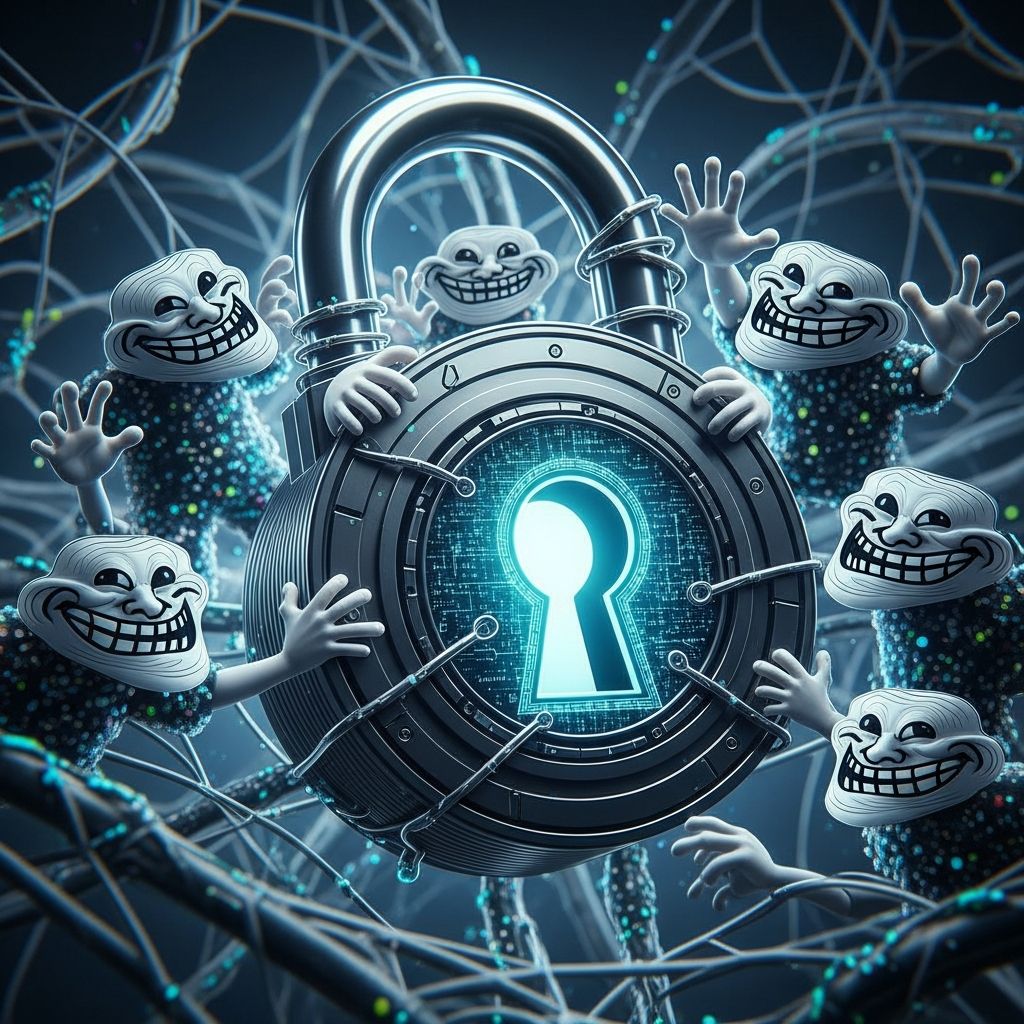
Domain trolls, also known as cybersquatters, exploit the domain name system by registering names resembling popular brands to extort money or divert traffic. Businesses can counter this threat by strategically acquiring domains ahead of time, securing trademarks, and implementing robust security protocols. This approach not only prevents abuse but also strengthens overall digital asset management.
Understanding the Domain Troll Landscape
Domain trolls thrive on the first-come, first-served nature of domain registration. They monitor emerging trends, trademarks, and popular terms to snap up valuable names before legitimate owners do. Once registered, these domains may host phishing sites, offensive content, or parked pages demanding payment for transfer. The financial impact includes not just purchase costs but also lost revenue from traffic diversion and reputational harm from scam associations.
Common tactics include registering variations with different top-level domains (TLDs) like .net or country-code TLDs, creating typosquatting sites with misspellings, or grabbing names tied to upcoming products. For instance, trolls have targeted gaming console launches by preemptively claiming related domains, delaying market entry. Recognizing these patterns allows businesses to act preemptively.
Core Strategies for Preemptive Domain Acquisition
Proactive purchasing involves identifying and securing a portfolio of domains that trolls might target. Start by listing your primary brand name, common misspellings, abbreviations, and industry-specific variations.
- Prioritize Major TLDs: Secure .com, .net, .org, and .io as these attract the most traffic and troll interest.
- Target Country-Code TLDs: For global operations, register ccTLDs like .uk or .ca to block regional exploitation.
- Defensive Variations: Buy typo-prone versions and slang equivalents to prevent typosquatting.
- Future-Proofing: Anticipate product launches or expansions by reserving related names early.
While costs add up, the investment pales compared to legal battles or brand damage. Forward unused domains to your main site to consolidate traffic and signal ownership.
Leveraging Trademarks as a Shield
Trademark registration is foundational to domain defense. A federally registered mark under the Anti-Cybersquatting Consumer Protection Act (ACPA) simplifies reclaiming abused domains without proving prior use. It also enables filings under the Uniform Domain Name Dispute Resolution Policy (UDRP), a fast arbitration process through bodies like WIPO or NAF.
Steps to integrate trademarks:
- File in your home country first for priority rights.
- Use the Madrid Protocol for international coverage within six months.
- Conduct regular global searches via databases like TMview to spot troll filings early.
| Trademark Benefit | Domain Protection Impact |
|---|---|
| Registered Mark | Easier UDRP wins; no need to prove prior use |
| International Filing | Covers multiple jurisdictions swiftly |
| Periodic Monitoring | Detects trolls before exploitation |
Unregistered marks offer some protection but require more evidence in disputes, making registration a priority.
Enhancing Domain Security Post-Purchase
Acquisition alone isn’t enough; fortify domains against hijacking. Domain hijacking occurs when attackers gain control via social engineering, expired renewals, or weak registrar settings.
- Enable Registrar Locks to block unauthorized transfers.
- Activate WHOIS Privacy to hide contact details from phishers.
- Set Auto-Renewal and calendar reminders to avoid expirations.
- Use Multi-Factor Authentication (MFA) and unique passwords managed by a password tool.
- Consolidate with a reputable registrar offering strong security.
Monitor for parked or suspicious activity on variations; redirect or develop them to assert control. Consider domain watch services for automated alerts on availability or abuse.
Responding to Troll Encounters
If a troll secures a domain, swift action preserves your brand. First, document evidence of bad faith: no legitimate interest, prior trademark rights, and intent to profit.
Resolution options:
- UDRP Complaint: Low-cost, 2-3 month process; success transfers domain without court.
- URS for New gTLDs: Even faster suspension for clear abuses.
- ACPA Lawsuit: For willful bad faith; awards damages up to $100,000 per domain.
- Negotiation: Sometimes buying out is quickest, but avoid encouraging trolls.
Post-recovery, issue press releases clarifying the incident and monitor for phishing fallout. Legal counsel ensures compliance with jurisdiction rules, as trolls often operate offshore.
Advanced Tactics Against Evolving Threats
Trolls adapt to new TLDs like .sucks, designed for criticism but ripe for extortion. Secure these proactively or redirect to disclaimers. Rivals may troll via competitor domains; a comprehensive strategy counters this.
For IP trolls beyond domains, like fake trademark claims, challenge via opposition proceedings or ignore baseless threats[10]. Global monitoring counters first-to-file abuses in certain countries.
Frequently Asked Questions (FAQs)
What is cybersquatting exactly?
Cybersquatting involves registering a domain name in bad faith to profit from a trademark holder’s goodwill, often by demanding payment or misleading users.
How effective is UDRP for recovery?
Highly effective; over 80% of complaints succeed when rights are clear, resolving in months without court.
Should small businesses register multiple TLDs?
Yes, focus on top 3-5 like .com/.net/.org to balance cost and protection.
Can domain hijacking be fully prevented?
Not fully, but MFA, locks, and hygiene reduce risks dramatically.
What if my trademark is unregistered?
You can still pursue UDRP but must prove prior rights and bad faith; registration strengthens cases.
Building a Long-Term Domain Defense Plan
A holistic plan integrates acquisition, security, monitoring, and response. Budget annually for renewals and watches. Train teams on phishing recognition. Partner with IP experts for audits.
Ultimately, proactive steps transform domains from vulnerabilities to assets. Brands that invest early avoid costly disruptions and maintain trust.
References
- What Is Cybersquatting & How to Stop It — Trademark Engine. 2023. https://www.trademarkengine.com/blog/what-is-cybersquatting/
- Domain Hijacking and How to Protect Yourself — Brandaide. 2023. https://brandaide.com/domain-hijacking/
- The Dark Side of Trademarks: Confronting the Troll Menace — Trademark Lawyer Magazine. 2023. https://trademarklawyermagazine.com/the-dark-side-of-trademarks-confronting-the-troll-menace/
- Domain Hijacking: What It Is, How It Works & Defenses — Valimail. 2024-01-17. https://www.valimail.com/resources/guides/guide-to-phishing/domain-hijacking/
- Trade Marks Trolls: How to Prevent Abusive Practice — Maastricht University. 2021-09. https://www.maastrichtuniversity.nl/blog/2021/09/trade-marks-trolls-how-prevent-abusive-practice
Similar Articles








Read full bio of Sneha Tete


