
State Voter ID Rules: What to Know Before Voting
Navigate the latest state voter ID laws with this comprehensive guide to acceptable documents and requirements for secure voting.
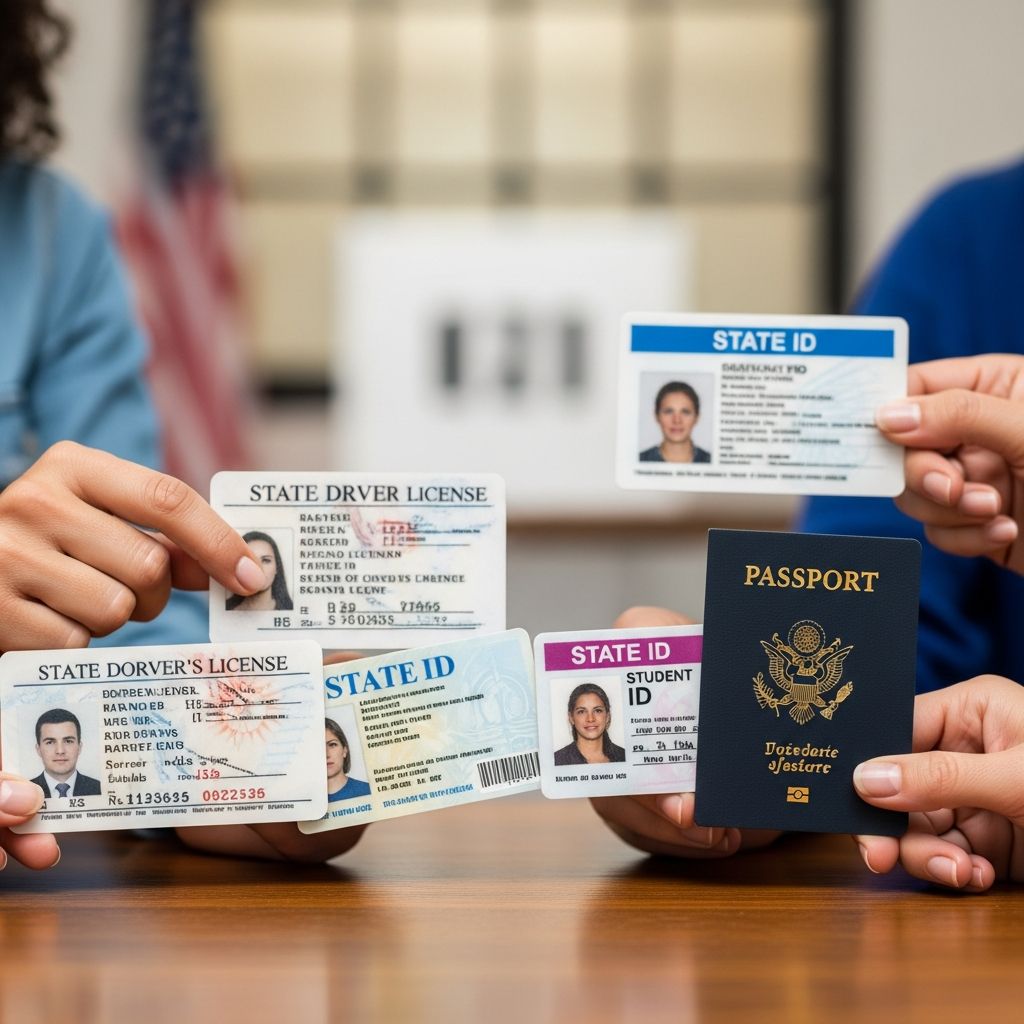
Voter identification requirements vary significantly across the United States, with 36 states enforcing some form of ID check at polling places to verify voter eligibility. These rules aim to ensure election integrity while balancing access to the ballot. As of 2026, recent legislative changes have tightened standards in several states, introducing stricter photo ID mandates and citizenship proofs.
Understanding the Landscape of Voter ID Policies
State laws on voter identification fall into categories: strict photo ID states demand government-issued photos like driver’s licenses; non-strict states accept non-photo options such as utility bills; and a minority permit voting without any ID if voters sign affidavits. This patchwork creates confusion for voters crossing state lines or moving residences.
In 2025, at least six states modified ID rules, limiting acceptable documents. For instance, Indiana banned student IDs entirely, Montana narrowed student ID types, and West Virginia mandated photo IDs only. These shifts reflect a broader trend toward more rigorous verification amid debates over fraud prevention.
Strict Photo ID States: Preparing Your Documents
Nine states plus Wisconsin—where voters enshrined photo ID in the constitution via a 2025 referendum—require photo identification matching the voter roll name. Acceptable forms typically include:
- Current driver’s license or state ID card.
- Passport or military ID.
- Tribal enrollment cards with photos.
Voters without these must often cast provisional ballots, which are counted only after ID submission post-election. Always check your state’s elections website for updates, as rules evolve rapidly.
Non-Strict ID Requirements and Alternatives
In 21 states, voters can present non-photo IDs like bank statements, pay stubs, or affidavits from poll workers. This accommodates those without standard documents, though some locations still prefer photos for efficiency.
| State Category | Examples | Common Alternatives |
|---|---|---|
| Strict Photo ID | Georgia, Indiana, Wisconsin | Passport, Driver’s License |
| Non-Strict ID | Arizona, Florida, Ohio | Utility Bill, Affidavit |
| No ID Needed | California, New York | Signature Match |
This table summarizes key distinctions; verify locally as exceptions apply for first-time voters or those with disabilities.
Mail-In and Absentee Voting ID Challenges
Mail ballots often require signature matching or ID numbers on envelopes. New 2025 laws in states like an unnamed one demand the last four digits of a state ID or Social Security number, with photocopies mandated from 2029. These measures combat perceived fraud but risk rejecting valid votes if details mismatch.
Provisional ballots serve as safeguards: if your ID doesn’t match, vote provisionally and cure it later. Deadlines vary—typically 3-7 days post-election.
Recent Legislative Shifts and 2025-2026 Developments
The past year saw a surge in restrictive measures. Six states enacted seven laws heightening ID standards, while list maintenance changes in another six risk purging eligible voters using unreliable data. Kentucky balanced tighter IDs with expanded early voting, and Ohio eased DMV registration despite assistance curbs.
Indiana prohibited non-residential addresses like P.O. boxes for registration, potentially affecting homeless voters or those fleeing abuse. Utah’s anomaly checks flag multi-voter homes, raising barriers for large families.
California’s Voter ID Battle: Initiatives and Resistance
California currently bans local voter ID mandates, but momentum builds for change. AB 25, the Voter ID and Election Integrity Act of 2025, failed in committee despite proposing citizenship documentation for registration and poll ID requirements. It sought last-four ID digits on mail envelopes and 72-hour ballot counting deadlines.
A rival initiative, cleared for circulation in September 2025, mandates government-issued ID at polls, last-four digits for mail votes, and annual citizenship verification reports. Proponents gathered over 1.2 million signatures by early 2026, positioning it for the November 2026 ballot. Led by figures like Assemblymember Carl DeMaio, it enjoys broad volunteer support and promises state-issued voter cards.
Huntington Beach challenges the state ban, highlighting urban-rural divides in election security views.
Federal Influences: The SAVE Act and Beyond
Federally, H.R. 22—the SAVE Act, introduced January 2025—requires documentary proof of U.S. citizenship for federal election registration, such as REAL ID-compliant documents. It mandates states remove noncitizens from rolls using federal data like SAVE and allows private lawsuits against non-compliant officials.
Though not yet law, it influences state actions, with three states adopting SAVE for list maintenance and eight proposing similar bills. Critics argue it burdens citizens without documents; supporters cite fraud prevention.
Impact on Vulnerable Populations
Stricter rules disproportionately affect minorities, seniors, low-income groups, and students lacking standard IDs. Women changing names post-marriage, transgender voters, and survivors of domestic violence face mismatches. States counter with free IDs, but access remains uneven.
Early voting expansions in some states mitigate lines, but ID hurdles persist. Voters should register early via DMV or online, updating addresses promptly.
Practical Steps for Compliant Voting
- Check your state’s requirements 30 days before election day via official secretary of state sites.
- Gather primary ID: driver’s license, passport, or state ID.
- Prepare backups: utility bills, bank statements for non-strict states.
- For mail voting, note ID numbers accurately on envelopes.
- If challenged, request a provisional ballot and follow cure instructions.
Practice runs at early voting sites build confidence.
Frequently Asked Questions (FAQs)
What if I lack a photo ID at the polls?
In strict states, cast a provisional ballot and provide ID within days. Non-strict states accept alternatives like affidavits.
Does California require voter ID?
No state-mandated ID currently, but a 2026 ballot initiative may change this. Locals are prohibited from requiring it.
Can student IDs be used everywhere?
No—Indiana banned them, Montana restricted types. Check state lists.
How do mail ballot ID rules work?
Many require signature or ID number matches; photocopies coming in some states by 2029.
What federal changes affect state voting?
The SAVE Act pushes citizenship proofs, influencing state list maintenance.
Staying Ahead of Changes
Election laws shift quickly—monitor official sources like the National Conference of State Legislatures or Brennan Center for updates. With 2026 midterms approaching, proactive preparation ensures your voice counts.
References
- State Voting Laws Roundup: October 2025 — Brennan Center for Justice. 2025-10. https://www.brennancenter.org/our-work/research-reports/state-voting-laws-roundup-october-2025
- AB 25: California Voter ID and Election Integrity Act of 2025 — California Legislature. 2025-04-09. https://calmatters.digitaldemocracy.org/bills/ca_202520260ab25
- CA Voter ID Initiative Surpasses 1 Million Signatures — Reform California. 2026. https://www.reformcalifornia.org/news/ca-voter-id-initiative-surpasses-1-million-signatures—headed-for-november-2026-ballot
- Proposed Initiative Enters Circulation: Establishes Additional Voter Identification — California Secretary of State. 2025-09-19. https://www.sos.ca.gov/administration/news-releases-and-advisories/2025-news-releases-and-advisories/proposed-initiative-enters-circulation-establishes-additional-voter-identification-and-citizenship-verification-requirements-ini
- H.R.22 – 119th Congress (2025-2026): SAVE Act — U.S. Congress. 2025-01-03. https://www.congress.gov/bill/119th-congress/house-bill/22
- Voter ID Laws — National Conference of State Legislatures. 2026. https://www.ncsl.org/elections-and-campaigns/voter-id
Similar Articles








Read full bio of Sneha Tete


