
When the State Fails Domestic Violence Victims
How and when survivors can challenge government failures to protect them from domestic violence and ongoing abuse.
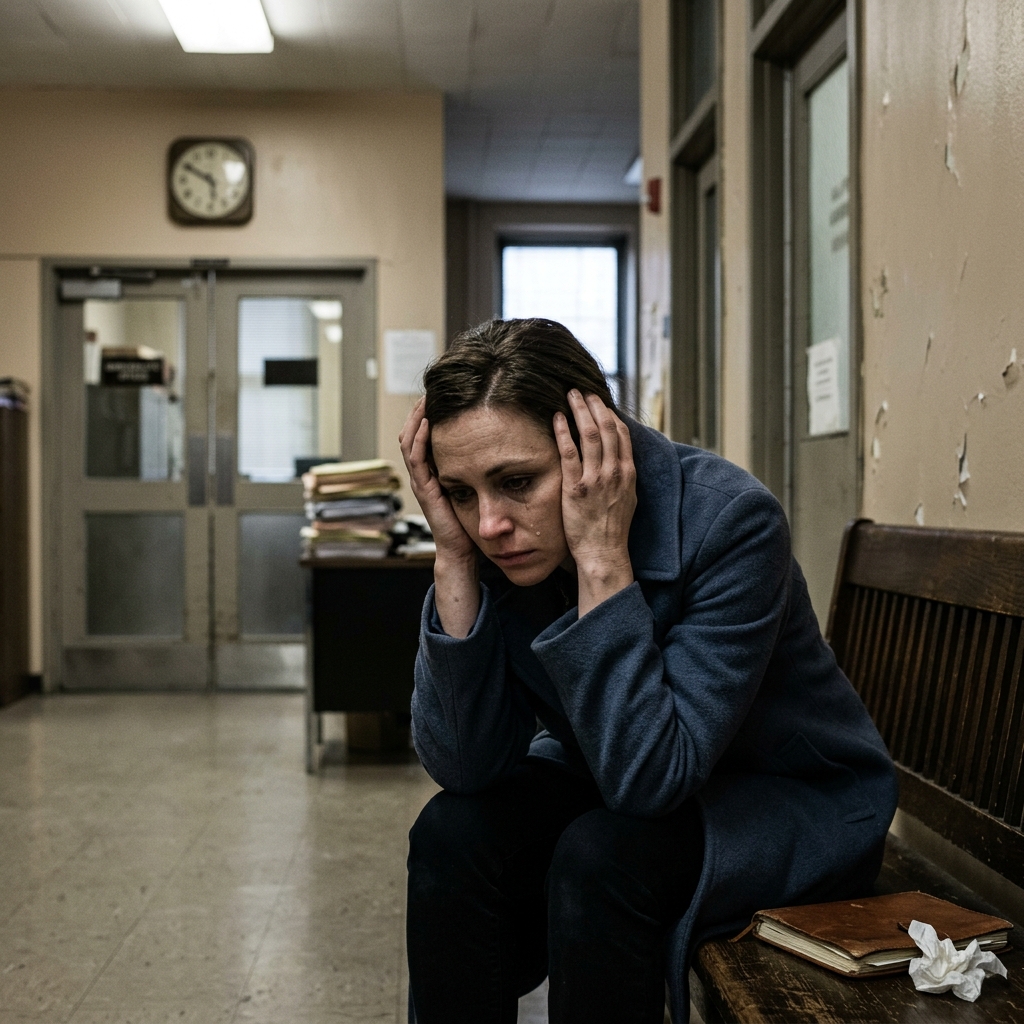
Domestic violence survivors often turn to police, courts, and social services for protection. When those systems break down and severe harm follows, a pressing legal question arises: can the state be held responsible for failing to protect a victim? This article explains how these claims work, the legal obstacles survivors face, and what rights and remedies may be available.
Domestic Violence and the State’s Duty to Protect
Domestic violence is more than isolated incidents of physical harm. It is typically a pattern of abusive behavior used to exert power and control in an intimate relationship, involving physical, sexual, emotional, economic, or psychological abuse.[10] Survivors frequently depend on public institutions—especially police and courts—to reduce risk and enforce the law.
Despite that reliance, U.S. and many other legal systems generally do not recognize a broad, automatic duty for the government to protect individuals from private violence. Instead, liability tends to arise in specific, legally recognized circumstances, such as where authorities made explicit promises of protection, created additional danger, or systematically discriminated against domestic violence victims.
Common Ways the State May Fail a Domestic Violence Victim
While each case is fact-specific, domestic violence survivors who consider suing the state usually point to one or more of the following failures:
- Ignoring repeated reports of escalating abuse or threats.
- Delaying or refusing to enforce protection orders after a violation is reported.
- Failing to arrest or charge an abuser despite clear evidence of criminal conduct.
- Revealing confidential information to the abuser, increasing the victim’s risk of retaliation.
- Unequal treatment of domestic violence compared with other crimes, such as routinely downplaying or deprioritizing calls involving intimate partners.
Each of these failures can form part of a legal claim, but they rarely succeed on their own. Courts typically require proof that the government action (or inaction) violated a specific constitutional right, statute, or established duty.
Government Liability and the “Failure to Protect” Problem
In U.S. law, lawsuits against state actors usually rely on constitutional claims (for example, under 42 U.S.C. § 1983) or statutory frameworks, alongside state tort law. Historically, courts have been reluctant to hold governments liable for crimes committed by private individuals. Legal scholars have described this as the “failure to protect” problem: victims argue that authorities should have shielded them, while courts often rule that the Constitution generally restrains government power but does not guarantee protection from private harm.
General Rule: No Broad Constitutional Duty
As a starting point, courts often state that the government is not constitutionally required to prevent all foreseeable harm from private actors. This means that most victims of domestic violence, even those who reported danger multiple times, cannot simply claim that police negligence violates the Constitution. Instead, they must show that their situation falls into a recognized exception.
Key Exceptions Survivors Rely On
Legal strategies typically focus on two major constitutional theories:
- Special relationship: Authorities have taken custody or otherwise assumed direct responsibility for an individual’s safety.
- State-created danger: Government actions affirmatively placed the person in greater danger than they would otherwise face.
Domestic violence survivors who sue the state often argue that protective orders, repeated calls to police, or specific promises of protection created a special relationship, or that police actions exposed them to increased danger.
Special Relationship Doctrine in Domestic Violence Cases
A special relationship arises when the state exercises control over a person such that the individual cannot protect themselves, or when authorities explicitly undertake responsibility for protection. If such a relationship exists, failure to protect may violate due process rights.
Factors Courts Consider
Courts look at several factors when deciding whether a special relationship exists between a domestic violence victim and the state:
- Whether the state created or assumed a custodial relationship toward the survivor (for example, custody or forced reliance on state protection).
- Whether authorities were aware of a specific, serious risk of harm to the survivor.
- Whether the state affirmatively committed itself to protect the survivor, such as through a court-issued protection order.
- Whether the survivor reasonably relied on those commitments when making safety decisions.
For instance, a victim with a strong protective order who repeatedly contacts police about violations might argue that the combination of court orders and police involvement created a special relationship and that the state’s subsequent inaction violated her rights.
State-Created Danger: When Authorities Make Things Worse
Another important doctrine is state-created danger. Under this theory, the government can be liable when officials, through their affirmative actions, substantially increase a known risk of harm from a private actor.
How It Applies to Domestic Violence
Domestic violence survivors may argue state-created danger when, for example:
- Police share the victim’s confidential complaint or location with the abuser, triggering retaliation.
- Officers encourage the victim to rely on promised protection, then withdraw or fail to act in a way that leaves the victim more exposed than before.
- Authorities force the survivor into unsafe living arrangements, such as returning children or the victim to the abuser’s custody without safeguards.
In such cases, the focus is less on inaction and more on affirmative steps taken by the state that foreseeably increased danger.
Equal Protection and Systemic Discrimination Claims
Some domestic violence survivors sue under the Equal Protection Clause, arguing that authorities treat domestic violence complaints less seriously than other crimes. Evidence may include patterns of slower response times, fewer arrests, or explicit policies that deprioritize intimate partner violence.
Successful equal protection claims typically require more than one tragic result. They usually need proof of systematic discrimination—for example, a documented policy or longstanding practice that deprives domestic violence victims of protections routinely offered to other crime victims.
Victims’ Civil Remedies Beyond Constitutional Claims
Even when constitutional claims are difficult, survivors often have important civil options against their abusers and sometimes against other parties:
- Protection orders from civil courts, which can restrict contact, address housing and child custody, and provide other tailored relief.
- Civil lawsuits against the abuser for damages, including medical costs, lost wages, and emotional distress.
- Negligence or wrongful death claims under state tort law, which sometimes target agencies or individuals whose failures contributed to harm.
In New York, for example, survivors may sue abusers for monetary damages, including pain and suffering, with filing deadlines and court options (such as small claims court) depending on the amount sought. Similar frameworks exist in many states.
Federal Statutory Protections: VOCA, VAWA and Related Laws
Beyond constitutional doctrines, federal laws create important rights and funding streams that indirectly shape failure-to-protect cases.
Violence Against Women Act (VAWA)
The Violence Against Women Act (VAWA) provides a range of protections for domestic violence, sexual assault, dating violence, and stalking survivors, including critical housing protections for those living in HUD-subsidized housing. Under VAWA, survivors:
- Cannot be denied housing assistance because of violence committed against them.
- Cannot be evicted or have assistance terminated solely due to that violence.
- Have rights to confidentiality and to request changes in leases to remove the perpetrator.
- Have the right to seek law enforcement or emergency assistance without housing penalties.
If these protections are violated—for instance, if a survivor is evicted after reporting abuse—she may have grounds for complaints and potential legal action against the housing provider.
Victims of Crime Act (VOCA) and Related Grants
The Victims of Crime Act (VOCA) and other federal grant programs provide funding for services such as shelter, counseling, and legal assistance for crime survivors, including domestic violence victims. Legal disputes sometimes arise when federal rules change in ways that reduce access to these services or exclude certain groups, such as undocumented survivors. State attorneys general have sued the U.S. Department of Justice, claiming that restrictive funding rules violate the Constitution’s Spending Clause and conflict with existing victim-service statutes.
While these lawsuits are brought by states rather than individual victims, they illustrate that governments themselves sometimes challenge federal policies when they believe those policies undermine survivor protections.
Practical Steps for Survivors Considering Legal Action
Any domestic violence victim contemplating a lawsuit against the state should proceed cautiously and with professional guidance. These cases are legally complex and emotionally demanding. Consider the following practical steps:
- Preserve documentation of all reports to police, courts, and agencies, including dates, times, and responses.
- Obtain copies of protection orders, police reports, and court records as early as possible.
- Consult a lawyer experienced in civil rights or personal injury law involving government defendants.
- Explore victim services funded by VOCA, VAWA, or state programs, which may include legal help, counseling, and housing assistance.[10]
- Consider safety planning with advocates while legal strategies are being developed.[10]
Domestic Violence Protections Outside of Civil Lawsuits
Even when suing the state is not viable, survivors still have important legal protections and support options:
- Protection orders and restraining orders from civil courts, often available without filing fees under federal law.
- Criminal prosecution of abusers, which can lead to incarceration, probation, and no-contact orders.[10]
- Housing protections under VAWA and related rules for survivors in federally assisted housing.
- Hotlines and advocacy services, such as national domestic violence hotlines and victims’ helplines that can help survivors navigate local resources.[10]
Illustrative Comparison: Claims Against Abusers vs. Claims Against the State
| Aspect | Suing the Abuser | Suing the State |
|---|---|---|
| Primary Legal Basis | Tort law (assault, battery, intentional infliction of emotional distress, etc.) | Constitutional claims (e.g., § 1983), statutory violations, and negligence with immunity limits. |
| Typical Relief | Money damages, protection orders, sometimes punitive damages. | Money damages, policy changes, declaratory judgments. |
| Key Obstacles | Collectability of damages, emotional burden, proving harm. | Government immunity, high legal standards (special relationship, state-created danger), procedural hurdles. |
| Evidence Needed | Proof of abuse and resulting damages (medical, financial, psychological). | Detailed record of state actions or inactions, policies, and impact on risk of harm. |
FAQs: State Liability and Domestic Violence
Can a domestic violence victim sue the state for failing to protect her?
Yes, in some circumstances, but it is difficult. Survivors may sue when they can show a special relationship, state-created danger, or discriminatory practices that violate constitutional or statutory rights. Success depends heavily on the specifics of the case and the law in the jurisdiction.
What if the police refused to enforce my protection order?
Failure to enforce a protection order can be crucial evidence in a lawsuit, especially if there was a clear violation and authorities had notice of the risk. However, it does not automatically create liability. A lawyer can help assess whether non-enforcement supports a constitutional claim or a state-law negligence claim.
Are there time limits for suing my abuser or the state?
Yes. Laws known as statutes of limitations set deadlines for filing both civil suits against abusers and claims against government entities. These limits vary by state and claim type. For example, some states offer specific windows for domestic violence-related civil claims. Survivors should consult an attorney promptly to avoid missing these deadlines.
Does my immigration status affect my ability to seek help?
Federal victim-service laws such as VOCA and VAWA are designed to support survivors regardless of immigration status, although legal disputes sometimes arise over funding rules that restrict services to certain groups. Many advocacy organizations and legal aid providers assist undocumented survivors and can help navigate these issues.
Where can I find immediate assistance?
Survivors in immediate danger should call emergency services. In the United States, national hotlines and specialized helplines offer 24/7 support, safety planning, and connections to local shelters, legal resources, and counseling.[10] Similar services exist in many other countries through government or non-profit organizations.
References
- Domestic Violence — U.S. Department of Justice, Office on Violence Against Women. 2023-05-10. https://www.justice.gov/ovw/domestic-violence
- Domestic Violence: Victims and Survivors — Stateside Legal. 2022-08-15. https://www.statesidelegal.org/domestic-violence-victims-and-survivors
- Violence Against Women Act (VAWA) Housing Protections — U.S. Department of Housing and Urban Development. 2023-09-01. https://www.hud.gov/vawa
- Attorney General Dan Rayfield Sues U.S. Department of Justice to Protect Services for Crime Survivors — Oregon Department of Justice. 2025-03-12. https://www.doj.state.or.us/media-home/news-media-releases/attorney-general-dan-rayfield-sues-u-s-department-of-justice-to-protect-services-for-crime-survivors/
- Attorney General James Leads Lawsuit Defending Critical Services for Survivors of Domestic Violence and Sexual Assault — New York State Office of the Attorney General. 2025-03-12. https://ag.ny.gov/press-release/2025/attorney-general-james-leads-lawsuit-defending-critical-services-sexual-assault
- Domestic Violence Victims and Survivors — WomensLaw.org, New York Suing an Abuser for Money. 2021-06-01. https://www.womenslaw.org/laws/ny/suing-abuser-money
- Battered Women Suing Police for Failure to Intervene: Viable Legal Theory? — Cornell Law Review. 1993-01-01. https://scholarship.law.cornell.edu/cgi/viewcontent.cgi?article=3473&context=clr
Similar Articles








Read full bio of Sneha Tete


