
Stand Your Ground Limits in a Texas Murder Case
How Texas self-defense and stand your ground rules can fail when deadly force goes beyond what the law allows.
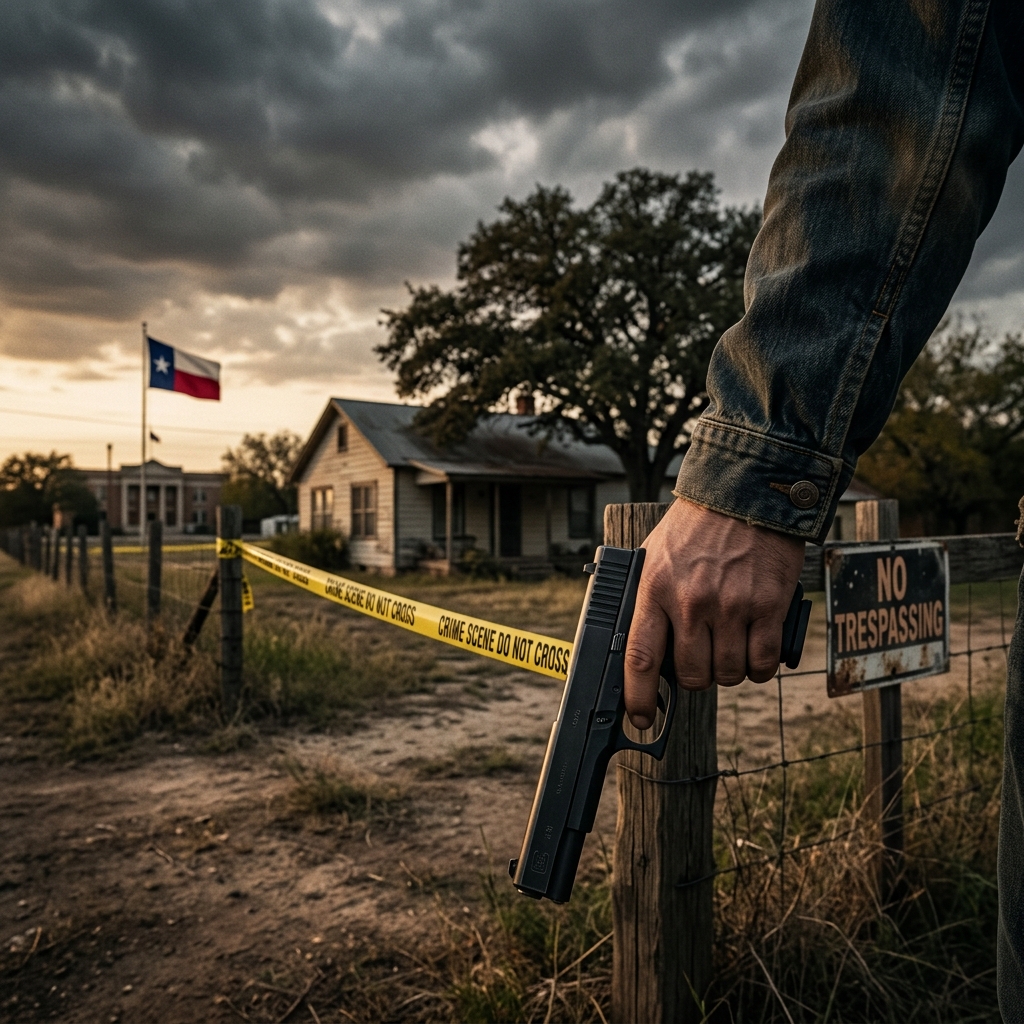
Texas is often perceived as one of the most self-defense-friendly states in the U.S., with laws that allow people to stand their ground and use force, including deadly force, in certain circumstances without any duty to retreat. Yet these protections are not unlimited. When a defendant in a Texas murder case tried to rely on a stand your ground argument, the court rejected it, illustrating how self-defense doctrines can fail when the facts do not align with statutory requirements.
This article uses that scenario as a springboard to explain how Texas self-defense law works, when stand your ground applies, and why a murder defendant might be denied its protection under the law.
Understanding the Legal Context: Self-Defense in Texas
Texas law treats justified self-defense as a complete defense, meaning that if force was lawfully used, the conduct is not criminal at all. However, to claim this protection, the defendant must meet several statutory conditions found in Chapter 9 of the Texas Penal Code, including the rules on use of force and deadly force.
- Use of force: Non-deadly force can be justified when a person reasonably believes it is immediately necessary to protect against another’s unlawful force.
- Use of deadly force: Deadly force carries stricter limits and is only justified under specific circumstances, such as preventing serious violent felonies or death.
- No duty to retreat: In many situations, Texas residents have no legal obligation to flee before using force in self-defense, provided they meet statutory prerequisites.
The murder case discussed in the original article revolved around whether these protections, particularly stand your ground, could shield a defendant who claimed he acted in self-defense. The court’s rejection demonstrates that simply invoking self-defense language is not enough; the facts must satisfy the law’s requirements.
Core Requirements for Self-Defense and Stand Your Ground
At the heart of Texas self-defense law is the concept of a reasonable belief that force is immediately necessary. This is an objective-subjective standard: the defendant must genuinely believe force is needed, and that belief must be one a reasonable person in the same situation would share.
Baseline Self-Defense Conditions
Before stand your ground protections can apply, a defendant must first qualify under basic self-defense rules. Key conditions include:
- Legal right to be present: The person must be in a place they are lawfully allowed to occupy (not trespassing).
- Not engaged in criminal activity: Self-defense and stand your ground typically do not protect individuals who are already committing a crime at the time force is used.
- Did not provoke the confrontation: If the defendant initiated or provoked the encounter, self-defense claims are greatly weakened unless they clearly withdrew and communicated that withdrawal.
- Immediacy of threat: Force must respond to a current and imminent threat; preemptive or retaliatory violence falls outside the doctrine.
If these elements are missing, courts are far more likely to reject a self-defense argument, which is what happened in the Texas murder case that inspired this discussion.
Stand Your Ground: No Duty to Retreat
Texas’s stand your ground rule arises from provisions in the Penal Code that remove any obligation to retreat when certain conditions are met. In plain terms, a person:
- Has no duty to retreat if they are lawfully present;
- Are not engaging in criminal activity; and
- Did not provoke the other person.
When these criteria are satisfied, the law focuses on whether force was justified, not on whether the defendant could have escaped. However, stand your ground does not automatically excuse every use of deadly force. The limits on when deadly force is justified still apply.
Deadly Force: The Sharp Edge of Self-Defense
Deadly force is defined as force that is intended to cause, or is capable of causing, death or serious bodily injury. Because the consequences are so severe, Texas law sets specific boundaries on when deadly force is permissible in self-defense.
Legal Thresholds for Deadly Force
Under the Texas Penal Code and practical guidance from Texas criminal defense practitioners, deadly force is generally justified only when:
- The defendant reasonably believed deadly force was immediately necessary to protect against another’s use or attempted use of unlawful deadly force.
- It was used to prevent certain violent crimes, such as murder, sexual assault or aggravated sexual assault, robbery or aggravated robbery, or aggravated kidnapping.
- The danger was imminent, not hypothetical or in the past.
Even when this threshold is met, courts review the proportionality of the response. The amount of force used must not exceed what is reasonably necessary to respond to the threat. Excessive force, even in an initially defensive situation, can transform a lawful response into criminal behavior.
Proportionality and Reasonableness
| Legal Concept | Practical Meaning in Texas |
|---|---|
| Proportionality | Deadly force may be used only when faced with deadly force or serious violent felonies; lesser threats require non-deadly responses. |
| Necessity | The force must be necessary at that moment to prevent death or serious harm; no reasonable alternative, such as escape, exists. |
| Reasonable belief | A reasonable person in the same circumstances would share the belief that deadly force was required. |
In the Texas murder case that inspired this article, the failure likely arose because the defendant’s actions did not match these principles: for example, the threat may no longer have been imminent, the defendant might have provoked the conflict, or the level of force used was disproportionate to the threat presented.
Castle Doctrine vs. Stand Your Ground
Many discussions of self-defense refer to the castle doctrine, a common-law and statutory concept that allows people to use force, including deadly force, to defend their home without any duty to retreat. Texas law incorporates elements of this doctrine and extends protections in some circumstances to vehicles and workplaces.
Castle Doctrine Basics
- Applies primarily to a person’s dwelling, and in Texas often to their occupied vehicle or place of business.
- Presumes that a person’s belief in the necessity of deadly force is reasonable if someone unlawfully and forcefully enters their home or vehicle.
- Removes the duty to retreat from one’s own home; a person can stand their ground in the place where they should feel most secure.
By contrast, stand your ground laws extend similar no-retreat protections to spaces outside the home, such as public streets or private property where you are lawfully present. Both doctrines share a focus on lawful presence and reasonable belief, but the castle doctrine often includes stronger presumptions in favor of the defender.
Why Castle Doctrine Often Does Not Save a Murder Defendant
In a murder case, the castle doctrine may be unavailable or insufficient if:
- The killing occurred outside the defendant’s home, vehicle, or workplace.
- The victim was not unlawfully entering or attempting to enter the premises.
- The defendant was the aggressor or was engaged in separate criminal conduct at the time.
When these facts are present, courts are unlikely to apply castle doctrine presumptions, leaving the defendant to satisfy more basic, and often stricter, self-defense rules.
Common Misunderstandings About Stand Your Ground
Cases where stand your ground is rejected often highlight misconceptions about what the law allows. National coverage of similar incidents in other states shows that people sometimes believe stand your ground is a blanket license to use deadly force whenever they feel threatened. In reality, self-defense statutes are more nuanced.
Myths vs. Legal Realities
- Myth: Any fear justifies deadly force.
Reality: The fear must be reasonable, and the danger must be imminent. Subjective fear alone is insufficient. - Myth: Words are enough to trigger stand your ground.
Reality: Verbal insults or threats, without more, typically do not justify deadly force. - Myth: Stand your ground applies even if you started the fight.
Reality: Provoking the confrontation can disqualify you from relying on stand your ground absent clear withdrawal. - Myth: You can ignore proportionality.
Reality: The law requires reasonable, proportionate force. Using markedly excessive force is still a crime.
When defendants base their actions on these misconceptions, their self-defense arguments are vulnerable. The Texas murder case described in the source material serves as a cautionary example of how stand your ground claims can fail in practice.
Why Stand Your Ground Was Rejected in the Texas Murder Case
While the detailed factual record of the specific case is not reproduced here, the court’s refusal to recognize a stand your ground defense suggests that one or more core legal requirements were not met. In general, courts reject such defenses in murder cases when:
- The defendant was engaged in criminal activity. If the defendant was committing a separate offense at the time, stand your ground protections typically do not apply.
- The defendant provoked the confrontation. Aggressors or instigators usually cannot claim the full benefit of self-defense, especially when they escalate to deadly force.
- The threat was no longer imminent. If the victim was retreating, disarmed, surrendering, or otherwise posed no immediate threat, the use of deadly force is difficult to justify.
- The response was disproportionate. Shooting an unarmed person or continuing to use deadly force after the threat has ceased can push conduct beyond the boundaries of self-defense.
In the originally discussed Texas case, the prosecution and the court evidently concluded that the defendant’s actions did not meet the statute’s standards. The lesson for future defendants and the public is clear: stand your ground is a carefully bounded doctrine, not a sweeping immunity.
Practical Takeaways for Texas Residents
For people living, working, or traveling in Texas, understanding the limits of self-defense and stand your ground is critical. Misreading these laws can lead to criminal charges, including murder, even when a person believes they are acting in self-defense.
Key Practical Guidelines
- Know where you have a legal right to be, and avoid using force if you are trespassing or committing another crime.
- Do not provoke confrontations, especially when armed. Initiating conflict can undermine any future self-defense claim.
- Use force only when threats are imminent and clearly unlawful; avoid preemptive or retaliatory violence.
- Match your response to the severity of the threat. Deadly force should be reserved for serious, life-threatening situations.
- When possible and safe, de-escalate or withdraw. Although Texas removes the duty to retreat in many circumstances, courts still scrutinize whether using deadly force was truly necessary.
Frequently Asked Questions (FAQ)
Does Texas always allow you to stand your ground?
No. Texas removes the duty to retreat only when you are lawfully present, not engaged in criminal activity, and have not provoked the confrontation. If these conditions are missing, stand your ground protections may not apply.
Can I claim self-defense if I used deadly force after the other person started walking away?
Generally, self-defense requires an imminent threat. If the other person is retreating or no longer poses a danger, deadly force is unlikely to be justified, and a court may reject your self-defense claim.
Are verbal threats alone enough for deadly force under stand your ground?
Typically, no. Texas law and commentary stress that words alone are not sufficient to justify deadly force; there must be an actual or attempted unlawful use of force that presents an immediate danger.
How does the castle doctrine differ from stand your ground in Texas?
The castle doctrine focuses on defending your home (and in some cases vehicle or workplace) and often includes statutory presumptions favoring the defender. Stand your ground applies more broadly anywhere you are lawfully present but does not always carry the same presumptions.
What should I do after a self-defense incident in Texas?
Immediately secure your safety and call law enforcement. Then, seek legal counsel from an attorney experienced in Texas criminal law and self-defense statutes. You may need to provide evidence supporting your reasonable belief that force was necessary.
References
- Self-Defense in Texas Murder Cases — Deandra Grant Law. 2023-05-01. https://www.texasdwisite.com/self-defense-texas-murder-cases/
- Texas Self-Defense Laws: Stand Your Ground and the Castle Doctrine — The Law Office of Andrew J. Sharp. 2022-09-14. https://sharpcriminalattorney.com/criminal-defense-guides/texas-self-defense-law/
- Texas Self-Defense Laws: When You Can Legally Stand Your Ground — Neal Davis Law Firm. 2023-03-10. https://www.nealdavislaw.com/criminal-defense-guides/texas-stand-your-ground-law/
- Penal Code Chapter 9, Texas Constitution and Statutes — Texas Legislature. 2021-11-01. https://statutes.capitol.texas.gov/GetStatute.aspx?Code=PE&Value=9
- Know Your Ground, Know Your Rights — Texas State Rifle Association. 2022-01-20. https://tsra.com/news_manager.php?page=38595
- Summary: Self-Defense and Stand Your Ground — National Conference of State Legislatures. 2023-04-01. https://www.ncsl.org/civil-and-criminal-justice/self-defense-and-stand-your-ground
- Can Mistaking a Car for Yours Prompt a ‘Stand Your Ground’ Shooting? — NBC News. 2023-04-20. https://www.nbcnews.com/news/us-news/stand-your-ground-experts-say-complex-issue-rcna80432
Similar Articles








Read full bio of Sneha Tete




