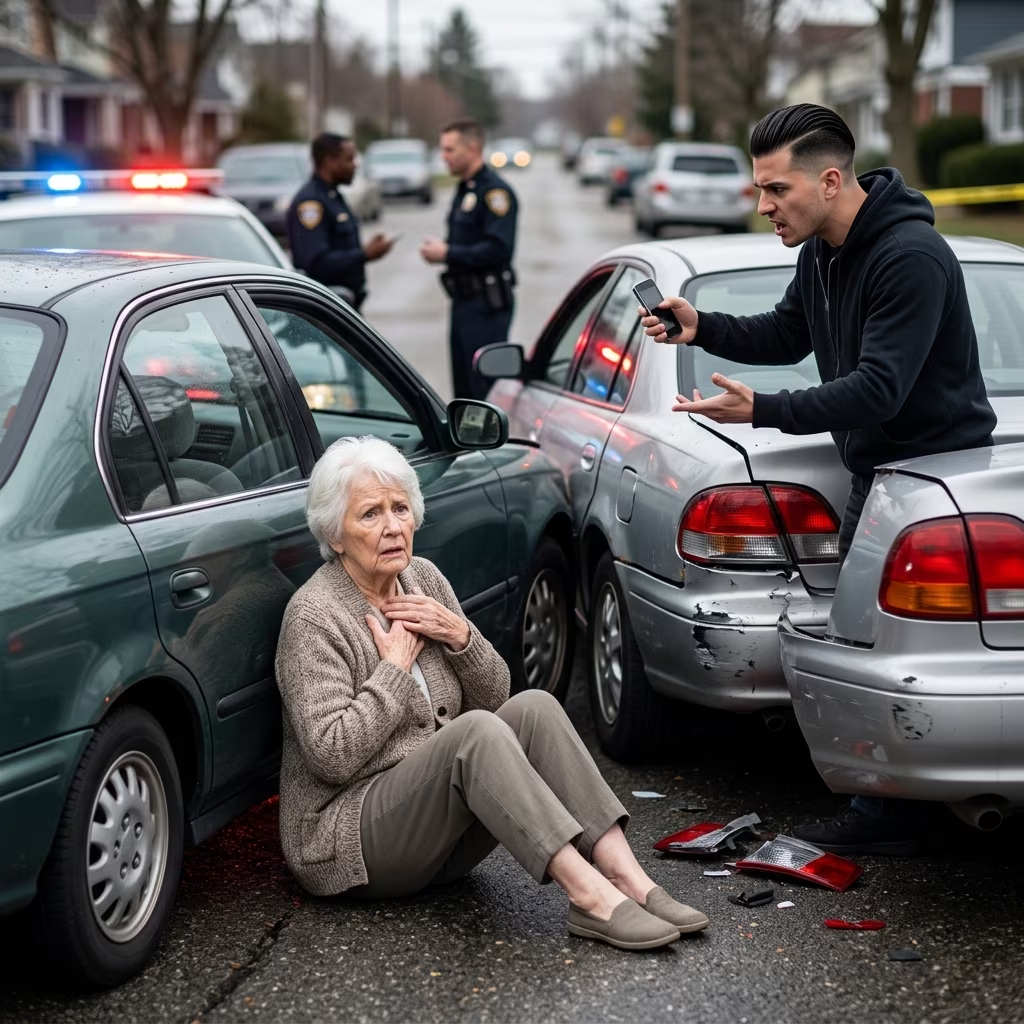
Across the United States, scammers are increasingly using staged car crashes to exploit older drivers, pressure them into paying cash, and sometimes commit insurance fraud in their names. These scams can be frightening, confusing, and costly, but understanding how they work is the first step toward staying safe.
This article explains how staged collision schemes operate, why seniors are frequently targeted, what warning signs to look for, and how to respond in a way that protects both your finances and your legal rights. It is inspired by law-enforcement and consumer-protection materials but is written as an original, practical guide.
What Is a Staged Car Crash Scam?
A staged car crash scam happens when one or more people deliberately cause or fabricate a vehicle collision, then accuse an unsuspecting driver of being at fault and demand immediate payment or falsely bill their insurance. In many cases, the goal is not only to get cash on the spot but also to file exaggerated or completely fake injury and damage claims.
Law-enforcement agencies and insurance fraud investigators have documented several common patterns:
- Engineered collisions: Scammers intentionally cause a minor crash—often a sudden stop or lane change—designed to make the other driver appear responsible.
- Invented accidents: Individuals claim an accident occurred when there was only a close call, or no contact at all, and insist you damaged their vehicle or injured them.
- False injury claims: After a minor impact, scammers pretend to be seriously hurt, sometimes adding extra passengers or “ghost victims” who were never at the scene.
- On-the-spot cash demands: Instead of exchanging insurance information and calling the police, scammers pressure you to pay immediately in cash, often threatening legal trouble if you refuse.
These incidents are often designed to happen quickly, in busy traffic or crowded parking lots, to make the targeted driver feel confused and unsure of what just happened.
Why Older Drivers Are Often Targeted
While anyone can be a victim, staged crash schemes frequently focus on older adults. Prosecutors and attorneys general note that scammers see seniors as especially vulnerable for a combination of social and financial reasons.
- Perceived reluctance to involve authorities: Many older drivers prefer to avoid conflict and may be hesitant to call the police or their insurance company, especially if someone is accusing them of wrongdoing.
- Fear of losing driving privileges: Some seniors worry that any accident might lead family members or doctors to question their ability to drive, making them more likely to agree to quick settlements to “make it go away.”
- Financial stability: Retirees with savings or home equity can be attractive targets because scammers assume they have funds available for immediate payment.
- Trust and politeness: Consumer protection offices report that older adults are often more trusting and less skeptical of strangers, particularly those who appear polite, helpful, or authoritative.
- Information overload: In a stressful situation—like a sudden collision—older drivers may find it harder to process fast, conflicting information, which scammers exploit by rushing decisions.
Families and caregivers are encouraged by authorities to discuss these kinds of frauds with older relatives and offer ongoing support when they face high-pressure situations involving money or liability.
Common Staged Collision Tactics
Staged crashes can take many forms, but certain patterns are seen repeatedly in insurance fraud investigations and safety advisories.
| Scam Pattern | How It Works | Typical Warning Signs |
|---|---|---|
| Sudden stop rear-end crash | The scammer brakes hard with no reason, causing the driver behind to hit them, then claims major damage or injuries. | Vehicle ahead stops in an odd place; scammers insist you are fully at fault and must pay immediately. |
| Lane squeeze or cut-off | A car speeds up to block a lane change or abruptly swerves, making contact seem unavoidable, then blames the victim. | Multiple passengers appear, some claiming injuries; pressure to skip police and settle on the spot. |
| Parking lot collision story | In a store lot, someone claims you backed into their vehicle or door, even if you never felt an impact. | Minor or no visible damage; insistence that you “must have” hit them and are legally responsible. |
| Phantom passenger scheme | Extra people later claim they were in the car and now have injuries, inflating insurance claims. | People you never saw at the scene appear in paperwork or bills; names not listed in the police report. |
| Cash-only settlement | Scammers refuse to share insurance details and demand cash or instant electronic payment to avoid “legal trouble.” | Refusal to call police; insistence on paying via wire transfer, gift cards, or other hard-to-trace methods. |
Sometimes these tactics are combined with other forms of fraud, such as staged medical treatment, fake repair bills, or aggressive calls from supposed “adjusters” demanding more money.
Red Flags Older Drivers Should Watch For
Recognizing the early signs of a staged crash scam can help you slow down, think clearly, and make safer decisions. Prosecutors and consumer protection authorities emphasize staying alert to the following warning signs.
- Pressure to avoid the police: The other driver urges you not to call law enforcement, claiming it will be “too much trouble” or saying they will “handle it privately.”
- Insistence on cash or untraceable payments: Demands for cash, prepaid cards, wire transfers, or mobile payment apps on the spot are a major red flag.
- Exaggerated or changing stories: The description of what happened becomes more dramatic over time, or contradicts what you saw and felt.
- Minimal visible damage but big claims: The vehicle shows little or no damage, yet the driver claims thousands of dollars in repairs or serious injuries.
- Refusal to share insurance information: The other party will not provide a policy number, company name, or driver’s license, and instead insists you are solely responsible.
- Unauthorized “helpers” at the scene: Strangers arrive quickly and push you toward specific tow trucks, repair shops, or lawyers, all of which can be part of an organized fraud network.
If several of these signs appear together, treat the situation as potentially fraudulent and follow safe response steps.
How Staged Crash Scams Can Affect You Legally and Financially
Staged crash scams are not harmless misunderstandings; they often involve serious criminal conduct and can have long-lasting consequences for victims and the broader community.
- Immediate financial loss: Cash paid on the spot is almost never recoverable, particularly when you have not involved the police or your insurance company.
- Higher insurance premiums: Fraudulent claims filed against your policy may lead to increased premiums or difficulties obtaining coverage in the future.
- Exposure to liability: Without a proper accident report and documentation, you may be blamed for damages or injuries you did not cause.
- Emotional distress: Older adults often experience anxiety, shame, or fear after being pressured or yelled at, which may discourage them from driving or seeking help.
- Broader impact on the system: Insurance fraud raises costs for all drivers and can strain law-enforcement resources.
Authorities emphasize that victims of fraud should not feel embarrassed or hesitant to report what happened. Reporting helps protect others and may support larger investigations into organized fraud rings.
Safe Steps to Take After Any Suspected Scam Crash
Even if you suspect an incident might be staged, treat it seriously and follow a calm, methodical process. Official guidance from prosecutors and senior safety programs includes several key actions.
1. Prioritize Safety and Health
- Move vehicles to a safe location if possible, without leaving the scene.
- Check for injuries and call emergency services if anyone appears hurt.
- Avoid arguments or physical confrontation; keep your distance if someone seems aggressive.
2. Call Law Enforcement
Authorities strongly recommend calling the police to document the incident, even if the other driver insists it is unnecessary.
- Dial the non-emergency or emergency number depending on severity.
- Explain briefly what happened and mention if you feel pressured or unsafe.
- Ask for a copy of the report or the report number for your records.
3. Document the Scene Thoroughly
Accurate documentation helps both law enforcement and your insurer assess what truly happened.
- Take photos of both vehicles, license plates, the road, and any visible damage.
- Write down the time, location, and weather conditions.
- Note the number of occupants in the other car and any apparent injuries.
- Collect names, phone numbers, and addresses of independent witnesses, if available.
4. Exchange Information, Not Cash
Standard procedure is to exchange insurance and contact information, not money.
- Provide your driver’s license and insurance details as required by law.
- Request the same from the other driver and photograph their documents if possible.
- Politely decline any demand to pay cash or transfer money immediately.
5. Contact Your Insurance Company Promptly
Insurance departments and attorneys general advise reporting accidents and suspected fraud to your insurer as soon as possible.
- Call the number on your insurance card once you are safe at home.
- Share all documentation and mention any concerns about possible staging or pressure tactics.
- Follow your insurer’s instructions for claims and investigations.
6. Consider Reaching Out to Legal or Consumer Protection Resources
Many state and local agencies provide dedicated help for older adults dealing with fraud or financial abuse.
- Local prosecutor or district attorney’s office often has elder fraud units and hotlines.
- State attorneys general typically offer senior safety guides and complaint procedures.
- Area Agencies on Aging and senior centers can connect you with legal aid and counseling services.
Preventive Tips for Seniors and Families
Preventing victimization is easier when older drivers and their families regularly discuss fraud risks and agree on simple personal rules. Consumer protection publications aimed at seniors emphasize proactive planning.
- Talk about scams in advance: Families can review different fraud scenarios—staged crashes, fake repair bills, high-pressure sales—and decide how the senior will respond.
- Set a “no cash on the spot” rule: Agree that you will never pay cash at an accident scene, regardless of what anyone says.
- Keep emergency contacts handy: Carry a card with numbers for family members, your insurance company, and a trusted mechanic or attorney.
- Practice saying no politely: Simple phrases like “I will wait for the police” or “My insurance company will handle this” can help you stand firm under pressure.
- Review driving routes and habits: If possible, avoid areas known for heavy fraud activity or chaotic traffic patterns.
- Consider defensive driving courses: Many communities offer classes designed for older adults to refresh skills and build confidence behind the wheel.
Family support is critical. Experts encourage relatives not to criticize or blame seniors who have been targeted, but instead to offer calm help, review options, and contact appropriate agencies when needed.
Frequently Asked Questions
Are staged car crash scams illegal?
Yes. Deliberately causing accidents, faking injuries, and filing false insurance claims can involve multiple crimes, including fraud, insurance fraud, and sometimes assault or reckless driving. Law-enforcement agencies treat these incidents seriously and may investigate them as part of organized crime or fraud rings.
What if I am not sure whether the crash was staged?
You do not need to decide at the scene whether a crash is genuine or staged. Focus on safety, call the police, document the event, and report it to your insurer. Investigators and adjusters can later assess whether the evidence suggests fraud.
Can I be punished if I accidentally pay scammers?
Victims of fraud are generally not punished for being deceived. However, paying cash may make it harder to prove what happened and to get your money back. You should still report the incident, even if you already paid.
How can I help my parents or grandparents avoid these scams?
Talk regularly with them about different fraud schemes, encourage them to call you whenever something feels rushed or confusing, and assure them you are available to help review any demands for money. Sharing safety guides from government agencies can also be useful.
Is it safe to buy car insurance or legal help from people who approach me after a crash?
Be cautious. Some individuals who show up at crash scenes or contact you immediately afterward may be part of a fraud network. Always verify professionals through trusted channels—such as your existing insurer, state bar directories, or referrals from known organizations—rather than accepting unsolicited offers.
References
- Mayores de Edad Manténganse Alerta por Estafa de Accidentes Falsos — Los Angeles County District Attorney. 2024-03-15. https://da.lacounty.gov/community/fraud-alerts/accidentes-falsos
- Ancianos Inteligentes (Smart Seniors Guide) — New York State Office of the Attorney General. 2018-06-01. https://ag.ny.gov/sites/default/files/smart_seniors_sp.pdf
- Su familia y la ley: Esté alerta ante las estafas desatadas por ladrones que se aprovechan de las personas mayores — MyPhillyLawyer. 2010-06-22. https://www.myphillylawyer.com/es/2010/06/22/su-familia-y-la-ley-esten-en-guardia-contra-las-estafas-desencadenadas-por-ladrones-que-se-aprovechan-de-las-personas-mayores/
- Las estafas de accidentes están al acecho — ESET WeLiveSecurity. 2015-04-30. https://www.welivesecurity.com/la-es/2015/04/30/estafas-accidentes-al-acecho/
- 10 estafas comunes dirigidas a adultos mayores — Tulare County Health & Human Services Agency. 2016-08-12. https://www.facebook.com/TulareCountyHHSA/posts/989685783349371/