
Fake Government Grant Scams: 5 Red Flags To Spot
Learn how to recognize and avoid scams that misuse government agency names to promise fake grant money.
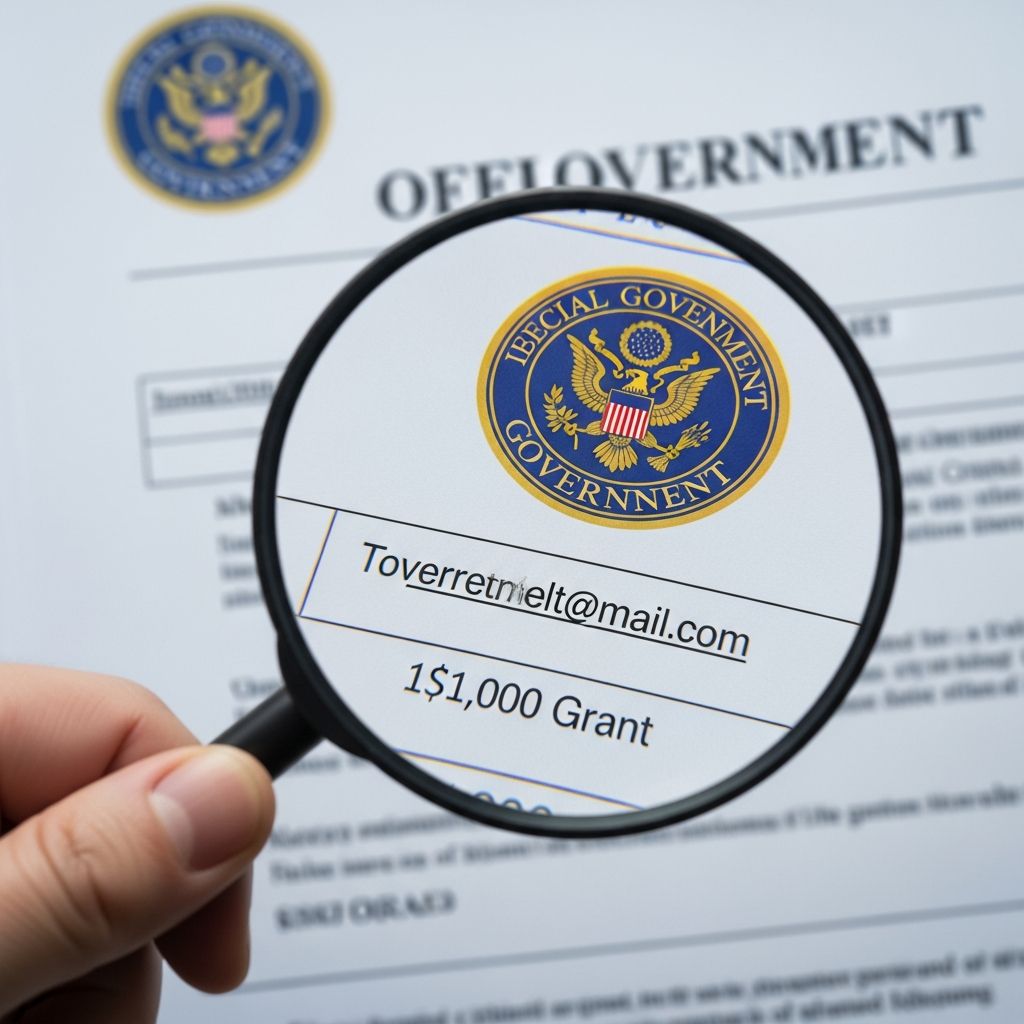
Scammers increasingly pretend to be from federal agencies and promise people “free grant money” or emergency funds. These scams often misuse the names of trusted agencies, such as the U.S. Department of Health and Human Services (HHS), to make their stories sound believable. Understanding how real government grants work—and how scammers twist that reality—is essential to protecting your money and your personal information.
Why Scammers Pretend to Offer Government Grants
Government grants are real, but they rarely look anything like the offers that show up in unexpected calls, texts, or social media messages. Most legitimate federal grants go to organizations, state or local governments, universities, and nonprofits—not directly to individuals for personal expenses.
Scammers exploit three powerful ideas:
- Trust in government agencies – Using names like HHS, the Treasury, or FEMA makes the pitch sound official.
- Financial stress – People facing bills, medical debt, or emergency costs may be especially vulnerable to promises of quick relief.
- Urgency and confusion – Scammers often claim that money is available only for a short time or tied to a new program that people have not heard about yet.
How Real Government Grants Work
Knowing how legitimate grants operate makes it easier to see when something is off. In general, real grants from U.S. federal agencies share these features:
- You must apply for them – Agencies do not randomly choose private individuals and send them money without an application.
- They are listed on official websites – For example, federal competitive grants are posted on official .gov sites, not on personal social media profiles or private messages.
- They target specific purposes – Funds usually support research, public health programs, infrastructure, and similar projects, not general personal spending.
- No upfront payment to receive funds – You do not pay “processing fees,” “release fees,” or “taxes” up front to access legitimate grant money.
- Communication comes through formal channels – Genuine agencies use official contact methods, documentation, and clear program information, not casual chats or text abbreviations.
Common Tactics in Fake Grant Money Pitches
Scammers follow familiar patterns. Understanding these tactics can help you identify fraud before you lose money or share personal information.
1. Unsolicited Contact Out of the Blue
One of the clearest red flags is when someone contacts you to offer a grant you never applied for. Scammers might:
- Call and say you were “selected” for a government grant.
- Send texts claiming you qualify for new federal assistance.
- Message you on social media, sometimes from an account pretending to be a friend or relative.
Legitimate agencies do not cold-call individuals to award them surprise grant money.
2. Misusing the Names of Real Agencies
Fraudsters often pose as officials from well-known agencies, for example:
- “U.S. Department of Health and Human Services (HHS)”
- “Federal Grants Administration” (an office that does not exist)
- “Treasury” or similar-sounding financial offices
Imposters may also spoof caller ID to display what appears to be a government phone number or use logos and seals in emails that look official at a glance.
3. Promises of “Free Money” for Personal Use
Many fake offers emphasize that you can spend the money however you want, including:
- Paying off credit card debt or medical bills
- Home repairs or upgrades
- Everyday living expenses and personal purchases
Federal grants rarely work this way. According to official guidance, grants are typically awarded to institutions for defined projects, with strict rules on how funds are used and documented.
4. Demands for Upfront Payment
Almost all fake grant schemes eventually reach the same point: you are asked to send money before receiving anything. Scammers may claim the payment covers:
- Application or processing fees
- Transfer or release charges
- Taxes or “verification” costs
They often insist on hard-to-trace methods:
- Gift cards or pre-paid cards
- Wire transfers or peer-to-peer payment apps
- Cryptocurrency transactions
Government agencies do not require you to pay a fee to receive a grant, and they do not demand payment by gift card, wire transfer, or cryptocurrency.
5. Requests for Sensitive Personal Information
Another warning sign is pressure to hand over personal details under the pretense of confirming eligibility or setting up a payment. Scammers may ask for:
- Your Social Security number
- Full bank account and routing numbers
- Online banking login credentials
Once they have this information, criminals can steal your identity or drain your accounts. Official guidance from HHS and other agencies warns never to share financial or sensitive data with unknown callers or unsolicited contacts.
Key Warning Signs at a Glance
| Red Flag | Why It Signals a Scam |
|---|---|
| Offer appears suddenly; you never applied | Legitimate grants require a formal application; agencies do not pick random individuals for surprise awards. |
| Claim that the grant is from a well-known agency but outreach is via text, social media, or personal email | Government agencies generally use official contact channels and do not rely on casual or private messaging to award grants. |
| Request for upfront fees or payment by gift card, wire, or crypto | Government programs do not make you pay to receive money, and they never require these payment methods. |
| Promise of unrestricted “free money” for personal bills | Most federal grants go to organizations and have strict use requirements, not open-ended personal spending. |
| High-pressure tactics and threats of losing the offer | Scammers want you to act quickly before you can verify the information or talk to a trusted source. |
How to Verify a Grant Offer Safely
If you receive a message about a supposed government grant, pause before responding. Take these steps to check whether it is legitimate:
- Ask yourself if you applied – If you did not submit an application, any “award” is almost certainly fraudulent.
- Use official websites – Visit trusted .gov sites directly by typing the address into your browser. For federal programs, USAGov and Grants.gov are starting points for learning about real grants and financial assistance.
- Verify contact information – Look up agency phone numbers or emails independently, not from the message you received. Call or write using those official details.
- Refuse to share financial or identity data – Do not disclose bank account numbers, Social Security numbers, or login credentials to unsolicited callers or messages.
- Talk to a trusted advisor – Consult a knowledgeable friend, family member, or local consumer protection office before sending money or documents.
What to Do if You Already Paid or Shared Information
If you realize you have responded to a fake grant offer, act quickly. Certain steps may reduce the damage and help authorities track the scam.
- Contact your bank or card issuer – If you gave bank or credit card details, immediately notify the financial institution and ask about fraud protections and account monitoring.
- Reach out to the payment company – For gift cards, wire transfers, or crypto, contact the company you used and report the transaction as fraudulent. While recovery is not guaranteed, some transfers can be blocked if you act fast.
- Watch your credit – If you shared Social Security or other identity details, consider placing fraud alerts or credit freezes and monitoring your credit reports for unusual activity.
- Change passwords – If you gave online login information, update passwords immediately and enable multifactor authentication where possible.
How and Where to Report Fake Grant Scams
Reporting scams helps enforcement agencies track patterns and warn others. Helpful options include:
- Consumer protection and fraud hotlines – Federal offices, inspectors general, and law enforcement maintain channels to receive reports of government impersonation and financial fraud.
- State and local consumer agencies – Your state attorney general or local consumer protection office may investigate and publish alerts about regional scams.
- Social media and platform reporting tools – If the pitch came through social media, block the account and use the platform’s reporting features to flag fraud.
When filing a report, include as many details as you can, such as the phone number or email used, screenshots of messages, payment receipts, and any names or titles the scammer claimed to have.
Practical Tips to Stay Safer in the Future
Scams change, but some habits consistently lower your risk:
- Be skeptical of anything that sounds too good to be true – Especially when it involves unexpected money from the government.
- Limit what you share online – Public posts about financial struggles can make you a target for imposters promising quick help.
- Educate friends and family – Talk about common scams with older relatives, new graduates, or anyone who might be contacted with fake offers.
- Check messages carefully – Look for spelling errors, strange phrasing, or mismatched email addresses that suggest a message is not from an official source.
- Use caller ID cautiously – Since numbers can be spoofed, do not rely only on what appears on your screen to decide if a call is real.
Frequently Asked Questions About Fake Grant Offers
Q1: Does HHS ever call or message people to offer free grant money?
No. Guidance from HHS and other agencies explains that federal grants almost always require a formal application and are usually awarded to organizations, not to individuals for personal expenses. Agencies do not contact people unexpectedly to give them free money or ask them to pay fees for a grant.
Q2: Is it ever legitimate to pay a fee to receive a government grant?
No. You do not pay processing, application, or release fees to get a real federal grant. Any request for money—especially by gift card, wire transfer, or cryptocurrency—in exchange for receiving a grant is a warning sign of a scam.
Q3: What if the caller knows personal details about me?
Scammers often gather names, addresses, or other data from public records, social media, or previous breaches. Knowing some facts about you does not make the offer legitimate. Always verify directly with the agency using contact information obtained from an official .gov site, not from the caller or message itself.
Q4: Are there real programs that help with bills or emergencies?
Yes, but they are typically structured as assistance or benefit programs rather than no-strings-attached grant money. Information about genuine aid—such as housing, health, or disaster assistance—is available through official government portals that clearly explain eligibility, application steps, and do not require you to pay upfront to receive help.
Q5: How can I help someone who might be falling for a fake grant offer?
Encourage them to pause and not send any money or documents. Offer to look up the agency’s official contact details, check relevant .gov websites together, and explain the warning signs of government impersonation scams. If they have already paid or shared information, urge them to contact their bank and report the scam to appropriate authorities as soon as possible.
References
- Avoiding Government Grant Scams — U.S. Department of Transportation. 2022-08-18. https://www.transportation.gov/rural/grant-toolkit/funding-and-financing/avoiding-scams
- Government Grant Scams — Federal Trade Commission, Consumer Advice. 2023-05-10. https://consumer.ftc.gov/articles/government-grant-scams
- How to Tell If a Government Grant Offer Is a Scam or Legitimate — SCORE Association. 2023-02-14. https://www.score.org/resource/blog-post/how-tell-if-a-government-grant-offer-a-scam-or-legitimate
- Government Grant Scams — eFraud Prevention. 2022-06-01. https://efraudprevention.com/security/Government_grant_scams.html
- Government Grant Scams — AARP Colorado. 2023-01-20. https://states.aarp.org/colorado/government-grant-scams
- Fraud Alerts — U.S. Department of the Treasury, Office of Inspector General. 2023-07-12. https://oig.treasury.gov/fraud-alerts
- Avoid “Free Money” from the Government Scams — USAGov. 2023-09-05. https://www.usa.gov/no-free-money
- Avoid Grant Scams — U.S. Department of Health and Human Services. 2023-03-01. https://www.hhs.gov/grants-contracts/grants/avoid-grant-scams/index.html
Similar Articles








Read full bio of Sneha Tete


