
Spotting Credit Card Interest Rate Scams
Learn how to recognize fake offers to lower your credit card interest rate, avoid costly traps, and safely pursue real ways to reduce your costs.
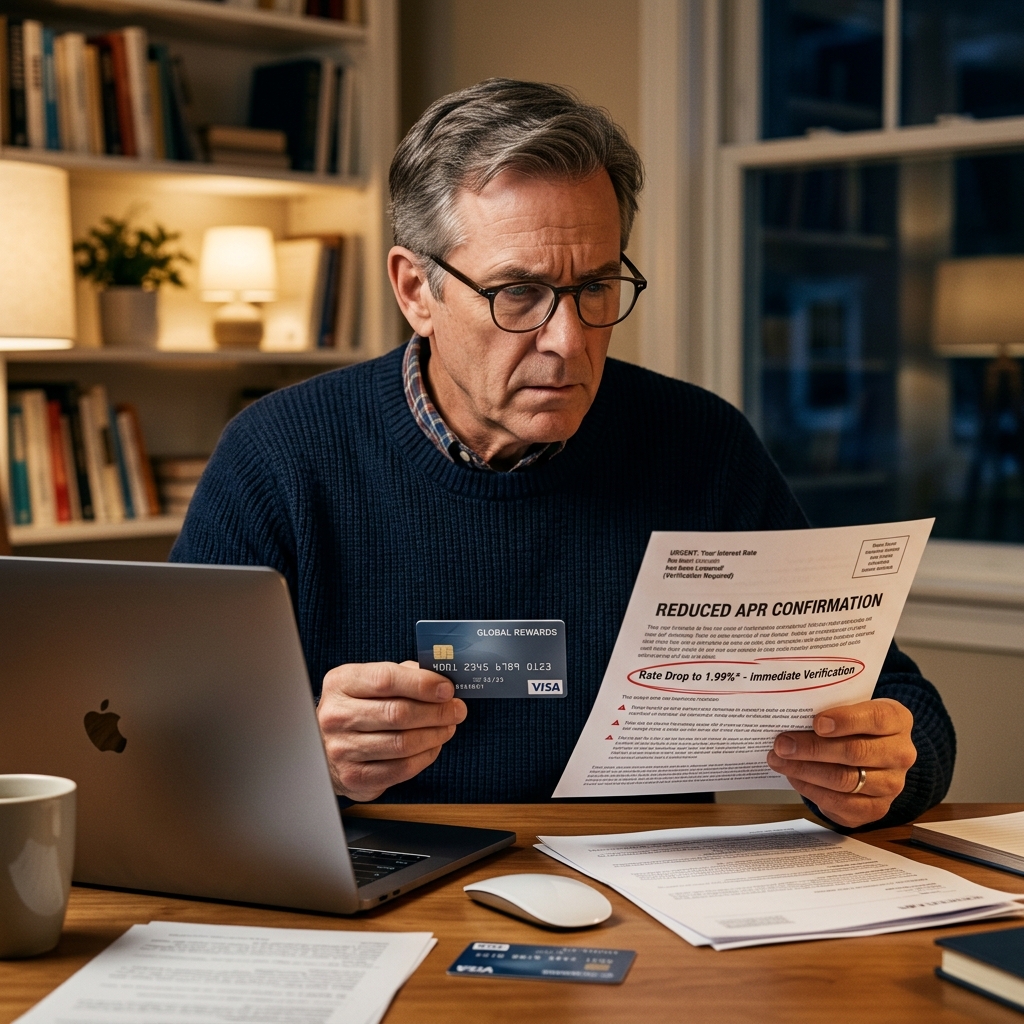
Unsolicited phone calls and messages promising to reduce your credit card interest rate can sound like a financial lifeline, especially if you are carrying a balance from month to month. But many of these offers are fraudulent schemes designed to collect upfront fees and sensitive personal information without providing the promised savings. Understanding how these scams work and how legitimate interest rate reductions really happen is essential to protecting your money and your identity.
Why Interest Rate Reduction Scams Are So Common
Credit card balances are widespread, and many people pay high annual percentage rates (APR). This makes the promise of a dramatically lower interest rate very attractive to consumers. Fraudsters exploit this vulnerability by targeting people who are stressed about debt, behind on payments, or simply eager to save money.
In investigations into interest rate reduction schemes, consumer protection agencies have found that people who pay for these services often do not receive the advertised interest rate cuts or the predicted savings. Instead, they lose money to upfront fees and face increased risk of identity theft when they disclose card and Social Security numbers to strangers.
Typical Tactics Used in Interest Rate Scams
While scammers constantly adjust their scripts, several common tactics appear in many credit card interest rate reduction scams. Recognizing these tactics quickly helps you end the contact before harm occurs.
- Unsolicited contact: You receive a call, text, or email out of the blue claiming to come from “card services” or a company that works with major credit card issuers.
- Promises of dramatic savings: The caller says they can cut your interest rate by half or more, or save you thousands of dollars, often with very little effort on your part.
- Upfront fees: They demand payment before they negotiate with your card issuer, sometimes hundreds or even thousands of dollars.
- High-pressure deadlines: You are told you must act immediately because the offer is “limited time” or about to expire.
- Requests for sensitive data: They ask for your full credit card number, expiration date, security code, bank account information, or Social Security number to “verify your account” or “secure the lower rate.”
- Robocalls and transfer to live agents: The contact often begins as a prerecorded message inviting you to press a number to speak to a live representative, which is a frequent pattern in illegal telemarketing scams.
According to federal consumer protection guidance, it is illegal for debt relief companies to charge upfront fees before they have actually delivered any services to reduce your debt or interest rate. Any caller asking for payment before demonstrable results is a major red flag.
Key Warning Signs: When an Offer is Almost Certainly a Scam
Not every communication about your account is fraudulent, but the combination of several warning signs should lead you to end the conversation immediately. Watch especially for the following indicators.
1. Unexpected Offers and Generic Company Names
Scam calls often use vague names like “cardholder services” or “interest rate department” rather than the official name of your bank or issuer. If you did not request help and you do not recognize the company, treat the offer as suspicious. Genuine rate changes are usually communicated through secure channels such as your online account, official statements, or direct mail with clear branding from your card issuer.
2. Upfront Payment Requests
Under federal law, debt relief services cannot collect fees before reducing or settling your debts. A request for a one-time fee, a “processing charge,” or a “program enrollment cost” to begin negotiations is a strong sign of a scam. Legitimate assistance from credit counseling organizations typically involves transparent fees billed over time, and many resources are available at low or no cost.
3. Pressure to Act Immediately
Scammers rely on urgency to stop you from checking facts or comparing options. They may say:
- The promotional rate will expire in hours or days.
- Your account is at risk unless you respond now.
- This is a once-in-a-lifetime opportunity.
Legitimate financial institutions do not require instant decisions over the phone and will allow time to review documents, ask questions, and call back through verified contact numbers.
4. Requests for Full Account and Identity Details
Any caller who asks for your entire card number, CVV security code, or Social Security number during an unsolicited call should be considered unsafe. Security experts emphasize that sharing these details can enable unauthorized transactions or new accounts opened in your name.
If a caller claims to be from your bank, hang up and call the number printed on the back of your card or on your statement. Only discuss your account through trusted channels that you initiate.
How to Respond Safely When You Get a Suspicious Call
Knowing what to do in the moment is just as important as recognizing the warning signs. A calm, structured response reduces risk and keeps you in control.
| Situation | Recommended Action |
|---|---|
| You receive an unsolicited robocall offering lower rates. | Hang up immediately. Do not press any number to speak to an agent or opt out, as this can lead to more spam calls. |
| A live caller pressures you for your card or Social Security number. | Refuse to provide information. End the call, then contact your card issuer directly using the official phone number. |
| The caller requests a fee before any work is done. | Decline the offer. Note the phone number and report the contact to relevant authorities. |
| You suspect your data may already have been exposed. | Review statements, consider fraud alerts or credit freezes, and contact the Federal Trade Commission if identity theft is involved. |
Legitimate Ways to Lower Your Credit Card Interest Rate
While many unsolicited offers are scams, there are legitimate methods to seek a lower interest rate. Consumer credit experts and major credit bureaus recommend contacting your card issuer directly and negotiating based on your account history.
1. Call the Number on the Back of Your Card
Your card’s customer service line is the safest starting point. Explain that you would like a lower APR and briefly describe why, such as improved payment history or competing offers from other card companies.
When you call:
- Have your account information and recent statements on hand.
- Be prepared to highlight on-time payments and long-term loyalty.
- Ask whether there are promotional rates or hardship programs for which you qualify.
2. Negotiate Based on Your Credit Profile
Issuers are more likely to offer lower rates to customers who have demonstrated reliability and strong credit. Guidance from credit reporting organizations suggests that you may have more leverage if:
- Your credit score has improved since you opened the card.
- You have avoided late payments and over-limit charges.
- You carry balances but pay more than the minimum regularly.
If the issuer cannot grant a permanent reduction, ask whether a temporary lower rate is available. Even a modest reduction for a year can meaningfully lower interest costs if you use the period to pay down your balance.
3. Compare Other Options Carefully
If negotiation does not result in a better rate, you may consider other tools, such as balance transfer offers from reputable banks or structured repayment plans through nonprofit credit counseling agencies. Always read terms closely and make sure any fees do not outweigh the savings in interest.
Protecting Yourself from Ongoing Scam Activity
Beyond responding to individual calls, you can take broader steps to reduce your exposure and strengthen your defenses against fraud.
Manage Phone and Communication Settings
- Use call screening tools: Many phone carriers provide features that flag suspected spam or robocalls. Use these tools to block numbers that appear repeatedly.
- Register for do-not-call protections: Adding your number to official do-not-call lists helps distinguish illegal sales calls from legitimate ones, since reputable businesses will avoid calling registered numbers without prior permission.
- Be cautious with email and text links: Never click on links or open attachments from messages claiming to offer instant interest rate reductions. Visit your issuer’s website by manually typing the address or using the official app.
Monitor Your Accounts and Credit Reports
Staying informed about your accounts is one of the best defenses against fraud. Authorities recommend regularly reviewing bank and card statements and checking your credit reports for unfamiliar accounts or inquiries.
If you suspect that your information has been compromised:
- Alert your card issuer immediately and request new card numbers if needed.
- Consider placing a fraud alert or credit freeze with major credit bureaus, which can make it harder for identity thieves to open new accounts in your name.
- Document all steps and keep copies of communications for future reference.
Reporting Suspected Scams
Reporting fraudulent calls and schemes helps enforcement agencies identify patterns and shut down operations. Consumer protection organizations encourage victims and targets alike to file complaints, even if no money was lost.
When you report, try to include:
- The phone number that called you and any numbers you were asked to call back.
- The name of the company as stated during the call.
- Any amounts or payment methods requested.
- Details of what the caller promised and what information they requested.
Making a report can also help you receive guidance on next steps, especially if you may have disclosed personal data or paid money.
Frequently Asked Questions
Are all offers to lower my interest rate scams?
No. Your card issuer may legitimately offer lower promotional rates or permanent APR reductions. The difference is that legitimate offers usually come directly from your bank or card company through secure channels, and they do not require paying a separate organization upfront. Unsolicited third-party offers, especially via robocalls, warrant skepticism.
Is it ever safe to share my card number over the phone?
It is safest to avoid sharing your full card number with anyone who contacts you unexpectedly. If you must provide information, initiate the call yourself using a verified phone number printed on your card or statement, and only share details with confirmed representatives of your issuer.
What should I do if I already paid a fee to a supposed rate reduction service?
If you paid a company that did not deliver the promised interest rate reduction, contact your card issuer and your bank to discuss options for disputing the charge. Then, report the company to federal consumer protection authorities so they can investigate.
Can nonprofit credit counseling help without being a scam?
Yes. Many nonprofit credit counseling organizations provide budgeting assistance and debt management plans. These organizations are different from fraudulent rate reduction schemes because they disclose fees clearly, do not demand large upfront payments to secure a specific interest rate, and often work with creditors in standardized ways.
How often should I try to negotiate my APR?
Guidance from credit experts suggests that if your request is denied, you can try again after several months, especially if your payment record or credit score has improved. There is no penalty for asking, and periodic negotiations can lead to meaningful savings over time.
References
- Say “no, thanks” to unexpected offers to lower your credit card interest rate — Federal Trade Commission. 2026-04-04. https://consumer.ftc.gov/consumer-alerts/2026/04/say-no-thanks-unexpected-offers-lower-your-credit-card-interest-rate
- Credit Card Interest Rate Reduction Scams — Federal Trade Commission via GovInfo. 2010-08-01. https://www.govinfo.gov/content/pkg/GOVPUB-FT-PURL-gpo17932/pdf/GOVPUB-FT-PURL-gpo17932.pdf
- How to Avoid Credit Card Interest Rate Scams — AARP. 2023-10-23. https://www.aarp.org/money/scams-fraud/credit-card-interest-rates/
- Protect Yourself from Credit Card Interest Rate Scams — Marion County Senior Center. 2024-02-15. https://marionseniors.org/protect-yourself-from-credit-card-interest-rate-scams/
- How to Negotiate a Lower Interest Rate on Your Credit Card — Experian. 2023-06-06. https://www.experian.com/blogs/ask-experian/can-i-negotiate-a-lower-interest-rate-on-my-credit-card/
- How to Avoid Credit Card Scams — University of Michigan Credit Union. 2023-11-01. https://www.umcu.org/learn/resources/blogs/how-to-avoid-credit-card-scams
Similar Articles








Read full bio of Sneha Tete




