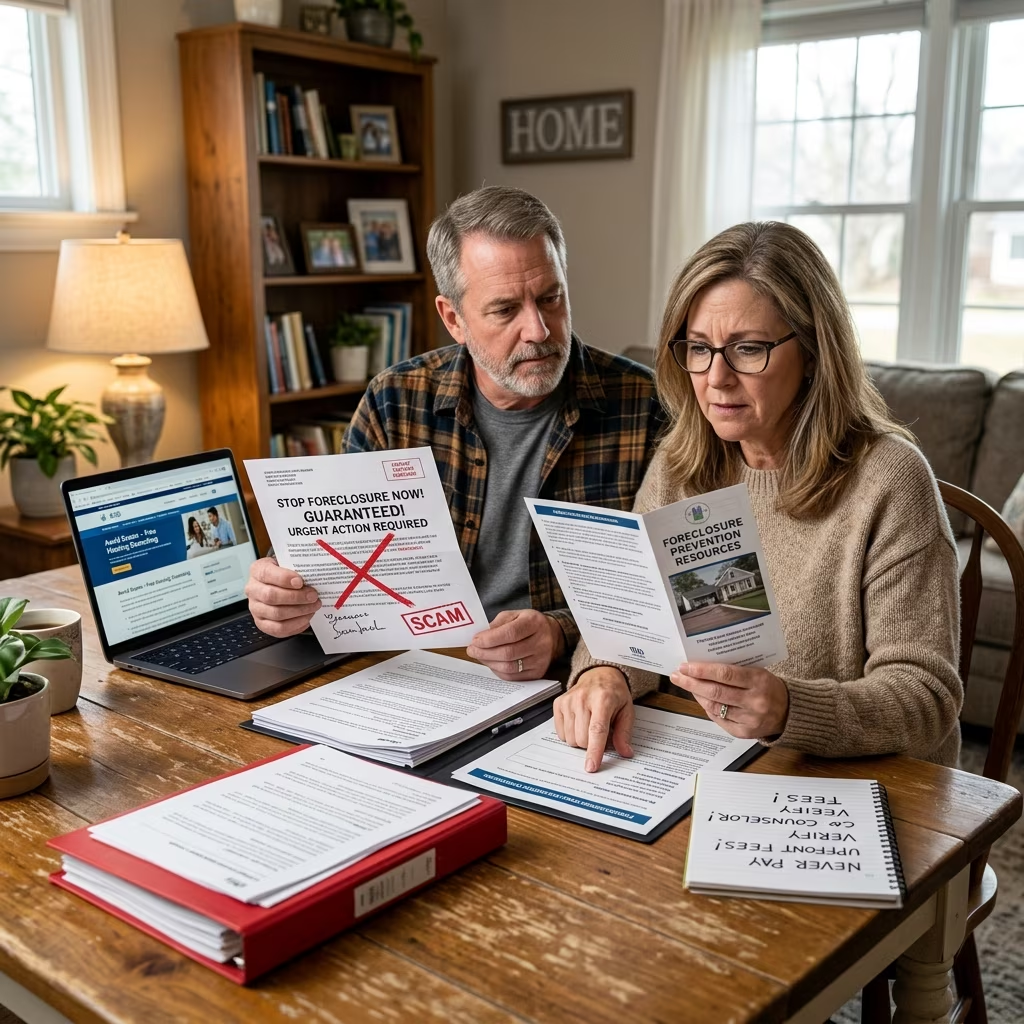
Homeowners who fall behind on mortgage payments are often overwhelmed and afraid of losing their homes. That fear makes them prime targets for foreclosure rescue scams, schemes in which fraudsters promise to save the home but instead strip away equity or ownership and leave the homeowner worse off.
This guide explains how these scams work, the typical warning signs, and practical steps to protect yourself and your home using reliable, lawful help.
Understanding Foreclosure Rescue Scams
A foreclosure rescue scam is a fraudulent offer of help to a homeowner who is behind on mortgage payments or facing a foreclosure sale. Scammers present themselves as consultants, investors, or housing experts and claim they can stop foreclosure, lower payments, or negotiate special deals with the lender. In reality, they usually charge high fees, manipulate legal documents, or take control of the home’s title.
While individual scams vary, they share two core features:
- Targeting vulnerable homeowners who are in default or close to default.
- Offering fast, guaranteed solutions that sound better than the options available from the lender or government programs.
Most of these schemes end with the homeowner losing money, losing the home, or both.
Common Types of Foreclosure Rescue Schemes
Fraudsters use several patterns to exploit distressed homeowners. Recognizing these structures makes it easier to spot danger early.
1. Lease-Back or Buy-Back Title Theft
In a lease-back or buy-back scheme, a supposed “investor” offers to pay off the delinquent mortgage. In exchange, the homeowner is asked to transfer title to the investor, often described as temporary collateral.
- The homeowner is told they can stay in the property as a renter and buy it back later.
- The home’s title is transferred, and the investor arranges new financing or uses a straw borrower.
- Sale proceeds pay off the old mortgage, but the homeowner receives little or none of their equity.
- The new loan later defaults, and the homeowner faces eviction without ownership or equity.
These schemes are especially harmful because they often appear to be legitimate real estate transactions.
2. Upfront Fee Loan Modification “Consultants”
Another frequent scam involves a company or individual promising guaranteed loan modification or foreclosure prevention services in exchange for substantial upfront fees.
- They claim special connections to lenders or government programs.
- Homeowners are told not to contact their lender and to route communication through the consultant.
- They charge large fees before any services are provided, often prohibited by law in many jurisdictions.
- They may submit weak or incomplete paperwork, do nothing at all, or disappear entirely.
In many places, charging advance fees for foreclosure prevention or mortgage modification services is illegal, and legitimate housing counselors typically do not require upfront payment.
3. Fake Legal or Bankruptcy Services
Some scammers present themselves as legal professionals or bankruptcy experts and promise that they can use court filings to stop foreclosure permanently. They may misuse bankruptcy petitions or legal forms to delay foreclosure just long enough to collect fees.
While bankruptcy can be a lawful way to address debt in some situations, fraudsters may:
- File incomplete or frivolous bankruptcy cases without explaining the long-term consequences.
- Fail to appear in court or follow through on the case.
- Charge high fees for services they are not qualified to provide.
If a person offering foreclosure help pushes you into bankruptcy without discussing alternatives or your broader finances, treat that as a serious warning sign and seek independent legal advice.
Key Warning Signs of a Foreclosure Rescue Scam
Most scams share a similar set of red flags. If you see one or more of these signs, step back and verify the situation before signing anything or paying any money.
- Guarantees to “save” your home or get a modification. No legitimate organization can guarantee specific results with your lender or a government program.
- Requests for upfront fees before any work is performed, especially for foreclosure prevention or loan modification services.
- Pressure to stop contacting your lender. Scammers often tell homeowners to ignore letters or calls from the mortgage servicer, isolating them from accurate information.
- Advice to stop making mortgage payments while a third party negotiates. This can quickly lead to deeper default and make lawful solutions more difficult.
- Demands to sign over the deed or other property documents with limited explanation, often combined with promises that you can still remain in the home as a renter.
- Complicated documents you are not allowed to read fully or are pressured to sign immediately.
- Unsolicited offers through mailers, phone calls, flyers, or door-to-door visits targeted specifically at homeowners in default.
- Requests to pay your mortgage to someone other than your lender. This is a strong indicator of fraud; the scammer simply keeps the funds.
Any combination of these red flags warrants caution and independent verification.
How Legitimate Help Differs from Scams
Real assistance for homeowners in financial distress looks very different from the behavior of scammers. Understanding the contrast will help you choose safer options.
| Legitimate Assistance | Foreclosure Rescue Scam |
|---|---|
| Encourages direct communication with your lender and explains your rights. | Tells you to ignore lender letters and let them “handle everything.” |
| Does not guarantee outcomes; discusses options and likely scenarios. | Promises to stop foreclosure or secure specific terms no matter what. |
| Charges reasonable or no fees, often after services are provided; many HUD-approved counselors are free or low-cost. | Demands large upfront payments before doing any work. |
| Provides clear written agreements and encourages you to read and review documents. | Uses complex documents, rushes you to sign, or leaves terms blank. |
| Never asks you to transfer your title unless you are knowingly selling or pursuing a documented workout with the lender. | Insists on deed transfer as a condition for “help” or refinancing. |
Safe Steps to Take If You’re Facing Foreclosure
If you are behind on your mortgage or have received foreclosure notices, there are constructive actions you can take that do not involve risky third-party promises.
Contact Your Lender Early
The mortgage servicer is usually your most important contact. Many servicers offer loss mitigation options such as repayment plans, temporary forbearance, or loan modifications for borrowers who act early.
- Respond promptly to all letters and calls from your lender.
- Explain your financial situation honestly, including income changes and expenses.
- Ask about available hardship programs or modification options.
- Keep copies of all communications and documents for your records.
Ignoring lender notices only limits your options and may accelerate foreclosure.
Seek HUD-Approved Housing Counseling
Housing counselors approved by the U.S. Department of Housing and Urban Development (HUD) are trained to help homeowners evaluate their options and communicate effectively with lenders.
- Counselors can help you prepare budgets and hardship letters.
- Many offer free or low-cost services.
- They can assist with applications for government-backed modification programs when available.
You can locate a HUD-approved housing counseling agency through official HUD resources or by phone.
Consult a Qualified Attorney
Legal advice is particularly important if you suspect you have already been targeted by a scam, signed documents you do not fully understand, or transferred your property under pressure.
- An attorney can review contracts and deeds for signs of fraud.
- They can explain federal and state laws that may allow you to cancel fraudulent transfers or seek damages.
- Legal aid organizations may provide free or low-cost representation to eligible homeowners.
Do not delay seeking legal help if you believe a scammer has taken your title or charged unlawful fees.
If You Suspect You Are a Victim
Being drawn into a foreclosure rescue scheme can be frightening, but you may have legal rights and options. Acting quickly improves the chances of limiting harm.
Document Everything
Gather all written materials and evidence related to the scheme:
- Contracts, deeds, and any other documents you signed.
- Emails, text messages, and letters from the company or individual.
- Records of payments, including bank statements and receipts.
Provide these materials to your attorney or legal aid office so they can assess the situation thoroughly.
Report the Scam to Authorities
Government agencies use homeowner reports to identify patterns of fraudulent activity and pursue enforcement.
- Consumer Financial Protection Bureau (CFPB) — Accepts consumer complaints about mortgage and financial services and can forward issues to regulators or companies.
- Federal Trade Commission (FTC) — Investigates and enforces against deceptive practices, including foreclosure and loan modification scams.
- State Attorney General — Many states, such as California and New York, have specific consumer protection and housing units that address foreclosure-related fraud.
Reporting may not solve your individual case immediately, but it can support broader enforcement and help protect other homeowners.
Explore Legal Remedies Under State Law
Some states have laws specifically designed to address home equity theft and fraudulent foreclosure rescue transactions. For example, New York’s Home Equity Theft Protection Act (HETPA) and related real property laws offer rights to cancel fraudulent sales and sue for damages and attorney’s fees in certain cases.
A local attorney or legal aid program can advise you about applicable laws in your jurisdiction, deadlines for taking action, and possible remedies such as rescinding a deed or recovering losses.
Practical Tips to Protect Your Home and Equity
You can reduce the risk of being victimized by adopting several protective habits when dealing with anyone offering foreclosure-related help.
- Never sign documents you do not fully understand. Ask questions and seek independent advice before signing any deed or contract.
- Keep control of your mortgage payments. Always pay your lender or servicer directly, not a third party claiming to forward payments.
- Verify credentials. Look up professionals through state licensing boards, bar associations, or official counselor directories before hiring them.
- Beware of high-pressure tactics. If someone insists you decide immediately or tells you that you will lose your home unless you sign now, step away and seek neutral advice.
- Use official channels for help. Contact HUD-approved counselors, nonprofit housing organizations, or legal aid for trusted guidance.
Combining these practices with timely communication with your lender creates a stronger defense against fraudulent actors.
Frequently Asked Questions about Foreclosure Rescue Scams
Are all foreclosure assistance companies fraudulent?
No. Some organizations provide lawful and useful services to distressed homeowners. However, legitimate providers do not guarantee outcomes, typically avoid charging large upfront fees, and encourage ongoing contact with your lender. Always verify credentials and seek references before working with any company.
Can paying a third party improve my chances of getting a loan modification?
There is no evidence that paying a third party increases your chances of receiving a mortgage modification. Only your mortgage servicer can approve changes to your loan terms, and formal criteria—not payment to outside intermediaries—guide those decisions.
Is it ever safe to transfer my home’s deed to someone else to avoid foreclosure?
Transferring your deed is a significant legal step and is rarely part of legitimate foreclosure prevention strategies. In most cases, you should only transfer title if you are knowingly selling the property or entering a documented arrangement with your lender. Always obtain independent legal advice before signing any deed.
What should I do if I already signed documents with a suspected scammer?
Contact a qualified attorney or legal aid organization immediately and provide copies of all documents. You may have legal rights under state or federal law to challenge fraudulent transactions or seek damages, but timelines for action can be strict.
Can government programs guarantee that my home will be saved?
Government-supported programs may offer tools such as loan modifications or counseling, but they do not guarantee that every home can be saved. Be skeptical of anyone claiming a guaranteed outcome based on supposed insider access to these programs.
References
- Beware of Foreclosure Scams — U.S. Department of the Treasury. 2023-06-01. https://home.treasury.gov/data/troubled-assets-relief-program/housing/beware-of-scams
- What You Need to Know About Foreclosure “Rescue” Scams — Legal Aid Society (NYC). 2022-05-10. https://legalaidnyc.org/get-help/housing-problems/what-you-need-to-know-about-foreclosure-rescue-scams/
- Foreclosure Rescue Scheme — Freddie Mac Single-Family. 2021-09-15. https://sf.freddiemac.com/working-with-us/fraud-prevention/emerging-fraud-trends/foreclosure-rescue-scheme
- Foreclosure Rescue Scams — California Department of Justice, Office of the Attorney General. 2020-11-20. https://oag.ca.gov/consumers/general/foreclosure_scams
- Foreclosure Rescue Scams — Westchester County Department of Consumer Protection. 2019-08-01. https://consumer.westchestercountyny.gov/index.php?option=com_content&view=article&id=2609%3Aforeclosure-rescue-scams&catid=207%3Aalerts-and-scams
- Foreclosure Rescue Scams & Loan Modification Fraud — Financial Crimes Enforcement Network (FinCEN). 2010-02-02. https://www.fincen.gov/foreclosure-rescue-scams-loan-modification-fraud