
Fake Check Scams: 5 Common Types And How To Protect Yourself
Learn how fake check scams work, why even bank-cleared checks can be bogus, and what steps protect your money.
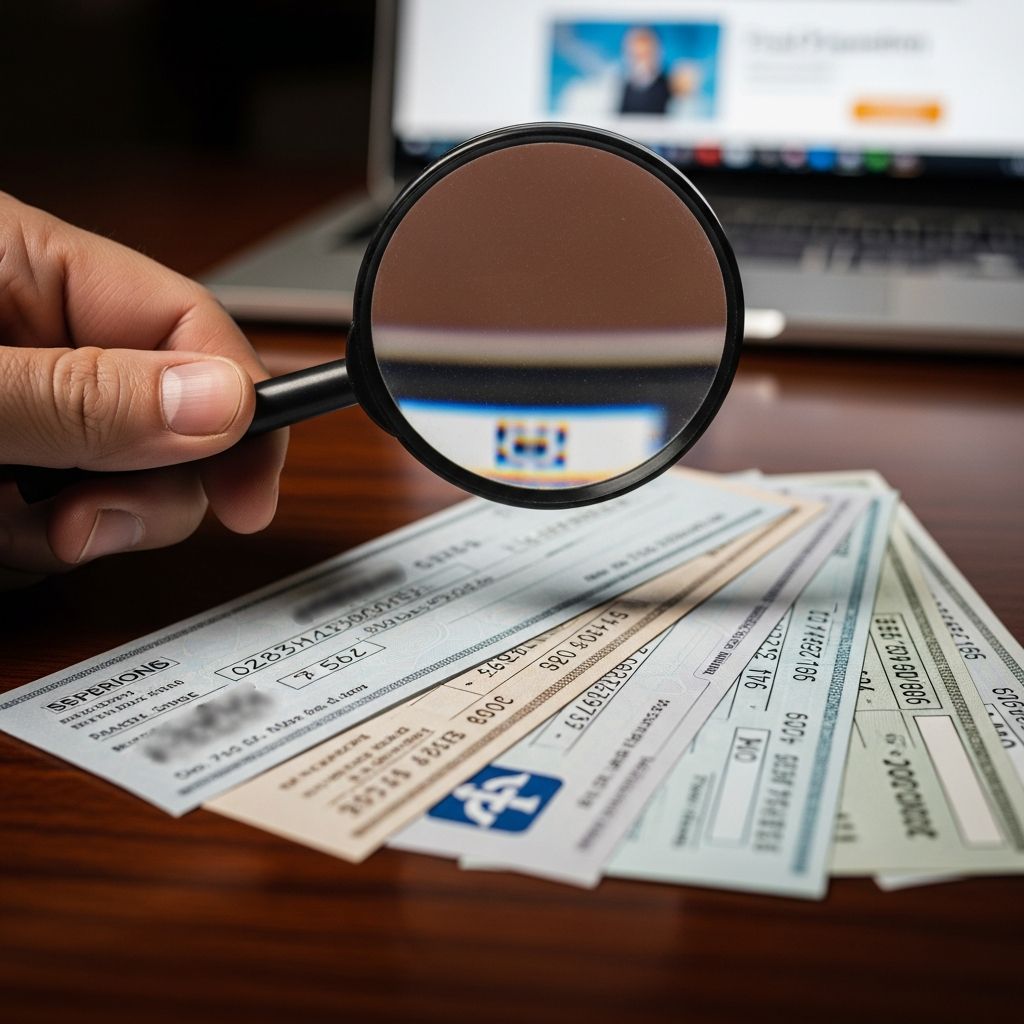
Fake check scams have cost people hundreds of millions of dollars, targeting everyone from college students and gig workers to small businesses and retirees. If you deposit a bad check and send money out, you may be left owing the bank for funds you never really had. Understanding how these schemes operate is the first step toward keeping your money safe.
Why Fake Check Scams Are So Dangerous
Scammers use checks and similar payment instruments because they exploit a basic misunderstanding: many people assume that once a bank shows a check as “cleared” or “available,” the money is definitely theirs. Under U.S. law, however, banks often must make at least part of the deposit available quickly—before they have actually collected the funds from the bank on which the check is drawn. If the check later turns out to be fake, your bank can reverse the deposit and demand repayment.
Fake checks can look extremely convincing and may include:
- Real bank names and accurate logos
- Authentic-looking account and routing numbers
- Watermarks or security icons printed on the paper
- Professional envelopes and cover letters
Because modern printing and design tools are easy to access, visual inspection alone is rarely enough to know whether a check is valid.
Common Types of Fake Check Scams
Although details vary, most fake check scams share a core pattern: someone sends you a check, tells you to deposit it, and pushes you to send some of the money back or forward to someone else—usually through a method that is hard or impossible to reverse (wire transfer, person-to-person payment, cash, or gift cards).
1. Overpayment and Online Marketplace Scams
These scams typically target people selling goods or services:
- A buyer contacts you online to purchase something you listed.
- They send a check for more than the sales price—often claiming it was a mistake or that the extra is for shipping or a third-party “agent.”
- They ask you to deposit the check and send back the difference quickly.
- Later, your bank discovers the check is fraudulent. The deposit is reversed and you owe the bank for the funds you sent out.
2. Mystery Shopper and Work-From-Home Schemes
Work-from-home and “secret shopper” offers are popular vehicles for fake checks:
- You respond to an online job listing or social media ad.
- The “employer” mails you a check and instructs you to deposit it as your first assignment.
- You are told to evaluate a money transfer service, purchase gift cards, or send funds to a “vendor,” then write a report on your experience.
- Once you have spent or sent the money, the check bounces, leaving you responsible for the loss.
3. Prize, Lottery, and Sweepstakes Cons
Fraudsters know that surprise winnings grab attention. They may:
- Announce that you have won a prize, lottery, or sweepstakes, even though you never entered.
- Send a check that supposedly covers taxes, processing fees, or customs charges.
- Tell you to deposit the check and immediately pay those charges back through wire transfers or gift cards.
- Once the check is rejected as counterfeit, you are left without the “winnings” and with added debt.
4. Romance and Relationship-Based Scams
In romance and relationship scams, the emotional connection is the tool:
- A scammer builds trust through dating sites, social media, or messaging apps.
- They claim to face an emergency, business issue, or travel problem and send you a check as “proof” that they will reimburse you.
- They urge you to deposit the check and quickly send part of the funds back, often overseas.
- When the check is rejected, you cannot recover the money you sent and the scammer disappears.
5. Business and Gig-Worker Payment Frauds
Small businesses, freelancers, and gig workers are frequent targets.
- A new “client” sends an upfront payment, retainer, or purchase order via check or cashier’s check.
- They abruptly request a partial refund, claim an administrative error, or ask you to forward funds to a third party.
- To preserve the relationship, you comply—only to learn that the initial payment was fake.
How Bank Check Processing Really Works
Understanding the check-clearing process helps explain why fake checks cause so much harm. U.S. regulation requires that banks make certain deposited funds available within a short time frame—often one to two business days—even though verifying the check with the paying bank can take significantly longer.
| Stage | What You See | What It Really Means |
|---|---|---|
| Deposit | You hand over or mobile-deposit a check. | Your bank accepts the check and starts the collection process. |
| Funds “Available” | Your balance shows new money; the bank may say the check has “cleared” or is available. | The bank is following availability rules, but may not yet know if the check is genuine. |
| Final Settlement | No visible change in your account unless there is a problem. | Behind the scenes, the bank of first deposit collects funds from the paying bank. If the check is fake or the account has no funds, the check is returned. |
| Return of a Bad Check | Your bank reverses the deposit; your balance drops, possibly going negative. | You are responsible for the shortfall because you withdrew or transferred money that never truly existed. |
The key point: bank availability does not equal confirmed authenticity. Even cashier’s checks and official checks can be forged.
Warning Signs That a Check Might Be Fake
No single clue is definitive, but several red flags often appear in combination:
- Pressure to act fast: The sender insists you deposit and move money immediately, often stressing a tight deadline or emergency.
- Requests to send money back: You are asked to return part of the funds via wire transfer, person-to-person payment app, gift cards, cryptocurrency, or cash.
- Payments for no clear reason: You receive a check out of the blue, with only vague instructions or explanations.
- Overpayment: The check is for more than you are owed, and the sender asks you to refund the difference.
- Instructions to keep the arrangement confidential: The sender warns you not to tell your bank, friends, or employer.
- Inconsistent contact details: The phone number, email, return address, or website do not match the bank or organization printed on the check.
Steps to Protect Yourself From Fake Check Scams
You can significantly reduce your risk by adopting a few practical habits and by understanding your rights under federal law.
1. Treat Unexpected Checks With Skepticism
- Do not assume a check is legitimate just because it looks professional.
- Be wary of checks that arrive with unsolicited offers, prizes, or jobs.
- If something feels “too good to be true,” slow down and verify before acting.
2. Refuse to Send Money Against a New Check
A simple rule can save you from most fake check scams:
- Never send money or value (cash, wire, gift cards, cryptocurrency) to anyone based on a check deposit that is not yet fully confirmed.
- Explain to the other party that you will wait until your bank has fully verified the check, even if the funds show as “available.”
3. Confirm the Source Independently
If you are uncertain about a check:
- Use a phone number or website you find yourself (for example, on your bank statement or the company’s official site), not information printed on the check or supplied by the sender.
- Contact the institution that supposedly issued the check to ask whether it is real.
- Be especially cautious with cashier’s checks and money orders, which scammers often forge because people trust them.
4. Ask Your Bank Specific Questions
Banks and credit unions must follow consumer protection laws and can explain their policies. When you deposit a large or suspicious check, ask:
- When will the funds be available to withdraw, and when will the check be considered fully collected?
- What happens if the check is returned unpaid after I withdraw the money?
- Are there any holds or extended verification processes that can be applied?
Understand that making a deposit does not transfer the risk of a bad check to the bank. In most cases, you are responsible if the check is counterfeit or there are not enough funds in the payer’s account.
5. Keep Good Records and Document Communications
- Save copies of emails, text messages, and letters that came with the check.
- Record dates, amounts, and names of anyone involved in the transaction.
- Keep screenshots of online listings or ads associated with the payment.
If you later discover a scam, these records can help your bank’s fraud department and law enforcement agencies investigate.
If You Think You’ve Been Targeted or Scammed
Act quickly if you suspect a fake check scam. The sooner you respond, the better your chances of limiting losses and helping authorities shut down similar schemes.
1. Contact Your Bank or Credit Union Immediately
- Explain that you may have deposited a fake check and ask whether the transaction can be reversed or frozen.
- If you sent money out—by wire, person-to-person app, or other means—request that your bank attempt to recall or block the transfer.
- Change account numbers or payment credentials if you shared them with the scammer.
2. Report the Scam to Authorities
Reporting helps enforcement agencies identify patterns and protect others. Consider:
- Filing a complaint with the Federal Trade Commission (FTC), which enforces laws against unfair or deceptive practices.
- Contacting your state or local consumer protection office or attorney general, which may have additional remedies under state law.
- Reporting to other relevant agencies if instructed by your bank (for example, the U.S. Postal Inspection Service for mail-related fraud).
3. Review Your Rights and Options
Depending on how the money was sent, different consumer protection rules may apply:
- Electronic transfers and card payments may be covered by federal laws that limit your liability when you report fraud promptly.
- Wire transfers and cash-like payments often offer fewer protections and may be difficult to reverse once completed.
- You can request written explanations from your bank regarding why a particular check or transaction was returned or denied.
Legal aid offices and nonprofit consumer organizations may be able to help you understand your options if you have suffered a major loss.
Practical Scenarios and Safer Alternatives
Below are some common situations where fake checks show up, along with safer approaches you can use.
| Situation | Risky Behavior | Safer Approach |
|---|---|---|
| Selling an item online | Accepting a large check from an unknown buyer and sending back the “extra” amount. | Use secure payment platforms or cash in person; refuse overpayments and insist on verified, traceable payments. |
| New remote job offer | Depositing a check from a new “employer” and using it to buy equipment or gift cards. | Wait until the check is fully verified; ask to use standard payroll methods or direct payment to vendors. |
| Unexpected prize notification | Depositing a check and wiring out “taxes” or “fees” immediately. | Independently verify the prize with the alleged sponsor; legitimate sweepstakes do not require you to pay upfront to claim winnings. |
| Help requested by online acquaintance | Accepting a check from someone you know only online and sending back funds to help with an emergency. | Refuse to move money on behalf of someone you have not met in person; encourage them to work directly with their bank or local services. |
Frequently Asked Questions (FAQs)
Q: My bank said the funds were available. How can the check still be fake?
A: Banks follow federal rules that require them to make deposited funds available within a certain time frame, often before they know whether the check is good or bad. If the paying bank later refuses the check because it is counterfeit or there are not enough funds, your bank can reverse the deposit and hold you responsible for any money you withdrew.
Q: Are cashier’s checks and money orders always safe?
A: No. Scammers frequently forge cashier’s checks, money orders, and official checks because they know people tend to trust them. Treat these instruments with the same caution as personal checks, especially if someone asks you to send part of the money back.
Q: How can I check whether a payment is legitimate?
A: Do not rely on contact information provided by the person who sent you the check. Instead, look up the bank or company’s official phone number or website yourself and call to verify the payment. You can also ask your own bank what steps they can take to confirm authenticity, such as placing holds or contacting the issuing institution.
Q: What should I do if I already sent money to a scammer?
A: Contact your bank or credit union immediately and explain what happened. Ask whether they can cancel or recall the payment. Then report the scam to the FTC and your state consumer protection agency, and consider filing a report with local law enforcement. Quick action gives you the best chance of limiting losses and may help authorities stop similar frauds.
Q: Does the government ever send checks and ask for money back?
A: No legitimate government agency will send you a check and then ask you to return part of the money, pay fees with gift cards, or wire funds to a third party. Any such request is a strong sign of a scam.
References
- New Consumer Law Rights Taking Effect in 2025 — National Consumer Law Center. 2024-12-31. https://library.nclc.org/article/new-consumer-law-rights-taking-effect-2025
- Consumer Protection Laws and Regulations USA 2025 — ICLG. 2025-04-09. https://iclg.com/practice-areas/consumer-protection-laws-and-regulations/usa
- Consumer Protection — Federal Trade Commission. 2025-05-01 (updated). https://www.ftc.gov/consumer-protection
- A Brief Overview of the Federal Trade Commission’s Investigative, Law Enforcement, and Rulemaking Authority — Federal Trade Commission. 2025-07-01. https://www.ftc.gov/about-ftc/mission/enforcement-authority
- Competition and Consumer Protection Guidance Documents — Federal Trade Commission. 2025-01-15 (updated). https://www.ftc.gov/enforcement/competition-consumer-protection-guidance-documents
- Protecting Older Consumers 2024–2025: A Report of the Federal Trade Commission — Federal Trade Commission. 2024-10-10. https://www.ftc.gov/reports/protecting-older-consumers-2024-2025-report-federal-trade-commission
- Rules — Federal Trade Commission. 2025-02-20 (updated). https://www.ftc.gov/legal-library/browse/rules
Similar Articles








Read full bio of Sneha Tete


