
Speeding Ticket For CDL Holders: 5 Steps To Protect Your Career
How one speeding ticket can affect a commercial driving career
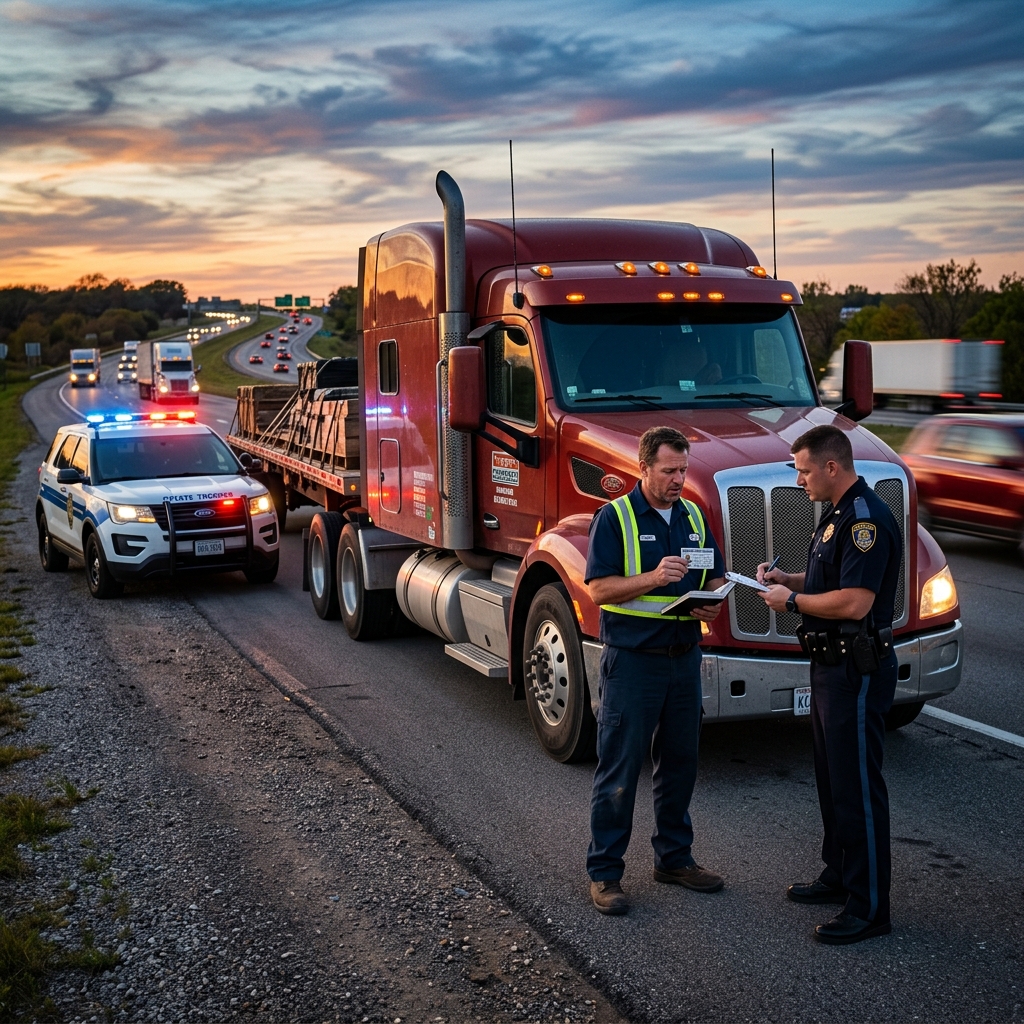
Why a Speeding Ticket Matters More for CDL Holders
A speeding ticket can create far more damage for a commercial driver than for an ordinary motorist. For CDL holders, a citation can affect not only driving privileges but also employment, insurance costs, and a professional reputation that may have taken years to build.
The reason is simple: commercial driving is regulated more strictly than personal driving. Employers, insurers, and licensing agencies often treat violations as signs of elevated risk, especially when the offense involves higher speeds or repeated conduct.
How Speeding Can Show Up on a Commercial Record
In many situations, a speeding conviction does not stay isolated to the vehicle involved. A citation in a personal vehicle may still affect a CDL record, depending on the offense and the state rules involved. Federal guidance also makes clear that certain excessive speeding convictions can count against a driver whether the incident occurred in a commercial motor vehicle or not.
That matters because commercial drivers are often judged on the full driving history, not just conduct behind the wheel of a truck or bus. A single violation may not end a career, but it can become part of a broader pattern if additional tickets appear later.
When Speeding Becomes a Serious Violation
Not every speeding offense is treated the same way. Excessive speeding is often viewed more harshly than a minor ticket for driving a few miles over the limit. Federal Motor Carrier Safety Administration guidance recognizes excessive speeding as 15 mph or more above the posted limit, and that kind of violation can be especially significant for CDL holders.
In many jurisdictions, repeated serious violations create escalating consequences. According to federal guidance, two excessive speeding convictions within three years can trigger a disqualification period, and a third offense within that same period can lead to a longer suspension. State law may add its own penalties on top of those consequences.
Possible Career Consequences for Drivers
For a professional driver, a citation can reach beyond the courtroom. Employers may review the driving record before hiring, renewing assignments, or trusting a driver with valuable freight. A ticket can also lead to reduced routes, probation, or termination, especially when company policy is strict about violations.
Insurance is another major concern. Even when a driver keeps the CDL, a speeding conviction can lead to higher premiums or make a driver less attractive to carriers. Over time, that can affect income and long-term employability as much as the legal penalty itself.
Disqualification, Suspension, and Record Damage
The most serious concern for many CDL holders is the possibility of disqualification or suspension. A single event may not immediately remove a commercial license, but repeated violations can cause the state to restrict the privilege to operate commercial vehicles. In some cases, those restrictions begin after a relatively small number of serious offenses.
That record damage can linger even after the court case ends. Once a conviction is entered, it may influence future hiring decisions and add to a history that employers and regulators can review. For drivers who rely on a clean record, preventing the conviction from ever being entered is often the highest priority.
| Type of speeding issue | Possible effect on a CDL holder |
|---|---|
| Minor speeding citation | May add to driving history and influence employer or insurer review |
| Excessive speeding | Can be treated as a serious violation and may lead to disqualification if repeated |
| Multiple serious violations | May trigger suspension or disqualification periods under federal or state rules |
| Conviction in a personal vehicle | Can still affect the CDL record and employment prospects |
Why the Difference Between a Ticket and a Conviction Matters
Many drivers assume that receiving a ticket is the same as being convicted, but those are very different outcomes. A citation only starts the process. The real damage often occurs if the driver pays the ticket without challenging it or is found guilty in court.
That distinction matters because a successful defense may keep the violation off the record entirely. In practical terms, avoiding a conviction can preserve a cleaner history, reduce the chance of disqualification, and protect the driver from long-term employment problems.
Steps Drivers Should Take After Receiving a Ticket
A commercial driver should respond quickly after being cited. Waiting too long can make it harder to challenge the charge and may cause missed deadlines that limit legal options. Careful review of the citation is the first step.
- Read the citation closely and confirm the alleged speed, location, and court date.
- Check whether the offense may qualify as a serious violation under state or federal rules.
- Review the existing driving record to understand whether prior violations increase the risk.
- Gather evidence such as dashcam footage, GPS logs, route records, or witness statements.
- Consult a lawyer who understands commercial driving rules and traffic defense.
Why Legal Help Can Make a Difference
Traffic defense for a CDL holder is often more complex than a standard speeding case. The best result is not always just a reduced fine; often the goal is to avoid a conviction that could affect the license and the job. An attorney familiar with CDL-related traffic law may be able to negotiate for a lesser offense, identify weak evidence, or challenge the stop itself.
Legal counsel can also help identify technical issues that may not be obvious to the driver, such as calibration problems with speed-measuring equipment, unclear signage, or procedural mistakes in the citation. Those details can matter when the goal is to keep the charge from becoming part of the permanent record.
Evidence That May Support a Defense
A strong defense often depends on details. Commercial drivers may spend long hours on the road, but that does not mean every traffic stop is accurate or legally sound. Documentation collected soon after the stop can be useful later in court.
- Dashcam video showing road conditions or posted signs
- GPS records that may help confirm speed or location
- Maintenance records if vehicle equipment played a role
- Route plans or delivery schedules that establish the context of the trip
- Witness accounts from passengers, dispatchers, or nearby drivers
How Employers May Respond
Employers often have their own rules about moving violations. Some companies require a spotless record, while others may allow limited infractions if the driver is otherwise reliable. A speeding conviction can trigger internal review even when the state does not suspend the CDL.
Because commercial driving jobs depend on trust, a violation may affect route assignments, probation status, or future hiring opportunities. Drivers should understand that the employment consequences may be separate from the legal penalties and can arrive faster than expected.
Common Mistakes CDL Holders Should Avoid
Many drivers make preventable errors after being ticketed. Paying the ticket immediately may feel convenient, but it can function as an admission of guilt. Failing to preserve evidence or ignoring deadlines can also weaken the defense.
- Do not assume a speeding ticket is harmless because it happened in a personal car.
- Do not ignore the citation or miss the court date.
- Do not pay the fine before understanding whether the offense can be contested.
- Do not wait to gather proof that may help challenge the stop.
- Do not assume an employer will overlook the incident.
FAQs
Can a speeding ticket in a personal vehicle affect a CDL?
Yes. Depending on the jurisdiction and the type of offense, a speeding conviction in a personal vehicle can still affect a commercial driving record.
Does every speeding ticket count as a serious violation?
No. Minor speeding is often treated differently from excessive speeding. In many rulesets, higher speeds above the limit carry the greatest risk.
Can repeated speeding violations lead to suspension?
Yes. Federal guidance recognizes escalating consequences for repeated excessive speeding offenses, including disqualification periods when violations occur within a set time frame.
Is it worth fighting a ticket if the fine is small?
Often yes. For CDL holders, the real issue is not the fine alone but the possible impact on the driving record, employment, and future licensing status.
What is the best first step after getting cited?
Review the ticket carefully, preserve any evidence, and speak with a lawyer who understands commercial driving violations before deciding how to respond.
Protecting a Commercial Driving Career
For CDL holders, safe driving is not only a legal obligation but a business necessity. A speeding ticket can disrupt that business in ways that are easy to underestimate at first. The safest approach is to treat every citation seriously, respond quickly, and look for the best available legal option before the violation turns into a larger problem.
In many cases, the most valuable outcome is not simply avoiding a fine. It is preserving the ability to keep working, maintain insurance options, and avoid a record that can follow a driver from one employer to the next.
References
- The Impact of Speeding Tickets on Commercial Driver’s Licenses (CDLs) — Super Lawyers. 2025-01-01. https://www.superlawyers.com/resources/traffic-violations/the-impact-of-speeding-tickets-on-commercial-drivers-licenses-cdls/
- Commercial Driver License Disqualification for Excessive Speeding — Federal Motor Carrier Safety Administration. 2024-01-01. https://www.fmcsa.dot.gov/registration/commercial-drivers-license/if-cdl-holder-was-convicted-one-excessive-speeding-15-or
- Commercial Driver’s License (CDL) Information — Federal Motor Carrier Safety Administration. 2024-01-01. https://www.fmcsa.dot.gov/registration/commercial-drivers-license
- 49 CFR Part 383 — Commercial Driver’s License Standards — Electronic Code of Federal Regulations. 2026-01-01. https://www.ecfr.gov/current/title-49/subtitle-B/chapter-III/subchapter-B/part-383
Similar Articles








Read full bio of medha deb


