
Speeding Ticket Cameras: A Practical Guide for Drivers
Understand how speeding ticket cameras work, why cities use them, and the smart steps to take if you receive an automated citation.
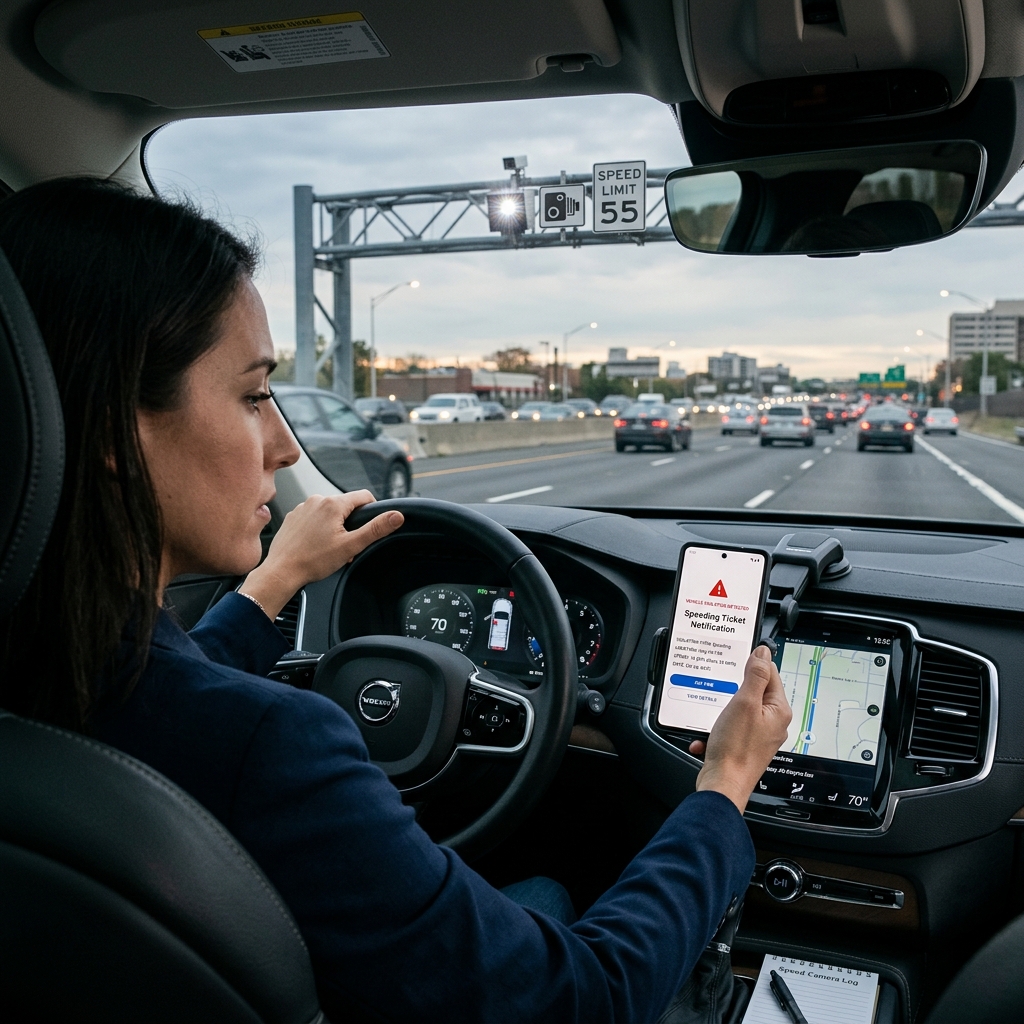
Automated traffic enforcement has become a routine part of driving in many cities and suburbs. Speeding ticket cameras and red light cameras quietly monitor busy streets, school zones, and intersections, issuing citations without a single police car in sight. For many drivers, the first sign that such a camera exists is an unexpected letter in the mail alleging a violation.
This guide explains, in plain language, how these cameras work, why governments use them, what information they collect, and what practical steps to take if you receive a ticket. It is for general education only and is not a substitute for individualized legal advice.
1. What Are Speeding Ticket Cameras?
Speeding ticket cameras (often called speed cameras or automated speed enforcement systems) are devices that use sensors and cameras to detect when a vehicle exceeds the posted speed limit and then capture photographic or video evidence of that violation. A related technology, red light cameras, focuses on drivers who enter an intersection after the light has turned red.
These systems are typically installed and operated by or on behalf of government agencies, such as a city transportation department or police department, and are intended to supplement—not fully replace—traditional traffic enforcement.
1.1 Common Types of Automated Traffic Cameras
- Fixed speed cameras – Mounted on poles or gantries along the roadside to monitor a specific stretch of road, such as a highway or school zone.
- Red light cameras – Installed at intersections and synchronized with the traffic signal to capture vehicles that enter after the light turns red.
- Average-speed (time–distance) cameras – Use multiple cameras along a route to calculate a vehicle’s average speed between two points; if the average exceeds the limit, a violation is recorded.
- Mobile enforcement units – Cameras mounted on vehicles or temporary trailers that can be moved to different locations, often for construction zones or short-term safety campaigns.
Regardless of type, the core idea is the same: automated detection of a violation, followed by automated recording of evidence and a mailed citation to the vehicle owner.
2. How Speed Cameras Measure Your Speed
To understand the ticket, it helps to know what technology is being used to calculate speed. Modern systems rely on well-established measurement methods.
2.1 Radar and LIDAR-Based Systems
Many speed cameras use Doppler radar or LIDAR (laser-based speed measurement) similar to handheld devices used by police officers.
- Doppler radar sends out radio waves that bounce off moving vehicles. By measuring the change in frequency of the returning waves, the device can calculate speed.
- LIDAR uses pulses of laser light aimed at a vehicle. The system measures how long the light takes to travel to the vehicle and back, and from multiple pulses it computes the vehicle’s speed.
In both cases, if the measured speed exceeds a preset threshold (for example, more than a certain margin above the posted speed), the camera is triggered to capture evidence.
2.2 Roadway Sensors and Time–Distance Systems
Other systems use embedded sensors or cameras spaced along the road to compute average speed.
- Inductive loops or sensors in the pavement detect when a vehicle passes over them. By measuring the time between passing two sensors at a known distance apart, the system calculates speed.
- Average-speed cameras capture plate images at multiple points and use the time difference and exact distance to determine a vehicle’s average speed over that segment.
The technology is designed to minimize human error: the measurements are automated, and many jurisdictions require regular calibration and testing of the equipment.
3. What the Camera Actually Captures
Drivers often worry that these systems track everything about them. In practice, automated enforcement systems focus on documenting the violation and identifying the vehicle, not the individual driver.
3.1 Typical Data Collected
While details vary by jurisdiction, the evidence package usually includes:
- One or more photographs of the vehicle, typically from the rear.
- A clear image of the license plate.
- The date and time of the alleged violation.
- The location of the camera or intersection.
- The posted speed limit and the measured speed (for speed cameras).
- For red light cameras, images showing the vehicle at the stop line and then inside the intersection after the light turned red.
- In some systems, a short video clip covering a few seconds before and after the alleged violation.
This information is later reviewed by trained personnel before a citation is mailed out in many jurisdictions.
3.2 Privacy and Driver Identification
Privacy rules differ from place to place, but many programs are designed so that cameras capture the vehicle and plate rather than a close-up of the driver’s face. In New York City’s speed camera program, for example, the law explicitly states that cameras do not identify individual drivers; liability is placed on the registered owner of the vehicle.
In some states, there are statutory restrictions on how long images can be stored and for what purposes they can be used. Many laws require that automated enforcement images be used only for traffic enforcement and not disclosed publicly.
4. Why Cities Use Speed and Red Light Cameras
Automated cameras are sometimes controversial, but their stated purpose is to improve safety and encourage compliance with traffic laws.
| Stated Goal | How Cameras Contribute |
|---|---|
| Reduce speeding and red light running | Increase the perceived likelihood of enforcement at high-risk locations 24/7, even when officers are not present. |
| Lower crash and injury rates | Target areas with a history of crashes, such as school zones and busy intersections, where speeding and red-light running are linked to severe collisions. |
| Free up police resources | Automate routine enforcement so officers can focus on more serious or complex incidents. |
| Standardize enforcement | Rely on calibrated equipment and documented evidence instead of subjective roadside judgments. |
Organizations such as the Governors Highway Safety Association describe speed and red light cameras as part of a broader strategy to deter high-risk driving behavior and reduce traffic fatalities.
5. How a Ticket Moves from Camera to Your Mailbox
Understanding the typical life cycle of an automated citation helps you respond promptly and effectively.
5.1 Detection and Evidence Collection
- The driver exceeds the pre-set threshold above the speed limit, or enters an intersection after the light turns red.
- The camera system detects the violation using radar/LIDAR or sensors and triggers the camera.
- Still images and sometimes video are recorded and digitally stored along with the time, date, location, and other relevant information.
5.2 Human Review and Notice Issuance
- A trained reviewer—often working for a city agency—checks the images to verify that a violation occurred and that the license plate is readable.
- The license plate is run through a motor vehicle database to identify the registered owner.
- A Notice of Liability or citation is generated and mailed to the owner’s address on file, typically within a legally defined time frame.
In some jurisdictions, the notice may look different from a traditional ticket written by an officer. It may specify that it is a civil, rather than criminal, violation with no license points.
6. Typical Consequences of a Camera-Based Ticket
What happens after you receive the ticket depends on local law. However, several common patterns appear across many jurisdictions.
6.1 Fines, Points, and Insurance Impacts
- Fine amounts: Automated camera violations are often lower than officer-issued speeding tickets, particularly in cities like New York where the fine for a speed camera violation is a flat amount.
- Points on your license: In some programs, camera violations do not add points to a driver’s record because they identify the vehicle, not the person driving.
- Insurance consequences: Where no points are assessed and the violation is treated as a civil penalty, some jurisdictions do not report these tickets to insurers. This is not universal; local rules matter.
6.2 Deadlines and Failure to Respond
Camera-based tickets typically include a clear deadline for response—either to pay, contest, or otherwise address the notice. For example, New York City speed camera notices require a response within a set number of days.
Failure to act can have consequences such as:
- Late fees or increased penalties.
- Vehicle registration holds or denials until the fine is paid.
- Collection actions in some jurisdictions.
Always read the notice carefully and calendar the response deadline.
7. Practical Steps If You Receive a Speed Camera Ticket
If a speeding or red light camera citation arrives in the mail, you generally have three main options: pay, contest, or research whether the ticket is legally valid. Procedures differ widely, so always follow the instructions on your specific notice.
7.1 First Things to Check on the Notice
When you open the envelope, review the following details:
- Your vehicle information – Confirm the license plate, make, and model match your car.
- Date, time, and place – Ensure you recognize (or can verify) being in that location at that time.
- Posted speed and alleged speed – Check whether the claimed speed is plausible and whether the speed limit is correctly stated.
- Images or video access – Many programs allow you to view photos or video online or at a designated office.
- Deadline and instructions – Note the last day to respond and the options to pay or request a hearing.
7.2 If You Decide to Pay
Paying is essentially an admission of liability or responsibility. If you choose this route:
- Follow the payment instructions exactly (online, by mail, or in person).
- Pay before the deadline to avoid additional fees.
- Keep a copy of your receipt or confirmation page for your records.
In jurisdictions where camera tickets do not carry points or insurance impacts, many drivers decide that paying promptly is the simplest course.
7.3 If You Want to Contest the Ticket
Most automated enforcement systems provide a way to challenge the citation. Potential grounds to explore may include:
- Incorrect vehicle – You can often contest if the plate was misread or the vehicle in the photo is clearly not yours.
- Vehicle not in your control – Some places allow defenses if the car was sold, rented, or stolen at the time of the violation. Rules vary.
- Equipment or signage issues – In some cases, drivers argue that signage was missing, the speed limit was unclear, or equipment calibration requirements were not met.
- Procedural defects – Late mailing or missing required information may be a defense in certain jurisdictions.
Contesting typically involves requesting a hearing or submitting written evidence. Review your local procedures carefully, and consider consulting a licensed attorney in your state if the stakes are significant or you have multiple violations.
8. How Speed Cameras Differ from Officer-Issued Tickets
Although both result in fines, there are important differences between automated camera tickets and citations issued by police officers at the roadside.
| Feature | Camera-Based Ticket | Officer-Issued Ticket |
|---|---|---|
| How violation is detected | Automated sensors (radar, LIDAR, loops) trigger cameras. | Officer observes violation directly, often using handheld radar/LIDAR. |
| Whose name is on the ticket | Typically the vehicle owner, based on license plate records. | The driver who is stopped and identified at the scene. |
| Points on license | Often no points, treated as a civil penalty in many programs. | Frequently includes points, affecting driving record and sometimes insurance. |
| Interaction with law enforcement | No roadside stop; notice arrives by mail after review. | Driver is pulled over and must interact with an officer immediately. |
| Evidence | Photos/video, measurement data, and documentation on the notice. | Officer’s testimony plus any device readings. |
Because these differences affect your rights and options, always read your notice carefully and, if necessary, consult a legal professional knowledgeable about traffic law in your jurisdiction.
9. Practical Tips to Reduce the Risk of Camera Tickets
Regardless of personal views about automated enforcement, adjusting your driving habits can reduce the odds of receiving a ticket and, more importantly, lower your crash risk.
- Stay aware of speed limits: Limits can change quickly, especially near schools or construction zones. Watch for signs and roadside cues.
- Expect enforcement near high-risk areas: Cameras are often located in school zones, near pedestrian-heavy intersections, and on roads with a history of crashes.
- Use your speedometer proactively: Many drivers unintentionally drift above the limit on wide or downhill roads.
- Leave extra time for your trip: Rushing increases the temptation to speed and the likelihood of mistakes.
- Update your address on vehicle records: Keeping your registration information current ensures that if a ticket is issued, you receive it in time to respond.
10. Frequently Asked Questions About Speeding Ticket Cameras
10.1 Do speed camera tickets go on my driving record?
In many automated enforcement programs, speed camera violations are treated as civil penalties issued to the vehicle owner, not to a specific driver. For example, New York City’s program does not put these violations on a driver’s record and does not use them for insurance purposes because the cameras identify the vehicle, not the driver. However, laws vary, so you should check the rules in your state or consult a local attorney.
10.2 Can I ignore a speed camera ticket if I was not driving?
In many jurisdictions, the registered owner is presumed liable for the ticket, even if someone else was driving. Some programs allow the owner to contest based on specific defenses, such as a stolen vehicle or a documented sale before the violation date. Ignoring the notice entirely can lead to additional penalties or registration issues, so it is usually better to follow the instructions on the ticket or seek legal advice.
10.3 Are speed and red light cameras legal everywhere?
No. Some states authorize extensive use of automated enforcement, while others restrict or prohibit it. The Governors Highway Safety Association maintains information on state policies regarding speed and red light cameras. Always rely on local law and current information for your specific state or city.
10.4 How can I see the photos or video from my alleged violation?
Most programs provide a way to review the evidence before you decide whether to pay or contest. This may include a website link and a unique PIN on your notice, or instructions to visit a municipal office. For example, some city programs allow you to view still images and a short video clip online that show your vehicle during the alleged violation.
10.5 Can I challenge the accuracy of the camera equipment?
Depending on local rules, drivers may be able to raise issues such as lack of proper calibration, maintenance, or certification of the device. Because this often involves technical evidence and legal standards, drivers who want to pursue this type of defense may benefit from consulting an attorney experienced in traffic enforcement technology.
Disclaimer: This article is for general informational purposes only and does not constitute legal advice. Traffic laws and enforcement practices differ widely by jurisdiction. For advice about a specific ticket or situation, consult a licensed attorney in your area.
References
- Speeding Ticket Cameras: How They Work and What To Do — Super Lawyers / Thomson Reuters. 2022-08-15. https://www.superlawyers.com/resources/traffic-violations/speeding-ticket-cameras-how-they-work-and-what-to-do/
- How Do Speed Cameras Work? A Simple Guide to Automated Enforcement — Verra Mobility. 2023-05-10. https://www.verramobility.com/how-do-speed-enforcement-cameras-work/
- How does the system work? — City of Everett, Washington. 2021-06-01. https://www.everettwa.gov/3140/How-does-the-system-work
- FAQ’s – Speed Cameras — New York City Department of Transportation. 2022-08-01. https://www.nyc.gov/html/dot/downloads/pdf/speed-camera-faq.pdf
- Speed & Red Light Cameras — Governors Highway Safety Association. 2024-01-15. https://www.ghsa.org/state-laws-issues/speed-red-light-cameras
- How Do Red Light Cameras Work? — Progressive Casualty Insurance Company. 2023-03-20. https://www.progressive.com/answers/red-light-cameras/
- Traffic Enforcement Camera — Various authors, summarized by publicly available traffic safety sources. Accessed 2026-07-10. https://en.wikipedia.org/wiki/Traffic_enforcement_camera
Similar Articles








Read full bio of medha deb


