
Adoption In South Dakota: 5 Essential Steps To Finalize Quickly
A practical guide to the rules, process, and legal requirements for adoption in South Dakota.
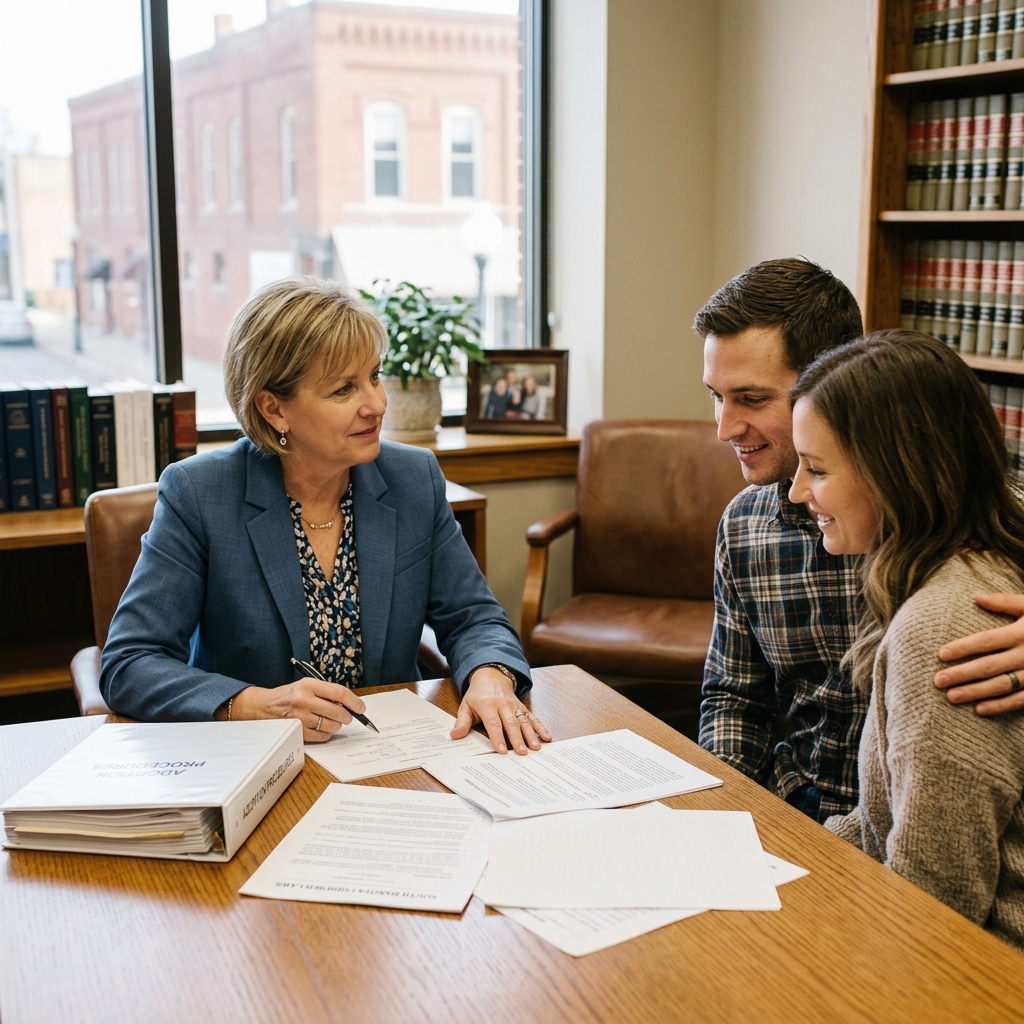
Adoption in South Dakota is designed to create a permanent parent-child relationship that serves the child’s best interests. The legal process is structured to screen prospective parents, protect birth parents’ rights, and ensure the child has a stable home before an adoption is finalized.
Although the basic framework is straightforward, the details matter. South Dakota law addresses who may adopt, when consent is needed, what background checks and studies are required, how long a child must live with the prospective family, and when an adult adoption is allowed.
Who may adopt in South Dakota
In general, any adult may petition to adopt a minor child in South Dakota, but the law imposes important conditions. One of the main eligibility rules is that the adoptive parent must usually be at least 10 years older than the child being adopted. The court can waive that age difference if it finds the adoption would still be in the child’s best interest.
Marriage is not required to adopt, and a single person may petition for adoption. However, if the prospective adoptive parent is married and not legally separated, the spouse’s consent is typically required before the adoption can proceed.
- Any adult may generally adopt a minor child.
- The adoptive parent is ordinarily required to be at least 10 years older than the child.
- Single adults may adopt.
- Married applicants usually need the other spouse’s consent unless they are legally separated.
Consent rules that often control the case
Consent is one of the most important parts of any adoption. As a rule, the biological parents must consent before an adoption can be finalized. South Dakota law also requires consent from a child who is 12 years of age or older. This means the court may not be able to move forward unless the older child agrees to the adoption.
The law recognizes that parental consent is not always available in a meaningful way. In some situations, the court may allow an adoption to proceed without a parent’s consent, particularly when there has been abandonment, serious neglect, or conduct that makes reunification unrealistic or harmful to the child.
- Birth parents generally must consent to the adoption.
- A child age 12 or older must also consent.
- The court may excuse a parent’s consent in certain serious circumstances.
- The court’s focus remains the child’s best interests.
When a court may proceed without parental consent
South Dakota law allows a court to set aside a parent’s consent in limited situations. Those situations may include imprisonment for a serious offense, long-term abandonment, persistent neglect, or failure to provide necessary parental care and protection. The law also recognizes circumstances involving conception through rape or incest.
These exceptions are not automatic. A court must review the facts and decide whether clear legal grounds exist to proceed without the parent’s approval. That safeguard matters because termination of parental rights is one of the most serious actions a court can take.
| Issue | General rule | Possible exception |
|---|---|---|
| Birth parent consent | Required | May be waived in limited statutory circumstances |
| Child consent | Required at age 12 or older | No common waiver rule stated for older-child consent |
| Spousal consent | Required for a married applicant | May not apply when spouses are legally separated |
Residency, placement, and time in the home
South Dakota adoption cases usually require more than paperwork. The child must live with the prospective adoptive family for a period of time before the court will finalize the adoption. The commonly stated minimum is six months in the home before finalization.
This waiting period gives the court and social workers time to evaluate whether the placement is stable and whether the child is thriving. It also allows the family to adjust to day-to-day caregiving responsibilities before the adoption becomes permanent.
- The child generally must live in the adoptive home for six months before finalization.
- The court uses this time to assess the suitability of the placement.
- Some relative or stepparent adoptions may be treated differently under the law.
Home studies and background checks
Before an adoption can move forward, South Dakota requires a home study. A home study is an evaluation of the prospective family’s living situation, financial stability, background, and ability to care for a child. It is usually completed by a licensed social worker, child placement agency, or other authorized professional.
Background screening is also part of the process. These checks may include criminal history review, child abuse registry screening, and domestic violence screening. The goal is to identify risks before a child is placed in the home.
- A home study is typically required before placement or final approval.
- Criminal background checks are part of the screening process.
- Child abuse and neglect registry checks may also be required.
- The court may consider whether the applicant can provide stable, safe care.
What the court looks for in prospective adoptive parents
Adoption is not only about legal eligibility; it is also about parenting capacity. The court and child welfare authorities may evaluate whether the prospective parent can meet the child’s physical, emotional, and developmental needs. Factors such as income, housing, prior caregiving experience, and overall household stability may be considered.
In foster-care-related adoptions, the state may also review whether the applicant can support the child’s growth over time and provide continuing guidance. The child’s cultural and social background may also be relevant in the broader assessment of best interests.
- Ability to provide safe and consistent care.
- Sufficient income to meet household needs.
- Capacity to support the child’s education and development.
- Understanding of the child’s emotional and physical needs.
Adopting a stepchild or relative
Stepparent and relative adoptions often move differently from other adoptions because an existing family bond may already be in place. In some situations, the investigation requirements can be reduced or waived unless the court decides additional review is necessary. Even so, the legal process still generally requires proper consent and judicial approval.
These cases are often simpler than agency placements, but they are not automatic. A court still must confirm that the adoption is lawful and that the proposed arrangement supports the child’s welfare.
Adoption by married applicants and spouse participation
When the adoptive parent is married, South Dakota law usually requires the other spouse to participate in the process through consent. The rule exists because adoption changes family structure in a permanent way. A married person generally cannot adopt alone unless the legal relationship with the spouse has been altered in a recognized way, such as by legal separation.
This requirement does not mean married couples are less able to adopt. Instead, it ensures that both spouses understand and accept the legal responsibilities that follow from the adoption.
Adult adoption in South Dakota
South Dakota also permits adult adoption. This is a separate legal process from adopting a child and may be used when an adult wants to create a legally recognized parent-child relationship with another adult. The process requires a petition to the circuit court and written consent from the person being adopted.
Adult adoption may be used for family continuity, inheritance planning, or recognition of an already long-standing parent-child bond. In many cases, the person being adopted must have lived in the adoptive parent’s home during minority for at least six months, although there is an exception when the person being adopted is the adoptive parent’s biological child.
- Adult adoption is allowed in South Dakota.
- The adopted adult must consent in writing.
- A petition is filed with the circuit court.
- Some residence-in-home requirements may apply.
Birth records, name changes, and access to information
After an adoption is finalized, the child may be able to receive a new birth certificate listing the adoptive parents. The child may also take the adoptive family’s surname if requested and approved through the legal process. These changes reflect the new legal family relationship created by the adoption.
Access to adoption records is limited. South Dakota generally protects adoption records from public disclosure, while allowing access to the adoptee under certain conditions, often after adulthood. This confidentiality is intended to preserve privacy for both the child and the birth family.
How the process usually unfolds
Most adoptions in South Dakota follow a sequence: petition, screening, placement, supervision, and final hearing. Each stage serves a different purpose. The petition begins the case. The home study and background checks evaluate safety. The placement period allows the child to live with the family. Finally, the court reviews whether all legal requirements have been met before entering the decree of adoption.
In practice, the process can take time even in uncomplicated cases. Families should expect to coordinate with social workers, attorneys, agencies, and the court before the adoption is complete.
- File the adoption petition.
- Complete the required home study and background screening.
- Obtain necessary consent or establish grounds to waive it.
- Place the child in the home and complete the supervision period.
- Attend the final hearing and seek the adoption decree.
Frequently asked questions
Can a single person adopt in South Dakota? Yes. South Dakota law generally allows any adult to adopt, and marriage is not required.
Does the child have to agree? If the child is 12 or older, the child’s consent is generally required.
How long must the child live with the adoptive family? The common minimum period is six months before finalization, though some types of adoption may be handled differently.
Can an adult be adopted? Yes. South Dakota allows adult adoption through a petition to the circuit court and written consent of the adult being adopted.
Are background checks required? Yes. Home studies and screening checks are typically part of the process to protect the child’s safety and welfare.
Why legal guidance can matter
Even when the facts seem simple, adoption law contains details that can change the outcome of a case. Consent issues, stepparent adoptions, background screening, and final hearing requirements can all affect timing and eligibility. Legal guidance can help families avoid mistakes that delay placement or finalization.
Because adoption permanently changes legal rights and responsibilities, every step should be handled carefully. The court’s central concern is whether the arrangement is legally sound and in the child’s best interests.
References
- Codified Law 25-6 | South Dakota Legislature — South Dakota Legislature. 2026-07-09. https://sdlegislature.gov/Statutes/25-6
- Home Study Requirements for Prospective Parents in Domestic Adoption: South Dakota — Child Welfare Information Gateway. 2024-01-01. https://www.childwelfare.gov/resources/home-study-requirements-prospective-parents-domestic-adoption-south-dakota/
- Adoption Services — South Dakota Department of Social Services. 2026-07-09. https://dss.sd.gov/childprotection/adoption/
- Adoption – Legal Help & Info — State Bar of South Dakota. 2026-07-09. https://findalawyerinsd.com/pages/areas-adoption
- South Dakota foster care and adoption guidelines — AdoptUSKids. 2026-07-09. https://adoptuskids.org/adoption-and-foster-care/how-to-adopt-and-foster/state-information/south-dakota
Similar Articles








Read full bio of medha deb


