Solar energy systems can increase property value and reduce utility bills, but they can also create friction among neighbors and within homeowner associations (HOAs). Conflicts typically arise over aesthetics, roof use, shading, glare, and legal responsibility for damage or performance. This guide explains how these disputes develop, what legal protections often apply, and how to resolve disagreements without escalating into costly litigation.
Why Solar Panels Spark Neighbor and HOA Conflicts
Installing solar panels transforms how a property looks and functions. Those changes affect not just the owner but also nearby residents, which is why disputes are common. Understanding the underlying tension can help you approach any disagreement more strategically.
- Visual impact: Panels alter roof appearance and can be seen from the street or next-door windows.
- Property value concerns: Neighbors may worry that visible equipment or wiring could reduce resale value.
- Access and shared structures: Multi-unit or attached homes raise questions about roof rights and maintenance.
- Sunlight and shading: Trees, additions, or new construction may interfere with a system’s energy production.
- Glare and nuisance: Reflected light, noise from inverters, or safety concerns can be perceived as nuisances.
- Contract and financing issues: Leasing arrangements or power purchase agreements complicate who controls the system and who is liable if disputes arise.
Most friction stems from a clash between one owner’s desire to maximize solar benefits and another owner’s interest in controlling their view, use of land, or development options. Legal rules attempt to balance these competing interests.
Core Legal Concepts That Shape Solar Panel Disputes
Solar panel disputes sit at the intersection of property law, energy regulation, and consumer protection. While laws vary by state, several recurring legal concepts play a role.
Solar Access and Solar Rights Laws
Many states have statutes specifically aimed at protecting the ability of property owners to install and use solar energy systems. These laws often restrict what HOAs and local governments can do to limit solar installations. For example, some states prohibit associations from outright banning rooftop solar but allow “reasonable” restrictions related to safety and aesthetics.
Key features often include:
- Limits on HOA authority to forbid solar energy devices.
- Definitions of what counts as a “solar energy device” or system.
- Standards for what is considered a reasonable restriction (such as rules that cannot significantly reduce system efficiency or drastically increase cost).
- Procedures for requesting approval and for challenging unlawful restrictions.
HOA Covenants, Conditions, and Restrictions (CC&Rs)
For properties governed by HOAs, the association’s governing documents—often called CC&Rs, bylaws, and rules—are central. They typically address roof modifications, exterior aesthetics, and common-area use. Even in states that protect solar rights, HOAs can impose conditions on panel placement, color, mounting style, and approval processes as long as those conditions fall within statutory limits.
Consumer Protection and Solar Contracts
Solar projects frequently involve complex contracts that cover installation, financing, warranties, and ongoing service. Consumer protection laws, such as deceptive trade practices statutes, provide recourse if a homeowner was misled about cost savings, performance, or contract terms.
Important contract elements include:
- Ownership vs. lease arrangements.
- Interest rates or payment schedules for financed systems.
- Maintenance responsibilities and warranty coverage.
- Dispute resolution clauses, including arbitration or mediation requirements.
Local Building Codes and Safety Regulations
Building codes and electrical standards govern how panels must be installed, grounded, and connected to the grid. Non-compliant installations can trigger disputes if inspectors issue corrections or if neighbors allege safety risks such as fire hazards.
Common Types of Solar Panel Disputes
Although every conflict has unique facts, most solar panel disputes fall into several recognizable categories. Knowing which category applies to your situation can help you identify the right solution path.
1. HOA Restrictions on Installing Solar Panels
Owners may clash with HOAs that try to block or heavily restrict solar systems. Typical issues include blanket bans, strict placement requirements, or design rules that substantially reduce efficiency.
| Issue | HOA Position | Owner Concern |
|---|---|---|
| Complete ban on rooftop solar | Claiming aesthetic uniformity or roof integrity | Statutes may prohibit absolute bans on solar devices |
| Mandatory placement on rear roof only | Preserving curb appeal | Rear roof may be shaded, reducing energy production |
| Color and hardware requirements | Visual consistency of equipment tones | Added cost or limited product choices |
Solar rights laws in some states specify when these restrictions go too far—for example, by declaring that rules which cut efficiency beyond a certain threshold or add significant cost are unreasonable.
2. Neighbor Complaints About Glare, Noise, or Appearance
Neighbors may assert that panels cause glare into windows, hum audibly, or detract from the neighborhood’s character. While courts have recognized nuisance claims in other contexts, nuisance law typically requires a substantial and unreasonable interference with use and enjoyment of property.
- If glare is minor or intermittent, it may not meet the threshold for legal nuisance.
- Objective measurements (such as light intensity or noise levels) can be persuasive.
- Panels installed according to code with standard materials are usually harder to challenge.
3. Shading and Solar Access Conflicts
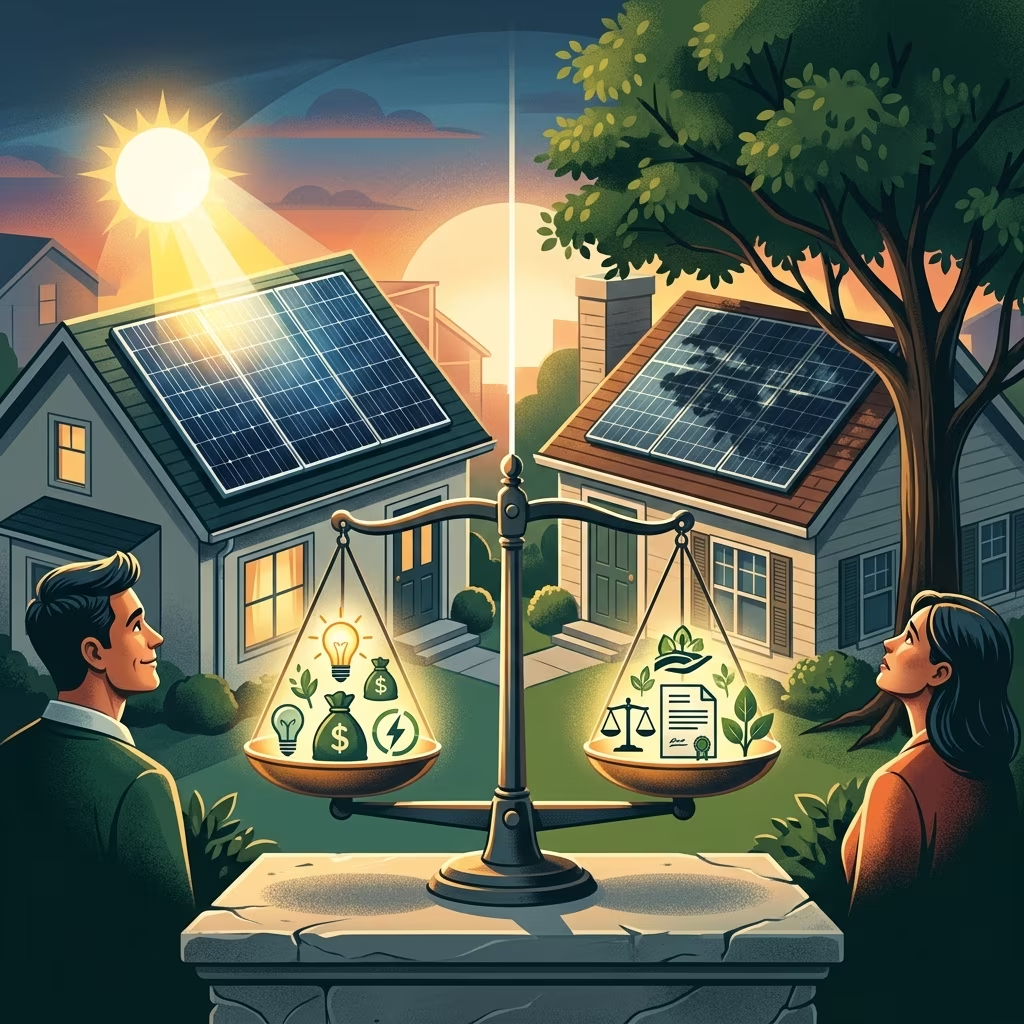
Disputes commonly arise when a neighbor’s trees or new construction shade existing panels, lowering energy output. Some jurisdictions provide limited solar access protections, but many still prioritize traditional property rights such as the right to build or plant trees.
Potential conflict scenarios include:
- An existing tree grows taller and starts shading a recently installed solar array.
- A neighbor adds a second story that blocks the sun path to your roof.
- A shared fence or structure modification alters light angles significantly.
Resolution may involve negotiated trimming, architectural adjustments, or, in rare cases, formal solar easements recorded against property titles.
4. Roof Damage, Leaks, and Responsibility
When panels are installed, penetrations in roofing materials, added weight, and mounting systems can introduce new risk of leaks or structural issues. Neighbors may object if they share elements of the roof (such as in townhouses), or if runoff and equipment are close to their property line.
Key questions include:
- Who owns the roof in multi-unit or attached housing?
- Is the system installed on common property controlled by an HOA?
- What do installation and warranty contracts say about repairs and liability?
5. Problems with Solar Companies and Financing
In some disputes, the friction is not between neighbors but between owners and solar companies. Misleading sales tactics, unrealistic savings claims, or poorly explained financing terms can leave homeowners feeling trapped.
- Promises of “no electric bill” that are not backed by actual performance data.
- Contracts with steep escalation clauses or long terms that were not fully explained.
- Installers failing to obtain required permits or HOA approvals.
Consumer protection statutes and contract law provide avenues to address these issues, but they may indirectly fuel neighbor disputes if panels are removed, abandoned, or left in poor condition.
How to Prepare Before Installing Solar Panels
Proactive steps taken before installation can prevent many disputes. Preparation involves not only technical design but also social and legal groundwork.
Review Legal and HOA Requirements
Before signing any solar contract, review:
- State statutes on solar rights and HOA limitations.
- HOA governing documents, including CC&Rs, design guidelines, and approval procedures.
- Local building codes regarding electrical work, roof load, and fire safety.
Consider consulting a local real estate or HOA attorney if rules are complex or if you plan an unusual installation.
Engage Neighbors Early
Transparent communication with neighbors reduces the likelihood of surprise and hostility. While not legally required in most places, it is often practical.
- Share basic design mock-ups or renderings of the planned installation.
- Explain expected benefits, including potential reduction in strain on local grid infrastructure.
- Invite questions about glare, noise, or visibility and consider modest design adjustments where feasible.
Understand Your Contract and Financing
Solar agreements can be lengthy and technical, but their details matter.
- Calculate total payments over the full term, not just monthly costs.
- Check who owns the equipment and how that affects property sale or refinancing.
- Identify any arbitration clauses or mandatory mediation requirements.
Having clarity on these points helps if a dispute arises later with either the installer or an HOA.
Practical Steps to Resolve Solar Panel Disputes
When conflict occurs, many jurisdictions encourage or require attempts at informal resolution and alternative dispute resolution before litigation. A calm, structured approach can keep costs down and preserve relationships.
1. Informal Discussion and Documentation
Start with direct conversation whenever possible. Misunderstandings about how systems work or what rules apply are common.
- Meet in person or via video to discuss specific concerns.
- Use diagrams or performance data to illustrate your position.
- Follow up with written summaries or email recaps for clarity.
Keep records of all communications and relevant photos or reports. This documentation may be important if formal processes become necessary.
2. HOA Internal Resolution Procedures
Many HOAs offer internal dispute resolution (IDR) or similar processes, which may involve meetings with board members or committees.
- Request a hearing or review if an application was denied.
- Present legal research highlighting applicable solar rights statutes.
- Offer alternative designs that meet both energy goals and aesthetic guidelines.
3. Mediation and Arbitration
If informal efforts fail, mediation or arbitration may be the next step. Some state laws or contracts require attempts at alternative dispute resolution (ADR) before filing suit.
- Mediation: A neutral facilitator helps parties explore compromises.
- Arbitration: A neutral decision-maker issues a binding or non-binding decision.
- ADR can be faster and more private than court proceedings, but arbitration clauses can limit options such as class actions.
4. Formal Legal Action
As a last resort, parties may turn to the courts. Potential claims include:
- Violation of solar rights or HOA statutes if an association unlawfully restricts installations.
- Consumer protection or deceptive trade practices claims against solar companies for misleading representations.
- Breach of contract claims regarding installation quality, warranties, or financing terms.
- Nuisance or trespass claims if panels or related equipment significantly interfere with neighboring property.
Because outcomes depend heavily on local law and precise facts, consulting a lawyer who understands energy and property law in your jurisdiction is essential.
Frequently Asked Questions About Solar Panel Disputes
Can my HOA completely ban solar panels?
In many states, HOAs cannot impose a total ban on solar energy devices, though they can apply reasonable restrictions related to health, safety, or aesthetics. You should review both state statutes and HOA documents to see what limits apply where you live.
What if my neighbor’s tree starts shading my panels after installation?
Rights related to sunlight vary significantly by jurisdiction. Some areas recognize limited solar access protections or allow recorded solar easements, while others prioritize the neighbor’s right to use their land. Negotiation over trimming or compensation is often the most practical initial approach.
Do I need neighbor consent to install rooftop solar?
Generally, you do not need neighbor consent to install code-compliant rooftop solar on property you fully own, but you may need HOA approval or permits. In multi-unit or attached properties, consent may be required if the roof is common or shared.
How can I tell if a solar company misled me?
Signs of misleading conduct include unrealistic savings projections, failure to disclose total financing costs, or incomplete explanations of ownership and maintenance duties. Consumer protection laws often provide remedies if you relied on deceptive statements when signing the contract.
What should I do first if a dispute arises?
Start by reviewing all relevant documents (HOA rules, statutes, contracts), then organize a calm conversation with the other party. Document the discussion in writing. If you cannot reach agreement, consider mediation or consulting an attorney experienced in solar and property disputes.
References
- Navigating Solar Panel Disputes with Your HOA — LS Carlson Law. 2023-08-01. https://www.lscarlsonlaw.com/articles/solar-panel-disputes-hoa-legal-rights-solutions
- Solar Rights & Regulations — Go Solar Texas (State of Texas). 2025-05-29. https://www.gosolartexas.org/solar-rights-regulations
- Texas Homeowners vs. Misleading Solar Companies — Palker Law. 2024-04-10. https://palkerlaw.com/blog/misleading-solar-companies/
- Solar Panel Litigation — Rivers Law Firm LLC. 2023-11-15. https://www.riverslaw.net/solar-panel-litigation
- Solar Fraud/Problems with Your Home Solar Company — Macy Hanson Law. 2023-09-20. https://www.macyhanson.com/blog/solar-fraudproblems-with-your-home-solar-company/
- Your Solar Case May Be Over, But You May Still Have Questions — Prevost Law Firm. 2022-12-05. https://www.facebook.com/prevostlawfirm/posts/122314935548224926/
- Solar Panel Property Damage Attorney: Full Payout Guide — Solar Info Path. 2024-10-01. https://solarinfopath.com/solar-panel-property-damage-attorney/