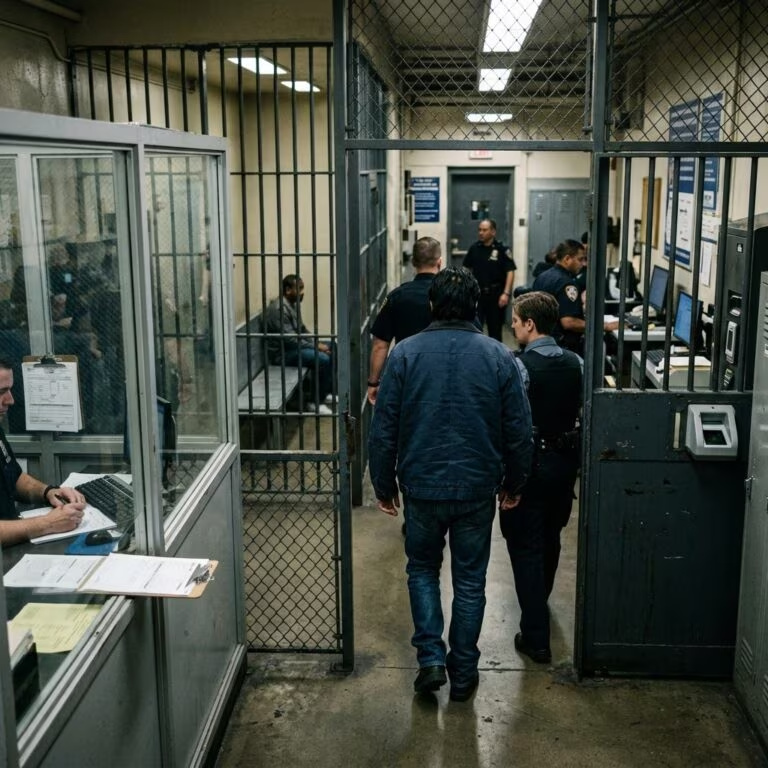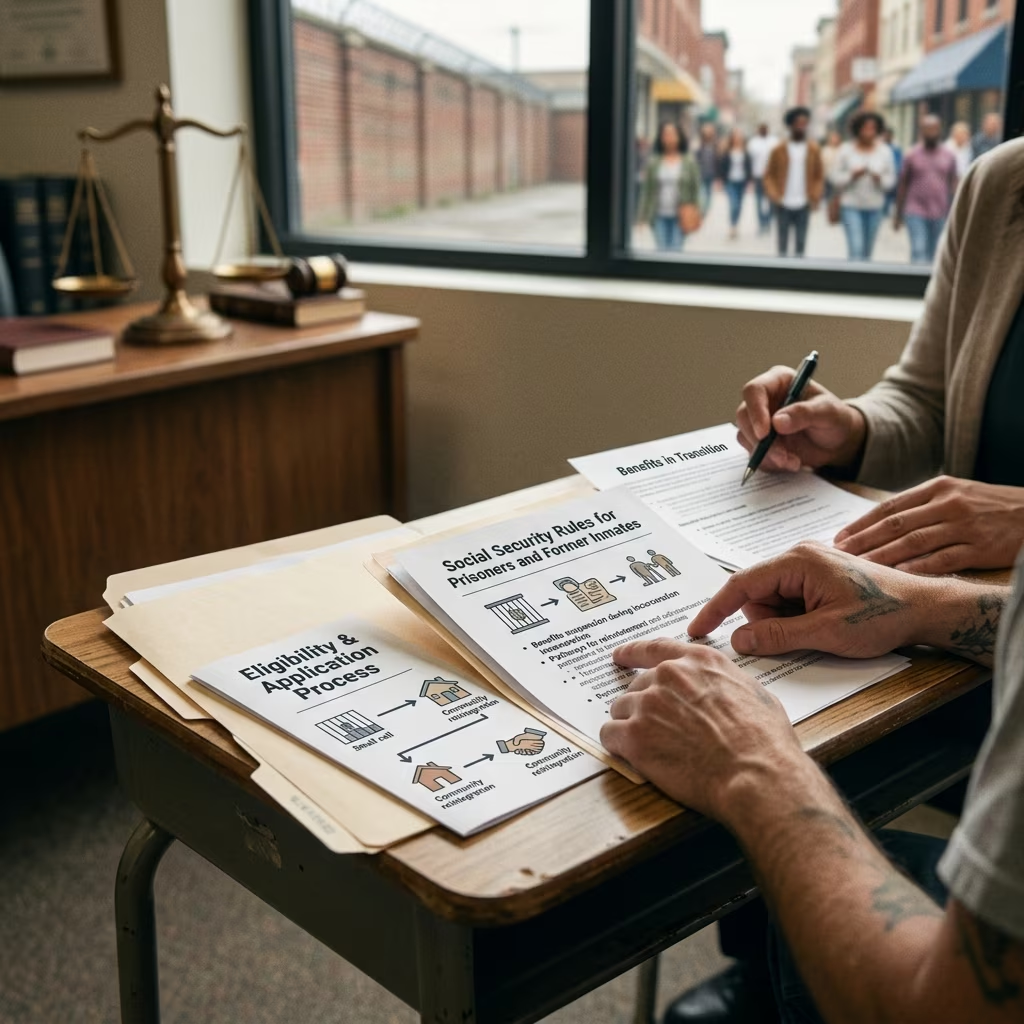
Understanding how Social Security and Supplemental Security Income (SSI) work before, during, and after incarceration is essential for protecting your financial stability and planning for life after release. Many people only learn about these rules once their checks stop, leading to unexpected gaps in income and stressful overpayments that must be repaid. This guide explains, in plain language, the key rules, your responsibilities, and practical steps you can take while in custody and as you prepare to reenter the community.
1. The Basics: Social Security vs. SSI for People in Prison
Social Security and SSI are separate programs with different eligibility rules, but both have special provisions for people who are incarcerated. Knowing which program you receive benefits from is the first step to understanding how your payments will be affected.
1.1 Key Differences Between Social Security and SSI
| Program | Who It Serves | Funding Source | Effect of Incarceration |
|---|---|---|---|
| Social Security (Retirement, Survivors, Disability) | Workers and certain dependents who paid Social Security taxes and earned enough work credits. | Payroll taxes on earnings (FICA). | Benefits are suspended after more than 30 continuous days of confinement following conviction. |
| Supplemental Security Income (SSI) | People 65 or older, blind, or disabled with very low income and resources. | General federal tax revenues. | Payments stop after one full calendar month in a public institution; terminated after 12 consecutive months. |
Many prisoners qualify for Social Security Disability Insurance (SSDI) or SSI because of serious health conditions, but both programs limit payments while someone is in a jail, prison, or similar public institution.
1.2 Why Federal Law Limits Payments to Prisoners
Under federal law, monthly benefits generally cannot be paid to individuals for months in which they are confined in a correctional or public institution after conviction. The policy is based on the idea that basic needs like food, shelter, and medical care are provided by the institution, so cash benefits are not needed for living expenses in the same way as for people in the community.
- Restrictions apply to the incarcerated person, not automatically to their eligible family members.
- Rules differ depending on whether you receive Social Security retirement/disability or SSI.
- Pretrial detention (awaiting trial) is treated differently than post-conviction confinement.
2. What Happens to Your Benefits When You Go to Prison
The impact of incarceration on benefits depends on how long you are confined and which program pays you. Failing to notify the Social Security Administration (SSA) can result in overpayments that you must repay later.
2.1 Social Security Retirement, Survivors, and Disability (SSDI)
If you are convicted of a crime and confined to a jail, prison, or other penal institution for more than 30 continuous days, your Social Security retirement, survivors, or disability payments are suspended.
- Suspension begins for the first full month after you meet the 30-day confinement rule.
- You are not eligible for benefits for any month in which any part of the month falls within a period of more than 30 days of confinement.
- The suspension applies regardless of whether you were receiving retirement benefits based on age or disability benefits based on medical eligibility.
Importantly, suspension does not mean your eligibility is permanently taken away. For Social Security retirement and disability benefits, payments can resume when you are released and meet all other requirements.
2.2 SSI Payments During Incarceration
SSI has stricter rules because it is only payable to people living in the community and not in public institutions.
- SSI stops after you have been in jail or prison for one full calendar month.
- If you remain confined for 12 consecutive full months, your SSI eligibility is terminated, not just suspended.
- After termination, you must file a new application and prove again that you meet the SSI disability and income rules.
The law treats inmates as residents of public institutions, and SSI generally is not payable for months in which someone resides in such institutions. There are limited exceptions, such as short stays or confinement mainly for medical or psychiatric treatment, but most people in prison will have their SSI stopped.
2.3 Pretrial Detention vs. Post-Conviction
Being held in custody while your criminal case is still pending is not handled the same way as post-conviction incarceration.
- Social Security benefits are not automatically suspended just because you are in custody awaiting trial.
- Suspension generally requires a conviction and confinement longer than 30 days.
- If charges are dismissed, you are acquitted, or your conviction is overturned, Social Security may treat this differently and can continue or reinstate benefits.
However, institutions often still report your custody status, and SSA may take action based on available information, so it is important to clarify your situation with Social Security if you are in long-term pretrial custody.
3. Benefits for Your Spouse, Children, and Other Family Members
Even when your own benefits stop during incarceration, those paid to family members based on your earning record may continue as long as the family members themselves remain eligible.
3.1 Who May Receive Benefits on Your Record
- Current spouse (in some cases divorced spouse) receiving benefits based on your work history.
- Minor children or certain adult children with disabilities receiving dependents’ or survivors’ benefits.
- Widow, widower, or other surviving dependents receiving survivors’ benefits if you die while eligible.
Your incarceration does not automatically cut off these payments. As long as they satisfy age, disability, and other Social Security requirements, benefits to dependents can continue.
3.2 Communicating with Your Family
Because your family may still rely on these payments for basic living expenses, keeping them informed about your status and any changes in your benefits is critical.
- Encourage family members to contact SSA directly to confirm their benefits if you go to prison.
- Explain that your personal suspension does not automatically stop their payments.
- Help them gather necessary documents (birth certificates, marriage records, Social Security numbers, etc.) to prove ongoing eligibility.
4. Overpayments and Your Duty to Report Incarceration
One of the most serious financial problems prisoners face is overpayment—money paid by Social Security for months when the law says you were not entitled to receive benefits.
4.1 How Overpayments Happen
- The jail or prison fails to report your confinement to SSA in a timely way.
- You or your representative do not notify Social Security when you are convicted and confined.
- Checks or direct deposits continue after you meet the suspension rules, and the money is used or not returned.
Because SSA cannot legally pay benefits for months you are incarcerated beyond permitted limits, any payments made for those months are considered overpayments and must generally be repaid.
4.2 Your Responsibility to Report
When you first applied for benefits, SSA informed you that certain changes—such as incarceration—must be reported. Keeping Social Security updated is part of your responsibility as a beneficiary.
- Report the date of conviction and the date you began serving your sentence.
- Provide the name and address of the correctional facility.
- Notify SSA again if you are transferred or if your custody status changes (for example, release to a halfway house).
Reporting early reduces the risk of overpayment and makes restarting benefits smoother when you are released.
5. Preparing for Release: Restarting or Applying for Benefits
Planning for benefits before you leave prison can make the transition to community living far less difficult. SSA allows certain prerelease processes to help benefits resume quickly once you get out.
5.1 Restarting Social Security Retirement or Disability
If you received Social Security retirement or disability benefits before incarceration, those benefits were suspended, not permanently ended. After release, they can be reinstated once SSA confirms your eligibility.
- Contact SSA as soon as you know your expected release date; many facilities work with SSA on prerelease coordination.
- Provide official correctional release documents when requested.
- Confirm your current address, bank information (if using direct deposit), and any changes in marital or family status.
SSA generally can restart Social Security retirement or disability payments the month after your release, as long as all other requirements are met.
5.2 Restarting SSI After Shorter Periods of Confinement
For SSI recipients who were confined for less than 12 consecutive months, payments are suspended but eligibility is not terminated.
- Use SSA’s prerelease procedure, if available, to restart SSI as of the month you leave custody.
- Work with prison case managers or reentry staff to submit information ahead of time.
- Report any changes in income or resources, since SSI is based on financial need.
Timely coordination can prevent long gaps between release and the first SSI payment, which can otherwise create hardship for people with no other income.
5.3 Reapplying for SSI After 12 Months or Longer
If your SSI was terminated because you spent 12 consecutive months or more in a public institution, you must file a new application after release.
- Be prepared to provide medical records supporting your disability, financial information, and identification documents.
- SSA will re-evaluate your disability status and financial eligibility under current rules.
- Approval may take time, so it is wise to apply as soon as possible after release.
Although restarting SSI after termination involves more work, prior receipt of benefits does not prevent you from qualifying again if you still meet the criteria.
5.4 New Applications After Prison
Some people were not receiving Social Security or SSI before they went to prison but may qualify after release due to age, disability, or low income.
- If you never received benefits before, you can file a new application once you are released.
- You must meet the same work-credit requirements for Social Security retirement or disability as anyone else.
- Prison work typically does not count toward Social Security work credits if it is not covered by Social Security taxes.
Reentry programs and legal aid organizations often help former inmates gather the documents needed to apply—such as medical records, proof of identity, and financial information.
6. Special Situations: Halfway Houses, Parole, and Public Institutions
Not all post-prison living arrangements are treated the same. Whether you can receive benefits in a halfway house or under supervision depends on who controls the facility and your status under the corrections system.
6.1 Living in a Halfway House or Reentry Center
Some halfway houses are operated or controlled by state or local corrections agencies, while others are community-based programs or private facilities.
- If the halfway house is under the authority of a state Department of Corrections, SSA generally treats you as still under correctional custody.
- In such cases, Social Security often will not pay benefits until you are released from total correctional control.
- If you live outside prison, pay your own expenses, and are no longer in the custody of the Department of Corrections, you may be able to receive benefits again.
Because these distinctions are complex, it is essential to check with SSA and clarify whether your living situation is considered a public institution or community residence.
6.2 Parole and Probation
Being on parole or probation usually does not, by itself, prevent you from receiving Social Security or SSI, as long as you are not in a correctional or public institution.
- You can generally receive benefits while living in the community under supervision.
- If you are returned to custody for violating conditions, the incarceration rules apply again.
6.3 Medical and Psychiatric Confinement
In some cases, inmates are confined in medical or psychiatric facilities instead of traditional prisons. Federal rules recognize limited exceptions in these situations.
- Confinement primarily for medical or psychiatric treatment may be treated differently than standard prison sentences under SSI rules.
- Short stays under a full month may not trigger the same suspension or termination rules.
Because these situations involve complex legal and medical factors, seeking legal advice or assistance from disability rights organizations can be especially helpful.
7. Practical Tips for Prisoners and Families
Successfully managing Social Security and SSI issues during and after incarceration requires planning, communication, and documentation. The following suggestions can help reduce problems and delays.
- Keep copies of all SSA letters and decisions you receive, including notices about suspension or overpayments.
- Use prison case managers or reentry staff to connect with SSA for prerelease procedures when possible.
- Inform family members about your benefit status, so they can prepare for changes in household income.
- Apply early after release if you need to restart SSI or file a new claim; approval can take several months.
- Seek legal help from community legal aid or disability rights organizations if you receive an overpayment notice or denial you believe is incorrect.
8. Frequently Asked Questions (FAQs)
Q1: Can I receive Social Security checks while I am in prison?
Generally, no. If you are convicted and confined for more than 30 consecutive days, Social Security retirement, survivors, or disability benefits are suspended for the months of incarceration. SSI payments also stop after one full month in a public institution.
Q2: Do my spouse and children lose their benefits when I go to prison?
No. Benefits paid to your dependent spouse, children, or other eligible family members based on your work record usually continue as long as those relatives themselves remain eligible under Social Security rules.
Q3: What happens if Social Security keeps paying me after I am incarcerated?
Any payments made for months when you are legally ineligible are considered overpayments, and SSA will usually require that the money be repaid. Promptly reporting your incarceration helps avoid or reduce overpayments.
Q4: Can I get my benefits back when I am released?
Yes. Social Security retirement and disability benefits can be reinstated after your release if you still meet eligibility requirements. For SSI, your payments can restart after shorter periods of confinement but are terminated if you were in a public institution for 12 consecutive months or more, in which case you must reapply.
Q5: Does work I did in prison count toward Social Security?
In most cases, earnings from work performed while incarcerated do not appear on your Social Security record and do not count toward work credits, because they are not covered by Social Security payroll taxes.
Q6: Do I need a lawyer to handle Social Security issues related to incarceration?
You are not required to have a lawyer, but legal aid organizations, disability rights groups, and reentry programs can be very helpful—especially if you face overpayment claims, denial of benefits, or complicated issues involving halfway houses and public institutions.
References
- Benefits After Incarceration: What You Need to Know — Social Security Administration. 2023-06-01. https://www.ssa.gov/reentry/benefits.htm
- Can prisoners get Social Security or Supplemental Security Income (SSI) payments? — Social Security Administration FAQ. 2023-05-10. https://www.ssa.gov/faqs/en/questions/KA-02549.html
- Incarceration — Social Security Administration. 2022-11-15. https://www.ssa.gov/life-events/incarceration
- Social Security and Prisons — People’s Law Library of Maryland. 2021-09-01. https://www.peoples-law.org/node/560/printable/print
- Effect of Incarceration on SSA Benefits (INMATE-6E) — Disability Rights Pennsylvania. 2026-01-01. https://www.disabilityrightspa.org/wp-content/uploads/2026/01/Effect-of-Incarceration-on-SSA-Benefits-INMATE-6E-January-2026-1.pdf
- Going to prison? Social security and health care issues — Washington LawHelp. 2022-08-01. https://www.washingtonlawhelp.org/en/prison-social-security-health-care
- Social Security Primer — Congressional Research Service via Congress.gov. 2020-02-18. https://www.congress.gov/crs_external_products/IF/HTML/IF12138.web.html