
Social Media and Restraining Orders: Legal Risks
Understand how social media interactions can breach restraining orders and face serious legal consequences in the digital age.
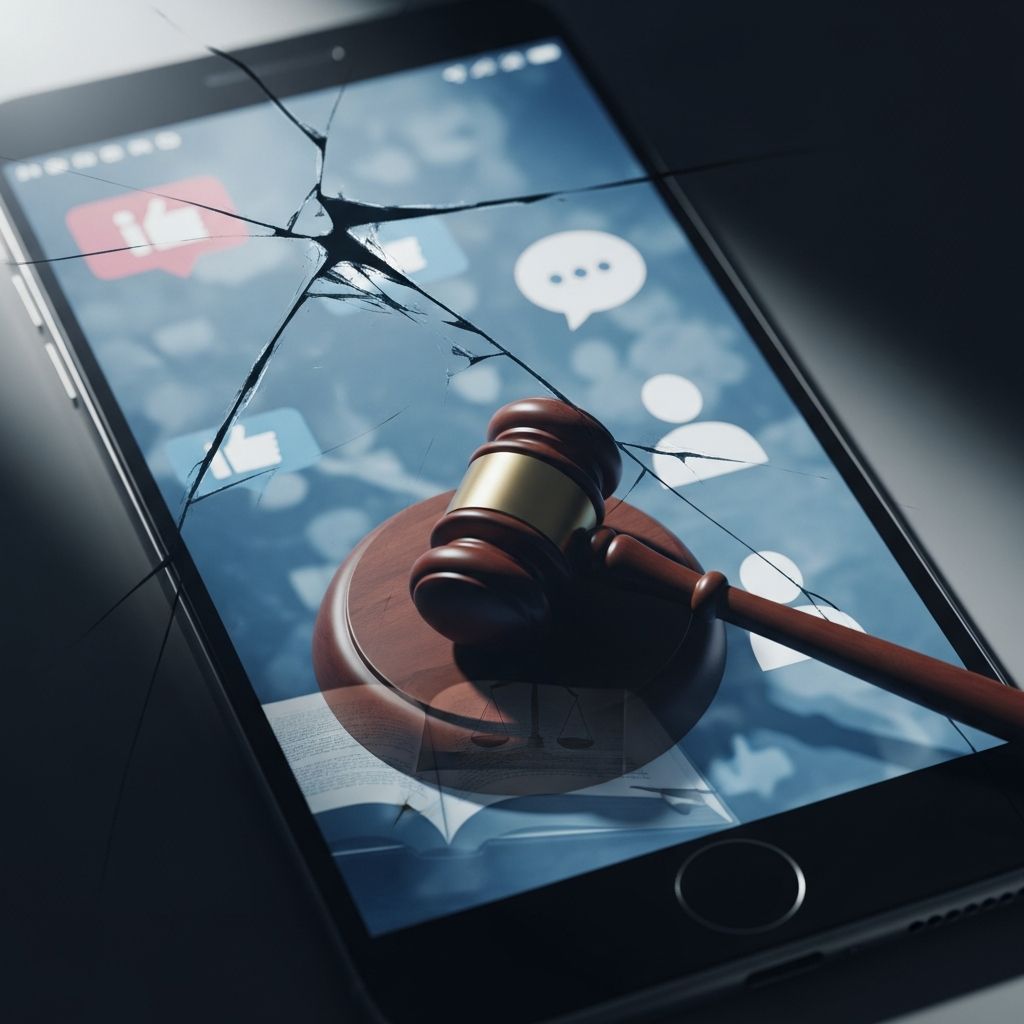
In today’s interconnected world, social media platforms like Facebook, Instagram, and Twitter have transformed communication. However, for individuals bound by restraining orders or no-contact directives, these tools pose significant legal hazards. Courts increasingly interpret digital interactions as forms of prohibited contact, leading to arrests, fines, and extended restrictions. This article delves into the nuances of how online behavior intersects with legal protections, offering insights to help navigate these boundaries safely.
Understanding Restraining Orders in the Digital Era
Restraining orders, also known as protective orders or orders of protection, are court-issued mandates designed to safeguard individuals from harassment, stalking, or abuse. They typically prohibit direct or indirect contact with the protected party, encompassing physical proximity, phone calls, emails, and now, social media engagements.
The language in these orders has evolved to address modern technology. Many explicitly ban ‘communication through any means, including electronic or social media.’ Even vague phrasing is often construed broadly by judges to include online actions that could be perceived as intrusive or harassing.
Key elements of a typical restraining order include:
- No direct contact: Messages, calls, or visits.
- No indirect contact: Using third parties or public posts that reference the protected person.
- Stay-away provisions: Maintaining physical distance, extended to digital spaces.
- No harassment: Actions intended to annoy, alarm, or intimidate.
Failure to adhere can escalate a civil matter into criminal charges, underscoring the need for strict compliance.
How Social Media Actions Trigger Violations
What constitutes a violation on social media? Courts have ruled that even passive interactions cross legal lines. Sending a friend request, liking a photo, or commenting on a post can notify the protected party, effectively constituting contact.
Consider these common pitfalls:
- Direct messaging or poking: Explicit attempts to communicate, ruled as contact in multiple cases.
- Liking or reacting: A 2015 Pennsylvania case saw a man arrested for liking 22 posts of his ex, violating his order.
- Tagging or mentioning: A 2016 ruling held that tagging sends a notification, breaching ‘no contact through any means’.
- Public posts about the person: Sharing details or opinions can harass indirectly, as in a 2024 New Jersey case where a Facebook post about an ex’s personal life led to a final restraining order.
- Following or viewing profiles: While viewing might not notify, following often does, alerting the user.
These actions mirror real-world prohibitions. Just as approaching someone physically is banned, digital equivalents are treated similarly.
Real-World Court Cases Illustrating the Risks
Courts across the U.S. have handed down precedents that clarify social media’s role in violations. In one notable 2009 decision, a ‘Facebook poke’ was deemed communicative because it required selecting and interacting with a specific user, violating the order’s no-contact clause.
Another example from Pennsylvania involved a man ‘liking’ multiple images, leading to arrest despite no messages sent. The court viewed the likes as intentional engagement. In 2016, tagging a relative in a derogatory post was ruled a breach, as the notification functioned as contact.
More recently, in E.S. v. G.S., Jr. (2024), a divorced man’s Facebook post disclosing his ex-wife’s mental health and alleged affairs prompted harassment claims. Despite no direct message, the post caused third-party communications, resulting in a upheld final restraining order. The court cited a prior consent order banning social media contact and statutory harassment definitions.
| Case Year | Action | Ruling | Jurisdiction |
|---|---|---|---|
| 2009 | Facebook poke | Violation – form of contact | Undisclosed |
| 2015 | Liking 22 posts | Arrest for no-contact breach | Pennsylvania |
| 2016 | Tagging in post | Violation via notification | Undisclosed |
| 2024 | Post about ex’s life | Final order affirmed | New Jersey |
These cases demonstrate judicial willingness to adapt no-contact rules to digital realities, prioritizing victim safety.
Consequences of Breaching Orders via Social Media
Violations carry severe repercussions. Initial breaches often result in misdemeanor charges, fines up to $1,000-$5,000, and jail time from 30 days to a year, depending on jurisdiction and history.
Repeat offenses escalate to felonies, with longer sentences and permanent records affecting employment and housing. Courts may extend or modify orders, adding stricter terms like device monitoring.
In domestic violence contexts, like Protection From Abuse (PFA) orders, violations lead to immediate arrest. A seemingly minor like or tag can trigger police intervention, especially if reported. Civil penalties include contempt findings, further restraining orders, or custody impacts in family cases.
Long-term effects include:
- Criminal record hindering job prospects.
- Loss of firearm rights under federal law (Lautenberg Amendment).
- Immigration consequences for non-citizens.
- Heightened scrutiny in future legal matters.
Strategies for Compliance and Safe Online Habits
Avoiding violations requires proactive steps. First, block and unfollow the protected person across all platforms immediately upon receiving the order.
Use privacy settings to limit post visibility, avoiding any content that could reference or be seen by the protected party or mutual contacts. Delete old posts or photos involving them to prevent accidental shares.
Communicate order terms clearly with family and friends, warning against indirect relays. Document compliance efforts, like screenshots of blocks, for potential defense.
If unsure about an action, err on caution—consult a lawyer before posting. Apps and browser extensions can block sites, aiding impulse control.
Defending Against Alleged Violations
If accused, defenses include lack of intent, misinterpretation of order language, or third-party actions. However, courts emphasize strict liability for clear terms.
An experienced attorney can argue context, such as public posts not targeting the protected party, or challenge notification evidence. In the 2024 New Jersey case, the defense failed due to admitted intent and prior history. Early legal counsel is crucial to mitigate damages.
Frequently Asked Questions (FAQs)
Can viewing someone’s profile violate a restraining order?
Viewing alone typically doesn’t notify or contact, but following or engaging does. Courts focus on actions causing awareness.
Is posting about someone without tagging okay?
No, if identifiable or harassing, it can breach via indirect harassment, as seen in recent rulings.
What if a third party shares my post with the protected person?
You risk violation if the post targets or annoys them, especially under prior consent orders.
How do I prove compliance in court?
Keep records of blocks, privacy settings, and communications advising others to cease contact.
Do all states treat social media the same way?
Rules vary, but most follow broad ‘no contact’ interpretations. Check local statutes.
Conclusion: Prioritizing Safety in a Digital World
Restraining orders demand vigilance online. Social media’s ease amplifies risks, but awareness and restraint protect both parties legally. Seek professional advice for personalized guidance, ensuring orders serve their protective purpose without unintended escalations.
References
- Can You Follow Someone on Social Media with a Restraining Order? — Kelman Sky Law. Accessed 2026. https://kelmanskylaw.com/restraining-order-following-social-media/
- Can a Bad Social Media Post Lead to a Final Restraining Order? — JD Supra. 2024-02-08. https://www.jdsupra.com/legalnews/can-a-bad-social-media-post-lead-to-a-4984065/
- Facebook Use Violation in PFA Orders — Logue Law Group. Accessed 2026. https://www.seanloguelaw.com/areas/uniontown/pfa/facebook-use-violation-in-pfa-orders/
- Navigating No-Contact Orders: Social Media and Legal Boundaries — McAleer Law. Accessed 2026. https://mcaleerlaw.net/no-contact-orders-social-media-law/
Similar Articles








Read full bio of Sneha Tete




