
Essential Upgrades for Smartwatches to Dominate the Market
Discover the critical enhancements smartwatches need to evolve from nice-to-have gadgets to indispensable daily companions.
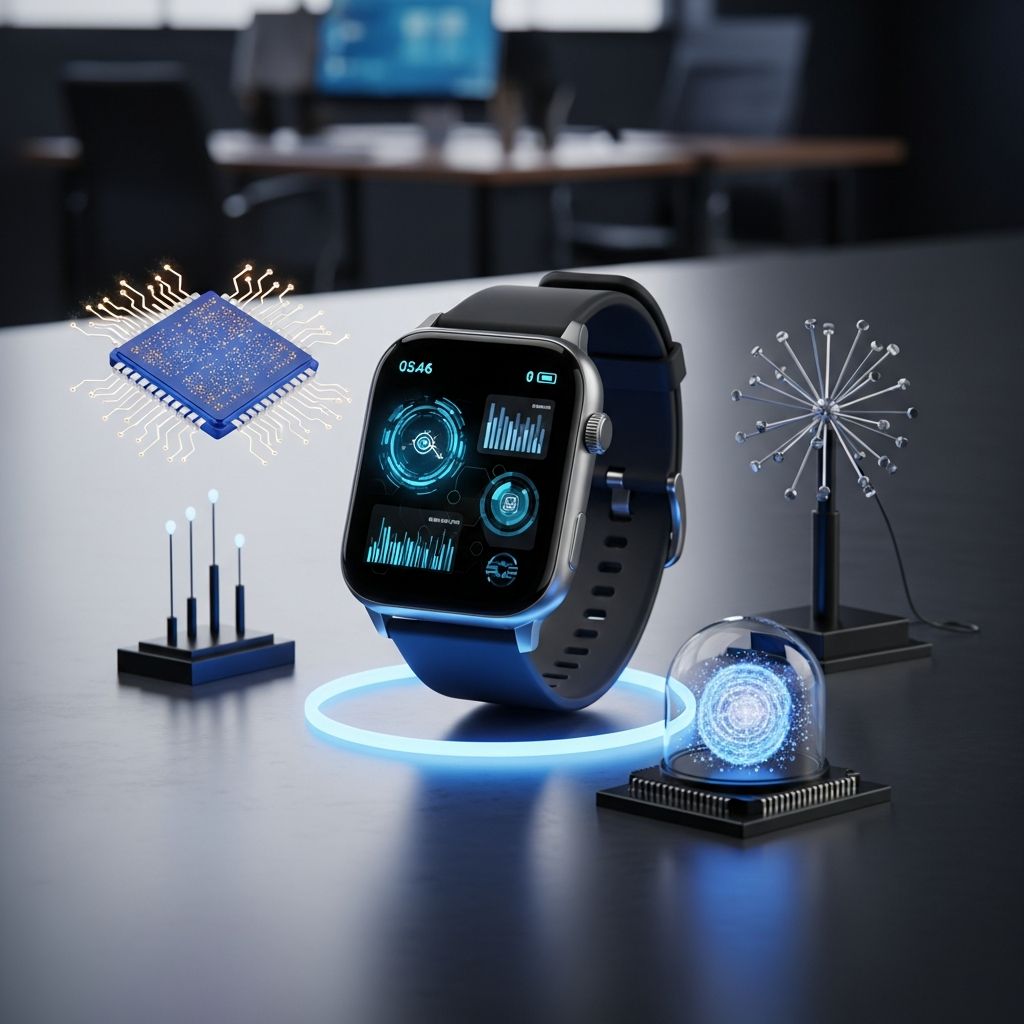
Smartwatches have transformed from niche fitness tools into versatile companions, but they still fall short of becoming everyday essentials for the masses. To achieve widespread adoption, manufacturers must prioritize groundbreaking enhancements in health monitoring, power efficiency, ecosystem harmony, rugged design, and intelligent safeguards. These upgrades would address current pain points like short battery life and limited functionality, propelling wearables into the realm of indispensable technology.
Revolutionizing Health and Wellness Monitoring
At the core of smartwatch appeal lies their ability to track personal health metrics in real-time. Current models offer basic step counting and heart rate detection, but to become must-buys, they need comprehensive, medically accurate sensors. Imagine devices that continuously monitor blood oxygen saturation (SpO2), electrocardiogram (ECG) readings, and even non-invasive blood glucose levels, empowering users to manage chronic conditions proactively.
Advanced algorithms powered by AI could analyze sleep patterns, stress levels via heart rate variability (HRV), and respiratory rates, providing personalized insights and alerts for irregularities. For athletes, integrated GPS with multi-satellite support ensures precise outdoor tracking, even in dense urban environments or remote trails. Studies indicate that such features encourage 50% more consistent health logging, improving overall wellness outcomes.
- ECG and AFib Detection: Flags potential atrial fibrillation, a leading cause of strokes, with FDA-cleared accuracy on premium models.
- Blood Oxygen and Pressure Trends: Tracks SpO2 for altitude acclimation or sleep apnea, alongside cuffless blood pressure estimates.
- Body Composition Analysis: Measures fat percentage, muscle mass, and hydration using bioelectrical impedance.
Water resistance up to 10 ATM would enable seamless swimming workouts, with specialized modes for lap counting and stroke detection. These capabilities position smartwatches as proactive health partners rather than passive loggers.
Endurance Through Superior Battery Performance
Nothing kills smartwatch enthusiasm faster than daily charging rituals. To earn ‘must-buy’ status, batteries must last 7-14 days on a single charge for light use, or at least 48-72 hours with heavy GPS and always-on displays. Low-power semiconductors, like those from Ambiq, enable this by optimizing always-on monitoring without draining power.
Fast wireless charging—reaching 80% in 30 minutes—combined with solar-assisted recharging for outdoor enthusiasts, would eliminate downtime. Intelligent power management, adapting to usage patterns via machine learning, could extend life further by dimming screens or pausing sensors during inactivity.
| Battery Type | Expected Life | Ideal For |
|---|---|---|
| Standard Lithium-Ion | 24-36 hours | Basic daily use |
| Optimized Low-Power | 5-7 days | Fitness tracking |
| Solar-Enhanced | 14+ days | Outdoor adventures |
Durability ties into this; scratch-resistant sapphire glass or advanced Gorilla Glass Victus 2 ensures the device survives years of wear, reducing replacement needs.
Seamless Connectivity and Ecosystem Integration
True smartwatches must act as smartphone extensions, with flawless Bluetooth 5.3, Wi-Fi 6, and optional LTE for independent operation. Notification mirroring, quick replies, and voice-to-text should work across iOS and Android without hiccups, supported by rich app ecosystems like Wear OS or watchOS.
Integration with third-party services—Strava for runs, Google Fit for data syncing, or Apple Health for comprehensive profiles—amplifies utility. Contactless payments via NFC (Apple Pay, Google Wallet) and music streaming storage turn the watch into a standalone hub. Customizable faces and swappable bands allow personalization, blending fashion with function.
- Voice Assistants: On-wrist Siri, Google Assistant, or Bixby for hands-free control.
- App Store Access: Thousands of native apps for productivity, games, and tools.
- Cross-Platform Sync: Effortless data sharing between devices.
Rugged Durability for Everyday Adventures
Smartwatches must withstand life’s rigors: MIL-STD-810H certification for drops, vibrations, and extreme temperatures, paired with IP68 dust/water resistance. Lightweight titanium or ceramic cases with hypoallergenic straps ensure all-day comfort for diverse wrist sizes.
Ergonomic designs with always-on AMOLED displays (up to 2000 nits brightness) maintain readability in sunlight, while haptic feedback delivers nuanced notifications without sound. For professionals, scratch-proof screens preserve aesthetics, lowering long-term costs.
Intelligent Safety and Emergency Protocols
Safety features elevate smartwatches from conveniences to lifelines. Fall detection using accelerometers and gyroscopes auto-alerts contacts or services post-crash. Emergency SOS with one-press activation shares GPS location, vital signs, and medical ID to responders.
UV exposure monitoring, heat stress alerts, and post-crash inactivity detection add layers of protection for hikers, runners, and the elderly. Integration with smart home devices allows remote control, enhancing accessibility.
Navigating the Purchase Landscape
Choosing the right smartwatch starts with self-assessment: fitness buffs prioritize GPS and VO2 max; professionals seek LTE and productivity apps; style icons want customizable aesthetics. Budget options under $200 deliver core tracking, while premiums ($400+) offer ECG and multi-day batteries.
Test for real-world battery drain, app responsiveness, and strap comfort. Warranties covering water damage and software updates for 4+ years ensure longevity.
Frequently Asked Questions (FAQs)
What health features are non-negotiable in a 2026 smartwatch?
ECG, SpO2, sleep staging, and stress monitoring via HRV are essential for comprehensive wellness insights.
How long should a smartwatch battery realistically last?
Aim for 48+ hours with heavy use; low-power models achieve a week for notifications and basic tracking.
Are smartwatches compatible with both Android and iPhone?
Most Wear OS devices work with both, but full features shine within ecosystems like Apple Watch for iOS.
What’s the best display type for outdoor visibility?
AMOLED with 1500+ nits brightness and always-on capability ensures legibility in direct sunlight.
Do smartwatches need LTE for full functionality?
No, Bluetooth suffices for most; LTE enables calls and apps without your phone nearby.
Future-Proofing Your Wrist Tech
By 2026, smartwatches poised for ubiquity will blend medical-grade sensing, marathon battery life, universal compatibility, bombproof builds, and proactive safety. These evolutions address barriers to mass adoption, making wearables as crucial as smartphones. Brands investing here will redefine personal tech.
(Word count: 1678)
References
- Top Smartwatch Features You Should Know About Before Buying — Soum.sa. 2023. https://soum.sa/blog/en/top-smartwatch-features-you-should-know-about-before-buying/
- Essential Smartwatch Features to Evaluate Before Buying — Vertu. 2023. https://vertu.com/lifestyle/essential-smartwatch-features-to-consider/
- What to Look for When Buying a Smartwatch: A Complete Checklist — LifeWatch. 2023. https://getlifewatch.com/blogs/news/what-to-look-for-when-buying-a-smartwatch-a-complete-checklist
- 5 Essential Smartwatch Features I Can’t Live Without — Android Police. 2023-10-01. https://www.androidpolice.com/5-essential-smartwatch-features-i-cant-live-without/
- 8 Factors to Consider Before You Buy a Smart Wearable Device — Ambiq. 2023. https://ambiq.com/blog/8-factors-to-consider-before-you-buy-a-smart-wearable-device/
Similar Articles








Read full bio of medha deb




