
How Smartphones Sabotage Professional Success
Uncover the hidden ways your smartphone undermines career growth, productivity, and relationships in the modern workplace.
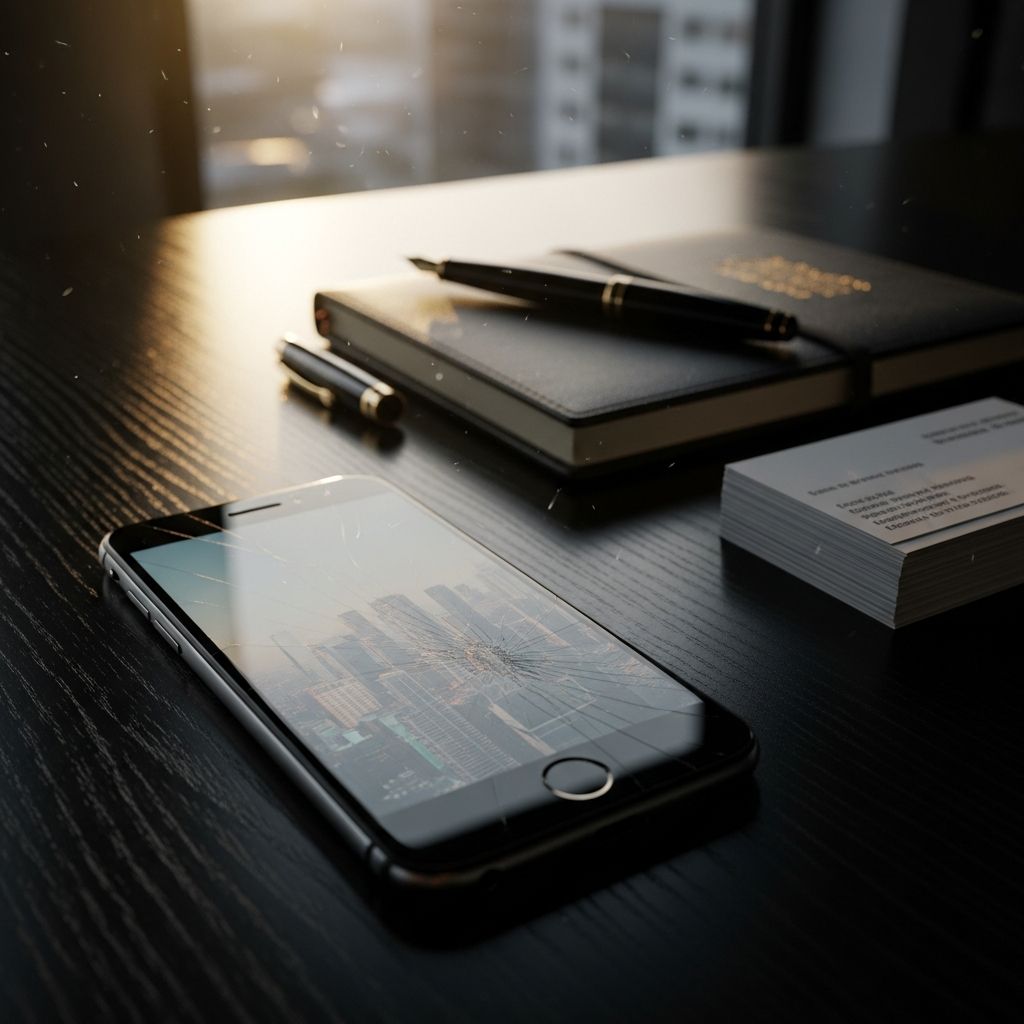
Smartphones have revolutionized communication and access to information, but they also harbor subtle threats to career trajectories. What was once a tool for convenience now often acts as a silent saboteur, chipping away at productivity, professionalism, and personal well-being. This article delves into the mechanisms through which mobile devices undermine professional lives, backed by research and real-world insights, and offers actionable strategies to reclaim control.
The Erosion of Focus and Cognitive Capacity
One of the most insidious impacts of smartphones is their assault on concentration. Constant notifications fragment attention, turning deep work into a series of shallow interruptions. Research indicates that the mere presence of a phone, even silenced, reduces available cognitive resources, impairing memory and problem-solving.
Professionals check their devices an average of 85 times daily, often including late-night scans for emails or social updates. This habit fosters ‘nomophobia,’ an anxiety tied to separation from one’s phone, further entrenching dependency. In high-stakes environments like meetings or creative brainstorming, these distractions compound, leading to diminished performance and overlooked opportunities.
- Notification Overload: Email pings and app alerts create a dopamine-driven cycle, pulling users from tasks every few minutes.
- Visible Device Effect: A phone on the table signals divided attention, lowering interaction quality in conversations.
- Midnight Checks: After-hours engagement blurs boundaries, perpetuating exhaustion.
To counter this, designate phone-free zones during work blocks. Studies show stowing devices out of sight boosts cognitive performance significantly.
Breaches in Workplace Etiquette and Perception
Smartphone etiquette—or the lack thereof—can tarnish professional reputations. A comprehensive study reveals stark norms: 87% view answering calls in business meetings as rarely or never acceptable. Even at casual lunches, 66% deem texting rude, with gender and age divides amplifying judgments.
| Context | % Finding Phone Use Inappropriate | Key Demographics |
|---|---|---|
| Business Meetings (Calls) | 87% | All ages/genders |
| Business Lunches (Texting) | 66% | Women (higher disapproval) |
| Lunches (Phone Visible) | 20% | Older professionals |
| Informal Calls (Excusing Self) | 30%+ | Cross-group |
Men are twice as likely as women to see texting at lunches as fine (59% vs. 34%), while younger workers (under 30) are three times more tolerant than those over 51. Having a phone out offends 20% outright, signaling disinterest. These missteps foster perceptions of unreliability, stalling promotions and networking.
In client-facing roles, such behaviors erode trust. Excusing oneself for calls fails to mitigate rudeness for over 30%. Cultivate awareness: silence devices pre-meeting and step away only for emergencies.
Blurring Boundaries: The Death of Downtime
Smartphones obliterate traditional work hours, fostering 24/7 availability expectations. Bring-your-own-device (BYOD) policies and corporate mobiles mean constant reachability, from holidays to family events. This kills the 8-hour workday, invading personal time and breeding burnout.
Emails at midnight or calls during kids’ games set precedents of perpetual responsiveness, unless boundaries are enforced. Super-users who work remotely via phone sacrifice family time, with notifications demanding immediate replies. The result? Diminished free time and strained relationships, indirectly harming career sustainability.
- Always-On Culture: Holidays and weekends become work extensions.
- Public Workspaces: Restaurants and homes turn into impromptu offices, annoying bystanders.
- Precedent Setting: Quick after-hours responses normalize intrusion.
Counter with auto-replies post-5 PM and scheduled check-ins. Communicate boundaries clearly to colleagues.
Long-Term Career Ramifications
Beyond immediate pitfalls, chronic smartphone reliance yields broader consequences. Reduced deep focus hampers innovation and skill-building, key to advancement. Superficial interactions from visible phones weaken networks, vital for opportunities.
Burnout from boundary erosion leads to higher turnover; exhausted professionals underperform. Etiquette lapses damage personal brands, with peers viewing users as unprofessional. Over time, these accumulate, stunting trajectories in competitive fields.
Quantifiable impacts include lower productivity metrics and missed promotions. A study baseline shows regional, gender, and age variances in tolerance, urging adaptation to diverse teams.
Strategies to Safeguard Your Career
Reclaim agency with deliberate habits:
- Digital Detox Periods: Store phones during focus hours; cognitive gains follow.
- Etiquette Protocols: No devices at tables; mirror strictest norms.
- Boundary Declarations: Use out-of-office replies; check hourly max.
- Mindful Usage: Track interactions to curb nomophobia.
- Tech Hygiene: Customize notifications; prioritize silent modes.
Implement gradually: start with one meeting phone-free weekly. Track improvements in output and feedback.
Industry Perspectives and Statistics
Across sectors, smartphone pitfalls persist. IT on-call roles demand availability, but non-essential fields suffer most from overreach. Business pros universally decry meeting distractions. Psychology underscores brain drain from proximity.
Adopting fixes enhances resilience. Leaders modeling boundaries foster healthier cultures, boosting retention.
Frequently Asked Questions (FAQs)
Can smartphones really affect promotions?
Yes, poor etiquette and distractions signal unreliability, influencing perceptions in evaluations.
How often should I check work email after hours?
Limit to scheduled times; avoid precedents unless job-mandated.
What if my boss expects 24/7 responses?
Negotiate boundaries explicitly; use auto-replies for protection.
Does phone presence alone hurt focus?
Absolutely; it depletes cognitive resources even silenced.
Are younger workers more tolerant of phone use?
Yes, 66% under 30 accept texting at lunches vs. 20% over 51.
Conclusion: Empower Yourself Against Digital Pitfalls
Smartphones amplify risks to careers via distraction, rudeness, and overavailability. Armed with awareness and tactics, professionals can harness benefits sans sabotage. Prioritize intentional use for sustained success.
References
- 3 Ways Your Smartphone is Killing Your Work-Life Balance — ClearanceJobs. 2019-01-16. https://news.clearancejobs.com/2019/01/16/3-ways-your-smartphone-is-killing-your-work-life-balance/
- How Smartphones Can Ruin Your Career — Trebuchet Magazine. N/A. https://www.trebuchet-magazine.com/smartphones-ruin-your-career/
- Why Your Smartphone Is Destroying Your Life — Psychology Today. 2018-01. https://www.psychologytoday.com/us/blog/startup-your-life/201801/why-your-smartphone-is-destroying-your-life
Similar Articles








Read full bio of medha deb




