
Smart Ways to Research a Neighborhood Before You Buy
A practical, data-informed guide to evaluating neighborhoods so you can buy a home with confidence and avoid unpleasant surprises.
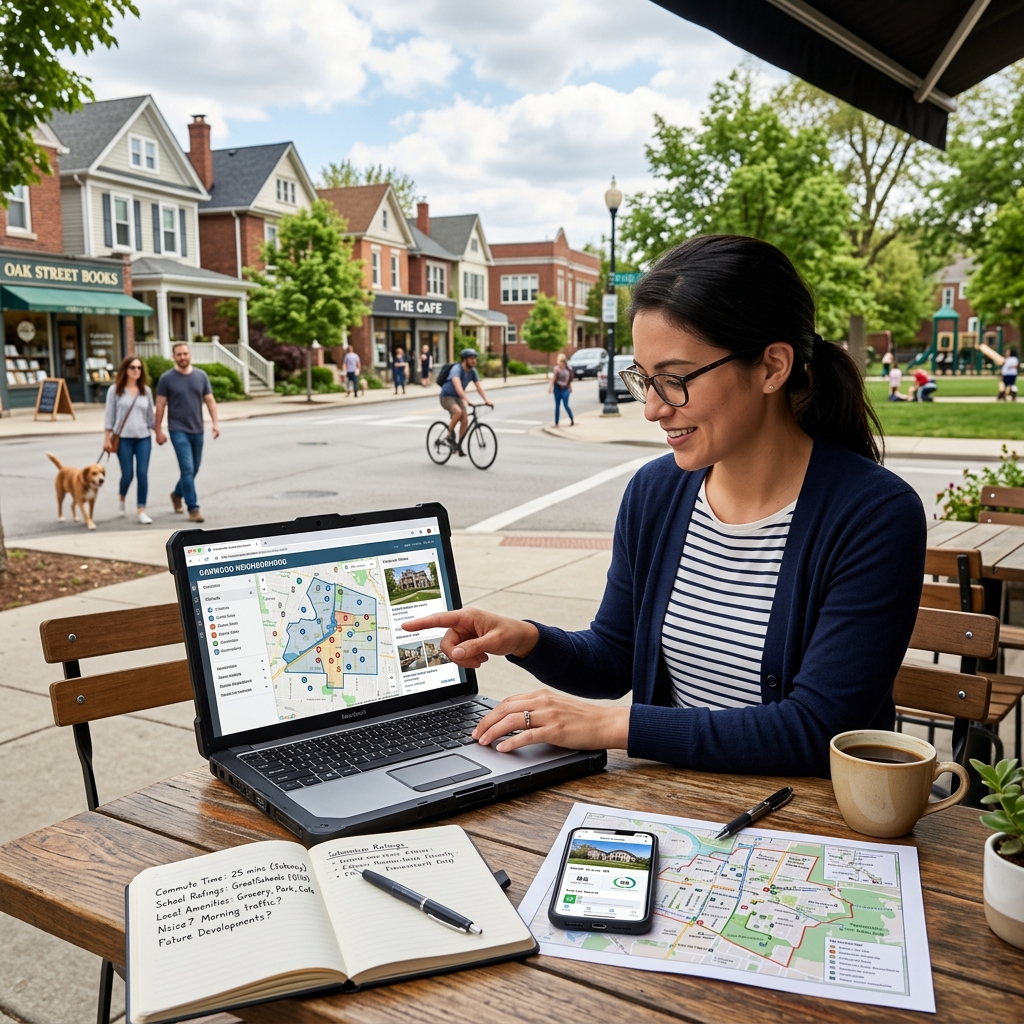
Choosing a neighborhood is one of the most critical decisions you will make when buying a home. The house can be renovated, but the area around it is largely beyond your control. Doing thorough, structured research helps you understand safety, schools, amenities, and long-term trends before you commit to a mortgage.
This guide walks you through how to combine official data, online tools, and real-world observations so you can evaluate any neighborhood with confidence.
Clarify Your Lifestyle and Neighborhood Priorities
Before you dive into data and maps, start by defining what “the right neighborhood” means for you. Different buyers value different things: some prioritize quiet streets and low crime, others want vibrant nightlife and short commutes.
Make your research easier by writing down your key priorities and dividing them into three simple groups:
- Must-haves: Non‑negotiable features such as safety level, maximum commute time, school quality, or access to public transit.
- Nice‑to‑haves: Desirable perks like parks within walking distance, local cafés, or a particular architectural style.
- Deal‑breakers: Conditions you absolutely want to avoid, such as frequent flooding, heavy traffic noise, or very high property taxes.
Having this list in front of you makes it easier to compare neighborhoods objectively and avoid being swayed only by a beautiful house.
Use Maps and Data to Get a Big-Picture View
Start with an aerial, big-picture understanding of the area. Online map services and official data portals can quickly reveal how a neighborhood is laid out, how it connects to the rest of the region, and what types of land uses surround it.
| Data Type | What to Look For | Why It Matters |
|---|---|---|
| Street and transit maps | Main roads, bus or train lines, bike routes | Indicates commute options, noise exposure, and accessibility. |
| Zoning and land use maps | Nearby commercial, industrial, or mixed‑use areas | Helps predict future development, traffic, and potential nuisances. |
| Population and income data | Demographics, household income, housing density | Provides insight into community character and economic stability. |
| Property value trends | Recent sale prices, appreciation rates | Shows whether the neighborhood is stable, improving, or declining. |
In the United States, many city and county planning departments publish zoning maps and development plans, which help you anticipate future projects that might affect noise, traffic, or property values. Some neighborhood analytics platforms also aggregate data on crime, schools, prices, and demographics to give a quick overview.
Evaluate Safety Using Reliable Crime Information
Perceived safety is one of the first things buyers consider. To move beyond anecdote, use official crime data and then combine it with what residents say.
Check Official Crime Statistics
The FBI Crime Data Explorer publishes crime statistics submitted by local law enforcement agencies. You can search by location to see counts and rates of different types of crime, such as property and violent offenses.
- Compare crime rates to city and regional averages, not just absolute numbers.
- Look for trends over several years to see if crime is rising, falling, or stable.
- Pay attention to the mix of crime types – for example, petty theft versus violent incidents.
Local police departments often maintain crime maps or logs on their websites, which can show more granular information, such as incidents on specific streets.
Review Specialized Safety Information
Safety isn’t just about general crime counts. Many regions maintain registries or public databases of specific risks:
- Sex offender registries: State and national databases indicate whether registered offenders live nearby.
- Traffic safety data: Transportation agencies sometimes publish crash statistics or traffic speed studies, useful if you worry about busy roads.
- Environmental hazards: Government environmental agencies may list contaminated sites or flood‑prone areas.
Talk to Residents About Everyday Safety
Official statistics only tell part of the story. When you visit, ask neighbors specific questions, such as:
- “Do you feel comfortable walking here at night?”
- “Are there particular streets or blocks people tend to avoid?”
- “Have there been any notable incidents in recent years?”
Combining formal data with firsthand accounts gives a more complete picture of how safe the neighborhood feels on a daily basis.
Assess School Quality and Education Options
Even if you do not have children, school quality can influence property values and resale potential. In many areas, homes in strong school districts attract more demand, making them easier to sell later.
Use Education Department and Rating Sites
To understand the local schools, look at both official state education data and independent rating platforms:
- State or provincial education department websites often publish test scores, graduation rates, and demographic information for each school.
- School rating sites aggregate academic data, parent reviews, and college readiness indicators.
Key metrics to consider include:
- Student‑teacher ratios and class sizes.
- Standardized test performance compared to the state average.
- Special programs such as language immersion, arts, or STEM tracks.
Explore School Boundaries and Options
Do not assume that the closest school is the one your household would attend. Check official boundary maps or call the district office to confirm which schools serve the address you are considering.
If possible, consider:
- Visiting school open houses or contacting administrators.
- Talking with local parents about their experiences.
- Understanding options such as magnet, charter, or private schools and how they affect the area.
Understand Amenities, Services, and Everyday Convenience
The best neighborhood for you will match the way you live day to day. A short checklist can help you evaluate how convenient and enjoyable your routines would be in each area.
Map Essential Destinations
Use mapping tools to measure approximate travel times to the places you rely on most:
- Workplace or campus.
- Grocery stores and pharmacies.
- Hospitals, clinics, or urgent care centers.
- Childcare and schools.
- Parks, gyms, and recreation facilities.
Check the route at different times of day to see how much congestion affects travel.
Evaluate Lifestyle and Culture
Beyond basic errands, pay attention to the softer aspects that shape how it feels to live somewhere:
- Walkability: Presence of sidewalks, crosswalks, and safe routes for walking or cycling.
- Green spaces: Quality and size of parks, playgrounds, and trails.
- Cultural resources: Libraries, museums, community centers, and local arts venues.
- Community events: Farmers’ markets, block parties, festivals, or other regular gatherings.
Taking a stroll through the neighborhood, rather than just driving, helps you notice small businesses, informal gathering spots, and how people use public spaces.
Review Local Taxes, Fees, and Homeowner Rules
Financial factors in the neighborhood can affect your monthly budget and long-term affordability, even if your mortgage payment looks manageable. Pay attention to three areas: property taxes, special assessments, and homeowner associations.
Property Taxes and Local Rates
Contact the local tax assessor or review publicly available records to find the property tax rate for the area you are considering. Compare rates between neighborhoods, because a slightly lower home price can be offset by higher annual taxes.
Questions to consider:
- Are tax rates stable, or have they been rising quickly?
- Are there major infrastructure or school projects that could lead to future increases?
- Are there special assessments or levies that apply to particular districts?
Homeowners Associations and Community Rules
In some neighborhoods, homeowners associations (HOAs) manage common areas and enforce community guidelines. Before you buy in an HOA‑governed area:
- Request copies of the governing documents, such as covenants, conditions, and rules.
- Review monthly dues, special assessments, and reserve funds to understand the HOA’s financial health.
- Ask current residents about their experiences with the HOA, including responsiveness and enforcement.
HOAs can be beneficial for maintaining shared amenities and property standards, but they also add costs and rules you must follow.
Investigate Future Development and Long-Term Trends
A neighborhood that seems quiet and convenient today could change significantly over the lifetime of your mortgage. Researching future development plans helps you avoid surprises and identify areas with promising growth.
Check Planning Documents and Public Meetings
Many municipalities publish comprehensive plans, zoning updates, and development proposals on their official websites. Look for:
- Large new residential or commercial projects near your potential home.
- Changes to transit lines or major roads that might affect traffic or noise.
- Planned park expansions, school construction, or infrastructure upgrades.
Reading recent planning commission or city council meeting minutes can reveal community debates about growth and land use.
Analyze Market and Demographic Trends
Neighborhood analytics platforms and local government data can show whether the area is attracting new residents, maintaining stable population, or shrinking.
- Stable or growing populations often support local businesses and services.
- Moderate, consistent increases in home values may indicate a healthy market.
- Sudden price spikes or rapid development may bring opportunities, along with potential congestion or displacement.
Visit the Neighborhood at Different Times
No amount of online research can fully replace spending time in the neighborhood. Once you have shortlisted areas that look promising on paper, schedule several in‑person visits.
Observe Daily Rhythms
Visit at varied times to see how the atmosphere changes:
- Morning commute hours: Note traffic flow, noise, and transit crowding.
- Midday: See how busy streets and shops are during a typical workday.
- Evenings and weekends: Look for social activity, street noise, and parking availability.
Walk the streets, stand outside the property, and listen for aircraft, trains, or loud venues that might affect your comfort.
Talk With Potential Neighbors
Conversations with residents can reveal details that data cannot capture. Try:
- Introducing yourself to people you meet walking dogs, gardening, or visiting local cafés.
- Asking what they enjoy most about the neighborhood and what they wish would change.
- Inquiring about how long they have lived there and whether they plan to stay.
These interactions can help you gauge community friendliness, social cohesion, and informal support networks, which are especially important for households with children or single parents.
Practical Neighborhood Research Checklist
To keep your research focused, use the following high-level checklist as you evaluate each potential neighborhood:
- Safety: Review official crime statistics and talk to residents about everyday conditions.
- Schools: Check education data, ratings, and school boundaries.
- Amenities: Map grocery, healthcare, parks, and cultural resources.
- Access and commute: Test driving and transit times during peak hours.
- Financial factors: Understand property taxes, HOA dues, and typical utility costs.
- Future outlook: Examine planning documents and market trends for upcoming changes.
- On‑the‑ground feel: Visit at multiple times and talk to neighbors to assess community vibe.
Frequently Asked Questions About Neighborhood Research
How far in advance should I start researching neighborhoods?
Ideally, begin researching neighborhoods several months before you plan to make offers. Early research helps you narrow down areas, understand typical prices, and avoid rushing into a decision when you find a home you like.
Are online neighborhood rating tools reliable?
Rating tools can provide useful summaries of crime, schools, and amenities, but they often rely on models and aggregated data. Use them as a starting point, then verify key information through official sources such as government data portals, school districts, and law enforcement agencies.
What if crime statistics look high but residents say they feel safe?
When data and perception conflict, look more closely at the type and location of incidents. Some neighborhoods experience concentrated crime in specific commercial areas but have relatively quiet residential blocks. Review detailed crime maps, ask follow‑up questions, and visit the area at night to form your own impression.
Should I avoid neighborhoods that are still “up and coming”?
Emerging neighborhoods can offer more affordable prices and potential for long‑term appreciation. However, they may also have incomplete infrastructure, active construction, or changing demographics. If you consider such areas, research development plans carefully and think about whether you are comfortable with a period of transition.
Do I need a real estate professional to research neighborhoods?
You can do a great deal of neighborhood research on your own using public data, maps, and site visits. That said, experienced real estate professionals often know local nuances, planned developments, and typical issues that may not appear in public records. Combining your independent research with professional insight usually leads to better decisions.
References
- Crime Data Explorer — Federal Bureau of Investigation. 2024-01-01. https://cde.ucr.fbi.gov
- Property Tax 101 — Internal Revenue Service. 2023-03-15. https://www.irs.gov/taxtopics/tc503
- School District Data — U.S. Department of Education, Ed Data Express. 2023-10-01. https://eddataexpress.ed.gov
- City and Regional Planning Resources — American Planning Association. 2023-06-10. https://www.planning.org/publications/document/9137989
- Neighborhood Characteristics and Crime — U.S. Department of Justice, Office of Justice Programs. 2022-11-20. https://www.ojp.gov/ncjrs/virtual-library/abstracts/neighborhood-structure-crime-and-fear
- Walkability and Community Design — Centers for Disease Control and Prevention. 2022-09-05. https://www.cdc.gov/healthyplaces/healthtopics/healthycommunitydesign.htm
- NeighborhoodScout Real Estate Analytics — Location, Inc. 2024-02-01. https://www.neighborhoodscout.com
Similar Articles








Read full bio of medha deb


