
Smart Ways To Pay Child Support (And Costly Mistakes To Avoid)
A practical guide to paying child support correctly, documenting every payment, and avoiding legal and financial trouble.
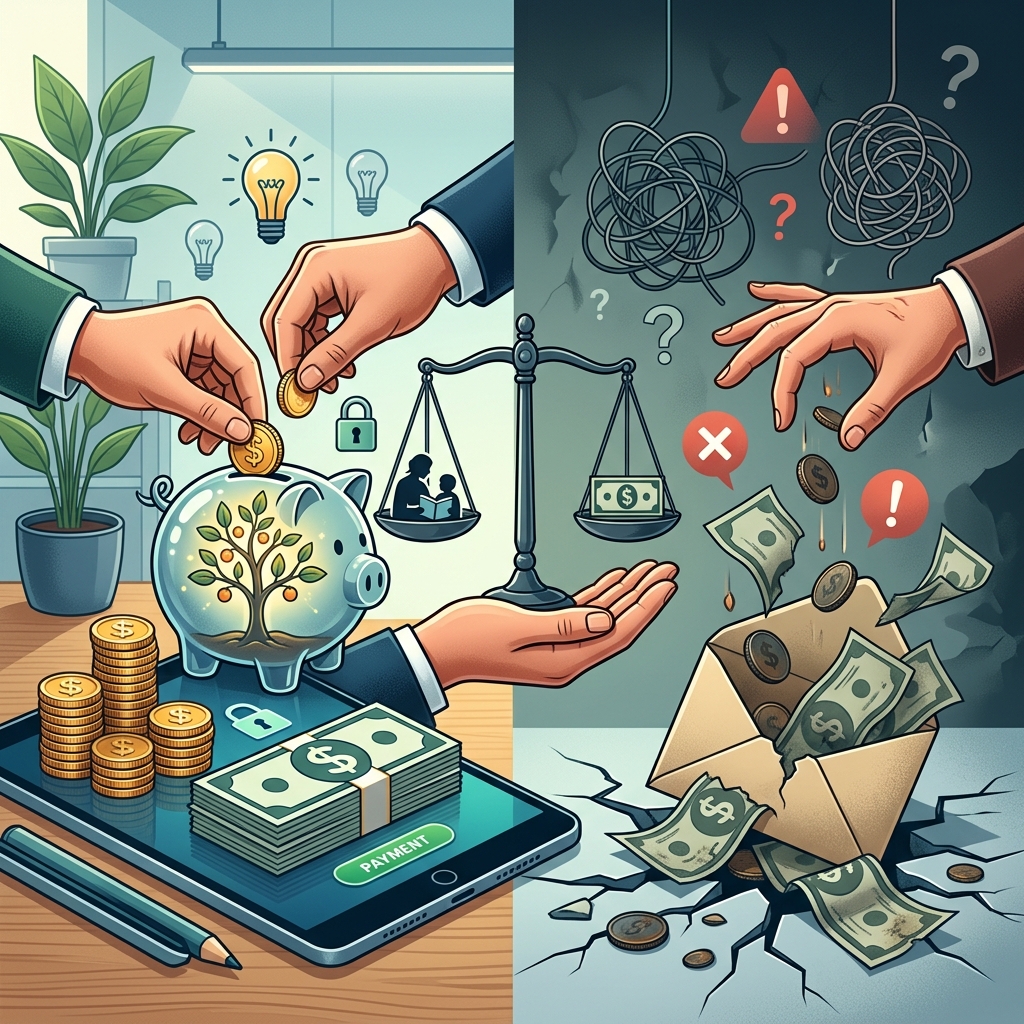
Child support is more than a monthly bill: it is a legally enforceable obligation designed to ensure children receive consistent financial care. Paying correctly, on time, and in a way that can be proven later protects your child, your reputation, and your wallet. This guide explains practical, legally sound ways to pay child support and highlights payment habits that can lead to serious trouble.
Understanding Your Legal Duty To Pay Child Support
Every child support case begins with a court order. That order sets the amount to be paid, how often payments are due, and usually the start date for your obligation. It is not optional, and it remains in force until it is formally changed by the court or by the appropriate state agency.
- Start date matters: You must begin paying on or before the date listed in the order, even if administrative systems (such as wage withholding) are still being set up.
- Support continues until modified: You cannot unilaterally reduce or stop payments, even if your income changes, your schedule shifts, or you and the other parent make a private agreement.
- Best interests of the child: In most states, the law treats a child’s financial needs as paramount; parents cannot contract away their support obligations.
Failing to respect these principles can lead to accumulating arrears, interest charges, and aggressive enforcement actions. In severe cases, courts can even find a parent in contempt for willfully not paying.
Overview Of Common Child Support Payment Methods
There is no universal rule for how child support must be paid. States and courts offer different mechanisms, but most fall into a few familiar categories. Understanding the pros and cons of each option helps you choose methods that are both safe and easily documented.
| Payment Method | Key Advantages | Main Risks or Limitations |
|---|---|---|
| Income withholding / wage garnishment | Automatic, reliable, typically recorded by state disbursement units. | Less control over timing; may take weeks to start; visible to employer. |
| Online payment portals (state or official) | Convenient, secure, records created by official agency. | Requires registration and correct case information. |
| Checks or money orders by mail | Paper trail, can be copied, often processed by state units. | Mail delays; risk of lost payments if information is incomplete. |
| Cash (with receipts through official channels) | Useful at kiosks or approved vendors like MoneyGram. | High risk if paid informally without receipts. |
| Direct person-to-person payments (apps or cash) | Fast and flexible; can create electronic records. | Can be disputed; may not match the court’s instructions. |
Best Practice: Paying Through Income Withholding
In many jurisdictions, income withholding (also called wage garnishment) is the default or even mandatory method for paying child support. Once the order is in place, the child support agency or court sends instructions to your employer, who deducts the support amount from each paycheck and sends it to the state’s disbursement unit.
Benefits of this method include:
- Automatic payments: You do not have to remember each due date; the employer processes payments on a regular schedule.
- Reliable documentation: State agencies record each payment they receive, providing a clear ledger of what you paid and when.
- Less conflict with the other parent: Because money flows through official channels, there are fewer disputes about whether a payment was made.
There are important caveats:
- Delay in setup: It can take several weeks between the court’s order and your employer’s first deduction. Any support owed before the system starts must be paid directly.
- Job changes: If you change employers or become self-employed, you must promptly report those changes to the child support agency; otherwise, deductions may stop and arrears may build up.
Using Official Online Portals And State Systems
Many states offer secure web-based platforms where parents can pay child support via bank transfer, debit card, or credit card. These systems are typically tied directly to state disbursement units and case management tools.
Advantages of using official portals include:
- Immediate confirmation: You often receive a transaction number or email confirmation for each payment, which can be saved for your records.
- Direct credit to your case: Portals are designed to apply payments to the correct case number and docket, reducing the risk of misapplied funds.
- Accessibility: Payments can usually be made 24/7 from a computer or mobile device.
To use these systems safely:
- Double-check your case number and any required codes before submitting payments.
- Keep screenshots or pdf confirmations until you are sure they appear in your official payment history.
- Review your account online regularly to confirm that payments are being properly applied.
Checks, Money Orders, And Mailed Payments
For parents who prefer paper transactions or who do not have reliable internet access, checks and money orders remain viable options. Many states instruct parents to mail payments directly to a central state disbursement unit or clearinghouse.
Best practices when mailing payments:
- Make checks or money orders payable to the designated child support authority (for example, “[State] Child Support” or the specific disbursement unit).
- Include identifying information, such as your name, case number, court ID, and sometimes your Social Security number, as required by the instructions.
- Keep copies of the front and back of checks once they have cleared, or retain the stub from money orders.
- Consider using tracking services if you are mailing a large lump-sum payment.
Done correctly, mailed payments can create a clear paper trail. The main risk is delay or misplacement, which can usually be managed by following the state’s instructions carefully and keeping thorough records.
Cash And Informal Payments: Why Documentation Is Critical
Cash is sometimes used to pay child support at authorized locations. Certain states contract with payment networks like MoneyGram or kiosk services, allowing parents to pay in cash while still generating an electronic record tied to their case. When used in this official, documented way, cash can be a safe option.
However, handing cash directly to the other parent without receipts is risky. Without proof, there is nothing to prevent disputes later about whether a payment was made or what it was for.
To reduce risk when using cash:
- Prefer official cash channels (such as kiosks or authorized vendors) that automatically transmit the payment to the state and issue a receipt.
- If you must pay the other parent directly, insist on a signed, dated receipt specifying the amount, the date, and that the money is for child support for a particular month.
- Photograph receipts and store copies digitally in case the originals are lost.
Using Person-to-Person Payment Apps Safely
Electronic payment services and apps can be helpful for child support because they create electronic records and are often more convenient than cash or checks. However, courts and child support agencies do not always treat these payments as official child support unless there is clear documentation.
Approach these tools carefully:
- Label payments clearly: When the app allows, describe each transfer as “Child support for [month/year] – Case [number].”
- Export transaction histories: Periodically print or download records showing dates, amounts, and notes; keep them with your legal documents.
- Confirm acceptance: Ask your local child support office or attorney whether app-based payments will be recognized and how you should document them.
If disputes arise—such as a claim that you never paid—these transaction records may help you show that you did, but systems that route payments through official channels are still usually safer.
Common Mistakes That Lead To Arrears And Enforcement
Many parents who fall behind on child support do not intend to ignore their obligations. Instead, they make seemingly minor mistakes that snowball into serious legal and financial consequences. Avoid the following pitfalls:
- Waiting for wage garnishment to start before paying: If your order has a start date but your employer has not yet begun withholding, you must make payments directly in the meantime.
- Paying in untraceable cash: Handing over cash without receipts or using informal channels gives you no protection if payments are challenged.
- Ignoring interest: Many states charge interest on unpaid child support, sometimes at rates comparable to or higher than credit cards. Accumulated interest can double the cost of ignoring your obligation.
- Failing to update contact and employment information: Agencies rely on up-to-date information to collect support through income withholding and to communicate about changes or enforcement.
- Relying on side agreements: Private arrangements with the other parent that diverge from the court’s order may not be legally recognized. Without formal modification, you are still bound by the existing order.
What Happens If You Do Not Pay Child Support?
States have a wide range of tools to collect unpaid child support and to ensure future compliance. Depending on the amount owed, how long you have been behind, and whether your non-payment is considered intentional, enforcement can be aggressive.
Common enforcement mechanisms include:
- Automatic income withholding: If you are behind and not already subject to withholding, the court or agency can order deductions from your pay.
- Tax refund interception: Federal and state tax refunds can be seized to pay arrears.
- Bank and property liens: Agencies may place liens on bank accounts, homes, or other property to secure payment.
- License suspensions: Driver’s licenses, professional licenses, and hunting or fishing licenses can be suspended for serious arrears.
- Passport denials: Passport applications can be denied or renewals refused until support is paid.
- Contempt proceedings: If a court finds that you have the ability to pay but are willfully refusing, it can hold you in contempt, which may carry fines or even jail time.
Once arrears accrue, agencies usually continue tracking balances and add delinquent amounts to future withholding until the past due support is fully paid. Serious cases can affect your credit rating and long-term financial stability.
Protecting Yourself: Documentation And Communication
Protecting yourself as a paying parent is not about avoiding responsibility; it is about ensuring that every payment is properly credited and that you are not harmed by misunderstandings or administrative errors. A few consistent practices make a substantial difference.
Keep A Comprehensive Payment File
Maintain both digital and physical records of your child support history, including:
- Receipts from official portals, kiosks, or vendors.
- Bank and card statements highlighting child support payments.
- Copies of checks and money orders (front and back where possible).
- Printed transaction histories from payment apps.
- Correspondence from the child support agency or court regarding balances.
Organize these records by year and month so you can quickly respond if questions arise about your payment history.
Verify Your Official Balance Regularly
Many states allow parents to check case information and recent payments online or through customer service centers. Reviewing this data, at least a few times per year, helps you spot discrepancies early.
- If you see an error, contact the child support office in writing, include copies of your documentation, and ask for a formal review.
- Keep copies of any letters or forms you send, along with proof of delivery.
When Your Circumstances Change: Seeking Modification
Child support orders are based on information about income, parenting arrangements, and expenses at the time of the hearing or agreement. Life does not stand still; job losses, new disabilities, and changes in parenting time may justify adjustments. However, only formal legal modification can change what you owe, not informal agreements.
If your situation changes significantly:
- Contact the child support office or court promptly to ask about the process for reviewing or modifying your order.
- Continue paying as ordered while the review is underway, as you remain responsible for the existing amount until a new order is entered.
- Gather documentation of your changed circumstances, such as pay stubs, unemployment records, medical reports, or schedules showing altered parenting time.
Acting quickly reduces the likelihood of unmanageable arrears and demonstrates to the court that you are engaged and responsible.
FAQs About Paying Child Support
Do I still have to pay if I give money or buy things directly for my child?
Direct purchases and gifts are usually considered separate from court-ordered child support. Unless your order explicitly allows substitutions, you must pay the exact amount ordered in addition to any voluntary spending. Gifts rarely reduce legal arrears.
What if the other parent agrees I can pay less for a while?
A private agreement does not typically change your legal obligation. The court order remains controlling until formally modified. If you pay less than ordered, you can still be found in arrears even if the other parent informally agreed.
Can I stop paying when my child turns 18?
In many places, support continues until the child reaches the age of majority, but specific rules vary. Some orders extend support if the child is still in school or has special needs. Do not stop paying without verifying the terms of your order and local law.
What should I do if I lose my job?
Notify the child support agency and the court as soon as possible, and ask about modification options. Keep paying what you can in the meantime, documenting all efforts. Waiting to act can result in large arrears and interest.
How do I prove I paid when the records seem wrong?
Collect bank statements, receipts, app histories, and any other documentation. Submit a written request for a review to the child support agency, including copies of your records. In complex cases, consulting a family law attorney may be necessary.
Key Takeaways
Paying child support properly requires attention to both legal rules and practical details. Use official payment channels whenever possible, keep careful documentation, and address problems early. By doing so, you safeguard your child’s financial security and protect yourself against avoidable legal and financial consequences.
References
- Calculating Child Support — Maryland People’s Law Library. 2022-05-10. https://www.peoples-law.org/calculating-child-support
- Paying Child Support — California Courts Self-Help. 2023-03-01. https://selfhelp.courts.ca.gov/child-support/pay
- Child Support Frequently Asked Questions — Illinois Department of Healthcare and Family Services. 2022-08-15. https://hfs.illinois.gov/childsupport/parents/faqsnew.html
- Paying Child Support — Tennessee Department of Human Services. 2023-01-20. https://www.tn.gov/human-services/for-families/child-support-services/child-support-payment-information/paying-child-support.html
- Paying Child Support FAQ — Arkansas Department of Finance and Administration, Office of Child Support Enforcement. 2022-11-30. https://www.dfa.arkansas.gov/office/child-support-enforcement/child-support-faqs/paying-child-support/
- Paying and Receiving Child Support — Office of the Attorney General of Texas. 2023-06-12. https://www.texasattorneygeneral.gov/child-support/paying-and-receiving-child-support
- Law Facts: Child Support — Ohio State Bar Association. 2021-09-01. https://www.ohiobar.org/public-resources/commonly-asked-law-questions-results/law-facts/law-facts-child-support/
Similar Articles








Read full bio of Sneha Tete


