Smart Ways to Stay Cool and Hydrated in a Heat Wave
Beat dangerous heat waves with creative hydration, cooling strategies, and safety tips that protect your body and mind.
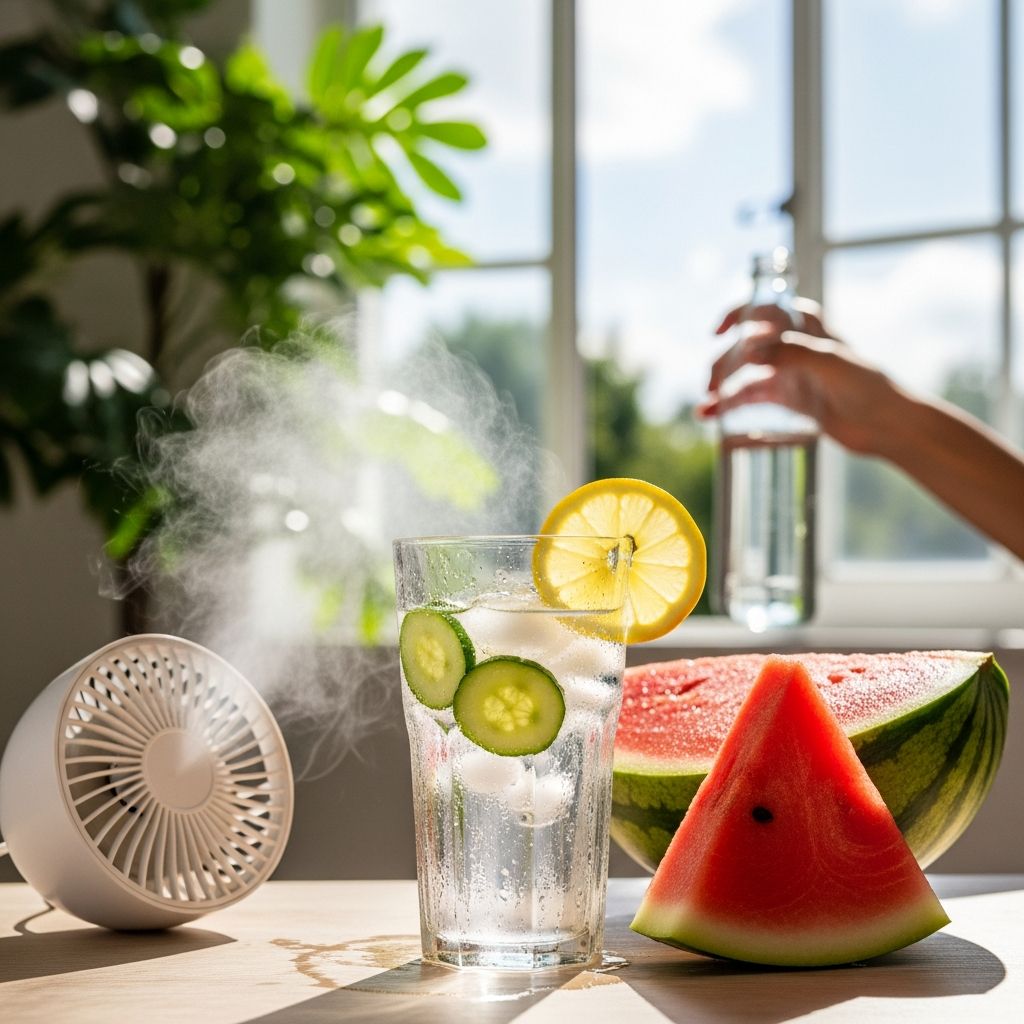
Heat waves are becoming more frequent and intense, and they can be dangerous if you are not prepared. Extreme temperatures put stress on your heart, kidneys, and brain, and can lead to heat-related illnesses such as heat exhaustion and heat stroke. Staying cool and properly hydrated is one of the most effective ways to protect yourself, your family, and your coworkers during very hot weather.
This guide brings together safe, creative ideas for drinking enough fluids, cooling down your body, and adjusting your daily routine so you can get through hot days more comfortably and safely.
Why Heat Waves Are Risky for Your Health
Extreme heat is one of the deadliest weather hazards. It is especially dangerous because it can creep up on you: you may not realize how hot or dehydrated you are until you start to feel sick. According to public health agencies, high temperatures can:
- Raise your body temperature faster than your body can cool itself
- Cause heavy sweating, which leads to loss of water and electrolytes
- Increase strain on the heart and circulation, especially in older adults or people with heart disease
- Worsen existing conditions such as asthma, kidney disease, or diabetes
Some people are at greater risk during a heat wave:
- Adults over 65 years old
- Infants and young children
- People with chronic illnesses or taking certain medications
- Outdoor workers and athletes
- People without reliable access to air conditioning
Because of these risks, it is important to combine creative cooling ideas with evidence-based safety practices recommended by health agencies.
Hydration Fundamentals: How Much and What to Drink
Water is your body’s main cooling and circulation fluid. During extreme heat, you lose more water through sweat and breathing, so you need to drink more than usual to prevent heat illness.
Daily Fluid Targets During Hot Weather
Exact needs vary by body size, health conditions, and activity level, but emergency and health organizations commonly recommend aiming for around 2.5–3 liters (about 3/4 of a gallon) of fluids per day for an average adult in hot weather, and more if you are sweating heavily.
| Situation | Suggested Approach to Fluids |
|---|---|
| Mostly indoors, air conditioning available | Drink small amounts of water regularly throughout the day; keep a bottle nearby and refill often. |
| Moderate outdoor activity in heat | Drink water before going out, then sip every 15–20 minutes; combine water with light, salty snacks or an electrolyte drink if sweating a lot. |
| Heavy outdoor work or sports | Increase intake further; alternate water with electrolyte drinks, and take frequent cooling breaks in shade or air conditioning. |
Drinks That Help — And Drinks That Do Not
During extreme heat, not all beverages are equally helpful. Health organizations recommend that you:
- Favor: plain water, sparkling water without added sugar, diluted fruit juice, herbal teas served iced, and oral rehydration or sports drinks in moderation when sweating heavily.
- Limit: sugary sodas and energy drinks, which can upset your stomach and do not replace lost minerals effectively.
- Avoid or minimize: alcohol and high-caffeine drinks (like strong coffee or energy drinks) since they can worsen dehydration and affect your body’s ability to regulate temperature.
If you have kidney disease, heart failure, or are on fluid restrictions, ask your healthcare provider how to safely adjust your fluid intake when temperatures rise.
Creative Hydration Ideas to Make Drinking Easier
Plain water is essential, but it does not need to be boring. If you struggle to drink enough, use some of these ideas to make hydration more enjoyable without adding a lot of sugar.
Flavorful Low-Sugar Infusions
Try turning ordinary water into something you actually look forward to sipping:
- Add slices of cucumber, lemon, orange, lime, or berries to a pitcher of water, then chill.
- Use fresh herbs like mint, basil, or rosemary for a refreshing twist.
- Mix a small splash of 100% fruit juice into sparkling water for gentle flavor.
Keep a large pitcher of infused water in the refrigerator so it is easy to pour a glass whenever you walk by.
Eat Your Water: Hydrating Foods
Some fruits and vegetables are naturally high in water, which can support overall hydration when combined with regular drinking.
- Water-rich fruits: watermelon, cantaloupe, honeydew, oranges, grapes, strawberries
- Crisp vegetables: cucumber, celery, lettuce, tomatoes, bell peppers
- Light meals: chilled soups, smoothies made with fruits and ice, yogurt with fruit
These foods do not replace drinking water, but they add extra fluid while also providing vitamins and minerals.
Hydration Habits That Stick
Small, consistent habits can help you stay ahead of thirst:
- Keep a reusable water bottle in every place you spend time: your desk, car (only when parked in the shade and taken with you when you leave), and bedside table.
- Drink a glass of water first thing in the morning and with every meal.
- Use phone reminders or a marked water bottle that shows how much you have consumed by certain times of day.
- Pair water breaks with routines: after using the restroom, before checking email, or when refilling coffee (swap every second coffee for water).
Cooling Your Body: Simple and Effective Techniques
Hydration is only part of staying safe. You also need ways to lower your body temperature and reduce heat exposure. Government and health agencies provide several evidence-based strategies for staying cool in extreme heat.
Make the Most of Cooler Indoor Spaces
- Use air conditioning when available. Spending just a few hours a day in air conditioning significantly lowers the risk of heat illness.
- If you do not have AC, spend time in cooler public spaces such as libraries, shopping centers, or designated cooling centers when they are open.
- Keep blinds or curtains closed during the hottest hours to block direct sun.
- Use fans wisely: they can help at moderate room temperatures, but on very hot days they may not be enough by themselves and should be combined with other cooling methods.
Cool Your Skin Safely
Lowering your skin temperature helps your whole body feel more comfortable. Try:
- Taking cool (not ice-cold) showers or baths several times a day if needed.
- Applying damp, cool cloths to pulse points: neck, wrists, armpits, and behind the knees.
- Soaking your feet or hands in a basin of cool water for short intervals.
- Misting your skin with water from a spray bottle and sitting near a fan (if the room is not extremely hot).
For older adults and young children, always test the water first to ensure it is not too cold, which can be uncomfortable or stressful.
Dress for the Weather
What you wear can either trap heat or help it escape:
- Choose lightweight, loose-fitting, and light-colored clothing to reflect sunlight and allow air flow.
- Wear a wide-brimmed hat if you must go outside to protect your head and face from direct sunlight.
- Use sunscreen with SPF 15 or higher on exposed skin and reapply regularly, since sunburn reduces your body’s ability to cool itself.
Planning Your Day Around the Heat
One of the most powerful cooling strategies is to adjust when you are active. Government and health organizations advise scheduling outdoor activities carefully during extreme heat.
- Plan strenuous tasks (yard work, exercise, moving heavy items) for early morning or late evening, when temperatures are lower.
- Stay indoors as much as possible during mid-day and afternoon, typically from 10 a.m. to 4 p.m., when heat is usually most intense.
- Take frequent rest breaks in the shade or in air conditioning if you must be outside.
- Slow your pace and listen to your body; stop immediately if you feel lightheaded, weak, or nauseated.
Special Tips for Outdoor Workers and Active People
Workers, athletes, and anyone spending long hours outdoors need added precautions:
- Drink water regularly, even if you do not feel thirsty; thirst is not always a reliable signal in intense heat.
- Use a buddy system so you can watch each other for early signs of heat illness.
- Take scheduled breaks in shaded or cooled areas, not just when you feel exhausted.
- Talk with supervisors or coaches about adjusting work or training schedules during heat waves.
Protecting Children, Older Adults, and Pets
Some people and animals have a harder time regulating body temperature and may be less able to move themselves to a cooler place. Extra attention can prevent emergencies.
Children
- Offer water often, especially during play; children may be too busy to notice thirst.
- Limit outdoor play in the hottest hours and take frequent shade and water breaks.
- Dress children in light, breathable clothing and use broad-spectrum sunscreen.
- Supervise children closely around any water used for cooling, such as kiddie pools or sprinklers, to prevent drowning hazards.
- Never leave a child in a parked car, even for a few minutes or with windows open; temperatures inside a vehicle can rise dangerously fast.
Older Adults and People With Health Conditions
- Check on older relatives, friends, or neighbors at least twice a day during a heat wave, especially if they live alone.
- Make sure they have access to cooler spaces and enough fluids.
- Encourage them to speak with a healthcare professional about how their medications and conditions might interact with heat.
Pets
- Provide fresh, cool water at all times and a shaded place to rest.
- Avoid walking pets on hot pavement, which can burn their paws.
- Do not over-exercise pets in hot weather; keep walks shorter and slower.
- Never leave pets in a parked car; they are at serious risk of heat stroke.
Recognizing and Responding to Heat-Related Illness
Knowing the early warning signs of heat illness allows you to act before the situation becomes life-threatening. Public health agencies describe several stages of heat-related illness.
Common Warning Signs
- Heavy sweating or, later, little or no sweating
- Muscle cramps, especially in legs or abdomen
- Paleness or flushed, hot skin
- Weakness, dizziness, headache, or nausea
- Fast heartbeat or shallow breathing
- Confusion, fainting, or loss of consciousness (emergency signs)
What to Do if Someone Shows Symptoms
- Move the person to a cooler location immediately (indoors or shaded area).
- Loosen or remove extra clothing.
- Use cool cloths, a cool bath, or misting with water plus fanning to reduce body temperature.
- Have them sip water or a sports drink slowly, if they are fully awake and not vomiting.
- Call emergency services right away if they are confused, fainting, vomiting, or if symptoms worsen or last longer than about an hour.
Staying Informed and Prepared for Future Heat Waves
Preparing ahead of time helps you respond quickly when a heat wave arrives.
- Sign up for local weather and emergency alerts from government or trusted weather services.
- Identify nearby cooling centers or air-conditioned public locations you can visit if your home gets too hot.
- Have backup ways to charge your phone, such as power banks, in case of outages.
- Service fans and air conditioners before the hottest months.
- Create a “heat check-in plan” with family and neighbors so you know who will contact whom on extremely hot days.
Frequently Asked Questions (FAQs)
Q: How can I tell if I am drinking enough water during a heat wave?
A simple guide is to drink regularly throughout the day and check the color of your urine: pale yellow generally suggests adequate hydration, while darker yellow can mean you need more fluids, unless you have a condition or medication that affects urine color.
Q: Are sports drinks better than water in extreme heat?
For everyday indoor activities, water is usually enough. If you are sweating heavily from outdoor work or exercise, sports drinks or oral rehydration solutions can help replace electrolytes, but they should not fully replace plain water, especially if they are high in sugar.
Q: Is it safe to rely on a fan when my home is very hot?
Fans can increase comfort by moving air, but health agencies note that they may not adequately cool you when indoor temperatures are extremely high (above about 90°F). In very hot conditions, you should also seek air-conditioned locations or use other methods such as cool showers and wet cloths.
Q: How soon can a parked car become dangerous in hot weather?
Car interiors can heat up rapidly, often becoming much hotter than the outside air in just minutes, which is why experts consistently warn never to leave children or pets alone in a vehicle, even briefly and even with windows cracked.
Q: What should I do if I do not have air conditioning at home?
Use multiple strategies: keep curtains closed during the hottest hours, use fans with open windows when it is cooler outside, spend time in air-conditioned public spaces or cooling centers, take cool showers, and stay well hydrated. Plan ahead so you know where you can go on days with extreme heat alerts.
References
- Protect Yourself from the Dangers of Extreme Heat — Centers for Disease Control and Prevention (CDC). 2024-06-18. https://www.cdc.gov/climate-health/php/resources/protect-yourself-from-the-dangers-of-extreme-heat.html
- How to Stay Safe and Healthy During Extreme Heat — U.S. Department of Veterans Affairs (VA News). 2024-07-10. https://news.va.gov/140948/how-to-stay-safe-healthy-during-extreme-heat/
- Extreme Heat Safety — American Red Cross. 2023-07-01. https://www.redcross.org/get-help/how-to-prepare-for-emergencies/types-of-emergencies/extreme-heat-safety.html
- Extreme Heat: Tips to Keep Kids Safe When Temperatures Soar — American Academy of Pediatrics / HealthyChildren.org. 2023-06-15. https://www.healthychildren.org/English/safety-prevention/at-home/Pages/Protecting-Children-from-Extreme-Heat-Information-for-Parents.aspx
- Tips for Preventing Heat-Related Illness — California Department of Public Health (CDPH). 2022-07-20. https://www.cdph.ca.gov/Programs/EPO/Pages/bi_natural-disasters_extreme-heat_tips-for-preventing-heat-related-illness.aspx
Similar Articles







Read full bio of medha deb