
Smart Strategies to Negotiate Your Gym Membership
Learn how to decode gym contracts, cut hidden fees, and negotiate fair membership terms before you sign on the dotted line.
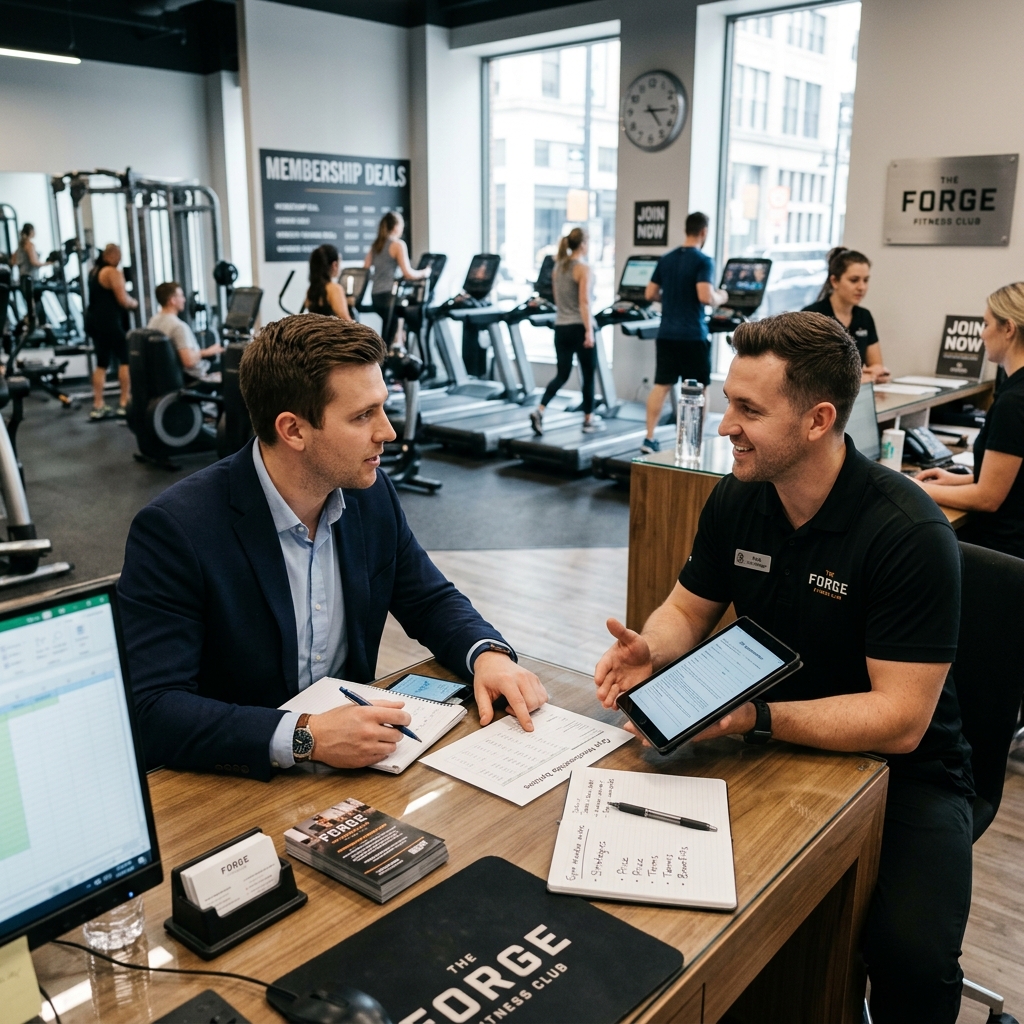
Joining a gym should improve your health, not strain your finances. Yet many new members discover unexpected fees, rigid contracts, and confusing terms only after they sign up. With a bit of preparation and negotiation, you can secure a membership that fits your budget, matches your fitness needs, and protects your legal rights.
This guide explains how to approach gym membership negotiations like a savvy consumer: understanding pricing, identifying hidden costs, asking the right questions, and using leverage without burning bridges with the gym staff.
Why Gym Memberships Are Negotiable
Gym membership prices are rarely set in stone. Many facilities operate with sales targets, promotions, and discretionary discounts that staff can offer to close a deal. Industry reporting and consumer guidance note that gyms often change enrollment fees, monthly rates, and promotional offers throughout the year, especially when they need to meet membership goals.
- Sales-driven business model: Gyms depend on recurring membership revenue and frequently incentivize staff to sign new contracts.
- Flexible fee structures: Initiation fees, maintenance fees, and other add-ons are often negotiable or waivable.
- Competitive market: With multiple fitness options available—commercial gyms, community centers, online platforms—gyms face pressure to remain attractive on price and terms.
Recognizing that the initial offer is often a starting point, not a final price, is the foundation for effective negotiation.
Prepare Before You Step Into the Gym
Negotiation is much easier when you know what you want and what alternatives exist. Doing some homework puts you in a stronger position.
Clarify Your Fitness Priorities
Before discussing numbers, define the kind of gym experience you need. This avoids paying for features you will rarely use.
- Do you need weight training, cardio machines, or group classes?
- Are pool access, sauna, or childcare essential, or just nice-to-have?
- What are your realistic visit times—early mornings, evenings, weekends?
Having a clear checklist lets you compare gyms precisely and avoid paying for amenities you do not need.
Research Alternative Options and Typical Pricing
Price comparison is one of your strongest negotiation tools. Consumer advice emphasizes collecting quotes from several gyms, then using the best offer as leverage with your preferred facility.
- Call or visit at least 3 different gyms in your area and note their pricing structures.
- Include community centers or municipal recreation gyms, which can be significantly cheaper than commercial clubs.
- Check whether any gyms offer short-term passes or trial memberships so you can test them before committing.
In addition to brick-and-mortar gyms, consider whether online fitness platforms or mixed studio memberships (like multi-studio passes) might meet your needs at lower cost.
Look for Employer and Insurance Discounts
Before negotiating on price alone, find out if you already qualify for special rates. Many employers and health insurance plans offer wellness incentives that reduce gym expenses or reimburse part of your membership cost.
- Ask your HR department about corporate gym partnerships or wellness stipends.
- Review your health insurance benefits for fitness reimbursement programs.
- Check if the gym offers student, senior, military, or first responder discounts.
These programs can substantially lower the effective price, and knowing about them in advance strengthens your negotiating position.
Key Elements of a Gym Contract You Must Understand
Gym memberships are contracts. Even when terms are printed on a simple sign-up form or digital page, they impose legal obligations—especially around payment, cancellation, and renewal. Consumer protection agencies frequently warn that failure to read and understand these provisions can lead to recurring charges and disputes.
Common Fee Types to Watch
| Fee Type | Typical Purpose | Negotiability |
|---|---|---|
| Initiation / Enrollment Fee | One-time cost to start membership | Frequently waived or reduced if you ask. |
| Monthly Dues | Recurring access charge | Sometimes negotiable, especially with commitment or prepayment. |
| Annual Maintenance Fee | Facility upkeep or equipment replacement | May be fixed, but can be clarified or occasionally adjusted. |
| Late Payment Fee | Penalty for overdue bills | Usually not negotiable, but you can ask about grace periods. |
| Cancellation / Early Termination Fee | Fee for ending contract before term ends | Critical to understand; sometimes negotiable at sign-up. |
When reviewing the contract, circle every fee and ask staff to explain clearly how and when it will be charged. If any fee seems vague, request written clarification before signing.
Contract Length and Renewal Rules
Some gyms offer month-to-month memberships, while others rely on fixed-term contracts—often 12, 18, or 24 months. To avoid unpleasant surprises, pay close attention to:
- Initial term: How long you are obligated to pay, even if you stop attending.
- Automatic renewal: Whether the contract renews automatically unless you cancel by a specific deadline.
- Notice requirements: How far in advance you must notify the gym to end or change your membership.
Consumer complaints often arise when members assume they can cancel at any time, but discover that their contract renews automatically with strict notice requirements. Clarify these rules in writing and consider shorter commitments if your schedule or lifestyle might change.
Cancellation, Freeze, and Transfer Policies
A fair contract should address situations where you can no longer use the gym—such as relocation, medical issues, or financial hardship. Look for or ask about:
- Cancellation conditions: Under what circumstances you may cancel without penalty.
- Membership freeze: Whether you can temporarily suspend payments during travel, health recovery, or other disruptions.
- Transfer options: Whether you can transfer your membership to another person or location.
These terms can be negotiated upfront. For example, you might request more flexible freeze options or lower cancellation fees as part of your agreement.
Negotiation Tactics That Work With Gym Staff
Once you understand your needs and the contract structure, you are ready to negotiate. The goal is not confrontation, but a mutually beneficial agreement where you receive fair pricing and the gym secures a committed member.
Time Your Negotiation Strategically
Membership sales staff often have monthly quotas. Consumer advice suggests that approaching the gym near the end of the month may increase your chances of receiving a discount, as staff are more motivated to close deals.
- Visit or call during the last week of the month.
- Politely mention that you are ready to sign if you can reach a certain price.
- Ask if there are any end-of-month promotions or limited-time offers.
This timing can make the difference between paying full price and receiving a reduced rate or waived fees.
Use Competing Offers as Leverage
Coming in with a documented quote from another facility gives you strong bargaining power. Guidance from consumer-focused publications recommends showing the better offer and asking whether your preferred gym can match or beat it.
- Print or write down the competing gym’s rate and terms.
- Explain that you prefer their facility but need a similar or better deal to join.
- Be ready to sign on the spot if they match the offer—this urgency can encourage concessions.
Even if they cannot fully match the competitor, they may waive certain fees or add perks such as guest passes or class access.
Ask Directly for Fee Reductions or Waivers
Many people hesitate to ask for discounts, but straightforward requests are often effective. Resources on gym negotiations frequently note that initiation and sign-up fees are among the most negotiable costs.
Consider saying something like:
- “I’m comfortable with the monthly rate, but I’d need you to waive the initiation fee before I can sign.”
- “Can you offer a lower monthly price if I commit to a longer term?”
- “Is there a discount if I pay several months or a full year upfront?”
Fitness industry experts report that paying in advance or in cash can sometimes earn a discount of 10–20%, particularly at smaller gyms where immediate revenue is valuable.
Negotiate Based on Commitment Level
If you are confident you will use the gym consistently for a year or more, your long-term commitment can be a negotiating asset. Guidance on membership negotiation suggests asking for better rates tied to extended commitments.
- Offer to sign a 12- or 24-month contract in exchange for lower monthly dues.
- Ask whether a family or group plan could reduce costs per person if you join with others.
- Explore corporate or workplace group rates if you can bring multiple members.
While longer contracts reduce monthly costs, they also increase your obligation. Balance the financial savings against the risk of lifestyle changes that could make the membership hard to use later.
Protecting Yourself Legally and Financially
Negotiating price is only part of the equation. You also need to safeguard your rights in case something goes wrong—billing errors, facility closure, or disputes about cancellation.
Always Get Promises in Writing
Verbal assurances—such as “we’ll waive that fee” or “you can cancel anytime”—are difficult to enforce. Consumer law guidance stresses the importance of written documentation for contract changes and special conditions.
- Ask staff to include all negotiated terms in the contract before you sign.
- Request a printed or emailed copy of the final agreement, including any addenda.
- Keep records of emails or notes from conversations that clarify policies.
If the written contract conflicts with verbal statements, insist that the document be corrected or updated. Your legal rights depend on the signed terms, not on what was casually promised.
Review Billing and Payment Methods Carefully
Most gyms use automatic payments via credit card or bank draft. This is convenient, but it means billing errors or unauthorized charges can persist if you do not monitor statements.
- Confirm how often payments are processed and how they will appear on your bank or card statement.
- Ask about failed payment procedures—do they charge late fees or suspend access?
- Check whether you can change payment methods easily or require a notice period.
Regularly reviewing your statements helps identify unauthorized or unexpected charges quickly, so you can address them before they accumulate.
Recognize Red Flags in Gym Contracts
While most gyms operate ethically, certain contract features should prompt caution or further questions:
- Very high cancellation fees with limited allowable reasons.
- Automatic renewal terms that require very early written notice to stop.
- Vague wording about “facility improvements” or “maintenance” fees with no fixed schedule.
- Pressure to sign immediately without time to review the contract carefully.
When in doubt, pause, take the contract home, and consider seeking advice from a consumer rights organization or legal professional, especially for long-term or high-cost agreements.
Alternative Paths to Fitness If Negotiation Fails
Even if a particular gym will not meet your price or contract expectations, your fitness goals remain achievable. Today there are more options than ever for staying active without committing to a rigid membership.
- Community recreation centers: Often provide basic gym equipment, classes, and pools at significantly lower cost.
- Online fitness platforms and apps: Offer structured workouts and training plans that can be cheaper than traditional memberships.
- Multi-studio passes: Allow you to attend various boutique studios under one flexible membership, which can be ideal if you prefer classes.
Exploring these alternatives gives you more negotiating leverage and prevents you from feeling locked into a single option.
Frequently Asked Questions About Negotiating Gym Memberships
Can I really negotiate my gym membership price?
Yes. Many gyms are willing to adjust fees, waive initiation costs, or offer promotional rates if you ask, particularly when you show that you are comparing competitors and ready to sign under certain conditions.
What is the easiest fee to negotiate?
Initiation or enrollment fees are often the most flexible. Consumer guidance and fitness industry commentary frequently highlight that these upfront charges are routinely waived or reduced during promotions or upon request.
Does paying upfront help me get a better deal?
Paying several months or a full year in advance can sometimes secure a lower overall price because gyms value guaranteed revenue. Advice from trainers and consumer writers suggests this strategy can lead to discounts, especially in smaller or independently owned gyms.
How can I avoid getting stuck in a long contract?
Choose month-to-month memberships where possible, or insist on shorter initial terms. Carefully review cancellation and renewal clauses, and ask to modify any provisions that automatically extend your contract without clear notice or that impose excessive early termination fees.
What should I do if the gym will not change the price?
If the gym’s terms remain inflexible, you can decide whether the value justifies the cost or walk away and pursue other options such as community gyms, online programs, or multi-studio passes.
References
- 6 Ways to Haggle a Cheaper Gym Membership — CNET. 2022-01-28. https://www.cnet.com/health/fitness/how-to-haggle-a-cheaper-gym-membership/
- 7 Ways to Save on Gym Membership Costs — City Cast Madison. 2023-06-15. https://madison.citycast.fm/finances-101/ways-to-save-big-on-gym-membership-costs
- How to negotiate cost of a gym membership? — Ask MetaFilter. 2015-01-13. https://ask.metafilter.com/286136/How-to-negotiate-cost-of-a-gym-membership
- 7 Ways To Negotiate Your Way to a Cheaper Gym Membership — theSkimm. 2022-09-09. https://www.theskimm.com/money/negotiate-gym-membership
Similar Articles








Read full bio of medha deb


