
Smart Strategies to Avoid Online Rental Scams
Learn how to recognize suspicious rental listings, protect your money, and respond effectively if you encounter online housing fraud.
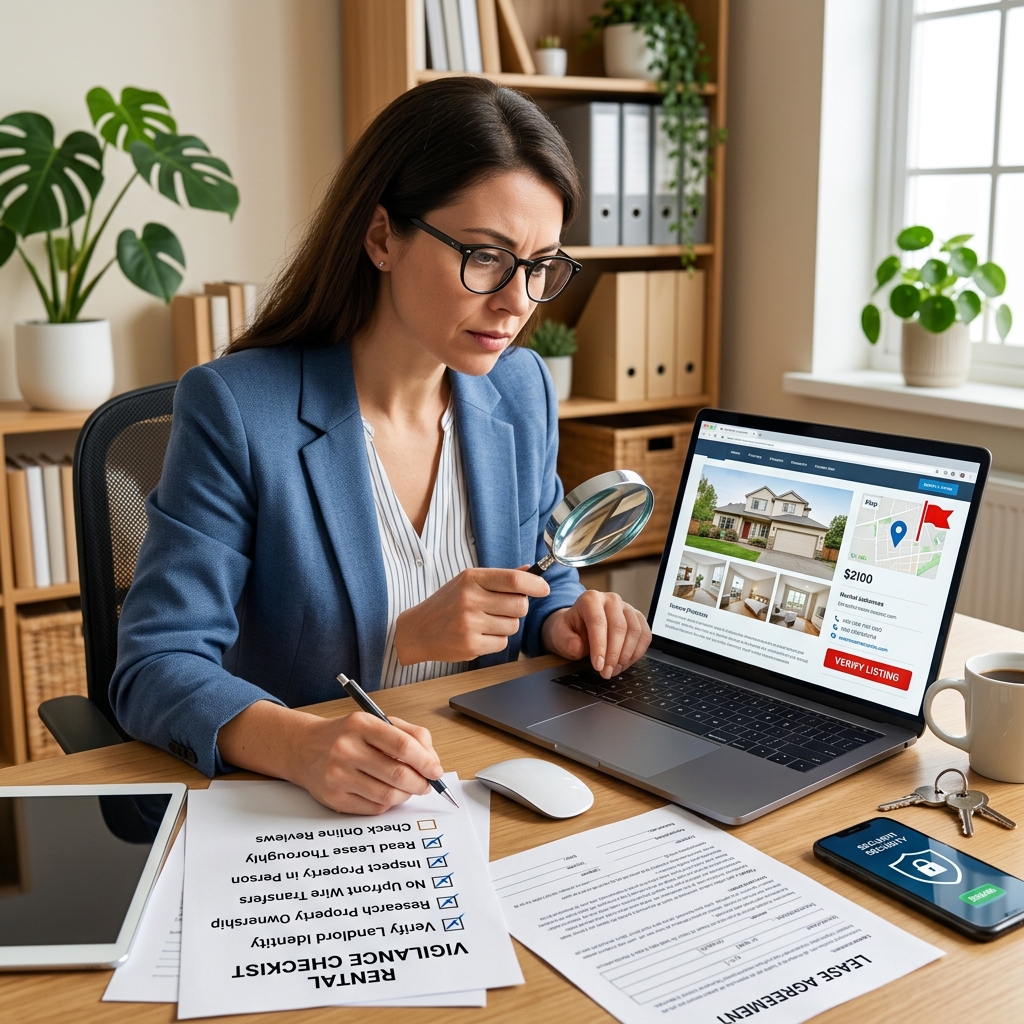
Searching for a new home online is convenient and fast, but it also exposes renters to a growing number of rental scams. Fraudsters copy real listings, invent fake landlords, or pressure tenants into sending money for properties that either do not exist or are not actually available. Understanding how these scams work, recognizing warning signs, and knowing how to respond can help you secure a legitimate rental and avoid costly mistakes.
Why Online Rental Scams Are Increasing
Digital rental marketplaces and social media platforms make it easier than ever to advertise housing. That same ease of access also allows scammers to quickly post deceptive ads, contact many potential victims, and disappear after receiving money or personal data. Renters are often under time pressure and may be searching in unfamiliar cities, which can make them more vulnerable to offers that appear convenient or cheap.
Common scam goals include:
- Collecting upfront payments such as security deposits, application fees, or first month’s rent.
- Harvesting personal information to commit identity theft, including Social Security numbers and bank account details.
- Reselling the same fraudulent “lease” to multiple renters.
Major Types of Online Rental Scams
While scammers constantly adapt, most rental fraud schemes fall into a few recognizable patterns. Knowing these patterns helps you evaluate listings and landlord behavior more critically.
1. Fake Listing Using Real Property Details
In a typical fake listing scam, someone copies photos and descriptions from a legitimate rental or real estate listing and reposts them under their own name at an attractive price. The scammer pretends to be the owner or manager and tries to collect deposits before the renter discovers the truth.
- Photos look professional and consistent, but the contact details differ from reputable sites.
- The “landlord” insists they cannot meet in person but offers to send keys after payment.
- The address is real, but local property records show a different owner.
2. Property Not Actually for Rent
Some scammers advertise properties that are occupied by current residents, are up for sale instead of rent, or belong to someone else altogether. They rely on remote communication so renters never confirm the property status before paying.
- Listing uses vague wording about availability or move-in dates.
- Refusal to show the inside of the property or claims the place cannot be toured before payment.
3. Payment-First or “Application Fee” Schemes
Another common tactic involves charging renters for applications, background checks, or reservation fees without any intention of providing housing. After payment, the scammer stops responding or claims the unit has been rented to someone else.
- Demands for multiple fees before you see a lease or tour the unit.
- Requests for cash, gift cards, wire transfers, or cryptocurrency only.
4. Identity Theft Through Rental Applications
Some schemes focus less on rent and more on collecting sensitive data. Fraudsters may create convincing application forms requesting Social Security numbers, bank account information, pay stubs, or full credit reports.
- Online forms on unknown websites that ask for full financial details before any property verification.
- Unencrypted email requests for copies of identification and banking records.
Key Red Flags in Online Rental Listings
Although scammers can be persuasive, their listings often share common warning signs. Treat these indicators as serious caution signals, especially when several appear together.
| Red Flag | What It Looks Like | Why It Matters |
|---|---|---|
| Unusually low rent | Price far below other units in the same area. | Scammers use bargain pricing to create urgency and reduce scrutiny. |
| Pressure to act quickly | Claims that you must pay immediately or lose the opportunity. | High-pressure tactics are common in fraud and discourage verification. |
| Sight-unseen rentals | Refusal to show the property or excuses about being out of town. | Legitimate landlords generally allow tours or independent inspection. |
| Insecure payment methods only | Insistence on wire transfers, gift cards, cash, or cryptocurrency. | These methods are hard to reverse and strongly associated with scams. |
| Limited or mismatched contact information | Phone numbers or email addresses that do not match official company details. | False contact data makes it easier for scammers to vanish after payment. |
Practical Steps to Verify a Rental Listing
Before paying any money or sharing personal information, follow a deliberate verification process. Taking time to confirm basic facts can prevent significant financial and emotional harm.
1. Compare Local Market Prices
Research similar rentals in the neighborhood to see whether the advertised price is realistic. Government and consumer resources advise treating unusually low prices as a potential sign of fraud.
- Check multiple reputable listing platforms for comparable properties.
- Consider factors such as size, amenities, and location to evaluate any price gap.
2. Confirm the Property Exists and Is Available
Use online searches and local resources to confirm basic property details.
- Search the address to see whether it appears in other listings with different contact information.
- Look up public property records or tax information in your region, where available, to verify ownership.
- If possible, contact the building’s official management company using a phone number from its verified website.
3. Tour the Property in Person or Through a Trusted Contact
Consumer protection agencies emphasize the importance of viewing the property before signing a lease or paying money. If you cannot visit yourself, ask someone you trust to confirm that the unit matches the description and is genuinely available.
- Walk around the building and neighborhood to check for “for rent” signs and office contact details.
- Ask to see common areas, the interior of the unit, and any advertised amenities.
4. Research the Landlord or Company
Searching for information about the person or organization offering the rental can reveal complaints or suspicious patterns.
- Look up the landlord or company name along with terms like “review,” “complaint,” or “scam”.
- Compare the contact details in the listing with those on any official website.
5. Use Secure Payment Methods
Legitimate rental arrangements typically rely on payment methods that create clear records, such as checks, credit cards, or electronic transfers through trusted banking platforms.
- Avoid wiring money, sending gift cards, using cryptocurrency, or paying in cash to unknown individuals.
- Keep receipts, bank records, and copies of any communications related to the payment.
Protecting Your Personal Information
Rental applications require some detail, but you remain in control of what you share and when. Sharing sensitive data too early or through insecure channels can expose you to identity theft.
- Provide Social Security numbers, bank account information, and credit reports only to verified landlords or management companies, and only after confirming the property is legitimate.
- Check that websites used for applications or payments use encryption and belong to reputable organizations.
- Avoid sending copies of identification documents via unsecured email whenever possible.
What to Do If You Suspect a Rental Scam
If something feels wrong, it is important to stop and reassess before sending money or sharing further information. Acting quickly can limit damage and support enforcement efforts.
1. Stop Communication and Payments
If you notice warning signs or realize that a listing may be fraudulent, end contact with the suspected scammer and avoid sending more funds.
2. Contact Your Bank or Card Issuer
Financial institutions may be able to reverse transactions or help you monitor for unauthorized activity.
- Report any payments made under suspicious circumstances as soon as possible.
- Ask about fraud alerts, transaction holds, or dispute procedures.
3. Report the Scam to Authorities
Government agencies encourage victims and witnesses to report rental scams so they can track patterns and take enforcement actions. In the United States, renters can report fraud to the Federal Trade Commission (FTC) through its online reporting system or by phone, and also notify their state attorney general.
- File a complaint with local law enforcement, especially if you have lost money.
- Report the incident to national consumer protection agencies such as the FTC.
- Inform the platform where the fraudulent listing appeared so it can be removed.
4. Monitor for Identity Theft
If you shared sensitive personal information, you may need to watch for signs of identity misuse.
- Review bank and credit card statements for unfamiliar transactions.
- Consider a fraud alert or credit freeze through major credit reporting agencies if you believe your data is compromised.
Simple Checklist for Safer Online Renting
Use the following quick checklist before agreeing to a lease or sending any payments:
- Have you seen the property in person or through someone you trust?
- Does the rent match local market rates for similar units?
- Have you verified the landlord or company through independent searches?
- Are you using secure, traceable payment methods and avoiding cash-like transfers?
- Are you being pressured to decide immediately or pay before basic verification?
Frequently Asked Questions About Rental Scams
How common are online rental scams?
Consumer protection agencies report regular complaints involving rental fraud, especially in areas with high demand or limited affordable housing. While exact numbers vary by region, the combination of online advertising and financial pressure on renters has made these scams a recurring issue.
Is it ever safe to rent a property without seeing it?
Renting sight unseen is risky. Official guidance from consumer.gov recommends visiting the property or sending a trusted person before signing a lease or paying money. If a landlord refuses any form of viewing or independent confirmation, you should treat that as a serious warning sign.
What payment methods are safest for rent?
Safer methods include checks, credit cards, and electronic transfers through established banking platforms, because they create records and may offer dispute options. Authorities consistently warn against cash, wire transfers, gift cards, and cryptocurrency for rental payments to unknown individuals.
How can I check if a landlord is legitimate?
Search online for the landlord or company name and read reviews or complaints. Compare contact information in the listing with details on official websites, and do not rely solely on phone numbers provided in ads. You can also ask to see identification and documentation showing ownership or management authority.
What should I do if I find a suspicious listing but haven’t been scammed yet?
You can still help others by reporting the listing to the platform hosting it and notifying relevant consumer authorities if it appears clearly deceptive. Avoid engaging further with the poster and do not send any money or personal data while you investigate.
References
- Rental Scams Explained — consumer.gov. 2023-04-10. https://consumer.gov/scams-identity-theft/rental-scams-explained
- Rental Scams: How to Recognize and Avoid Rental Fraud — Zillow. 2023-08-15. https://www.zillow.com/learn/how-to-spot-rental-scams/
- How To Avoid Rental Property Scams — AGCU. 2023-05-01. https://agcu.org/rental-property-scams/
- How Los Angeles Renters Can Protect Themselves from Rental Scams — Rently. 2022-09-20. https://use.rently.com/blog/how-los-angeles-renters-can-protect-themselves-from-rental-scams/
- Rental Fraud: How to Spot & Avoid Rental Scams — Equifax. 2023-03-11. https://www.equifax.com/personal/education/identity-theft/articles/-/learn/how-to-spot-rental-scams/
- How to Avoid Rental Scams — Experian. 2022-07-29. https://www.experian.com/blogs/ask-experian/rental-scam-signs-and-how-to-avoid-them/
Similar Articles








Read full bio of Sneha Tete


