
Smart Strategies for Interviewing Home Contractors
Learn how to confidently interview, compare, and hire home contractors who are qualified, transparent, and the right fit for your project.
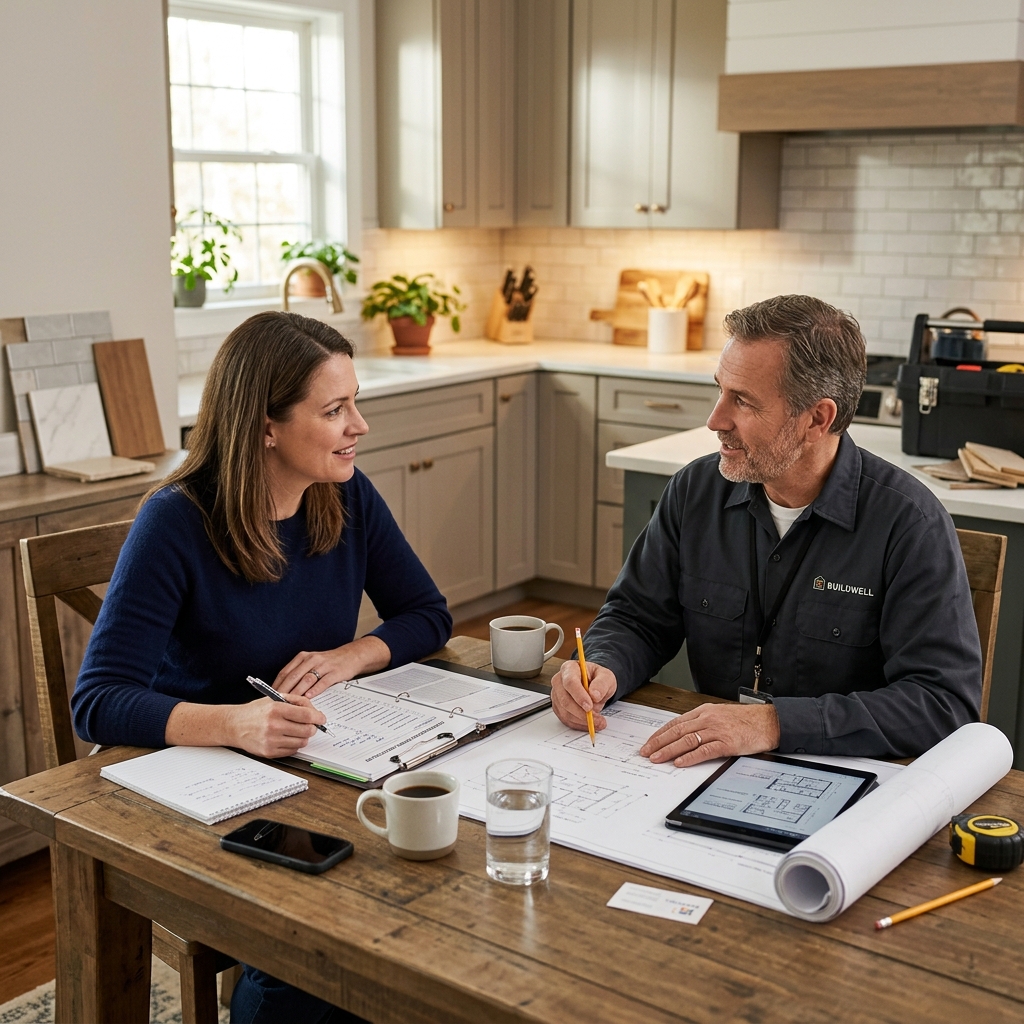
Choosing the right contractor can make the difference between a smooth, on-budget renovation and a stressful project riddled with delays and unexpected costs. Interviewing contractors effectively is one of the most important steps a homeowner can take to protect their investment and their peace of mind.
This guide walks you through how to prepare for contractor interviews, which questions to ask, how to compare bids, and what to look for in contracts and communication so you can hire with confidence.
Why the Contractor Interview Really Matters
On paper, many contractors can look similar: they may all be licensed, insured, and experienced. The interview is your chance to go beyond basic qualifications and assess fit, reliability, and professionalism.
During an interview, you can:
- Evaluate communication style and whether you feel comfortable working with them for weeks or months.
- Clarify expectations around scope, budget, schedule, and decision-making.
- Verify credentials and experience for projects similar to yours.
- Identify red flags such as vague answers, reluctance to provide references, or pressure to skip permits.
Step 1: Prepare Before You Contact Any Contractor
Your interview will be more productive if you start with a clear idea of what you want and what you can spend.
Define Your Project in Practical Terms
Write down a concise description of your project so each contractor receives the same information. This helps you get comparable bids and reduces misunderstandings.
- Rooms involved (e.g., kitchen remodel, bathroom addition, basement finishing).
- Desired changes (layout, structural changes, finishes, fixtures).
- Any known issues (old wiring, moisture problems, structural cracks).
- Your priorities (durability, speed, design, budget).
Set a Realistic Budget Range
Before interviewing, develop a budget range that includes a contingency for surprises, often around 10–20% of the project cost. This allows you to discuss feasibility and options openly with contractors without locking yourself into a fixed number too early.
- Identify a target budget based on your research.
- Include contingency funds for unforeseen issues.
- Know your absolute maximum so you don’t get overcommitted.
Shortlist Candidates, Don’t Just Call One
Industry guidance and consumer advice consistently recommend interviewing at least two to three contractors for a significant project. This helps you understand market pricing and assess different approaches.
Build your shortlist by:
- Asking for referrals from friends, neighbors, or colleagues with similar projects.
- Checking that each candidate is properly licensed and insured under your state’s laws.
- Reviewing online ratings while focusing on patterns, not isolated comments.
Step 2: Verify Credentials Before the Full Interview
Before you invest time in a long meeting, confirm that each contractor meets basic legal and professional standards.
Licensing and Insurance Checks
Licensing requirements vary by state, but most jurisdictions require contractors to hold a valid trade license and carry liability insurance; many also require workers’ compensation coverage.
| Item to Verify | Why It Matters | How to Check |
|---|---|---|
| Contractor license | Shows they meet state standards and can legally perform the work. | Use your state licensing board’s website to confirm status and discipline history. |
| General liability insurance | Protects you if your property is damaged during the project. | Request a current insurance certificate directly from the insurer. |
| Workers’ compensation | Covers injuries to workers on site and limits your exposure. | Confirm coverage for all employees or subcontractors. |
Experience and Specialization
Ask each contractor how many years they have been in business and what type of projects they handle most often. A contractor who regularly completes projects similar to yours is more likely to anticipate challenges and deliver high-quality results.
- Years of contracting experience and typical project size.
- Specific expertise (e.g., historic homes, energy-efficient upgrades, structural changes).
- Use of subcontractors and how they are managed.
Step 3: Conduct a Structured Interview
Once you have confirmed credentials, schedule interviews at your home or via video call. Use a written list of questions so you can fairly compare answers later.
Core Questions to Ask Every Contractor
Here are key topics to cover during each interview, inspired by widely recommended consumer questions for remodeling contractors.
- Background and business stability
- How long have you operated under this business name?
- What types of projects make up most of your work?
- Can you describe a recent project similar to mine?
- Licensing, insurance, and permits
- Are you licensed for this specific type of project in our jurisdiction?
- Will you obtain and manage all required building permits?
- Can you provide proof of insurance and workers’ compensation?
- Scope and process
- How do you develop a detailed scope of work and project plan?
- Who will be on site each day (employees vs. subcontractors)?
- How often will a supervisor or project manager be at my home?
- Schedule and timeline
- What is your estimated start date and completion date for a project like mine?
- What factors commonly cause delays, and how do you handle them?
- How many other projects will you be working on at the same time?
- Budget and pricing
- Is your bid an estimate or a fixed-price proposal?
- What is included and excluded in your price (e.g., design services, permits, cleanup)?
- How do you handle change orders and cost overruns?
- Communication and updates
- What is your preferred communication method (email, phone, app)?
- How often can I expect status updates?
- Who is my main point of contact for questions and decisions?
Digging Deeper: Follow-Up Questions
Initial answers can sound reassuring but still be vague. Ask follow-up questions to get clarity and specifics.
- “Can you walk me through what the first week on site will look like?”
- “What does your standard project schedule include?”
- “How have you handled a project where unexpected structural issues appeared?”
- “Can you provide examples of how you resolved a conflict with a client?”
Step 4: Check References and Past Work
Talking to past clients and reviewing completed projects is one of the strongest ways to validate a contractor’s claims.
Request and Contact References
Ask for several recent references, ideally from projects similar in scope and budget to yours. When you call, use open-ended questions:
- What type of project did the contractor complete for you?
- Was the project completed on time and within the agreed budget?
- How did they handle surprises or changes during the work?
- Were there any issues, and if so, how were they resolved?
- Would you hire this contractor again?
Review Portfolios and, If Possible, Job Sites
Ask to see before-and-after photos or a digital portfolio. Look for consistency in quality, attention to detail, and projects that resemble your goals.
If feasible, visit an active job site (with the contractor’s permission) to observe:
- Cleanliness and organization of the workspace.
- Safety practices and respect for the property.
- How workers interact and whether a supervisor is present.
Step 5: Comparing Bids and Proposals
Once interviews are complete, you will likely receive written estimates or detailed proposals. These documents are essential for making a fair comparison among contractors.
Insist on Detailed, Written Estimates
A quality estimate should break down labor, materials, permits, and other costs, and identify the scope of work clearly. It should also specify whether pricing is fixed or subject to change.
- Line-item costs for major components (e.g., cabinetry, flooring, electrical work).
- Allowance amounts for selections you haven’t made yet (fixtures, tile, paint).
- Estimated duration and key milestones.
- Payment schedule and deposit requirements.
Look Beyond the Lowest Price
Consumer and industry guidance consistently warn against automatically choosing the lowest bid. A significantly lower price can indicate missing scope, inferior materials, or unrealistic scheduling.
Compare bids on an “apples-to-apples” basis:
- Ensure each proposal includes the same scope of work.
- Check that materials are of comparable quality and brand level.
- Consider warranty terms, project supervision, and communication commitments.
- Weigh perceived reliability and professionalism alongside cost.
Step 6: Review the Contract Carefully
Once you select a contractor, the written contract is your primary protection. It should capture everything you discussed and agreed upon during the interviews.
Essential Elements of a Solid Contract
Consumer protection agencies and legal guidance emphasize clarity and completeness in home improvement contracts. Review the document with care before signing.
- Detailed scope of work including drawings or specifications where relevant.
- Start and completion dates or clear timeline expectations.
- Payment schedule tied to milestones, not just calendar dates.
- Change order process describing how scope changes are priced and approved.
- Warranty terms for labor and materials.
- Responsibilities for permits, inspections, and cleanup.
Red Flags in Contracts
Be cautious if you encounter any of the following:
- Missing or vague description of work.
- Large upfront payments that exceed a reasonable deposit.
- Pressure to sign immediately or skip permits.
- Reluctance to put verbal promises in writing.
Common Red Flags During Interviews
During your conversations, pay attention not only to what contractors say but how they say it. Certain behaviors can signal future problems.
- Vague or inconsistent answers to questions about licensing, insurance, or experience.
- Unwillingness to provide references or only extremely old references.
- Negative attitude toward permits or inspections, or suggestions to “work around” regulations.
- Poor communication, such as delayed responses or dismissive tone.
- No written estimate or refusal to itemize major costs.
Practical Tips to Make Your Interviews More Effective
Beyond formal questions, small practical steps can help you make a more confident choice.
- Interview contractors at similar times of day so you can compare punctuality and preparedness.
- Take notes during each meeting and file estimates together for easy review.
- Invite another household member to sit in, since different people notice different details.
- Trust your instincts: if communication feels strained now, it may be harder once the project begins.
FAQs: Interviewing and Hiring Home Contractors
How many contractors should I interview?
For most remodeling or renovation projects, interviewing at least two to three contractors is recommended to understand typical pricing and approaches. Large or complex projects may warrant more interviews, especially if design services are involved.
Should I share my budget with contractors?
Sharing a realistic budget range helps contractors propose solutions that fit your financial limits and identify where trade-offs might be needed. However, you can wait until after you hear their initial assessment if you prefer to see an independent estimate first.
Is it better to choose a local contractor?
Local contractors often know local building codes, inspectors, and suppliers, and are easier to reach if warranty issues arise later. They may also rely heavily on local reputation, which can be an additional accountability factor.
What’s the difference between an estimate and a fixed-price bid?
An estimate is an informed approximation that can change as details evolve, while a fixed-price bid is a commitment to complete a clearly defined scope for a specific amount. Make sure you understand which type you are receiving and how changes will be handled.
Do I need a lawyer to review my contractor’s contract?
For small projects, many homeowners rely on their own review and consumer guidance. For larger renovations or structural work, consulting a legal professional familiar with construction contracts can provide additional protection, especially regarding dispute resolution and liability.
References
- How to Choose a Home Remodeling Contractor — Tropic Renovations. 2023-04-15. https://tropicrenovations.com/how-to-choose-a-home-remodeling-contractor/
- Tips for Hiring a Remodeling Contractor — Gagliardo Group. 2023-05-10. https://gagliardogrp.com/blog/tips-for-hiring-a-remodeling-contractor
- 13 Questions to Ask Potential Home Remodeling Contractors — Extra Space Storage. 2022-07-18. https://www.extraspace.com/blog/moving/questions-to-ask-potential-home-remodeling-contractors/
- Questions to Ask a General Contractor Before Hiring — Kramer Projects. 2024-01-05. https://kramerprojects.co/blog/questions-to-ask-general-contractor-before-hiring/
- Home Renovation: 5 Questions to Ask When Interviewing Contractors — Gerard Construction. 2023-11-30. https://gerard-construction.com/blog/5-questions-to-ask-when-interviewing-contractors-for-a-home-renovation
Similar Articles








Read full bio of medha deb


