
Smart Strategies for Choosing Your Down Payment
Learn how much to put down, how it affects your loan, and how to choose the right down payment for your first or next home.
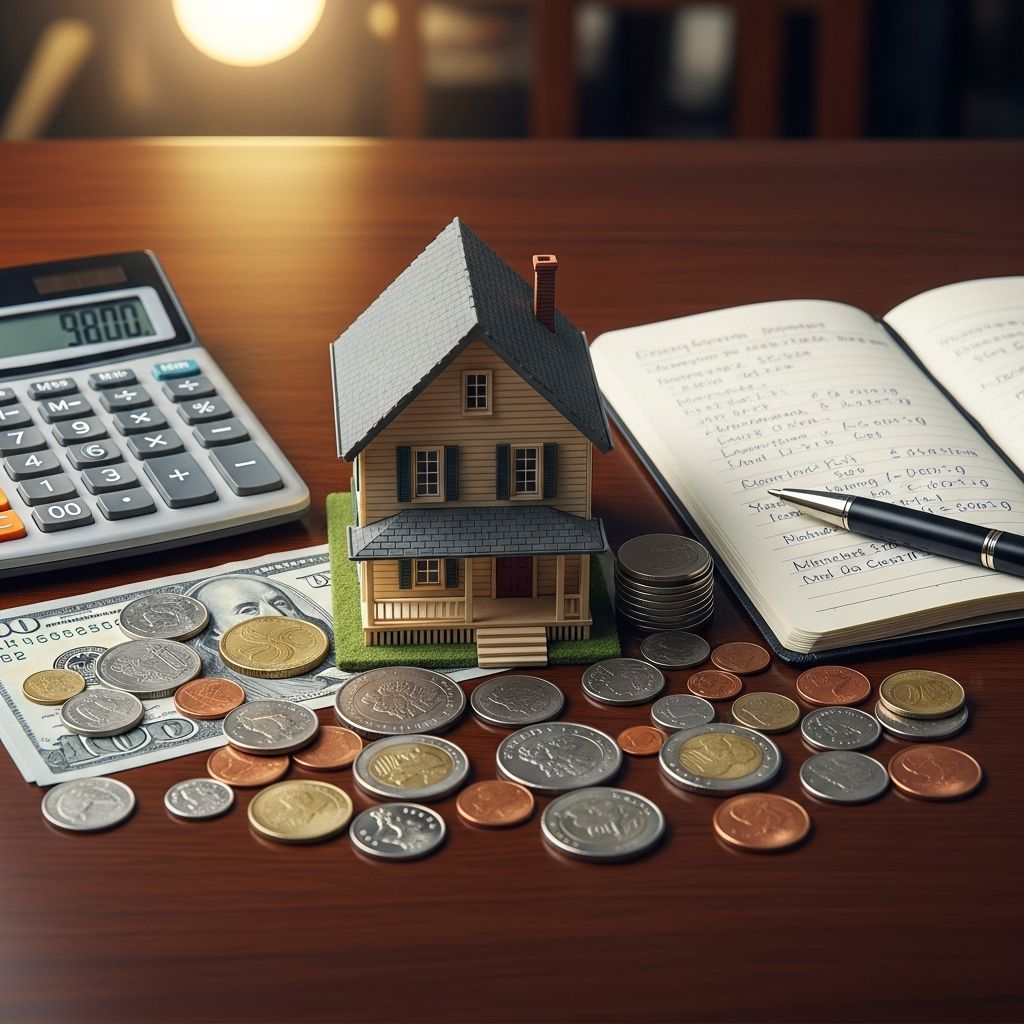
Choosing how much to put down on a home is one of the most important financial decisions you will make during the homebuying process. The down payment you choose affects your monthly payment, total interest costs, eligibility for programs, and how much financial cushion you have left after closing. This guide explains how down payments work, what different percentages mean in practice, and how to select an amount that fits your overall financial life.
What a Down Payment Is and Why It Matters
A down payment is the portion of a home's purchase price you pay upfront in cash at closing. The rest is financed through your mortgage. For example, if you buy a home for $300,000 and put down 10% ($30,000), you borrow the remaining $270,000 as a mortgage.
The size of your down payment influences:
- How large your loan will be and therefore your monthly principal and interest payment.
- Whether you must pay mortgage insurance, which protects the lender if you default.
- Your interest rate and fees, because larger down payments typically reduce lender risk.
- How quickly you build equity, or ownership stake, in your home.
- Your remaining savings for emergencies, repairs, and other goals.
Different mortgage programs set different minimum down payment requirements. Conventional mortgages often allow as little as 3% down for qualified borrowers, while government-backed loans such as FHA, VA, and USDA also offer low or even zero-down options.
Common Down Payment Percentages Compared
There is no single "correct" down payment amount for everyone. Instead, you weigh trade-offs between upfront cost, monthly affordability, and risk. The table below shows how different down payment levels affect a hypothetical $300,000 home purchase, assuming a 30-year fixed-rate mortgage at the same interest rate for each option. Numbers are simplified for illustration and do not include taxes or homeowners insurance.
| Down Payment | Cash Down | Loan Amount | Mortgage Insurance? | Key Effects |
|---|---|---|---|---|
| 3% | $9,000 | $291,000 | Very likely | Lowest upfront cost; highest monthly payment and insurance cost; slowest equity growth. |
| 5% | $15,000 | $285,000 | Very likely | Still low cash requirement; slightly lower payment than 3% down. |
| 10% | $30,000 | $270,000 | Usually | Noticeably smaller payment and less insurance; more equity to start. |
| 20% | $60,000 | $240,000 | Often not required for conventional loans | No private mortgage insurance on most conventional loans; lower payment and interest cost. |
| 20%+ | $60,000+ | $240,000 or less | No, for most conventional loans | Even smaller payment and interest; but may tie up too much cash for some buyers. |
The Myth of the 20% Down Requirement
Many buyers still believe they must provide a 20% down payment to buy a home. In reality, most mainstream loan programs allow significantly smaller down payments for qualified borrowers.
- Conventional loans: Minimum down payments can be as low as 3% for eligible borrowers, though putting down less than 20% usually requires private mortgage insurance (PMI).
- FHA loans: Require at least 3.5% down for borrowers with a credit score of 580 or higher; those with scores between 500 and 579 generally must put down at least 10%.
- VA and USDA loans: Often allow 0% down for eligible borrowers, such as qualified veterans (VA) or buyers in certain rural areas (USDA).
While 20% down is not required, it remains an important benchmark because it often eliminates the need for mortgage insurance on conventional loans and may unlock better interest rates.
How Down Payment Size Affects Your Mortgage
Larger down payments bring specific benefits, while smaller down payments preserve cash. Understanding these trade-offs will help you choose the amount that fits your priorities.
Benefits of a Larger Down Payment
- Lower monthly mortgage payment: You borrow less, so monthly principal and interest payments are lower.
- Less (or no) mortgage insurance: Conventional loans generally drop PMI once you reach 20% equity, and many do not require PMI if you start at 20% down or more.
- Lower total interest over time: A smaller loan balance means less interest over the life of the loan, even at the same rate.
- More protection against market swings: With more equity from day one, you are less likely to owe more than the home is worth if property values decline.
- Stronger application: Larger down payments can make you a more attractive borrower to lenders and may help in competitive markets.
Advantages of a Smaller Down Payment
- Faster path to homeownership: You can buy sooner without waiting years to save 20% — especially important in markets where prices are rising faster than savings.
- More cash for emergencies and repairs: Keeping money in savings can help you handle job loss, medical bills, or home maintenance without relying on high-interest debt.
- Flexibility for other goals: You may want funds for retirement saving, education, or paying down other high-interest loans.
- Access to targeted programs: Some low-down-payment loans are designed specifically for first-time or moderate-income buyers, sometimes with lower interest rates or grants.
The key is to avoid stretching so far for a high down payment that you leave yourself without a financial safety net after closing.
Mortgage Insurance and Your Down Payment
When you put down less than 20% on many mortgages, lenders typically require mortgage insurance because smaller down payments increase the risk that the lender may not fully recover the loan amount if the home must be sold after a default. Mortgage insurance does not protect you; it protects the lender.
Major forms include:
- Private mortgage insurance (PMI): Usually required for conventional loans with less than 20% down. PMI is normally added to your monthly payment and can often be canceled once you reach a certain equity threshold (commonly 20%–22%), subject to federal and investor rules.
- FHA mortgage insurance premiums (MIP): FHA loans charge an upfront premium (often financed into the loan) and an annual premium added to your monthly payment. For some FHA loans, MIP may last for the life of the loan, especially if you start with a low down payment.
- Guarantee or funding fees: VA and USDA programs typically do not charge monthly mortgage insurance, but they may have upfront funding or guarantee fees that can be financed into the loan.
Because mortgage insurance adds cost, some buyers aim for 20% down specifically to avoid or minimize these premiums. However, it can still make sense to accept mortgage insurance if the trade-off is becoming a homeowner earlier or preserving savings for emergencies.
How Much Should You Put Down?
The best down payment for you is the amount that balances:
- Affordability: Can you comfortably cover the monthly payment plus taxes, insurance, and other expenses?
- Reserves: Will you have enough savings left after closing to handle several months of living expenses and basic home repairs?
- Stability: How secure is your income, and how likely are major expenses in the near future (such as childcare or education)?
- Market conditions: Are home prices and mortgage rates rising, stable, or falling in your area?
A practical way to decide is to test several down payment scenarios with a trusted lender or a reputable online calculator from a neutral or government-affiliated source, then check how the monthly payment and total costs change. Official consumer finance tools can help you compare options and see how long it might take to reach different savings targets.
Finding the Money for Your Down Payment
Building a down payment often requires planning and creativity. Many buyers draw from multiple sources, such as savings, assistance programs, and gifts.
Typical Sources of Down Payment Funds
- Cash savings: Regular deposits into a high-yield savings account, money market account, or similar vehicle dedicated to your home goal.
- Retirement accounts: Some buyers use loans or limited withdrawals from retirement plans, but this can affect long-term savings and may carry taxes or penalties. Professional advice is strongly recommended before using retirement funds.
- Gifts from family or friends: Many loan programs allow gift funds, though lenders usually require a signed letter confirming the money is a gift, not a loan. Rules vary by program.
- Down payment assistance programs: State and local housing agencies, nonprofit organizations, and some employers offer grants, forgivable loans, or low-interest second mortgages to help eligible buyers with down payments and closing costs.
Down Payment Assistance and Special Programs
Down payment assistance (DPA) comes in several forms:
- Grants: Funds that do not have to be repaid if program conditions are met, often targeted to first-time or income-qualified buyers.
- Forgivable loans: Second mortgages that are gradually forgiven over time if you live in the home and meet program rules.
- Deferred-payment loans: Assistance that does not require monthly payments and is repaid when you sell, refinance, or pay off the first mortgage.
- Low-interest second mortgages: Additional loans with favorable terms to cover some of the upfront costs.
Eligibility is often based on income, purchase price, location, or first-time homebuyer status. Housing finance agencies and municipal housing offices provide program details, and many maintain searchable lists of approved lenders who work with these programs.
At the federal level, lawmakers have considered proposals to provide direct down payment support to first-time, first-generation homebuyers, though these programs may change over time and often require enabling legislation.
Risks of Putting Too Much or Too Little Down
Either extreme — very low or very high down payments — carries potential risks.
Risks of a Very Small Down Payment
- Higher monthly costs: You borrow more, increasing your monthly payment and making your budget tighter.
- Mortgage insurance costs: Insurance premiums can make homeownership more expensive over time.
- Slower equity growth: If home prices fall or stay flat, you may build equity slowly and could be at greater risk of owing more than the home's value.
- Refinance limitations: Lower equity can limit your ability to refinance or sell without bringing cash to closing.
Risks of a Very Large Down Payment
- Reduced emergency savings: Tying up most of your liquid assets in a house may leave you vulnerable to income loss or unexpected major expenses.
- Opportunity cost: Extra funds used for a very large down payment might have earned returns in retirement accounts or paid off higher-interest debt.
- Less flexibility: With most of your wealth in home equity, it can be harder to move quickly if your job, family, or health situation changes.
For many buyers, a middle-ground approach — such as 5% to 15% down, depending on their situation — balances lower monthly costs with adequate emergency reserves.
Step-by-Step Checklist for Deciding Your Down Payment
Use this simple checklist to move from general information to a number that works for you.
- Review your full budget: Include current rent, debts, savings contributions, and non-housing expenses.
- Estimate your price range: Use a mortgage calculator from a reputable site or lender to see what price and payment are sustainable.
- List your savings and potential sources: Note how much you have and how much you could reasonably save each month without straining your budget.
- Decide on a minimum emergency fund: Many financial educators suggest several months of living expenses in accessible savings, separate from your down payment.
- Compare 3–4 down payment options: For each, look at monthly payment, mortgage insurance, and how much cash you would have left at closing.
- Check eligibility for assistance: Explore state, local, employer, or nonprofit programs that might supplement your savings.
- Talk to a housing counselor or lender: A HUD-approved housing counselor or experienced loan officer can help you understand program rules and long-term costs.
Frequently Asked Questions About Down Payments
Do I really need 20% down to buy a house?
No. Many conventional loans allow as little as 3% down for qualified borrowers, and government-backed programs may require 3.5% or even 0% down, depending on eligibility. However, putting down less than 20% often means you will pay mortgage insurance.
Is it better to wait until I have a bigger down payment?
It depends on your local market, rent versus ownership costs, and your financial stability. Waiting may reduce your future mortgage payment, but if home prices or interest rates are rising, the benefit of a larger down payment may be offset by higher purchase and financing costs. Running comparisons for "buy now with a smaller down payment" versus "buy later with a larger down payment" can clarify the trade-offs.
Can I use gift money for my down payment?
Many loan programs allow all or part of your down payment to come from a financial gift, especially from family members. Lenders typically require a gift letter stating that the funds are not a loan and may ask for documentation showing the transfer. Rules vary based on the loan type and down payment percentage, so speak with your lender before relying on gifts.
What is a good down payment for a first-time homebuyer?
There is no universal "good" number. Many first-time buyers choose between 3% and 10% down, balancing monthly payments with the need to preserve savings. The right amount for you is one that keeps your budget manageable and leaves you with adequate emergency funds after closing.
Can I buy with a small down payment and increase equity later?
Yes. Some buyers start with a smaller down payment to enter the market, then make extra principal payments, pursue home improvements that may increase value, or refinance later to remove mortgage insurance once they have more equity. Before making extra payments, confirm that your loan has no prepayment penalties and that other financial priorities (like high-interest debt) are under control.
References
- Conventional loan requirements for 2025 — NerdWallet. 2025-01-03. https://www.nerdwallet.com/mortgages/learn/conventional-loan-requirements-guidelines
- How Much Should You Put Down on a House? — The Mortgage Reports. 2025-02-20. https://themortgagereports.com/18520/20-percent-downpayment-risk-mortgage-interest-rate
- How Much is a Down Payment on a House in 2025? — Anytime Estimate. 2025-03-15. https://anytimeestimate.com/home-buying/how-much-is-a-down-payment/
- Minimum Mortgage Requirements for 2025 — LendingTree. 2025-01-10. https://www.lendingtree.com/home/mortgage/minimum-mortgage-requirements/
- $25,000 Downpayment Toward Equity Act — FHA.com. 2023-06-29. https://www.fha.com/down-payment-toward-equity-act
- Down Payment Assistance for Buying a House in Texas — Texas State Affordable Housing Corporation. 2024-09-12. https://www.tsahc.org/homebuyers-renters/loans-down-payment-assistance
- Dallas Homebuyer Assistance Program (DHAP) — City of Dallas. 2024-08-01. https://dallascityhall.com/departments/housing-neighborhood-revitalization/pages/dallas-homebuyer-assistance-program-dhap.aspx
Similar Articles








Read full bio of medha deb




