
Smart Steps When Pulled Over for Suspected DUI
Practical, legally informed guidance to help you stay calm, protect your rights, and avoid common mistakes during a DUI traffic stop.
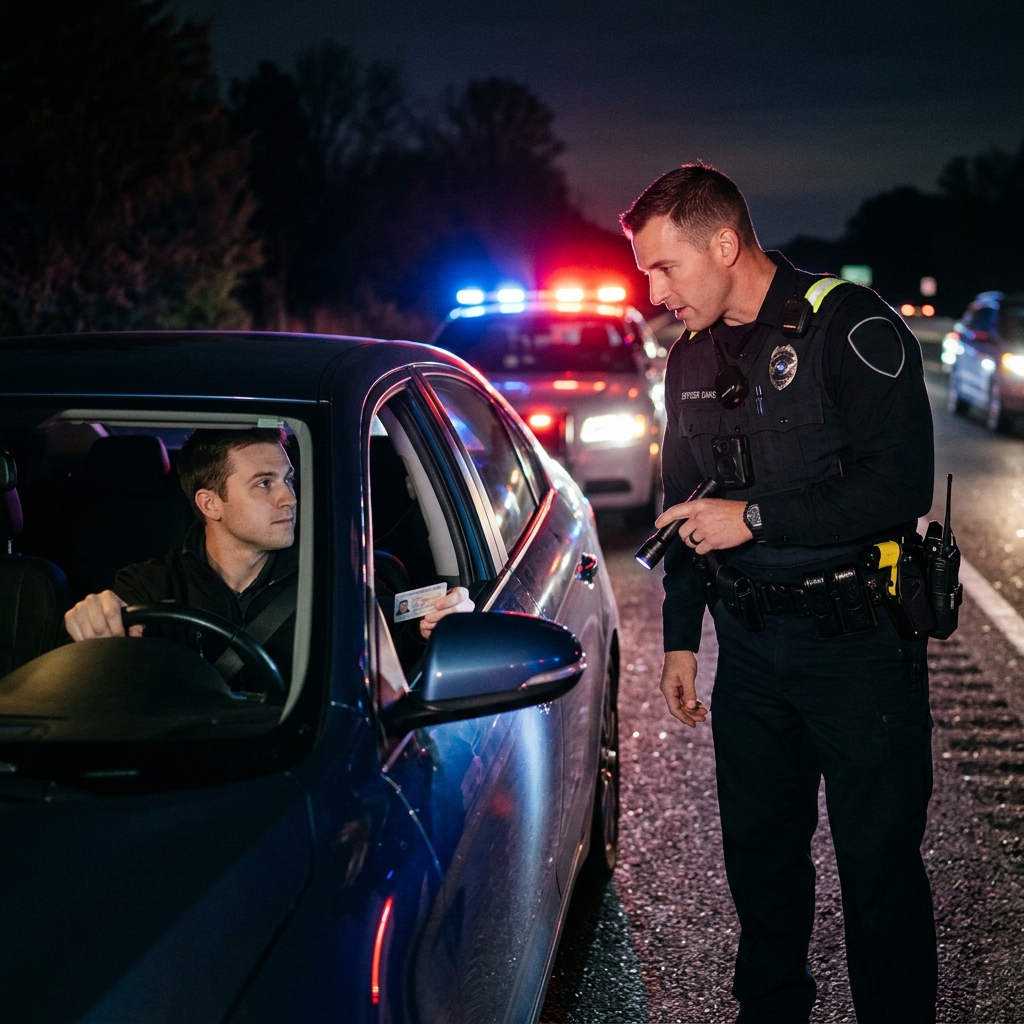
Seeing flashing lights in your rear-view mirror can be nerve-wracking, especially if the officer may suspect you of driving under the influence (DUI) or driving while intoxicated (DWI). How you respond in the next few minutes can significantly affect both the traffic stop and any future legal case. This guide explains practical steps to take, your core legal rights, what to expect from sobriety testing, and the actions you should consider after the stop.
Understanding What a DUI Stop Really Is
A DUI stop usually begins when an officer believes there is reasonable suspicion that you violated a traffic law or may be impaired. That suspicion might be based on speeding, drifting across lanes, failing to signal, or even minor issues like a broken taillight. Once the officer approaches your vehicle, they are observing everything: how you speak, whether your eyes are bloodshot, any odor of alcohol, and how coordinated you appear.
Although every state’s rules differ, DUI and DWI are typically defined as operating a vehicle with a blood alcohol concentration (BAC) at or above a legal limit (often 0.08% for adults), or while your ability to drive is impaired by alcohol or drugs, even if your BAC is lower. This means your words, behavior, and decisions during the stop can be used later as evidence of impairment.
First Moments: How to Pull Over Safely
The moment you see police lights behind you, focus on calm, predictable driving. Sudden moves or erratic behavior can increase the officer’s concern and may be recorded on dash or body cameras.
- Signal promptly: Use your turn signal to show you are compliant and intend to pull over as soon as it is safe.
- Choose a safe location: Move to the right-hand side of the road or a nearby well-lit area where both you and the officer can stand away from traffic.
- Stop smoothly: Brake gently and avoid abrupt stops or swerving into the shoulder.
- Secure the vehicle: Put the car in park, turn off the engine, and keep your hands visible—preferably on the steering wheel.
- At night: Consider switching on your interior light so the officer can see inside the vehicle more clearly.
These simple steps help show that you are cooperative and reduce safety risks during the stop.
Staying Calm and Professional With the Officer
Your attitude can strongly influence the tone of the encounter. Officers are trained to watch not only for signs of impairment but also for aggression, dishonesty, or evasiveness.
- Be courteous: Address the officer respectfully and avoid sarcasm or hostility.
- Limit movement: Do not reach for documents until the officer asks. Sudden movements can raise safety concerns.
- Keep passengers calm: Ask others to remain quiet and seated unless instructed otherwise.
- Remember the camera: Many stops are recorded by dash or body cameras; your demeanor may later influence how a judge or jury views the stop.
Politeness does not mean giving up your rights. It simply reduces unnecessary tension and can prevent minor misunderstandings from escalating.
Your Core Legal Rights During a DUI Stop
While you must comply with certain basic requirements, you also retain significant constitutional rights. Knowing them in advance can help you avoid self-incrimination.
Information You Must Provide
In nearly all states, you are required to provide:
- Valid driver’s license
- Vehicle registration
- Proof of insurance
Officers may verify your identity and the vehicle’s status. Failing to provide these documents can lead to separate citations or other consequences, regardless of any DUI suspicion.
The Right to Remain Silent
Beyond basic identifying information, you generally have the right to remain silent and avoid answering questions that might be used against you. You are not obligated to discuss:
- Where you have been or where you are going
- Whether you have consumed alcohol or drugs
- How much you have had to drink
Many defense lawyers recommend giving short, neutral answers or politely declining to answer questions that touch on alcohol use. For example, you might say, “I prefer not to answer any questions,” while remaining calm and respectful.
Right to Legal Counsel
If the stop evolves into an arrest or formal questioning, you have the right to consult an attorney. Once you clearly state that you want a lawyer, officers should stop interrogating you. In practice:
- Say plainly: “I want to speak to an attorney before answering any further questions.”
- Do not continue volunteering information, even if officers press you to talk.
- As soon as reasonably possible, contact a qualified DUI/DWI defense lawyer.
Field Sobriety Tests: What They Are and What to Consider
After initial conversation, an officer may ask you to perform field sobriety tests (FSTs). These roadside exercises are intended to expose signs of impairment, but they are also highly subjective and influenced by factors such as fatigue, medical conditions, footwear, and road conditions.
| Common Field Sobriety Test | What the Officer Looks For | Potential Issues |
|---|---|---|
| Walk-and-turn | Ability to follow instructions, balance, and coordination. | Uneven ground, nervousness, or physical limitations can affect performance. |
| One-leg stand | Standing on one foot without swaying or putting the foot down. | Back, knee, or ankle problems; age; weight; footwear can make test difficult. |
| Horizontal gaze nystagmus (HGN) | Eye movements when following a small object side-to-side. | Certain medications or medical conditions can affect eye movements. |
In many states, field sobriety tests are generally voluntary, and you may decline them. However, the legal consequences of refusing can vary.
- Advantages of declining: You may avoid providing potentially flawed or subjective evidence of impairment.
- Risks: An officer might interpret refusal as a sign of impairment, and in some jurisdictions refusal may factor into the decision to arrest or affect administrative penalties.
Because rules differ widely, it is wise to consult a local attorney about how field sobriety test refusals are treated in your state.
Breath, Blood, and Urine Testing: Implied Consent Considerations
A key distinction exists between informal roadside tests and official chemical tests requested after arrest. Most states have implied consent laws, meaning that by driving on public roads you agree in advance to certain chemical testing if lawfully arrested for suspected DUI.
Portable Roadside Breath Tests
Officers may ask you to blow into a small handheld device at the roadside. These devices provide a quick estimate of your BAC but are less accurate than certified instruments used at a police station.
- In some states, roadside breath tests are voluntary, and refusing may not violate implied consent laws.
- Results may be used to establish probable cause for arrest.
Legal consequences for refusal differ by jurisdiction, so what is advisable in one state may not be in another.
Official Chemical Tests After Arrest
Once arrested, you may be asked to submit to an official breath, blood, or urine test at the station or a medical facility. Under implied consent:
- Refusal can trigger automatic license suspension, fines, or other administrative penalties, even if you are later acquitted of DUI.
- In some states, refusal can be used as evidence against you in court.
Choosing whether to submit to official chemical testing is complex and case-specific. Defense attorneys often recommend requesting legal advice as soon as possible, especially if you have prior DUI history or medical concerns.
If You Are Asked to Exit the Vehicle
At some point, the officer may instruct you to step out of the car. Courts have generally allowed officers to order drivers out of the vehicle for safety and investigative reasons.
- Distinguish between requests and commands: If the officer says, “Please step out of the car,” it is typically treated as a lawful instruction, and refusal may escalate the situation.
- Exit normally: Avoid using the door frame or vehicle for support, which can appear as a sign of poor balance.
- Follow positioning instructions: Stand where the officer directs, away from traffic and within camera view.
As you exit, continue to maintain a calm demeanor and avoid unnecessary conversation.
Common Mistakes to Avoid During a DUI Stop
People often unintentionally make the officer’s case stronger by trying to be helpful or to talk their way out of trouble. Some of the most serious missteps are entirely avoidable.
- Admitting to drinking: Statements such as “I only had a couple” are frequently quoted later in reports and court.
- Volunteering details: Discussing the bar you visited, the type of drinks, or exact timing can supply a timeline for the prosecution.
- Arguing or being disrespectful: Hostility can encourage more thorough investigation and may influence charging decisions.
- Posting on social media: Public posts or photos related to drinking or the stop can be discovered and used against you.
- Ignoring license or insurance issues: Failing to maintain valid documents can lead to separate legal problems even if the DUI charge is dropped.
After the Stop: Immediate Steps to Protect Yourself
What you do in the hours and days following the stop can be just as important as your behavior on the roadside. Even if you are released rather than booked into custody, assume that the incident is serious and act promptly.
Document Everything You Can Remember
Memories fade quickly, and details are crucial in DUI defense. As soon as possible, write down:
- Where you were driving from and to
- Time of the stop and approximate location
- What the officer said and how you responded
- Whether you were asked to perform field tests or provide breath or blood samples
- Any medical conditions or injuries that might affect coordination or speech
Share this information only with your attorney, not on social media or with casual acquaintances.
Organize Your Paperwork
Collect and securely store:
- Any citation or ticket
- Notice of license suspension or temporary driving permit
- Release paperwork if you were arrested and later released
These documents are often required to request administrative hearings about your license or to build your legal defense.
Consult a Qualified DUI/DWI Attorney
DUI laws are highly state-specific and can change over time. A local defense lawyer can provide practical guidance on:
- Deadlines for challenging license suspensions
- How field sobriety or chemical test results may be questioned
- Possible plea options or diversion programs
- Long-term consequences for employment, professional licenses, or immigration status
Because penalties may include fines, jail, license suspension, mandatory education programs, and ignition interlock devices, getting timely legal advice is critical.
Frequently Asked Questions About DUI Traffic Stops
1. Do I have to answer if the officer asks whether I have been drinking?
No. You typically must provide identification and vehicle documents, but you are not required to answer questions about alcohol or drug use. Politely declining to answer is usually better than giving partial or incriminating information.
2. Can I refuse field sobriety tests?
In many jurisdictions, field sobriety tests are voluntary, and you may decline them. However, refusal may influence the officer’s decision to arrest and can have different legal implications depending on the state. A local attorney can explain the risks and benefits in your area.
3. What happens if I refuse a breath or blood test after arrest?
Under implied consent laws, refusal can lead to automatic license suspension and other administrative penalties, even if you are never convicted of DUI. In some states, refusal can also be used as evidence against you in court.
4. Will the stop be recorded?
Many agencies use dash cameras and body-worn cameras to record traffic stops, especially those involving suspected impairment. Your speech, conduct, and performance on any tests may all be captured on video and introduced as evidence later.
5. Is it helpful to explain that I am tired, stressed, or dealing with a medical issue?
It can be relevant, but explanations offered at the roadside may not be recorded accurately or may be dismissed by the officer. Instead, note any medical or physical issues for your attorney, who can help present credible supporting evidence if necessary.
Key Takeaways
- Stay calm and pull over safely using signals and smooth braking.
- Be respectful but remember you have the right to remain silent beyond basic identification.
- Understand the difference between voluntary field sobriety tests and official chemical tests under implied consent.
- Avoid common mistakes such as admitting to drinking or posting about the stop online.
- Contact a qualified attorney promptly to protect your license and build a defense strategy.
References
- What to Do If You’re Pulled Over for DUI in Indiana — Patton Law Office. 2023-06-15. https://www.pattonlawin.com/what-to-do-if-you-re-pulled-over-for-dui-in-indiana
- What to Do if You Get Pulled Over for a DWI in Missouri — FJR Criminal Defense. 2022-09-01. https://www.fjrcriminaldefense.com/what-to-do-if-you-get-pulled-over-for-a-dwi-in-missouri/
- What to Do If You Get Pulled Over for a DUI in Arizona — Mulemba Law. 2023-02-10. https://www.mulembolaw.com/blog/what-to-do-if-you-get-pulled-over-for-a-dui-in-arizona/
- 10 Things to Do (Please!) If Police Stop You for DUI — Greg Hill & Associates. 2021-11-05. https://www.greghillassociates.com/10-things-to-do-please-if-police-stop-you-for-dui.html
- What to Do If You Are Pulled Over for DWI in Missouri — Travis Noble, P.C. 2022-04-20. https://www.travisnoble.com/dwi-drunk-driving/what-to-do-if-you-are-pulled-over-for-dwi-in-missouri/
- Impaired Driving — National Highway Traffic Safety Administration (NHTSA). 2024-03-01. https://www.nhtsa.gov/risky-driving/drunk-driving
- Alcohol-Impaired Driving — Centers for Disease Control and Prevention (CDC). 2023-12-12. https://www.cdc.gov/transportationsafety/impaired_driving/index.html
Similar Articles








Read full bio of Sneha Tete




