
Smart Steps to Hiring a Landscape Contractor
Learn how to plan your project, vet professionals, and protect yourself with a solid contract when hiring a landscape contractor.
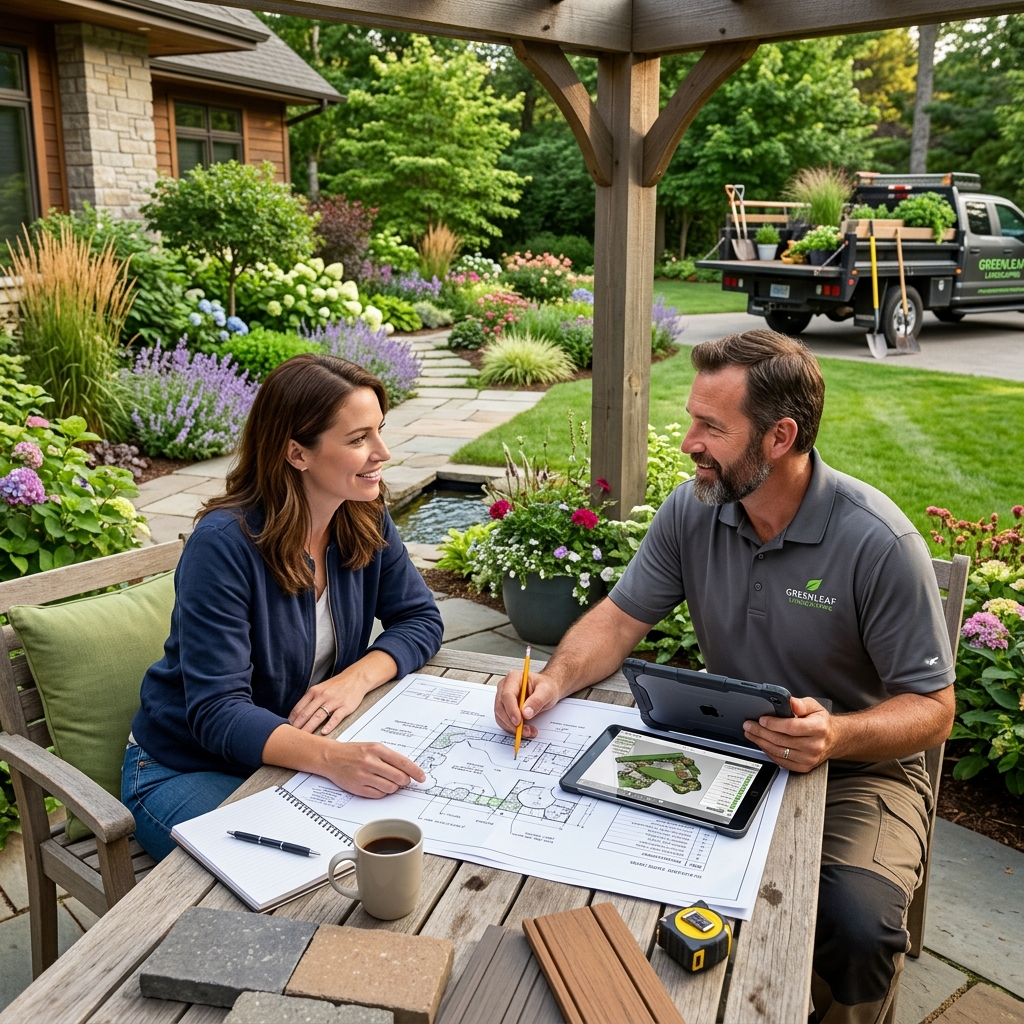
Transforming your yard into a functional, attractive outdoor space often requires more than weekend DIY work. Hiring a landscape contractor can give you professional design, quality installation, and long-term value—but only if you choose the right person and set up the relationship correctly.
This guide walks you through how to prepare for your project, evaluate contractors, understand contracts, and manage the work so you end up with a landscape that looks great and stands the test of time.
Clarify Your Landscape Goals Before You Call Anyone
Before you start requesting quotes, it is crucial to define what you want from your outdoor space. A clear plan makes it easier for contractors to price the job accurately and reduces costly changes later on.
Identify how you will use the space
Think about your lifestyle and how your yard should support it:
- Entertaining: Do you want a patio, outdoor kitchen, or fire pit for gatherings?
- Family activities: Is there a need for open lawn, play structures, or safe paths for children?
- Relaxation: Are you looking for quiet seating areas, water features, or shade trees?
- Low maintenance: Do you prefer drought-tolerant plants, simple beds, and minimal upkeep?
List features and priorities
Create a written list of features you’d like and rank them by importance. For example:
- New patio with seating (must-have)
- Improved drainage around the house (must-have)
- Landscape lighting (nice-to-have)
- Decorative plantings and flower beds (nice-to-have)
Priorities help you adjust the scope if the initial estimates exceed your budget.
Sketch a rough layout
You don’t need professional drawings, but a simple sketch showing your house, existing features, and where you imagine new elements can be very helpful. Even basic diagrams allow contractors to understand the footprint and propose realistic solutions.
Set a Practical Budget and Timeline
Landscaping can range from modest refreshes to major renovations. Having a budget and schedule in mind helps you focus on proposals that fit your situation and avoid surprises later on.
Understand typical cost ranges
National data suggest that many landscaping projects fall within a broad average range of several hundred to a few thousand dollars, depending on complexity and location. Large-scale work with hardscaping, drainage, and lighting may cost significantly more.
| Project Type | Scope | Approximate Range |
|---|---|---|
| Basic yard cleanup & planting | Mulch, a few shrubs, light pruning | $500 – $2,000 |
| Mid-range redesign | Planting beds, small patio, irrigation tweaks | $2,000 – $8,000 |
| Major renovation | Large patio, walls, lighting, drainage work | $8,000+ |
These numbers are illustrative only; always rely on local quotes for real figures.
Decide on a budget range and ceiling
Instead of one fixed number, define:
- Target budget: What you’d like to spend.
- Maximum budget: The absolute upper limit you will not exceed.
Share both with contractors so they can tailor their designs and avoid proposing plans far beyond your comfort zone.
Plan ahead for contractor availability
Landscape contractors often book weeks or months in advance, especially in spring and early summer. Many professionals recommend contacting contractors well before the main landscaping season so you can secure a spot and avoid rushed decisions.
Know the Difference: Landscapers vs. Landscape Contractors
The terms “landscaper” and “landscape contractor” are sometimes used interchangeably, but they can refer to different types of services. Understanding this distinction helps you hire the right professional for your needs.
| Role | Typical Focus | Examples of Services |
|---|---|---|
| Landscaper | Ongoing care & basic improvements | Mowing, weeding, fertilizing, pruning, small plantings |
| Landscape contractor | Construction & installation | Patios, walls, irrigation, grading, large plantings |
| Landscape designer/architect | Planning & design | Concept plans, plant selection, site layout |
For major projects involving hardscaping, drainage, or structural changes, a licensed landscape contractor is usually the appropriate choice.
Research and Shortlist Qualified Professionals
Once your goals and budget are clear, the next step is to find contractors who are capable, trustworthy, and experienced. This involves both online research and direct conversations.
Use reputable directories and local listings
You can locate landscape contractors through professional directories, local business listings, and platforms that aggregate service providers. Many sites allow you to read reviews, see photos of past work, and compare ratings, which helps you build an initial shortlist.
Check licensing and insurance
In many areas, landscape contractors must hold specific licenses for construction, irrigation, or pesticide work. You can usually verify licenses through your state or local licensing agency’s website, which is an official, authoritative source.
Ask each contractor to confirm and document:
- Business license number and status.
- General liability insurance.
- Workers’ compensation coverage for employees (where applicable).
- Any trade-specific certifications or bonds for larger projects.
Proper licensing and insurance help protect you if something goes wrong during the project.
Review portfolios and references
Quality of past work is one of the best indicators of future performance. Ask contractors to share:
- Photos of completed projects similar in size and style to yours.
- Design plans or drawings (if they offer design services).
- Contact information for recent clients who can speak to their experience.
If possible, visit a finished project in person to see how the work holds up over time.
Interview multiple contractors
Many experts recommend talking with at least three contractors so you can compare approaches, pricing, and communication styles. During these meetings, pay attention to:
- Punctuality: Do they arrive on time and respect your schedule?
- Clarity: Do they explain their process in plain language?
- Listening skills: Do they respond to your goals rather than pushing a one-size-fits-all solution?
Evaluate Estimates and Scope of Work
Once you’ve discussed your project with several contractors, you’ll start receiving estimates. These should do more than list a total price; they should clearly explain what’s included.
Compare “apples to apples”
When reviewing estimates, make sure each proposal is based on the same scope of work and similar materials, so you can compare fairly. If one quote is significantly higher or lower than others, it may indicate differences in quality, labor assumptions, or missing elements.
Look for detailed breakdowns
A solid estimate typically includes:
- Description of each major component (e.g., patio, planting beds, irrigation).
- Quantities and types of materials.
- Labor costs and estimated duration.
- Equipment or disposal fees.
Detailed estimates reduce confusion and make it easier to modify the design to fit your budget.
Ask key questions about the proposal
As you review estimates with each contractor, consider asking:
- What assumptions did you make about site conditions (soil, drainage, access)?
- What warranties or guarantees are included for plants and hardscaping?
- How do you handle unforeseen issues, such as hidden roots or poor soil?
- Can you suggest options to reduce cost while maintaining quality?
Protect Yourself with a Clear Written Contract
Before any work begins, ensure you have a written contract that both you and the contractor sign. A contract formalizes expectations, allocates responsibilities, and can help avoid disputes later on.
Essential elements of a landscaping contract
While the exact structure can vary, a thorough contract typically includes:
- Project description: A clear summary of the work to be done.
- Scope of services: Detailed tasks the contractor will perform and what you, as the owner, are responsible for.
- Schedule: Approximate start and completion dates, plus working hours.
- Payment terms: Total price, deposit, progress payments, and final payment conditions.
- Change order process: How additional work or costs must be approved before proceeding.
- Warranties: Coverage for materials, plants, and workmanship, along with time limits.
- Dispute resolution: Steps to resolve disagreements, which may include mediation or arbitration.
Payment structures and safeguards
Contracts may use different payment structures, such as:
- Deposit at signing, followed by stage-based payments.
- Progress payments tied to milestones (e.g., after grading, after hardscaping).
- Final payment upon substantial completion and walkthrough.
Avoid paying the entire cost upfront. Instead, link payments to measurable progress, and ensure the contract explains what triggers each payment.
Manage the Project and Maintain Communication
Even with the right contractor and a solid contract, your active involvement during the project helps keep work on track and ensures the final result matches your expectations.
Clarify points of contact
At the outset, ask:
- Who will be on site daily supervising the work?
- When and how you can reach the contractor (phone, email, text)?
- How often you will receive updates on progress and any issues.
Address changes promptly
Landscape projects often evolve once work begins. If you want to add, remove, or significantly alter features:
- Discuss cost and schedule implications before authorizing changes.
- Request written change orders that describe the modification and updated pricing.
- Keep a record of emails or messages confirming decisions.
End-of-project walkthrough and follow-up
When work is nearing completion:
- Walk the site with the contractor and compare the result to the original plan.
- Document punch-list items—small corrections or finishing touches—that need attention.
- Ask for care instructions for plants, hardscaping, and irrigation systems.
- Confirm how to request warranty service if something fails prematurely.
Common Mistakes to Avoid When Hiring a Landscape Contractor
Awareness of typical pitfalls can save you time, money, and frustration.
- Hiring solely on price: The cheapest bid may omit important work or use lower-quality materials.
- No written contract: Relying on verbal agreements increases the risk of misunderstandings.
- Skipping license and insurance checks: This can leave you exposed to liability if accidents occur.
- Changing the scope mid-project without documentation: Informal changes often cause disputes over cost and timing.
- Ignoring maintenance needs: A beautiful design can fail if you cannot or do not maintain it over time.
SEO-Friendly FAQs About Hiring Landscape Contractors
What should I ask a landscape contractor before hiring?
Key questions include:
- Are you licensed and insured for this type of work in my area?
- Can you show examples of similar projects you’ve completed?
- What is your estimated timeline and how do you handle delays?
- How do you structure payments and handle change orders?
- What warranties do you provide for plants, materials, and workmanship?
How many landscape contractors should I interview?
Many consumer and home-improvement experts suggest interviewing at least three contractors so you can compare proposals, prices, and communication styles before making a decision.
Do I really need a written contract for a small landscaping job?
Even for smaller projects, a written agreement is strongly recommended. It doesn’t need to be complex, but it should clearly describe the work, price, schedule, and payment terms to protect both you and the contractor.
How do I know if a landscape contractor is reputable?
Signs of a reputable contractor include valid licensing, appropriate insurance, positive reviews, transparent pricing, detailed written contracts, and willingness to provide references and portfolios. You can also check with local consumer protection or licensing agencies for complaints.
What’s the difference between a landscape designer and a landscape contractor?
A landscape designer or landscape architect focuses on planning and aesthetics—creating layouts, selecting plants, and organizing the space—while a landscape contractor typically handles the physical construction and installation of features such as patios, walls, irrigation systems, and plantings. In many projects, designers and contractors collaborate.
References
- How to Hire a Landscaper: The Ultimate Guide — Angi. 2023-05-01. https://www.angi.com/articles/7-questions-ask-hiring-landscaper.htm
- Hiring a Contractor or Landscape Designer — Oklahoma Gardening / YouTube (Oklahoma State University Extension). 2008-04-24. https://www.youtube.com/watch?v=utTwVKueh7M
- How to Hire the Best Landscape Contractor — YouTube, Coach Matt. 2020-07-15. https://www.youtube.com/watch?v=AiTTJpxQ9yo
- Hire the Best Landscaping Services Near Me — Thumbtack. 2023-06-10. https://www.thumbtack.com/k/landscaping/near-me
- Landscape Architecture Licensure — U.S. National Council of Architectural Registration Boards (NCARB). 2022-09-01. https://www.ncarb.org/become-licensed/landscape-architecture-licensure
Similar Articles








Read full bio of medha deb




