
Smart Planning for Adopting a Shelter Dog
A practical, safety-focused guide to choosing, preparing for, and welcoming a shelter dog into your home and family.
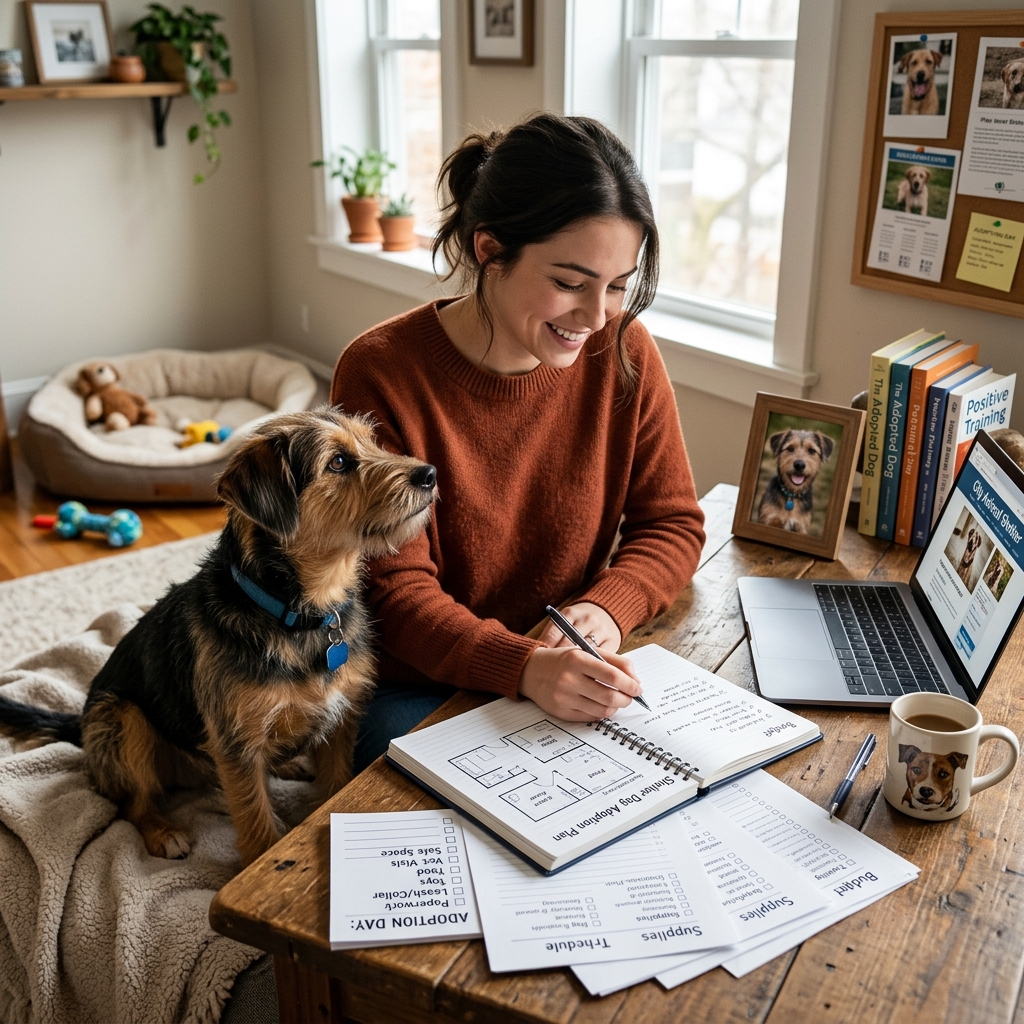
Bringing home a shelter dog can be one of the most rewarding choices you make, but it is also a long‑term commitment that demands planning, patience, and clear expectations. This guide walks you through how to prepare before adoption, what to ask at the shelter, and how to support your new dog during their first weeks at home.
Understanding What Shelter Adoption Really Means
Adopting a dog from a shelter or rescue is more than choosing a cute face; it is a promise to meet that animal’s physical, emotional, and financial needs for their entire life. Shelter dogs may have unknown histories, medical issues, or behavior challenges that take time and structure to address.
When you adopt, you are assuming responsibility for:
- Lifetime care including food, veterinary visits, and grooming.
- Safety and management at home and in public spaces.
- Training and socialization so your dog can live comfortably around people and other animals.
- Emotional support as they decompress from shelter life.
Thinking through each of these areas before you visit the shelter will help you choose a dog who fits your lifestyle and set both of you up for success.
Deciding If You Are Ready to Adopt
Many adoption failures happen because people underestimate the time and money required to care for a dog. Before you start visiting shelters, take an honest look at your situation.
Key questions to ask yourself
- Do I have stable housing that allows dogs and has enough space for the size and energy level I want?
- Can I commit to daily exercise, training, and interaction for the next 10–15 years?
- Is my budget able to absorb routine and emergency veterinary costs?
- Does my work schedule allow time to supervise a new dog, especially during the first month?
- Is everyone in my household aligned on rules, responsibilities, and expectations?
Common hidden costs to consider
| Category | Examples |
|---|---|
| Medical | Vaccinations, parasite prevention, dental care, emergency visits, spay/neuter follow‑up. |
| Training | Group classes, private trainers, behavior consultants for fear, aggression, or reactivity. |
| Equipment | Crates, gates, harnesses, collars, leashes, enrichment toys, grooming tools. |
| Care | Boarding, pet sitting, dog walking when you travel or work long hours. |
If these needs feel overwhelming, you might postpone adoption or consider fostering to gain experience with less long‑term pressure.
Preparing Your Home Before Adoption Day
A well‑prepared environment reduces stress and accidents, and makes the transition smoother for a shelter dog that may already feel overwhelmed.
Dog‑proofing your space
Think of a new dog as similar to a toddler: curious, fast, and unaware of danger. Remove temptations and hazards before they arrive.
- Store cleaning products, medications, and human food in closed cabinets or high shelves.
- Secure or hide electrical cords and keep window blind cords out of reach.
- Move breakable items and indoor plants that may be toxic to dogs.
- Check fences and gates for gaps a dog could squeeze through.
- Use baby gates to block stairs or rooms that are off‑limits.
Setting up your dog’s core areas
Dogs feel safer when they have predictable spaces for rest, eating, and bathroom breaks. Before adoption, decide:
- Where the dog will sleep (crate, dog bed, or your bedroom).
- Where food and water bowls will stay, away from heavy foot traffic.
- Which doorway you will use regularly for potty breaks.
- Which rooms will be initially accessible and which will be introduced later.
Essential supplies checklist
Many reputable organizations offer new dog checklists that can serve as a guide. Aim to have the basics ready before your dog comes home.
- Flat or martingale collar with space for ID tag.
- ID tag with your phone number and address.
- Leash (standard 4–6 ft) and a well‑fitted harness.
- Crate sized so the dog can stand, turn, and lie comfortably, plus a bed or mat.
- Food that matches what the shelter has been feeding, at least for the first week.
- Sturdy toys for chewing, play, and mental enrichment (e.g., puzzle feeders).
- Waste bags, cleaning spray for accidents, and an enzyme cleaner.
- Basic grooming tools: brush, nail clippers or grinder, dog‑safe shampoo.
Questions to Ask the Shelter or Rescue
Good shelters are transparent about medical and behavioral history and want to help you choose a suitable dog. Prepare a list of questions and take notes during your visit.
Health and veterinary background
- What vaccinations has the dog received, and when were they last updated? (Ask for records.)
- Has the dog been spayed or neutered? If not, when is it scheduled?
- What parasite prevention (fleas, ticks, heartworm, intestinal worms) is the dog receiving?
- Are there any known chronic medical conditions or medications?
- Has the dog had a recent veterinary exam, and were any issues flagged?
Behavior and history
- Where did the dog come from (stray, owner surrender, transfer from another shelter)?
- How does the dog behave with children, cats, and other dogs?
- Any history of aggression, fear, or anxiety, such as resource guarding or separation distress?
- Is the dog house‑trained or crate‑trained, and what routines were used?
- What level of training does the dog have (basic cues like sit, stay, come)?
Practical adoption details
- What is included in the adoption fee (microchip, initial vaccines, spay/neuter, starter food)?
- Is there a trial or foster‑to‑adopt option for dogs that might need more adjustment?
- What post‑adoption support does the organization offer (training resources, behavior advice)?
The First 48 Hours: Creating a Calm Landing
The first two days at home are critical for building trust. Dogs coming from shelters may be overstimulated by new smells, people, and sounds. Keeping things quiet and predictable helps them settle.
Keep the schedule simple
- Limit visitors and avoid crowded places like dog parks or busy pet stores.
- Use a short, consistent routine of meals, walks, rest, and gentle interaction.
- Introduce only a few rooms at first, gradually increasing the dog’s access as they show calm behavior.
- Allow the dog to rest in a crate or quiet corner when they seem overwhelmed.
Establish safety and identification
- Put on the dog’s collar and ID tag as soon as they arrive and keep it on during the transition period.
- Confirm the microchip number and make sure your contact details are registered with the microchip company.
- Always use a leash outdoors until you are certain fences and gates are secure and the dog reliably comes when called.
Building a Routine: Training, Potty Breaks, and House Rules
Dogs learn best through consistency and positive reinforcement. A clear routine helps them understand what is expected and reduces problem behaviors.
Housebreaking and potty training
Even if a dog is reported to be house‑trained, they may have accidents while adjusting to a new environment. Plan for frequent, predictable trips outside.
- Choose a specific outdoor potty spot and use the same path and door each time.
- Take the dog out after meals, play sessions, and naps, and before bedtime.
- Use a simple verbal cue, such as “go potty,” and reward with praise and small treats after success.
- Supervise closely indoors; consider using a crate or tethering the dog to you to prevent silent accidents.
Basic training foundations
Most shelter dogs benefit from revisiting basic cues, even if they have some prior training.
- Teach or refresh sit, down, stay, come, and leave it using reward‑based methods.
- Keep sessions short (5–10 minutes) and end on a success.
- Use consistent cues and avoid mixing words (e.g., choose either “down” or “off” for getting off furniture).
- Enroll in a group training class or seek a certified trainer if you encounter challenges.
House rules and boundaries
Agree on household rules before the dog comes home so everyone responds consistently.
- Will the dog be allowed on furniture? In bedrooms? On the bed?
- What is the feeding routine (times, location, who is responsible)?
- How will you handle jumping, barking, or begging at the table?
- Which areas are always off‑limits, and how will you block access (gates, closed doors)?
Ongoing Health, Grooming, and Safety
Regular preventive care helps your dog stay healthy and reduces long‑term costs. Veterinary organizations recommend an initial exam soon after adoption to establish baseline health and a vaccination plan.
Veterinary care
- Schedule a vet visit within the first week to review records, discuss diet, and plan parasite prevention.
- Ask about a vaccination schedule, including boosters for distemper‑parvo and rabies, and any region‑specific vaccines.
- Talk about spay/neuter if not already completed, and how it fits into behavior and health plans.
- Keep copies of all medical records in a safe, accessible place.
Grooming and physical care
- Establish a regular brushing routine based on coat type to prevent mats and reduce shedding.
- Trim nails or use a grinder every few weeks, or schedule professional grooming.
- Brush teeth with dog‑safe toothpaste several times a week to support dental health.
- Check ears, eyes, and skin for redness, odors, or lesions that may need veterinary attention.
Emergency planning
- Identify your nearest 24‑hour emergency veterinary clinic and save the number to your phone.
- Keep a basic pet first‑aid kit at home with items like bandage material, antiseptic, tweezers, and a muzzle.
- Know how to reach a pet poison hotline if your dog ingests something dangerous.
- Create a simple disaster plan covering evacuation with your dog, a go‑bag with food, water, and medications.
Supporting Behavior and Emotional Adjustment
Some shelter dogs settle quickly; others may show anxiety, fear, or behaviors that reflect their past experiences. Early, compassionate support can prevent small issues from turning into big problems.
Monitoring behavior
- Watch for signs of stress such as panting, pacing, drooling, hiding, or excessive vocalizing.
- Observe how your dog reacts to handling (touching paws, ears, collar) and adjust slowly if they seem uncomfortable.
- Note any triggers like certain people, other dogs, or objects that consistently cause fear or reactivity.
When to seek professional help
- If you see aggression (snapping, biting, serious lunges) toward people or animals.
- If separation from you leads to severe distress (destruction, nonstop barking, self‑injury).
- If fear keeps the dog from daily functioning (won’t go outside, won’t eat when you move, freezes on walks).
A qualified trainer or veterinary behaviorist can design a plan using humane, evidence‑based methods. Avoid trainers who rely on pain, intimidation, or harsh corrections, as these can worsen fear and aggression.
Frequently Asked Questions (FAQs)
How long does it take a shelter dog to adjust?
Adjustment varies, but many dogs follow a rough “3‑3‑3” pattern: about three days to decompress, three weeks to start learning the routine, and three months to fully settle into their new life. Some need more or less time depending on history and temperament.
Should I adopt a puppy or an adult dog?
Puppies require intensive time for housebreaking, socialization, and supervision, but you can shape many aspects of their behavior from the start. Adult dogs may already be house‑trained and have calmer energy, though they can come with established habits. Choose based on your available time and experience rather than purely on cuteness.
Can I adopt if I live in an apartment?
Yes, many dogs thrive in apartments as long as they receive adequate physical and mental exercise. Focus on matching energy level and noise tolerance to your building rules and your lifestyle. Regular walks, enrichment toys, and training can make apartment living work well.
What if my new dog and my current pets do not get along?
Introduce animals slowly, using controlled meetings and giving each pet safe spaces. Supervise all interactions initially, especially around food and toys. If tension continues, consult a trainer or behavior professional to structure the introductions and reduce conflict.
Is adopting from a shelter safer than buying from an online ad?
Reputable shelters and rescues typically provide medical exams, vaccinations, and behavior assessments that private online sellers may not. They are also more likely to disclose known issues and offer support after adoption. This transparency can lower risk for both you and the dog.
References
- Adopting an Adult Dog Checklist — Family Pet Veterinary Clinic. 2023-08-01. https://www.familypetveterinaryclinic.com/blog/1094923-adopting-an-adult-dog-checklist
- Dog Adoption Checklist — Petfinder. 2024-03-15. https://www.petfinder.com/dogs-and-puppies/adoption/finding-a-dog/dog-adoption-checklist/
- The Dog Adoption Prep Checklist with Adopt a Pet — Pedigree. 2023-05-10. https://www.pedigree.com/adoptionhub/the-dog-adoption-checklist
- Dog Adoption Checklist — Humane Society of Parkersburg (HSOP). 2022-09-20. https://www.hsop.org/dog-adoption-checklist
- New Dog Checklist: What Most People Forget Before Adoption Day — McCann Dog Training. 2023-11-05. https://www.youtube.com/watch?v=8Z3MvVkpeNg
- Dog Adoption Checklist: Everything New Dog Parents Need to Know — Chewy Education. 2024-02-01. https://www.chewy.com/education/dog/new-dog/pet-parenting-pet-lovers-dog-adoption-checklist-what-you-need-to-know
- Adopting a New Dog Checklist for 2026 — Wirecutter, The New York Times. 2026-01-10. https://www.nytimes.com/wirecutter/reviews/new-dog-checklist/
Similar Articles








Read full bio of medha deb


