
Smart House Hunting: A Complete Buyer Checklist
Plan your home search, compare properties with confidence, and avoid costly surprises using this practical, step‑by‑step house hunting checklist.
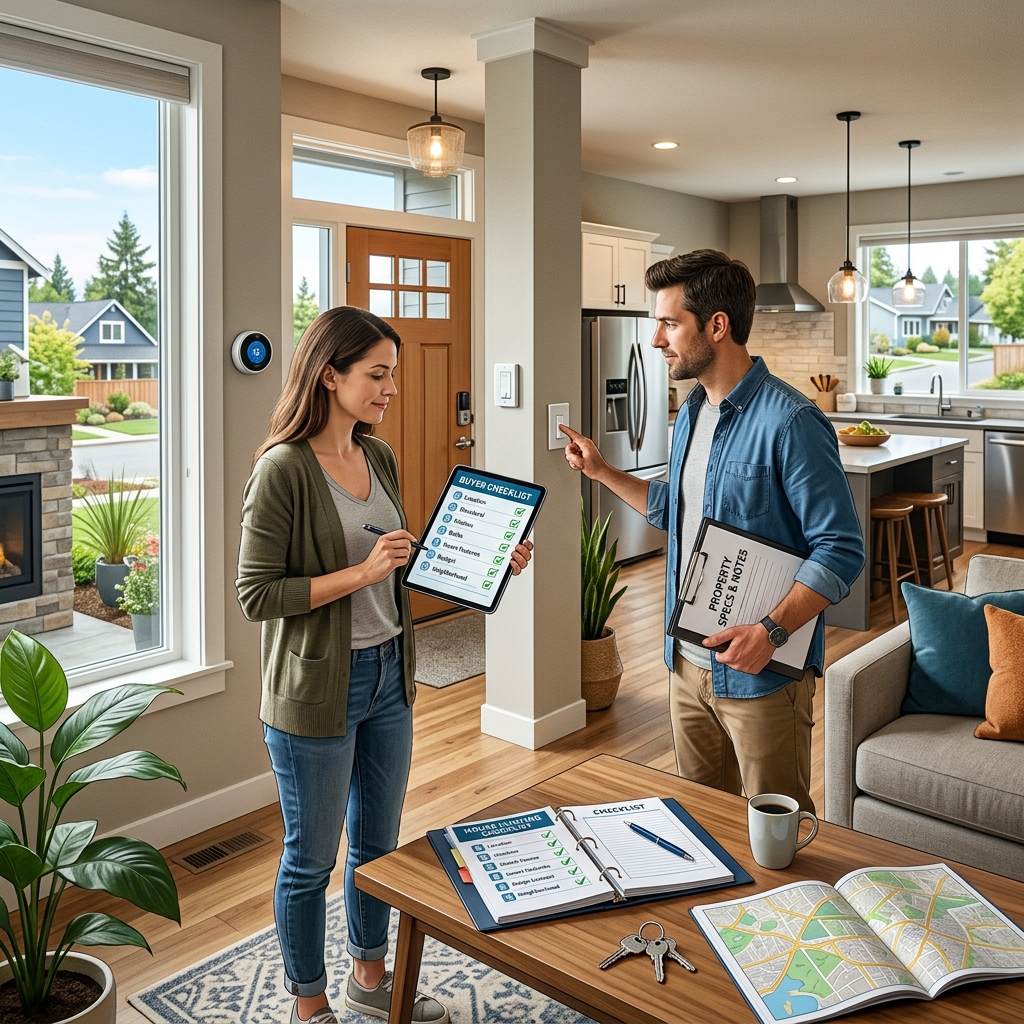
Buying a home is one of the biggest financial decisions most people make, and going to open houses without a clear plan can lead to expensive mistakes. A structured house hunting checklist keeps you focused on what matters, helps you compare properties objectively, and reduces the stress of choosing your future home.
This guide walks you through key steps before and during house hunting, from defining your budget and priorities to inspecting properties and evaluating neighborhoods. Use it as a reference while you search, and adapt it to fit your lifestyle, location, and long‑term goals.
1. Get Financially Ready Before You Start Touring
Effective house hunting starts long before you schedule your first showing. Understanding your finances and loan options will prevent you from falling in love with a home you cannot comfortably afford.
1.1 Clarify Your Budget and Ownership Costs
Your total housing cost is more than just the monthly mortgage payment. It combines principal, interest, taxes, insurance, and ongoing maintenance.
- Assess your income and debts to determine a manageable monthly payment.
- Estimate your down payment and closing costs, including lender fees and prepaid taxes.
- Include property taxes, homeowners insurance, and maintenance in your long‑term budget.
- Decide on a comfortable price range and commit to staying within it.
Many experts recommend keeping total housing costs near 28% of gross monthly income, though the right figure depends on your broader financial goals.
1.2 Check Your Credit and Explore Mortgage Options
Your credit profile strongly affects the interest rate and loan programs available to you. Reviewing it early gives you time to correct errors and improve your score if needed.
- Review your credit report and score for accuracy and signs of identity theft.
- Compare mortgage types, such as fixed‑rate, adjustable‑rate, FHA, or VA loans, depending on your eligibility and risk tolerance.
- Request rate quotes from multiple reputable lenders.
- Obtain a pre‑approval letter, which shows sellers you’re a serious buyer and clarifies your approved loan amount.
A written pre‑approval strengthens your position in competitive markets and prevents wasted time on homes outside your real borrowing capacity.
2. Define Your Lifestyle, Priorities, and Deal Breakers
Without clear priorities, every home can look appealing in the moment and confusing later. Creating a personal checklist helps separate short‑term excitement from long‑term suitability.
2.1 Must‑Haves vs. Nice‑to‑Haves
Start by listing everything you want, then divide it into non‑negotiable requirements and preferences.
- Must‑haves: Features you genuinely need to live comfortably (e.g., minimum bedroom count, accessibility, commute limits).
- Nice‑to‑haves: Features that would be great but are not essential (e.g., a fireplace, a large patio, high ceilings).
Revisit these lists regularly as you view homes. Real‑world experience often changes your perspective on what truly matters.
2.2 Size, Layout, and Functionality
Square footage alone does not define comfort. The layout, flow, and flexible use of space can matter more than raw size.
| Feature | Questions to Ask |
|---|---|
| Bedrooms | How many rooms do you truly need now and in five years? Can any room double as an office or guest room? |
| Bathrooms | Is there enough privacy and convenience for your household size? Are bathrooms located near bedrooms and living areas? |
| Floor plan | Do you prefer open spaces for entertaining or separate rooms for quiet and privacy? |
| Storage | Are closets, pantry, basement, and garage storage adequate for your belongings and hobbies? |
Consider future changes, such as children, aging parents, or remote work, when deciding on the size and layout that will serve you over time.
2.3 Features and Finishes That Impact Daily Life
Special features often influence comfort more than you expect. Identify those that significantly affect your routine, not just aesthetics.
- Climate essentials: reliable heating and cooling, ceiling fans, and adequate insulation.
- Kitchen functionality: workspace, storage, outlets, and room for multiple people to cook.
- Laundry location: near bedrooms for convenience or in the basement to save main‑floor space.
- Outdoor space: yard size, sun exposure, and maintenance level you’re willing to handle.
Upgrades like flooring and paint can be changed later, but structural layout and mechanical systems are far more complex to alter.
3. Evaluate Neighborhoods and Location Factors
You can update a house over time, but you can’t relocate the property. Choosing the right area is as important as choosing the right structure.
3.1 Commute, Access, and Daily Convenience
Think through your typical week: work, school, groceries, healthcare, and recreation.
- Commute time: Set a maximum door‑to‑door travel time you’re willing to accept.
- Access to major roads and public transport for work and travel.
- Distance to essential services like hospitals, pharmacies, and grocery stores.
- Proximity to parks, gyms, and cultural venues that fit your lifestyle.
Balance convenience with noise and traffic. Being close to highways or commercial areas may shorten commutes but increase congestion.
3.2 Schools, Safety, and Community Character
Even if you don’t have children, local schools and perceived safety can affect long‑term property value.
- Review publicly available data on school performance and enrollment trends through official education departments.
- Check crime statistics from local law enforcement or municipal websites rather than relying solely on anecdotes.
- Visit at different times of day to observe noise, traffic, and neighborhood activity.
- Consider homeowners association rules and fees if the property is in a managed community.
Choosing an area that matches your lifestyle—quiet and residential, or lively and urban—will reduce regret after you move in.
4. Make the Most of Property Tours and Open Houses
Touring homes is where your preparation pays off. Treat each visit like a structured evaluation, not just a casual walk‑through.
4.1 Prepare a Tour Toolkit
Arriving with tools and a plan will help you collect reliable information and compare homes later.
- Notebook or notes app for comments and questions.
- Camera or phone photos to capture layout and potential issues.
- A printed or digital version of your personal checklist.
- Tape measure for checking furniture fit if necessary.
Label your notes with the property address and date; after several tours, details can blur together.
4.2 What to Look for Room by Room
Beyond appearance, focus on function, condition, and potential costs. Use the points below as a starting checklist.
- Exterior and structure: Roof age, siding condition, gutters, foundation cracks, grading and drainage.
- Interior surfaces: Walls and ceilings for cracks or stains, flooring quality, signs of water damage or mold.
- Plumbing: Run faucets, check water pressure, inspect under sinks for leaks, flush toilets and listen for issues.
- Electrical: Number and placement of outlets, condition of switches and fixtures, visible wear or outdated panels.
- Heating and cooling: Age of furnace and air conditioner, airflow in each room, thermostat location.
- Insulation and comfort: Drafts near windows and doors, consistent temperatures between rooms.
Take note of odors such as mildew or smoke, which may suggest hidden problems with moisture or previous damage.
4.3 Questions to Ask Sellers or Agents
Some crucial information is not visible during a 20‑minute visit. Ask targeted questions to uncover the property’s history.
- How long has the home been on the market and why is the owner selling?
- What major repairs or renovations have been completed in the last 10–15 years?
- Are there any known issues with the roof, foundation, plumbing, or electrical systems?
- Are there active warranties on appliances or systems?
- What are typical utility costs throughout the year?
- Are there HOA fees, special assessments, or use restrictions?
The answers will help you anticipate future expenses and evaluate whether the asking price reflects the home’s true condition.
5. Spot Common Red Flags and Risk Areas
Not every issue is a deal breaker, but some problems can be expensive or difficult to fix. Learning to recognize red flags can save you from significant financial stress.
5.1 Structural and Moisture Concerns
- Foundation problems: large cracks, doors or windows that stick, or sloping floors.
- Roof issues: missing shingles, sagging, or visible water stains on upper ceilings.
- Water intrusion: damp basements, moldy smells, or discolored areas near plumbing fixtures.
These problems can compromise safety and may require professional evaluation and considerable repair budgets.
5.2 Mechanical Systems and Energy Efficiency
- Very old heating or cooling equipment that may soon need replacement.
- Poor insulation leading to high energy bills and inconsistent comfort.
- Single‑pane or poorly sealed windows that increase noise and heat loss.
Request approximate ages and service histories of major systems to understand when replacement might be necessary.
5.3 Pests, Code Issues, and Unpermitted Work
- Evidence of pest activity such as droppings, damaged wood, or insect trails.
- Electrical or plumbing additions that look improvised or poorly finished.
- Renovations without permits, which may cause problems with insurance or future resale.
When in doubt, professional inspections and records from local building departments can help verify compliance and safety.
6. Compare Homes and Make a Confident Decision
After visiting multiple properties, a structured comparison helps you move from impressions to evidence‑based decisions.
6.1 Create a Comparison Table
Use a simple scoring system to rate each property against your criteria. The example below illustrates how you might compare three homes.
| Criterion | Home A | Home B | Home C |
|---|---|---|---|
| Price vs. budget | Within limit | Slightly high | Comfortable |
| Location & commute | Excellent | Average | Good |
| Condition of major systems | Recently updated | Mixed | Older |
| Must‑have features met | All | Most | Some |
| Long‑term potential | High | Medium | Medium |
Assigning simple ratings (for example, 1–5) keeps emotions in check and highlights which property truly fits your needs.
6.2 Factor in Professional Inspections and Legal Review
Even if a home looks perfect, inspections and proper documentation are essential safeguards.
- Hire a licensed home inspector to evaluate structure, systems, and safety concerns in detail.
- Review seller disclosures carefully, noting any past or ongoing issues.
- Confirm that remodels and additions were properly permitted and approved by the local authority.
- Consult a real estate professional or attorney if you have questions about contract terms, contingencies, or unusual property conditions.
Inspection findings can inform negotiations, contingency requests, and whether to move forward with the purchase at all.
7. Quick House Hunting FAQs
How many homes should I see before making an offer?
There is no fixed number. Some buyers find the right home quickly; others tour dozens. Focus less on the count and more on whether a property meets your essential criteria, fits your budget, and shows no serious red flags.
Should I prioritize location or house features?
Experts often advise treating location as a high priority because you cannot change it easily, and it affects long‑term value and quality of life. However, if a home’s layout or condition is fundamentally unsuitable, even a great location may not compensate.
Do I really need a home inspection?
Yes. A professional inspection provides an objective evaluation of the property and can reveal issues not visible during a short tour, such as hidden moisture, structural problems, or unsafe wiring. Skipping this step significantly increases risk.
How can I avoid overpaying for a home?
Stay within your pre‑approved budget, review recent comparable sales in the area, and factor in upcoming repair or replacement costs. Working with an experienced real estate professional can help interpret market data and negotiate effectively.
What if I fall in love with a house that doesn’t meet my must‑haves?
Revisit your checklist and ask whether you are comfortable compromising. Some preferences are flexible; core needs like safety, affordability, and basic space requirements usually are not. Give yourself time to think instead of making a rushed decision.
References
- House Hunting Checklist: What to Look for When Buying — Veterans United Home Loans Education. 2023-05-10. https://www.veteransunited.com/education/homebuying-checklist/
- House Hunting Checklist | New American Funding — New American Funding Learning Center. 2023-03-01. https://www.newamericanfunding.com/learning-center/homebuyers/house-hunting-checklist/
- House Hunting Checklist: 6 Steps for Prioritizing Needs vs. Wants — Zillow Home Buying Guides. 2022-11-15. https://www.zillow.com/learn/find-your-dream-home/
- The Ultimate House Hunting Checklist for Buyers — Redfin Blog. 2023-07-20. https://www.redfin.com/blog/house-hunting-checklist/
- House Hunting Checklist | Home Buyers Pick Must-Haves — Homes for Heroes Blog. 2023-04-12. https://www.homesforheroes.com/blog/house-hunting-checklist/
Similar Articles








Read full bio of medha deb


