
Small Business Community Giving Strategies
Discover practical ways small businesses can contribute to their communities, build loyalty, and drive sustainable growth through meaningful involvement.
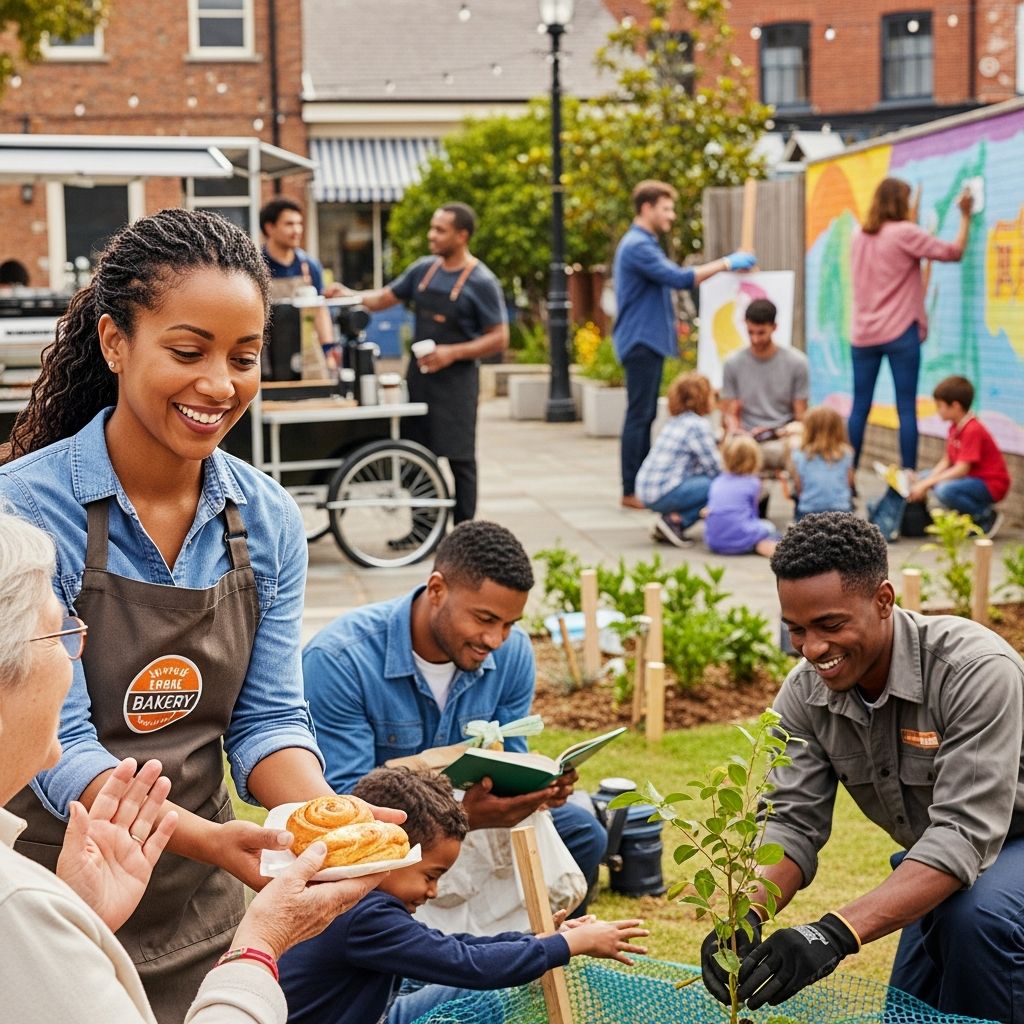
Small businesses thrive when deeply rooted in their local areas. Active participation in community initiatives not only supports vital causes but also strengthens customer bonds, elevates brand reputation, and fosters employee satisfaction. This guide outlines original, actionable approaches drawn from proven practices, helping owners integrate giving back into core operations for mutual benefit.
Why Community Engagement Matters for Growth
Engaging with the community yields tangible returns. Businesses that participate in local efforts see heightened visibility and loyalty, as customers favor companies demonstrating genuine care. Studies show such involvement can boost morale and open networking doors with leaders and peers. Moreover, it positions firms as pillars of support, encouraging repeat business and referrals.
Key advantages include:
- Brand Exposure: Events and partnerships amplify reach to new audiences.
- Customer Retention: Loyalty grows when patrons witness authentic contributions.
- Employee Motivation: Team members feel proud, improving retention and productivity.
- Strategic Alliances: Collaborations unlock shared resources and opportunities.
According to U.S. Chamber of Commerce insights, aligning efforts with shared values maximizes impact.
Forming Strategic Local Partnerships
Partnerships form the backbone of effective community involvement. Collaborate with nonprofits, schools, or fellow businesses sharing your values to pool resources and extend influence.
Start by attending chamber meetings or networking events to identify matches. Propose joint ventures like co-hosted workshops that blend expertise—for instance, a retailer teaming with a tech firm for digital skills sessions.
| Partnership Type | Benefits | Example Action |
|---|---|---|
| Nonprofit Alliances | Amplified impact, tax advantages | Joint fundraisers for local shelters |
| Business Collaborations | Cross-promotion, expanded networks | Shared event booths at fairs |
| Government Ties | Policy influence, credibility | Providing services for public programs |
Maintain open communication through regular check-ins to adapt and refine these relationships, ensuring longevity.
Hosting Impactful Local Events
Organizing events positions your business as a community hub. From workshops to fairs, these gatherings build trust and showcase your commitment.
Consider free skill-building sessions tailored to neighborhood needs, like financial literacy talks by a consultancy or cooking classes by a cafe. Such initiatives draw families, sparking conversations and loyalty. Blend virtual and in-person formats to broaden access, using platforms for live streams alongside physical venues.
Steps to success:
- Assess community gaps via surveys.
- Secure venues and partners early.
- Promote via social media and local channels.
- Follow up with thank-yous and feedback requests.
These efforts not only aid residents but also humanize your brand, turning attendees into advocates.
Sponsorship Opportunities That Build Visibility
Sponsoring teams, festivals, or runs offers high-visibility support. Outfit youth sports squads with your logo or fund cultural festivals to embed your name in community memory.
This approach fosters goodwill; parents and organizers spread positive word-of-mouth. Nationwide highlights how such backing strengthens ties with budget-strapped groups like schools.
Target alignments:
- Sports: Uniforms, banners for teams.
- Arts: Festival stages or artist grants.
- Health: Race sponsorships with booths.
Track ROI through attendance metrics and follow-up surveys to refine future investments.
Volunteer Programs and Employee Engagement
Empower staff with paid volunteer time to deepen involvement. Programs matching donations or offering days off encourage participation in cleanups, food drives, or mentoring.
A bakery donating surplus to shelters exemplifies this, reducing waste while nourishing those in need. Involve teams in runs or builds, wearing branded gear to boost awareness organically.
Benefits for staff include heightened purpose, reducing turnover. Structure via:
- Quarterly volunteer challenges.
- Matching gift programs.
- Recognition events for top contributors.
Leveraging Digital Tools for Wider Reach
Amplify physical efforts online. Share event recaps, partner spotlights, and impact stories on social media to engage broader audiences.
Join local online groups or host webinars on community topics. Email newsletters detailing contributions keep supporters informed, driving sustained interaction.
Pro tips:
- Use hashtags like #LocalGiving.
- Tag partners for cross-exposure.
- Post user-generated content from events.
Discounts and In-Kind Support Tactics
Offer reduced rates or products to nonprofits, libraries, or schools. This aids tight budgets while earning endorsements.
Examples: Free repairs for community centers or bulk buys for events. Promote via signage: “Proudly Supporting Local Heroes.” Such gestures create lasting impressions and referrals.
Balancing Giving with Business Priorities
Sustainability requires boundaries. Select 1-2 annual focuses to avoid overload, like a signature drive or ongoing partnership. Involve employees for shared load and buy-in.
Measure success with metrics:
- Attendance and feedback scores.
- Sales uplift post-events.
- Social engagement rates.
Long-term, these investments shape policy and innovation, securing your role as a community anchor.
Frequently Asked Questions
What are the best first steps for community involvement?
Join the local Chamber of Commerce to network and identify opportunities, then pick one aligned cause to start.
How can small businesses measure involvement ROI?
Track visibility via mentions, loyalty through repeat visits, and morale with surveys.
Are there tax benefits to giving back?
Yes, donations and sponsorships often qualify; consult IRS guidelines or a tax advisor for details.
How to involve remote employees?
Promote virtual volunteering, donation matches, or online advocacy campaigns.
What’s a quick-win idea for beginners?
Sponsor a local sports team for immediate visibility and goodwill.
References
- 9 Strategic Approaches for Small Businesses to Expand Their Community Reach — Compt.io. 2023. https://compt.io/blog/strategies-for-small-businesses-to-increase-community-reach/
- How Participating In Your Community Can Help Your Small Business — Main Street America Insurance. 2023. https://msainsurance.com/resources/how-participating-your-community-can-help-your-small-business
- How to Get Involved in Your Community as a Business — Nationwide. 2023. https://www.nationwide.com/business/solutions-center/growing/how-to-get-involved-in-your-community
- Community Involvement Ideas for Your Business — Keap. 2023. https://keap.com/small-business-automation-blog/marketing/branding/community-involvement-ideas-for-businesses
- 7 Ways Small Businesses Develop Strong Community Partnerships — U.S. Chamber of Commerce. 2023. https://www.uschamber.com/co/start/strategy/build-strong-community-partnerships
Similar Articles








Read full bio of medha deb


