
10 Signs Your Work Attire Screams Unprofessional
Discover the top 10 wardrobe pitfalls that undermine your professional image and learn how to dress for success in any office.
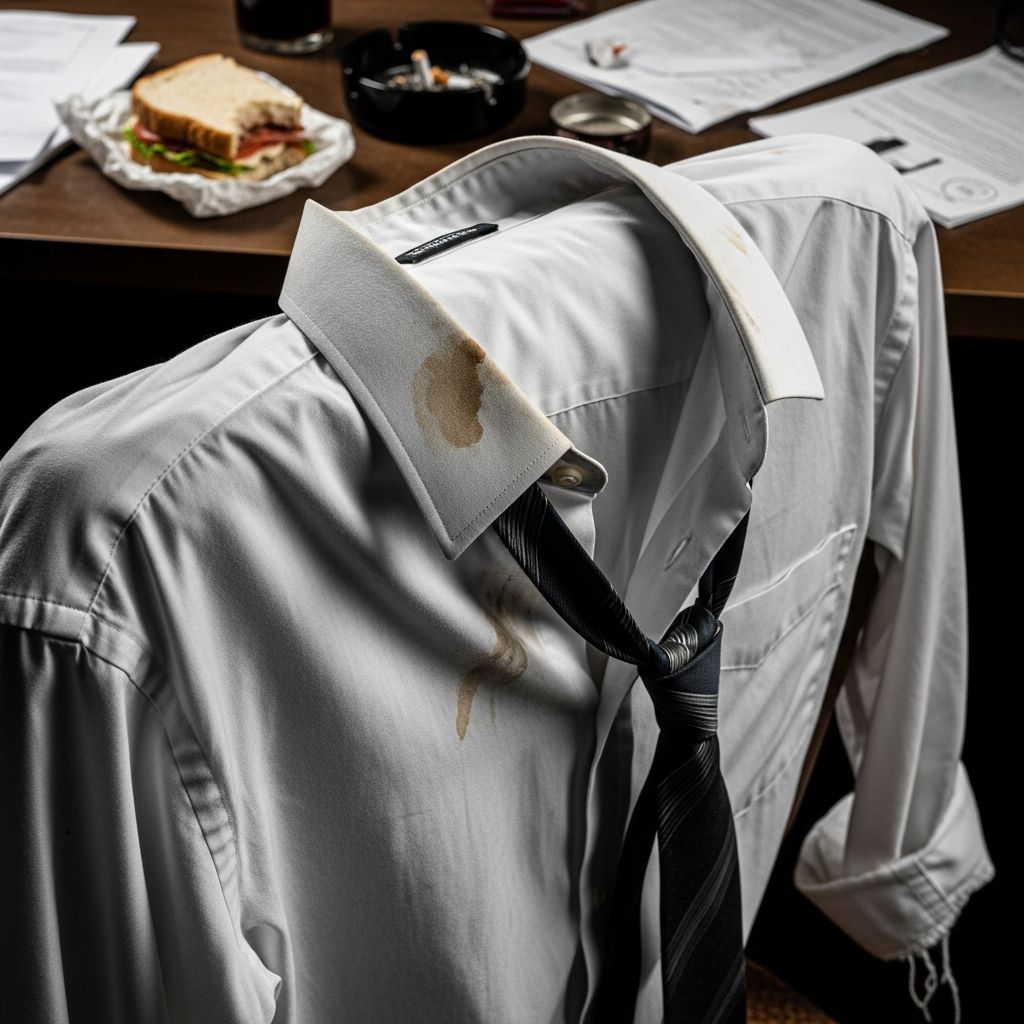
In today’s competitive job market, your clothing choices speak volumes before you utter a word. A polished appearance builds trust, conveys competence, and opens doors to opportunities. Conversely, certain wardrobe missteps can instantly erode your credibility, making colleagues and superiors question your attention to detail and seriousness about your role. This guide breaks down the top 10 indicators that your outfits are working against you, drawing from common workplace observations and expert insights. By recognizing these pitfalls, you can refine your style to project confidence and professionalism.
Why Wardrobe Matters in Professional Settings
First impressions form within seconds, and attire plays a pivotal role. Studies from the Journal of Fashion Marketing and Management highlight that well-dressed individuals are perceived as more capable and reliable. In client-facing roles or conservative industries like law, finance, and consulting, adhering to unspoken dress norms is non-negotiable. Even in casual environments, extremes undermine your brand. Understanding dress code expectations—business formal, smart casual, or relaxed—sets the foundation for success.
1. Ignoring the Dress Code Basics
The most glaring sign is flouting established guidelines. Company handbooks often outline expectations, yet many arrive in outfits that clash with the culture. For instance, wearing gym clothes or beachwear in a corporate office signals disregard for norms. Observe peers: if suits dominate, match that level. In ambiguous cases, err on the side of formality. This habit not only distracts but implies you prioritize comfort over contribution.
- Check your employee manual for specifics.
- Ask HR discreetly if unsure.
- Adapt to the day’s meetings or clients.
2. Opting for Overly Casual Extremes
Even on ‘casual Fridays,’ boundaries exist. Flip-flops, Hawaiian shirts, or athletic shorts cross into vacation territory. These choices suggest you view work as secondary. Business casual means chinos and polos, not sweatpants. In creative fields, some flexibility applies, but visible effort remains key. A survey by CareerBuilder found 41% of employers less likely to promote overly casual staffers.
3. Revealing Too Much Skin
Summer heat tempts lighter layers, but tank tops, short shorts, or deep cleavages distract and invite discomfort. Professionalism demands modesty—cover shoulders, midriffs, and thighs. Sheer fabrics without underlayers or low necklines fare no better. This applies year-round; balance comfort with coverage using breathable, tailored pieces like short-sleeve button-ups.
| Season | Do’s | Don’ts |
|---|---|---|
| Summer | Light blouses, knee-length skirts | Tank tops, mini-skirts |
| Winter | Layered sweaters, tights | Exposed cleavage, bare legs |
4. Embracing Wrinkled or Ill-Fitting Garments
Creased shirts and baggy pants scream haste. Wrinkles imply sloppiness, while poor fits—too tight or loose—suggest neglect. Invest in quality items that skim your frame. Steam or iron nightly; use wrinkle-release sprays for travel. Tailoring elevates off-the-rack buys, ensuring a sharp silhouette that commands respect.
5. Sporting Faded, Torn, or Stained Clothes
Visible wear-and-tear, like frayed hems or coffee spots, erodes polish. Inspect outfits under good light before dressing. Rotate wardrobes to avoid overuse. Replace damaged pieces promptly—it’s an investment in perception. Cleaners and spot treatments maintain freshness without excess spending.
6. Footwear That Falls Flat
- Sneakers with suits: Mismatch city.
- Worn-out shoes: Hygiene red flag.
- Open-toed in formal settings: Too relaxed.
Shoes anchor your look. Opt for polished loafers, pumps, or boots matching the office vibe. Clean weekly; heels under 3 inches for comfort. This detail differentiates pros from amateurs.
7. Overloading on Accessories or Flashy Patterns
Loud ties, jangling jewelry, or neon hues draw eyes from your skills. Subtlety reigns: one statement piece max, neutral palettes with pops of color. Busy patterns overwhelm in meetings. Match metals and scale to your build for harmony.
8. Neglecting Grooming and Hygiene Pairings
Attire alone falters without clean hair, trimmed nails, and fresh scent. Unkempt beards or chipped polish clash with crisp clothes. Daily showers, deodorant, and minimal fragrance complete the package. This holistic approach signals self-respect.
9. Uniformity Across All Environments
One-size-fits-all fails. Client meetings demand elevation; internal days allow slight ease. No-jeans policy? Honor it. Adaptability shows savvy. Track feedback to calibrate.
10. Clinging to Outdated Trends
Bell-bottoms or overly baggy styles date you. Timeless cuts—slim trousers, fitted blazers—endure. Follow style guides from GQ or Vogue for updates without excess.
How to Overhaul Your Professional Wardrobe
Start with a closet audit: donate ill-fits. Build capsules: 5 versatile bottoms, 10 tops, 3 outerwear. Shop sales at J.Crew or Banana Republic. Budget tip: thrift tailored items. Schedule monthly maintenance. Seek mentor input for industry nuances.
| Outfit Type | Key Pieces | Budget Range |
|---|---|---|
| Business Formal | Suit, dress shirt, tie, oxfords | $300-800 |
| Business Casual | Blazer, chinos, loafers | $150-400 |
| Casual | Button-up, slacks, clean sneakers | $100-250 |
Industry-Specific Dressing Nuances
Tech tolerates hoodies; finance forbids them. Healthcare leans scrubs or lab coats. Research your sector via Glassdoor. Hybrid work blurs lines—camera-on means full polish.
Frequently Asked Questions (FAQs)
What if my office has no dress code?
Mirror the most senior person’s style, leaning formal. When in doubt, overdress.
Can I wear jeans to work?
Dark, fitted denim passes in casual spots; avoid rips or fades. Confirm policy first.
How do I handle hot weather professionally?
Choose linen blends, no-show socks with loafers, and moisture-wicking fabrics.
Is it okay to wear sneakers?
Leather ones pair with chinos; skip in conservative firms.
What colors project authority?
Navy, charcoal, black for power; pastels soften for creative roles.
Elevating Your Image for Career Growth
Refining attire boosts confidence and invitations. Track promotions post-changes. Consistency compounds; pair with punctuality and communication for holistic professionalism. Your wardrobe is your silent advocate—make it eloquent.
References
- Dress Code Policies and Workplace Performance — Society for Human Resource Management (SHRM). 2024-05-15. https://www.shrm.org/topics-tools/tools/policies/dress-code-policy
- Impact of Appearance on Professional Perceptions — Journal of Fashion Marketing and Management. 2023-08-10. https://doi.org/10.1108/JFMM-05-2022-0123
- Workplace Attire Survey Results — CareerBuilder Annual Report. 2025-02-20. https://www.careerbuilder.com/advice/workplace-attire-2025
- Professional Grooming Standards — U.S. Equal Employment Opportunity Commission (EEOC). 2024-11-01. https://www.eeoc.gov/laws/guidance/appearance-and-grooming
- Business Casual Guidelines — Harvard Business Review. 2025-03-12. https://hbr.org/2025/03/business-casual-evolution
Similar Articles








Read full bio of Sneha Tete




