
Shoplifting Claims in Automated Retail: Legal Realities
Uncover the legal pitfalls of cashierless stores, from accidental scans to defenses against theft charges in modern retail.
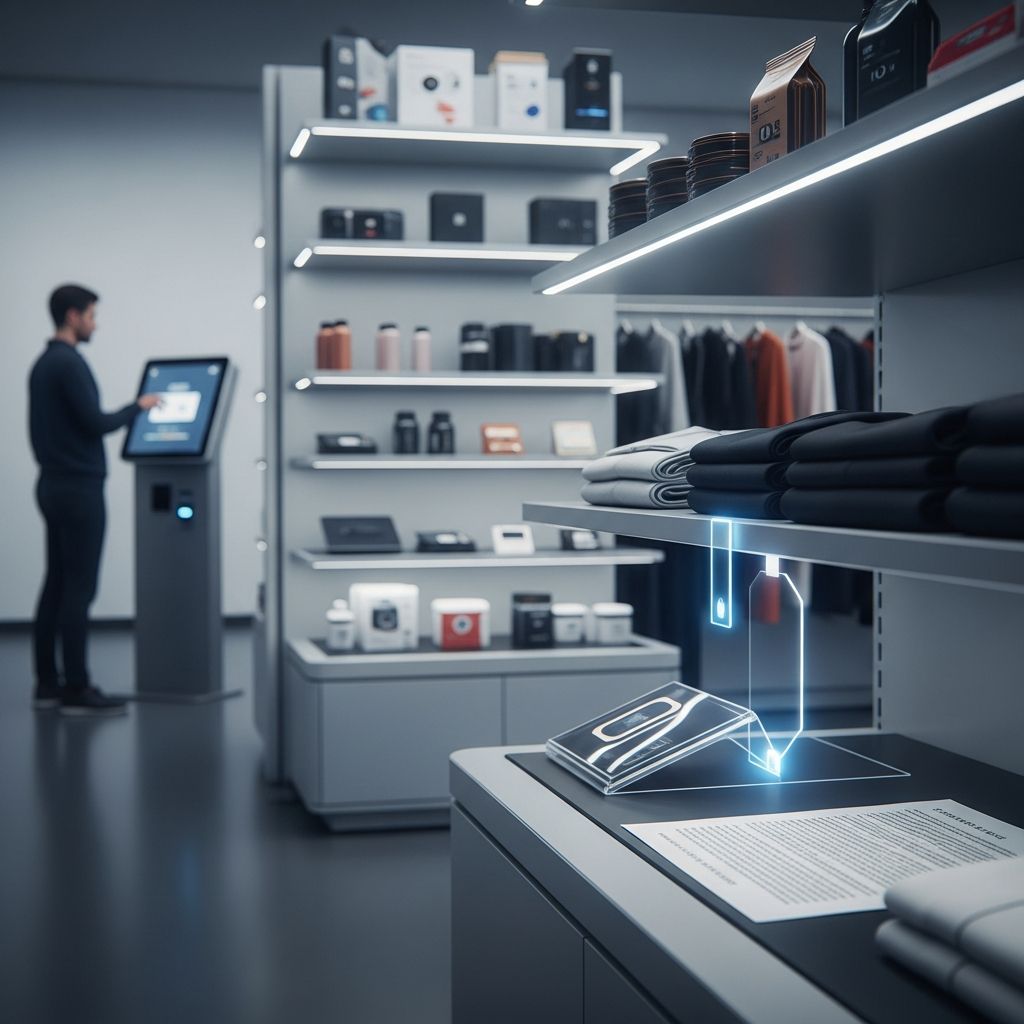
In an era where convenience drives shopping, cashierless and self-checkout systems have transformed retail landscapes. These technologies promise speed and efficiency but introduce unique vulnerabilities to theft accusations. What happens when a simple scanning oversight escalates to criminal charges? This article delves into the mechanics of these systems, common pitfalls, prosecutorial approaches, and robust defense strategies.
The Rise of Frictionless Shopping and Its Hidden Dangers
Cashierless stores, relying on AI cameras, sensors, and app-based payments, eliminate traditional checkouts entirely. Shoppers grab items and exit, with charges automatically applied. Self-checkout kiosks, widespread in chains like Walmart and Target, shift scanning responsibility to customers. While these innovations cut labor costs, they amplify error risks—glitches, overlooked items, or barcode mishaps can mimic intentional theft.
Retailers report substantial losses from ‘shrinkage,’ prompting aggressive monitoring. Surveillance encompasses multiple angles at kiosks, capturing every movement. Yet, human factors persist: rushed scans during peak hours, distracting children, or machine malfunctions often lead to discrepancies. Prosecutors may overlook context, focusing solely on unpaid items, turning mishaps into misdemeanors.
Common Triggers for Accidental Theft Allegations
Mistakes at automated checkouts frequently spark investigations. Key scenarios include:
- Scan Failures: Forgetting to scan bulky or small items amid a cart full of groceries. If 3 items are missed out of 250 purchased, it appears less deliberate than skipping half of seven items.
- Barcode Manipulation: Accidentally affixing wrong labels or using counterfeits unknowingly, though intentional swaps (e.g., $25 code on $185 goods) draw scrutiny.
- Technical Glitches: Scales overcharging or scanners misreading, as alleged in lawsuits against major retailers.
- Exit Alarms: In cashierless setups, unprocessed sensors trigger alerts, detaining shoppers for review.
Stores vary in response: some permit on-site payment for misses, others summon police immediately, issuing trespass bans or compiling video evidence. Walmart’s zero-tolerance stance exemplifies this, treating minor incidents as formal complaints, straining resources.
Navigating Immediate Encounters with Store Security
Upon detection, expect detention in a back room. Security gathers receipts, footage, and witness statements. Politely assert rights: remain silent beyond basic identification, request an attorney, and avoid signing documents. Law enforcement arrival shifts control to prosecutors, who evaluate intent.
Zero-tolerance policies ignore explanations, prioritizing charges. This approach burdens courts and police, as seen in communities labeling high-call stores ‘nuisances’. For immigrants, accusations under laws like Florida’s Laken Riley Act risk ICE detention pre-conviction, exacerbating vulnerabilities.
Penalties and Collateral Consequences of Conviction
| Charge Level | Potential Fines | Jail Time | Other Sanctions |
|---|---|---|---|
| Petit Theft (under $750) | $500–$5,000 | Up to 1 year | Probation, classes, community service |
| Grand Theft (over $750) | $5,000+ | Up to 5+ years | Permanent record, restitution |
Beyond direct penalties, convictions haunt futures: employment barriers (HR flags theft over DUIs), housing denials, and background check failures. Even dismissed cases stress reputations. Retailers layer civil demands—$200+ bills threatening suits—financially straining low-income individuals.
Building a Strong Legal Defense Against Charges
Intent is pivotal: prosecutors must prove willful deprivation beyond doubt. The ‘self-scan defense’ contends errors lack criminal mens rea, bolstered by common kiosk fallibility.
- Evidence Review: Demand full footage; selective angles may mislead.
- Contextual Arguments: High item volumes suggest oversight, not scheme.
- Diversion Programs: In counties like Orange or Seminole, FL, first-timers access dismissal via classes.
- Attorney Advocacy: Experts negotiate reductions or suppress flawed evidence.
Retail myths of surging organized theft often exaggerate; data shows stability, yet lobbying pushes harsher laws. Challenge narratives with facts.
Preventive Measures for Safe Automated Shopping
Minimize risks proactively:
- Double-check scans before bagging.
- Use store apps for inventory confirmation.
- Retain all receipts digitally.
- Shop during low-traffic times.
- Know policies: some outlets overlook minor errors internally.
For cashierless stores, complete app exits promptly to sync charges. Awareness deters accusations.
State Variations in Retail Theft Enforcement
Laws differ: Florida’s aggressive stance contrasts lenient locales. Recent bills mandate monitored self-checkouts or bans, targeting fraud. Federal pushes, backed by lobbies, aim to federalize prosecutions. Stay informed on local statutes.
Frequently Asked Questions
Can a scanning mistake truly lead to arrest?
Yes, even unintentional skips prompt charges if unpaid items exit the store. Stores like Walmart enforce strictly.
How does video evidence impact cases?
Multiple angles scrutinize actions, but incomplete views aid defenses showing no intent.
Are diversion programs available everywhere?
Common in theft-heavy areas like Florida counties, offering dismissal for compliance.
What if I’m an immigrant facing charges?
Petty accusations may trigger immigration holds under new acts, detention sans conviction.
Should I always hire a lawyer?
Essential; they exploit intent burdens, securing dismissals even in guilty scenarios.
Emerging Trends: Tech vs. Theft in Retail’s Future
AI advancements promise smarter detection, yet errors persist. Class actions highlight overcharges, urging accountability. Retailers weigh enforcement costs against customer trust. Informed shoppers, armed with rights knowledge, navigate best.
This comprehensive guide equips you against automated retail’s legal traps, emphasizing prevention and defense.
References
- PETIT THEFT / SHOPLIFTING Self-Checkout Lane Shoplifting FAQs — JG Crim Law. 2023. https://www.jgcrimlaw.com/petit-theft-shoplifting-self-checkout-lane-shoplifting-faqs/
- When Self-Checkout Goes Wrong: The Hidden Risks — Scaringi Law. 2025-04. https://www.scaringilaw.com/blog/2025/april/when-self-checkout-goes-wrong-the-hidden-risks-o/
- The Walmart Problem — Mitkevicius Law Criminal Defense. 2025. https://www.pensacola.lawyer/the-walmart-problem
- Retail Theft: State lawmakers are currently discussing measures — YouTube (FOX 13 Seattle). 2023. https://www.youtube.com/watch?v=JyYESlwRSbg
- The Truth about Retail Theft — Vera Institute of Justice. 2023-10-19. https://www.vera.org/news/the-truth-about-retail-theft
Similar Articles








Read full bio of medha deb




