
Sexual Assault: Survivor Guide With Immediate Steps And Support
Practical guidance for survivors, loved ones, and communities seeking informed support and recovery.
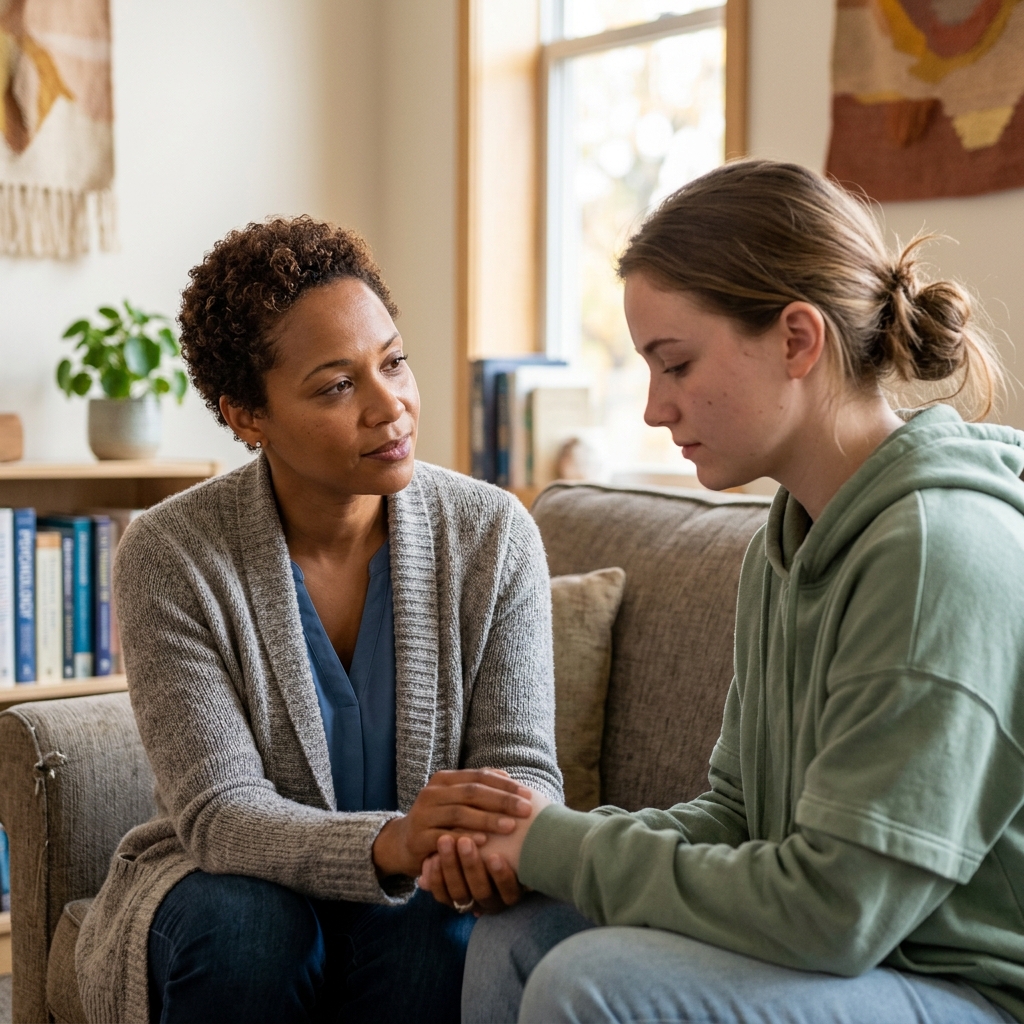
Sexual assault can leave survivors facing fear, confusion, anger, shame, and uncertainty all at once. The most important truth is that the assault was not the survivor’s fault, and help is available at every stage, whether the incident happened recently or long ago.
This guide explains immediate steps after an assault, ways to preserve evidence, reporting choices, emotional and medical support, and resources that can help survivors and their loved ones move forward. It is written to be practical, clear, and survivor-centered.
Understanding what sexual assault means
Sexual assault is a broad term for sexual contact or behavior that happens without freely given consent. It can include attempted or completed acts, and it may involve force, threats, coercion, manipulation, intoxication, or situations where a person is unable to consent.
Survivors do not need to prove that they resisted in a certain way, froze, or reported immediately in order for the experience to matter. Responses to trauma vary, and delayed recognition or delayed disclosure are common.
- Assault may occur between strangers, acquaintances, partners, coworkers, classmates, or family members.
- Consent must be voluntary, informed, and specific to the activity taking place.
- Being under the influence of alcohol or drugs can make a person unable to consent.
- Minors and other legally protected groups may be unable to give valid consent under the law.
What to do right away
If the assault happened recently, the first priority is safety. Move to a secure location if possible, and contact emergency services if there is immediate danger or serious injury. If a trusted person can be reached, asking them to stay nearby can help reduce isolation and provide practical support.
Medical care is important even if there are no visible injuries. A clinician can treat pain, check for internal injuries, provide emergency contraception or medication to reduce the risk of sexually transmitted infections, and document findings that may be important later.
- Do not blame yourself for not reacting in a particular way.
- Try to avoid bathing, changing clothes, brushing teeth, or cleaning the body before a forensic exam if you may want evidence collected.
- If clothing must be removed, place each item in a separate paper bag if possible.
- Write down details you remember as soon as you can, including time, location, and any identifying information.
Preserving evidence without losing control over your choices
Evidence preservation can be helpful, but it should never be treated as more important than a survivor’s comfort, dignity, or medical needs. Many communities allow a forensic medical exam to be performed even if a report is not made immediately.
A sexual assault forensic exam may document injuries and collect trace evidence such as DNA, fibers, or other materials. The process is typically handled by trained professionals and may be done in a hospital or specialized clinic.
| Possible action | Why it may matter | Important note |
|---|---|---|
| Save clothing and bedding | May preserve trace evidence | Use separate paper bags when possible |
| Seek medical exam | Supports health care and documentation | You can ask questions before agreeing |
| Document memories | Can help if you later report | Write what you remember, even if incomplete |
Medical care and emotional first aid
After an assault, survivors may need urgent or follow-up medical attention. Hospitals and sexual assault nurse examiners can help with physical injuries, infection prevention, pregnancy prevention, and referrals for counseling or advocacy.
Emotional reactions can include numbness, panic, dissociation, tears, sleep problems, headaches, stomach upset, and difficulty concentrating. These responses are common after trauma and do not mean a person is weak or broken.
- Choose one trusted person who can help with transportation, phone calls, or staying present.
- Use grounding techniques such as slow breathing, naming objects in the room, or holding something cold.
- Keep hydration and rest in mind, even if appetite and sleep are disrupted.
- Ask for a trauma-informed provider if you feel anxious about the exam or follow-up care.
Reporting the assault: your options
Survivors may choose to report to law enforcement, seek a protective order, or simply document the incident for future use. The best choice depends on safety, age, relationship to the offender, and what feels manageable.
Reporting can create a criminal investigation, but it is not the only way to seek support. Many survivors first speak with an advocate or counselor to understand their options before deciding whether to make a formal report.
- Immediate emergency report: used when urgent police response is needed.
- Medical-only exam: focuses on care and evidence collection without a police report right away.
- Delayed report: allows a survivor time to decide while preserving documentation.
- No report: still allows access to counseling, advocacy, and medical support.
How advocates can help
Victim advocates provide practical and emotional support. They can explain the process, accompany survivors to the hospital or court, help with paperwork, and connect people to long-term resources. Many services are confidential and free.
Advocates are especially helpful when survivors feel overwhelmed by procedures or do not know where to begin. They can also communicate with medical staff, police, prosecutors, or campus offices while keeping the survivor’s preferences central.
- Explaining rights and available options
- Arranging transportation or accompaniment
- Helping with safety planning
- Connecting survivors to therapy, shelter, legal aid, or financial assistance
Supporting children, teens, and vulnerable adults
When sexual assault affects a child, teen, or vulnerable adult, the response may involve mandatory reporting, child protection services, or specialized investigators. The process is designed to protect safety, but it should still be handled in a way that minimizes repeated questioning and distress.
Caregivers and trusted adults should respond calmly, believe the disclosure, and avoid pressing for detailed retelling. The priority is immediate safety, medical evaluation when appropriate, and contact with professionals trained in trauma-informed response.
- Listen without disbelief or shock.
- Reassure the person that they are not in trouble.
- Avoid asking leading questions.
- Contact child advocacy or victim assistance resources as soon as possible.
Safety planning after an assault
Recovery often includes thinking about safety in practical ways. A safety plan is not a promise that nothing bad will happen again; it is a set of choices that reduce risk and create options if contact, stalking, harassment, or retaliation becomes a concern.
Safety planning can include changes to phone settings, social media privacy, transportation routines, housing access, workplace communication, and trusted contacts. It should be individualized rather than copied from a generic checklist.
- Identify safe places to go if you feel threatened.
- Save emergency contacts under easy-to-recognize names.
- Consider whether passwords, locks, and location sharing need to be updated.
- Keep copies of key documents in a secure place.
Common emotional reactions during recovery
Recovery does not follow a straight line. Some survivors feel strong for a while and then suddenly become overwhelmed again. Others may avoid reminders, struggle in relationships, or feel disconnected from their bodies.
These reactions can improve with time and support. Counseling, peer groups, advocacy, and patience from trusted people often help survivors regain stability and confidence.
| Reaction | Possible meaning | Helpful response |
|---|---|---|
| Hypervigilance | Feeling constantly on alert | Build predictable routines and safe support |
| Avoidance | Trying not to think about the assault | Use gradual, supported coping strategies |
| Self-blame | Internalizing responsibility | Work with a counselor or advocate on reframing |
| Numbing | Difficulty feeling emotions | Focus on rest, grounding, and gentle support |
How friends and family can respond well
Supportive responses from loved ones can make a meaningful difference. The best support is steady, respectful, and focused on the survivor’s needs rather than on the listener’s reactions.
Helpful support often means believing the survivor, offering choices, and staying available without pressure. It also means respecting confidentiality when the survivor asks for privacy.
- Say, “I believe you.”
- Ask what would help right now instead of assuming.
- Offer specific support such as a ride, a meal, or childcare.
- Do not question their decisions about reporting or timing.
Frequently asked questions
Do I have to report immediately to get help?
No. Survivors can often receive medical care, advocacy, and counseling without making an immediate police report.
What if I showered or changed clothes?
Help is still available. Even if some evidence may be affected, a medical exam and support services can still be useful.
Can I bring someone with me?
In many situations, yes. A trusted friend, family member, advocate, or support person may be able to accompany you depending on the setting.
What if the assault happened a long time ago?
It is still valid to seek counseling, advocacy, medical guidance, and reporting information years later.
Where can I find immediate confidential support?
RAINN’s National Sexual Assault Hotline offers 24/7 confidential support, and local rape crisis centers can connect survivors to regional services and advocates.
Finding ongoing support
Long-term recovery often depends on several forms of support working together. Counseling can help process trauma, advocates can explain systems and rights, and community organizations can help with practical needs such as housing, safety, school accommodations, or legal referrals.
Survivors may also benefit from support groups, faith communities, campus services, workplace accommodations, and trusted friends who respect boundaries. The goal is not to force a quick recovery, but to create conditions where healing is possible.
- Local rape crisis centers and sexual assault programs
- Crisis hotlines and online chat support
- Hospitals with forensic exam services
- Campus, workplace, or community advocacy offices
References
- RAINN National Sexual Assault Hotline — RAINN. 2026-07-10. https://rainn.org/help-and-healing/hotline/
- Find Help — National Sexual Violence Resource Center. 2026-07-10. https://www.nsvrc.org/find-help/
- Victim Services Unit — California Department of Justice. 2026-07-10. https://oag.ca.gov/victimservices
- Victim Referral Services — Orange County Sheriff’s Department. 2026-07-10. https://www.ocsheriff.gov/commands-divisions/investigations-special-operations-command/investigations/criminal-4
- Victim Services — San Diego County District Attorney. 2026-07-10. https://www.sdcda.org/helping/victims/victim-services
- National Organization for Victim Advocacy — NOVA. 2026-07-10. https://trynova.org/
Similar Articles








Read full bio of medha deb




