
Sextortion Scams: Legal Risks and Safety Tips
How sexting extortion schemes work, why they’re illegal, and practical steps to protect yourself and respond safely.
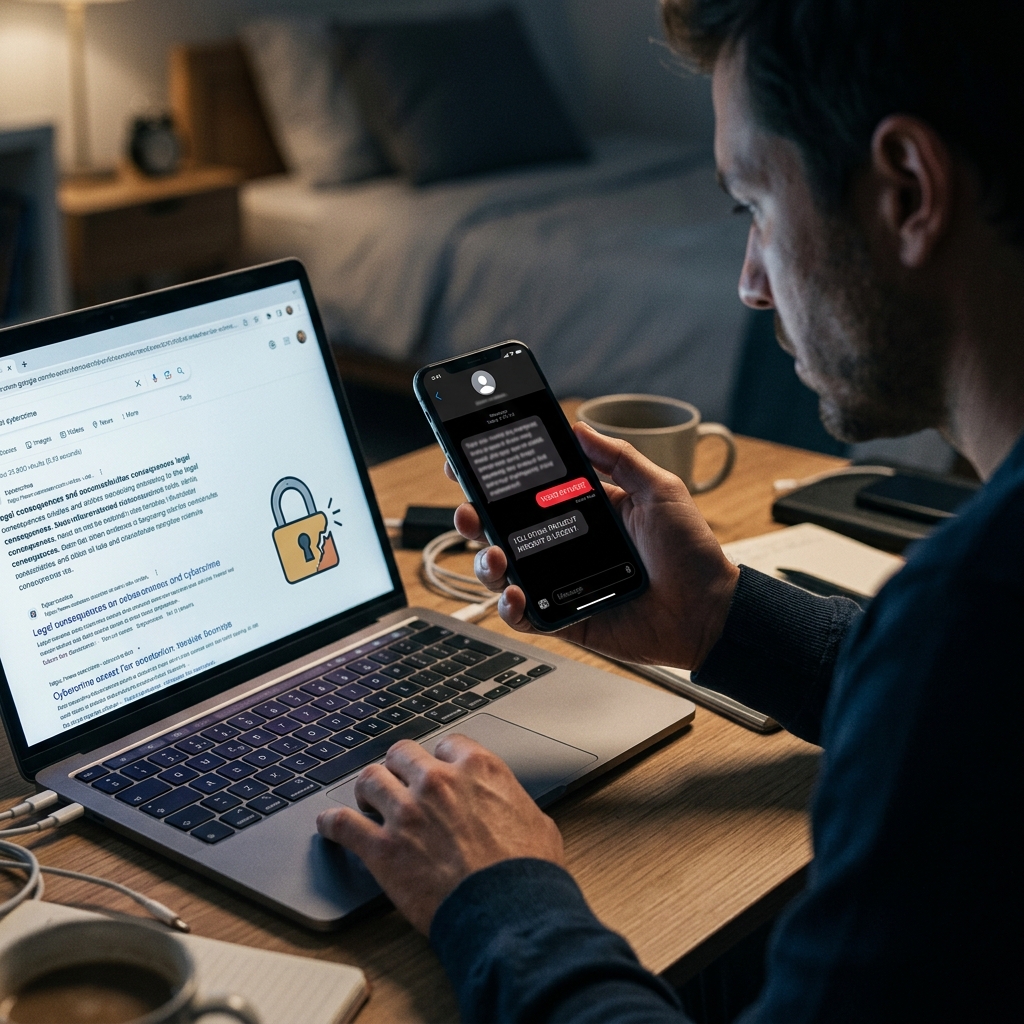
Sextortion scams are increasingly targeting people who use dating apps, social media, and messaging platforms to meet new partners and explore intimate conversations online. These schemes can lead to serious financial loss, emotional trauma, and in states like Florida, potential felony charges for the perpetrators. Understanding how these scams work, what the law says, and how to protect yourself is essential for anyone communicating or sharing intimate material online.
What Is Sextortion and How Does It Work?
Sextortion is a form of blackmail in which a person threatens to share someone’s sexual or intimate images or information unless the victim does what the extorter demands. The demand is typically for money, more explicit content, or continued control over the victim’s behavior.
Unlike traditional extortion that may involve threats of physical harm, sextortion usually relies on digital communication and the power of embarrassment, fear, and reputational damage. It often begins innocently, with online flirting or sexting, and then rapidly escalates once the scammer has compromising material.
Common Sextortion Scenario
While every case is different, many sextortion scams follow a predictable pattern:
- The victim meets someone on a dating site, social media platform, or messaging app and believes they are talking to a real romantic interest.
- The conversation becomes flirtatious and may quickly move to private messages or video chats.
- The scammer encourages or pressures the victim to send explicit photos or perform sexual acts on camera.
- Once the scammer possesses the images or recordings, they reveal their true intent: demanding money, gift cards, or more sexual content.
- The scammer threatens to send the images to the victim’s family, employer, or friends, or to post them publicly, if the victim refuses.
These scams can target adults as well as children and teens. Law enforcement agencies, including the FBI, report a significant increase in cases involving minors who are coerced into sending explicit material and then extorted for money.
Why Online Daters Are at Particular Risk
Dating apps and websites are frequent hunting grounds for sextortion scammers because they bring together people who are looking for intimacy and may be willing to engage in sexting or video chats with new partners.[10] This environment often combines emotional vulnerability, a desire for connection, and the relative anonymity of online communication.
Risk Factors for Online Daters
- Fast-moving relationships: Online connections can feel intense and move quickly from casual messages to intimate exchanges.
- Use of pseudonyms: Many users do not share their real names initially, which can make it harder to verify the other person’s identity.
- Late-night conversations: Scammers may intentionally contact victims when they are tired or less cautious, such as late at night or after drinking.
- Pressure to switch platforms: Moving from a dating app to encrypted messaging or social media may reduce built-in safety features and reporting tools.
Scammers may pretend to be local residents, use stolen photographs, or pose as law enforcement or lawyers after the fact to intensify the pressure and make the threats sound more credible.[10]
Legal Framework: Sextortion Under Florida Law
Florida does not have a statute titled “sextortion,” but behavior that fits this description is prosecuted under existing criminal laws on extortion and sexual cyberharassment. These laws make threatening to expose intimate images, or actually distributing them without consent, a crime.
Key Florida Statutes
| Statute | Focus | Typical Penalty Range |
|---|---|---|
| Florida Statutes §836.05 | Extortion – threatening injury to reputation, person, or property to obtain money or advantage. | Second-degree felony, up to 15 years in prison. |
| Florida Statutes §784.049 | Sexual cyberharassment – electronically transmitting sexually explicit images of another person without consent. | First offense: first-degree misdemeanor; repeat offense: third-degree felony, up to 5 years in prison. |
According to legal analyses of Florida law, prosecutors often use the extortion statute (§836.05) when a person threatens to release intimate images unless the victim pays money or provides other favors. When explicit images are actually shared without consent, sexual cyberharassment charges under §784.049 may be added.
Potential Consequences for Offenders
- Felony record: Extortion and repeat sexual cyberharassment offenses are felonies, meaning a long-term criminal record that can affect employment, housing, and professional licensing.
- Lengthy prison terms: Extortion can carry up to 15 years’ imprisonment. Third-degree felonies under sexual cyberharassment can bring up to 5 years.
- Financial penalties: Misdemeanor and felony convictions may include significant fines, restitution, and court costs.
These penalties highlight how seriously Florida treats digital sexual exploitation and extortion, even if the parties never meet in person.
Impact on Victims: Financial, Emotional, and Reputational Harm
For victims, sextortion scams can be devastating. The harm often goes far beyond immediate financial loss.
Financial Losses
Scammers frequently demand payment via wire transfer, peer-to-peer payment apps, prepaid cards, or cryptocurrency. Once money is sent, it is very difficult to recover. Law enforcement reports that offenders may continue demanding more money even after an initial payment and often release the material regardless of whether they are paid.
Emotional and Psychological Effects
- Intense fear and anxiety: Victims may worry constantly that the images will be shared with family, colleagues, or the wider public.
- Shame and isolation: Embarrassment can make people reluctant to seek help, which can prolong the abuse.
- Depression and suicidal thoughts: Sextortion has been linked to severe emotional distress, particularly among teens who feel their lives and reputations are permanently damaged.
Reputational Damage
If explicit images are disseminated, the impact on reputation can be significant, especially in small communities or professional environments. Some victims worry about disciplinary actions at work or school, even when they are the target of a crime rather than the wrongdoer.
How to Respond If You’re Targeted by a Sextortion Scam
If someone is threatening to share your intimate images unless you send money or comply with demands, it is crucial to respond in ways that protect your safety and preserve evidence. Authorities and safety organizations offer consistent guidance on how to act.
Immediate Steps to Take
- Do not pay. Sending money rarely stops the threats; offenders often ask for more and may release the content anyway.
- Stop all direct contact. Cease replying to messages and block the extorter on all platforms.
- Preserve evidence. Take screenshots of profiles, chats, emails, and payment requests, including usernames, dates, and any bank or wallet details.
- Check your accounts. Review privacy settings and change passwords on social media, email, and cloud storage.
Reporting to Authorities
Sextortion is a crime, and victims are encouraged to report it:
- Local law enforcement: In Florida and other states, contact your local police or sheriff’s office to file a report. Many agencies now have cybercrime or special victims units familiar with sextortion cases.[10]
- Federal authorities: In the United States, victims can report sextortion involving minors or interstate conduct to the FBI via 1-800-CALL-FBI or the online tip portal.
- Platform reporting tools: Use in-app or site reporting features on the dating platform, social media site, or messaging service where the extorter contacted you.
Support and Counseling
Victims, especially young people, often benefit from speaking with a trusted adult, counselor, or victim support service. National hotlines and local services can provide emotional support and practical guidance on next steps.
Preventative Strategies: Reducing Your Risk of Sextortion
No strategy can eliminate risk entirely, but several practical measures can greatly reduce the likelihood of being targeted or harmed by sextortion.
Smart Digital Habits
- Guard your images: Avoid sending or sharing intimate photos or videos, especially to people you have never met in person.
- Use strong privacy settings: Limit who can view your profile and posts; consider using pseudonyms and avoid sharing sensitive personal details.
- Verify identities: Be cautious if someone refuses video calls, will not meet in public, or provides inconsistent information about their life.
- Watch for pressure: Treat intense flattery, rapid escalation to sexual topics, or pressure to move off the platform as warning signs.
Family and Youth Education
Because sextortion increasingly targets children and teens, education is critical.
- Open communication: Parents and caregivers should encourage young people to talk about their online experiences without fear of automatic punishment.
- Discuss consent and boundaries: Explain that no legitimate adult will ask for sexual images of a minor, and that such requests are illegal.
- Practice response plans: Teach children how to block, save evidence, and come forward quickly if pressured or threatened online.
Florida-Specific Considerations for Victims and Suspects
In Florida, where online dating and social media use are widespread, sextortion scams have drawn particular attention from law enforcement and criminal defense lawyers. Both victims and individuals accused of sextortion-related offenses should understand state-specific legal realities.
If You Are a Victim in Florida
- Document everything: Detailed records help investigators determine which statutes apply and build a strong case.
- Report promptly: Early reporting can sometimes prevent further distribution of images and help police trace the offender’s digital trail.[10]
- Ask about protective orders: In some cases, courts may issue orders limiting contact or prohibiting further harassment.
If You Are Accused in Florida
Being investigated or charged with sextortion or sexual cyberharassment is serious and may lead to felony sanctions. Legal sources emphasize that defendants should seek experienced counsel right away, because digital evidence and online communications raise complex questions about consent, intent, and privacy.
- Right to counsel: Speak with a qualified criminal defense attorney before making statements to police.
- Digital evidence scrutiny: Defense strategies may examine how messages and files were obtained, whether searches were lawful, and whether images were shared consensually.
- Long-term consequences: Convictions can result in incarceration and lasting restrictions on employment and technology use.
FAQs About Sextortion Scams
1. Is sextortion always a crime?
Yes. Sextortion involves using threats and coercion to obtain money, sexual content, or control over another person, which falls under extortion and related offenses in many jurisdictions. When minors are involved or intimate images are shared without consent, additional crimes such as sexual exploitation and sexual cyberharassment may apply.
2. What if I already paid the scammer?
Even if you have sent money, you should stop paying, preserve all communication records, and report the incident to law enforcement and the relevant platforms. Paying does not guarantee that the extorter will stop; in many cases, they continue demanding more or share the images anyway.
3. Can I get my explicit images removed from the internet?
Removal is not always guaranteed, but many platforms will delete non-consensual sexual content when reported. Authorities and online safety agencies can guide victims through reporting and takedown processes, especially for minors.
4. Are adults who send intimate images breaking the law?
In general, adults who consensually exchange intimate images with other adults are not committing a crime. The legal issues arise when someone shares or threatens to share those images without consent, or when a minor is involved, which can lead to serious criminal charges.
5. How can parents talk to teens about sextortion?
Experts recommend calm, nonjudgmental conversations about online behavior, privacy, and the risks of sharing explicit content. Emphasizing that teens can come forward for help without automatic blame increases the likelihood they will report concerns early.
References
- “Sextortion” Prosecutions Are on the Rise in Florida — The Law Offices of Tad A. Yates, P.A. 2023-05-10. https://www.tadyates.com/blog/sextortion-prosecutions-are-on-the-rise-in-florida/
- Internet Extortion and Sextortion — Whittel & Melton, LLC. 2022-11-01. https://triallawyer.thefllawfirm.com/practice-areas/state-criminal-defense/sex-crimes/internet-extortion-and-sextortion/
- Florida Sextortion & Revenge Porn Defense — George Law. 2024-02-15. https://georgelaw.com/blog/florida-sextortion-revenge-porn-defense/
- Sextortion — FBI. 2023-08-08. https://www.fbi.gov/how-we-can-help-you/scams-and-safety/common-frauds-and-scams/sextortion
- Dealing with sexual extortion — eSafety Commissioner (Australia). 2022-07-21. https://www.esafety.gov.au/key-topics/image-based-abuse/deal-with-sextortion
- Sextortion — Wikipedia (background only; primary sources cited separately). 2024-06-01. https://en.wikipedia.org/wiki/Sextortion
Similar Articles








Read full bio of medha deb


