Serving Alcohol Under 21: Legal Requirements Explained
Navigate age restrictions for alcohol service: State laws, exceptions, and compliance requirements.
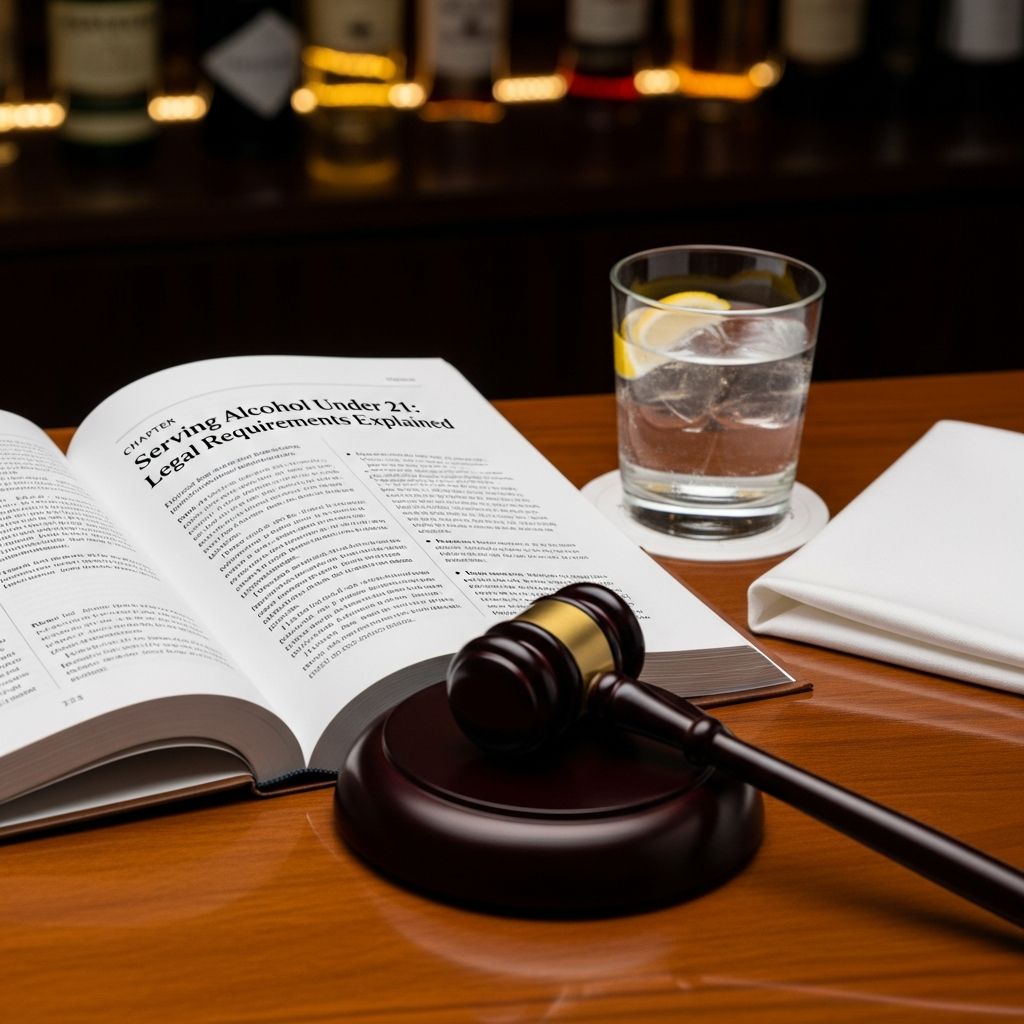
Understanding Age Restrictions for Alcohol Service in the United States
The question of whether individuals under 21 can legally serve alcohol is more nuanced than many people realize. While the federal minimum drinking age stands at 21 years old, the rules governing who can serve or sell alcoholic beverages vary considerably across the country. This distinction between drinking age and serving age creates a complex legal landscape that both employers and potential workers must navigate carefully.
Unlike the uniform drinking age established by federal law, each state retains the authority to set its own requirements for alcohol service positions. This decentralization means that someone legally allowed to pour drinks in one state might be prohibited from doing so just across the state border. Understanding these variations is critical for anyone considering employment in hospitality, restaurants, bars, or retail alcohol establishments.
The General Framework: How States Approach Alcohol Service Ages
At the federal level, there is no mandated minimum age for serving alcohol. This absence of federal regulation has allowed states to develop diverse approaches to alcohol service requirements. The result is a spectrum of regulations ranging from permissive to restrictive.
The most common scenario across the United States is that individuals aged 18 and older can legally serve alcoholic beverages in on-premises establishments such as restaurants and bars. However, this general rule comes with numerous exceptions, qualifications, and local modifications that complicate the picture significantly.
State-by-State Variations in Service Age Requirements
A comprehensive review of state laws reveals substantial diversity in age requirements. The variation depends on several factors including the type of establishment, the category of beverage being served, and whether the service occurs on-premises or off-premises.
States Allowing 18-Year-Olds to Serve Alcohol
Approximately 41 states and the District of Columbia permit individuals aged 18 to serve alcoholic beverages in at least some capacity. These states include Arizona, Colorado, Connecticut, Florida, Georgia, Hawaii, Massachusetts, Minnesota, Tennessee, Texas, Vermont, and Wisconsin, among others. In these jurisdictions, an 18-year-old can typically work as a server or bartender without additional age-related restrictions, though other requirements such as certifications may apply.
States with More Restrictive Requirements
Conversely, a smaller number of states maintain stricter age requirements. Only three states require all alcohol servers to be 21 years old without exception. These jurisdictions take a more conservative approach, aligning service age with drinking age to reduce potential risks associated with alcohol handling by younger workers.
Several other states occupy a middle ground, requiring servers to be 19 or 20 years old. This compromise approach maintains some flexibility while still imposing an age threshold above the standard working age.
Unique Provisions and Lower Age Thresholds
Several states have begun lowering their service age requirements in recent years. Maine and Michigan both allow bartenders as young as 17 to serve alcohol, with appropriate supervision. Iowa permits 16-year-olds to serve alcoholic beverages under restricted conditions. West Virginia allows individuals as young as 16 to serve alcohol in certain circumstances. These lower thresholds typically emerged in response to labor shortages in the hospitality industry and may include additional safeguards such as mandatory supervision or parental consent.
Distinguishing Between On-Premises and Off-Premises Service
A critical distinction in alcohol service law differentiates between on-premises consumption (bars, restaurants, nightclubs) and off-premises consumption (liquor stores, supermarkets). Age requirements frequently differ based on this distinction.
On-Premises Service Requirements
On-premises establishments where customers consume alcohol on-site typically have lower age requirements. Most states allowing 18-year-olds to serve focus their permissions on these establishments. Servers and bartenders in restaurants and bars can generally begin work at 18 in the majority of states.
Off-Premises Sales Restrictions
Off-premises establishments such as liquor stores and bottle shops frequently maintain higher age requirements. Some states that permit 18-year-olds to serve in restaurants require employees to be 21 to sell alcohol in retail environments. This distinction reflects different risk assessments regarding direct customer service versus transaction-based sales.
The Role of Beverage Type and Establishment Classification
Beyond general age thresholds, numerous states impose restrictions based on the specific type of alcoholic beverage being served. These regulations recognize that different beverages carry different legal classifications and perceived risk levels.
Beer and Wine vs. Spirits
Several states permit younger servers to handle beer and wine while requiring older employees for spirits and liqueurs. This tiered approach acknowledges the higher alcohol content in distilled spirits while allowing younger workers more flexibility with lower-proof beverages. States with these distinctions require employers and workers to understand specific beverage classifications and their associated age requirements.
Food Service Exemptions
Many states extend lower age requirements specifically to establishments where food service is the primary activity. California, for example, permits 18-year-olds to serve alcohol in bona fide eating places where the area is primarily designed for food sales and service. Colorado similarly allows service at 18 when regular meal service is provided, but requires servers to be 21 in establishments focused primarily on alcohol sales.
Local Jurisdiction Modifications
State law frequently represents a minimum standard rather than a ceiling, as local municipalities retain authority to impose stricter requirements. This layering of regulations creates important nuances that workers and employers must carefully research.
Municipal Age Increases
Cities and counties can establish age requirements above the state minimum. Illinois permits statewide alcohol service at 18, but Chicago and certain other jurisdictions require servers to be 21. Maryland similarly shows variation, with some counties and cities requiring age 21 while others allow 18-year-olds, sometimes with restrictions limiting service to beer and wine only. Maryland’s Baltimore jurisdiction, for instance, imposes a 21-year minimum despite the state allowing younger workers in other areas.
Researching Local Requirements
The existence of these local variations underscores the importance of thorough legal research before accepting alcohol service employment or hiring workers. Relying solely on state law without investigating local ordinances can result in compliance violations, liability exposure, and potential license suspension for establishments.
Certification, Training, and Liability Considerations
Beyond age requirements, serving alcohol frequently involves additional legal obligations including training programs, certifications, and liability insurance considerations.
Responsible Beverage Service Training
Many states and localities require alcohol servers to complete responsible beverage service training, regardless of age. These programs educate employees about recognizing intoxication, refusing service to visibly intoxicated patrons, and understanding their legal obligations. Completion of approved training programs may be mandatory before employment begins or within a specified timeframe after hiring.
Employer Considerations and Due Diligence
Employers maintain legal responsibility for verifying employee age eligibility and ensuring compliance with all applicable regulations. Many establishments implement internal policies requiring servers to be of legal drinking age (21) regardless of state law, reflecting a risk-management strategy designed to minimize liability exposure and protect alcohol licenses. This employer discretion means that even where state law permits 18-year-old servers, individual establishments may decline to hire anyone under 21.
Special Circumstances and Exemptions
Certain specialized scenarios operate under distinct regulatory frameworks that may differ from standard restaurant or bar service requirements.
Event Venues and Concession Stands
Stadiums, concert venues, and large event spaces sometimes operate under unique permits and agreements that may establish different age requirements. Similarly, concession stands within events may allow slightly younger workers to serve alcohol in limited capacities as an incidental part of broader job duties.
Family Business Exemptions
Some states historically permitted younger family members to serve alcohol in family-owned establishments, though these exemptions have become increasingly rare and are subject to specific requirements where they persist.
Federal Law and Interstate Commerce
While federal law establishes a uniform drinking age of 21, it provides no corresponding mandate for service age. This regulatory approach reflects federalism principles that grant states substantial autonomy over alcohol regulation while establishing a floor for drinking age protection. The federal government’s role remains limited to conditioning highway funding on states maintaining the 21-year drinking age, rather than dictating service requirements.
Employment Rights and Obligations
For Young Workers
Workers below the legal service age should understand that employment in alcohol service positions violates both state law and federal regulations in their jurisdiction. This can result in personal liability, wage forfeiture, and a record that complicates future employment prospects. Young workers should verify their eligibility before accepting positions and retain copies of documentation confirming their compliance with applicable age requirements.
For Employers
Employers face substantial liability for hiring underage alcohol servers, including potential fines, license suspension or revocation, civil liability for injuries caused by improperly served alcohol, and reputational damage. Implementing robust age verification procedures, maintaining accurate employment records, and providing regular training updates represent essential compliance practices.
Recent Trends and Future Developments
Recent years have witnessed modest movement toward lowering service age requirements in specific states, primarily motivated by pandemic-era labor shortages in hospitality. However, this trend remains limited to a few jurisdictions and often includes strict safeguards such as mandatory supervision, parental consent, or restriction to specific beverage types. The broader national pattern continues to emphasize age 18 as a standard threshold for on-premises service while maintaining age 21 requirements for off-premises retail sales in many states.
Frequently Asked Questions About Serving Alcohol Under 21
Can I serve alcohol at 18 in my state?
This depends entirely on your state and local jurisdiction. Approximately 41 states permit 18-year-olds to serve alcohol in on-premises establishments, but several states require workers to be 21. Even within permissive states, cities or counties may impose stricter requirements. You must research both your state law and local municipal ordinances before accepting employment.
What is the difference between serving and selling alcohol?
Serving alcohol typically refers to direct customer service in on-premises establishments like restaurants and bars, where servers pour drinks or handle beverages for consumption on-site. Selling generally refers to off-premises transactions in liquor stores or retail environments. Many states impose higher age requirements for sales positions than service positions.
Can I serve alcohol if I’m not yet of legal drinking age?
Yes, in most states. The federal drinking age and service age are distinct legal categories. Someone may legally serve alcohol at age 18 in many jurisdictions despite being unable to legally consume alcohol until age 21. However, some employers voluntarily restrict hiring to individuals of legal drinking age regardless of state law.
Do I need a special certification to serve alcohol under 21?
Requirements vary by jurisdiction. Many states require responsible beverage service training for all servers, regardless of age. Some jurisdictions impose additional certification requirements specifically for younger servers. Check your local requirements with your state’s alcohol beverage control board or local health department.
What happens if I serve alcohol illegally?
Both the individual server and the establishment face serious legal consequences. These may include fines, criminal charges, civil liability, and most importantly for establishments, suspension or revocation of the alcohol license. Young workers may also face difficulty obtaining future employment.
Can a minor sell alcohol in a retail store?
In most states, no. Off-premises sales typically require employees to be older than on-premises service ages. Some states do permit minors to sell alcohol in limited circumstances, such as in stores where alcohol is not the primary product and the minor works under direct supervision of an adult aged 19 or older.
How do I verify the legal age requirement in my area?
Contact your state’s alcohol beverage control board or department of liquor control. Additionally, contact your local city or county government to determine if municipal regulations impose requirements above the state minimum. Many employers also maintain internal policy documents outlining their age requirements.
Can an employer require me to be 21 even if state law allows 18?
Yes. Employers may establish hiring qualifications exceeding legal minimums. Many establishments voluntarily require all servers to be of legal drinking age as a risk management strategy, even in states permitting younger workers.
References
- Legal Age To Serve Alcohol: State-by-State Guide (2026) — OysterLink. 2026. https://oysterlink.com/spotlight/legal-age-to-serve-alcohol/
- How Old do You Have to be to Serve Alcohol? — TIPS Certification. https://www.gettips.com/blog/age-serve-alcohol
- Minors – Alcoholic Beverage Control — State of California Department of Alcoholic Beverage Control. https://www.abc.ca.gov/education/merchant-education/on-sale-licensee-informational-guide/minors/
- Alcohol Service Regulations – California — TEAM Coalition. https://teamcoalition.org/training/state-laws-alcohol-service-regulations-california/
- What is the age limit for a person to serve and sell alcohol in a retail alcohol beverage establishment? — Maryland Alcohol and Tobacco Commission. https://atcc.maryland.gov/atcc-knowledge-base/alcohol-information/alcohol-consumer-faqs/what-is-the-age-limit-for-a-person-to-serve-and-sell-alcohol-in-a-retail-alcohol-beverage-establishment/
- Checking Identification — State of California Department of Alcoholic Beverage Control. https://www.abc.ca.gov/education/licensee-education/checking-identification/
Similar Articles






Read full bio of medha deb