
Senior Scam Alert: How Older Adults Can Outsmart Fraud
A practical, plain‑language guide to recognizing, avoiding, and reporting the scams that most often target older adults and their life savings.
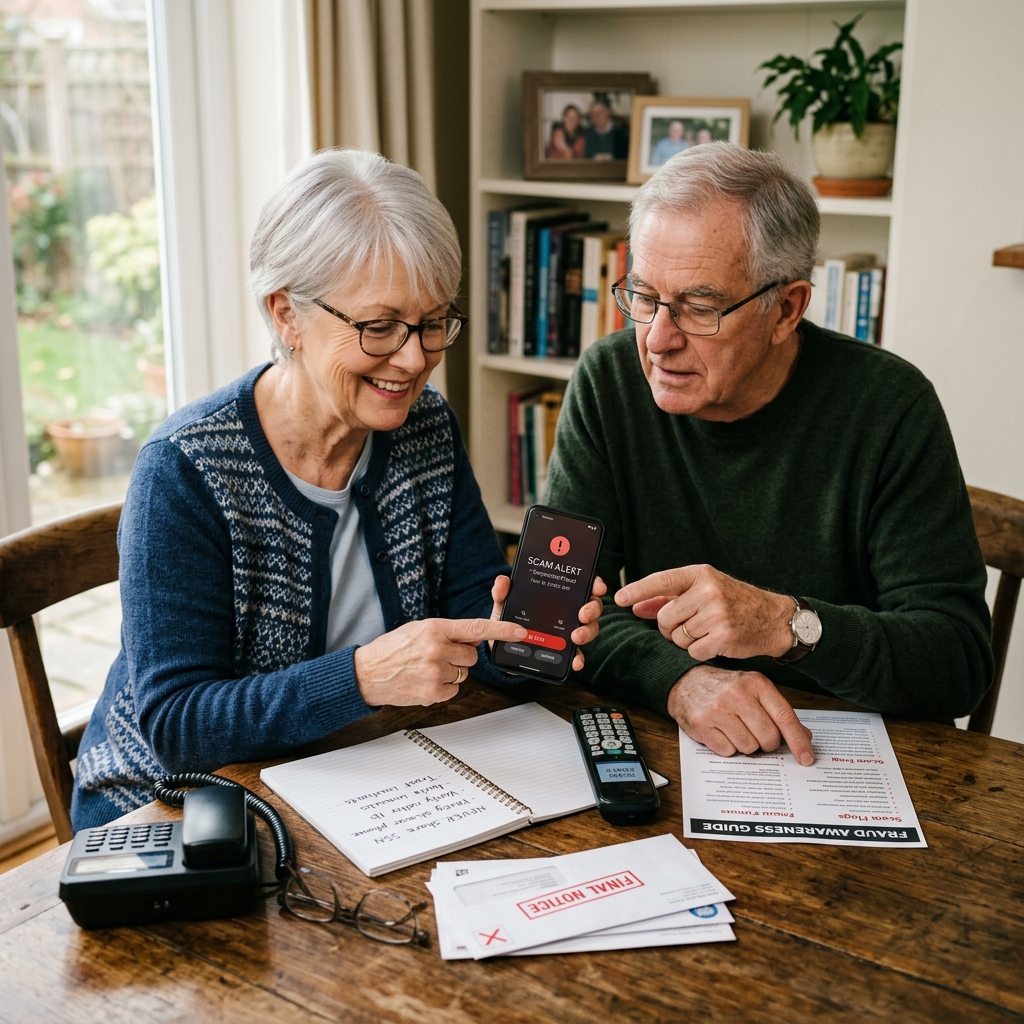
Older adults are frequently targeted by scammers who use fear, urgency, and sophisticated lies to separate people from their life savings. Recognizing the warning signs of elder fraud and knowing how to respond can dramatically reduce the risk of becoming a victim.
This guide explains common scams aimed at seniors, the techniques criminals use, and the concrete steps you can take to protect yourself and your loved ones. It also points to trusted government resources for reporting fraud and getting help if money has already been lost.
Why Scammers Focus on Older Adults
Scammers often view older adults as attractive targets for several reasons, many of which relate to finances, communication habits, and social situations.
- Higher savings and assets: People nearing or in retirement tend to have more accumulated wealth, including savings, pensions, and home equity.
- Established relationships with banks and insurers: Long financial histories make it easier for criminals to impersonate trusted institutions.
- Comfort with phone calls and postal mail: Many older adults still rely heavily on phone and mail, which scammers routinely exploit through unsolicited calls and letters.
- Social isolation: Limited daily contact with friends or family can make it harder to cross‑check suspicious messages or offers.
- Reluctance to report: Some victims feel embarrassment or worry about seeming unable to manage their affairs, and delay reporting fraud, which allows scammers to continue operating.
Understanding these vulnerabilities is not about blaming victims; it is about recognizing where safeguards and support are most needed.
Core Tactics Scammers Use Against Seniors
Scammers recycle certain psychological tactics across many different schemes. If you learn these core patterns, you can spot a scam even if the details are new.
| Scam Tactic | What It Looks Like | Why It Works |
|---|---|---|
| Fake urgency | “Act now or your account will be closed”; “Your grandchild is in immediate danger” | Panic pushes people to respond before they think, especially when they fear losing money or hurting a loved one. |
| Authority impersonation | Caller pretends to be from the government, a bank, Medicare, or a tech company. | People are more likely to cooperate and share information when they believe they are speaking to a trusted institution. |
| Confidentiality pressure | “Do not tell anyone; this is a secret investigation”; “Please don’t tell your family” | Separates victims from their support network, preventing reality checks that could expose the scam. |
| Unusual payment methods | Requests for wire transfers, gift cards, cryptocurrency, or peer‑to‑peer payment apps. | These options are harder to reverse and leave fewer traditional paper trails. |
| False security alerts | Pop‑up messages claiming your computer is infected; emails saying your account is compromised. | Exploit legitimate concerns about hacking and identity theft to prompt quick action. |
Common Scam Types Targeting Older Adults
While new fraud variations appear regularly, many elder scams fall into familiar categories. Below are some of the most widespread schemes reported by federal agencies and consumer protection organizations.
1. Imposter and Government Threat Scams
In imposter scams, criminals pose as government officials, law enforcement, bank staff, or large companies to claim that your accounts, benefits, or identity are at risk.
Typical scenarios include:
- Someone claiming to be from the Social Security Administration warns your Social Security number is linked to criminal activity.
- An individual pretending to be an IRS or tax official says you owe taxes and will be arrested if you do not pay immediately.
- A caller impersonates your bank’s fraud department to tell you someone is using your accounts and instructs you to move money to a “safe” location.
Key warning signs:
- Threats of arrest, deportation, or immediate legal action.
- Requests for payment by gift card, wire transfer, or cryptocurrency.
- Instructions not to speak to anyone else about the call.
2. Tech Support and Computer Security Scams
Tech support scams often start with a pop‑up on your screen or a phone call claiming your computer is infected or your accounts are exposed.
Criminals may:
- Display a fake security alert that mimics well‑known companies and provides a phone number to call.
- Ask you to grant remote access to your computer so they can “fix” the issue, then steal data or install malware.
- Pressure you to pay for unnecessary security packages or software.
Protection tips:
- Ignore and close unexpected pop‑ups; do not call phone numbers displayed in alerts.
- If you receive a call about computer problems, hang up and contact your device manufacturer or a trusted local technician using a phone number you find independently.
- Keep antivirus software updated and run regular scans.
3. Investment, Lottery, and Prize Scams
These scams promise high returns or guaranteed winnings in exchange for upfront payments or personal information.
Examples include:
- Unsolicited investment opportunities touting unusually high, low‑risk returns.
- Messages claiming you have won a lottery or sweepstakes but must pay taxes or fees before receiving the prize.
- Pressure to move retirement funds quickly to take advantage of a “limited‑time” opportunity.
How to guard your money:
- Be skeptical of guaranteed returns or pressure to invest quickly.
- Check registration and disciplinary history of investment professionals through official databases such as those maintained by securities regulators.
- Discuss large financial decisions with a trusted adviser or family member before transferring funds.
4. Romance and Relationship Scams
Romance scams target older adults who may be widowed, divorced, or isolated, using fake identities to build online relationships and eventually request money.
Scammers may:
- Contact victims through social media, messaging apps, or dating sites and quickly profess deep feelings.
- Claim they cannot meet in person due to military deployment, remote work, or travel problems.
- Invent emergencies (medical bills, travel crises, customs fees) that require repeated financial help.
Red flags:
- Requests for money from someone you have never met in person.
- Stories that change or contain inconsistencies about their background.
- Refusal to video chat, visit, or provide verifiable information.
5. Grandparent and Family Emergency Scams
In grandparent scams, a criminal pretends to be a grandchild or other relative in immediate trouble, asking for urgent financial help.
Common patterns include:
- The call begins with “Grandma, do you know who this is?” and waits for you to supply a name.
- They claim to be in legal or medical crisis and need money wired or sent via rapid transfer services.
- They plead that you not tell other family members.
What to do:
- Hang up and call your grandchild or relative directly using a known phone number.
- Verify the story with another trusted family member before sending any funds.
- Never share personal information or payment details with someone whose identity you have not confirmed.
6. Health Care, Benefits, and Identity Scams
Some scams focus on health insurance, medical services, or identity theft related to benefits programs.
These scams may involve:
- Calls or emails claiming you must “verify” Medicare or health insurance information.
- Offers for free medical equipment or tests in exchange for your insurance number.
- Messages that appear to be from government agencies, urging you to click links or provide personal data to keep benefits active.
Prevention strategies:
- Never share Social Security numbers, Medicare numbers, or other personal identifiers over the phone or email unless you initiated contact using a trusted number.
- Review medical bills and statements for unfamiliar charges.
- Use official websites or phone numbers found on benefit cards or letters to confirm any request.
Key Principles to Stay Safe from Senior Scams
While scam details vary, a few practical rules can help you protect yourself across many situations.
- Do not move money to “protect” it. Legitimate organizations will not ask you to transfer funds to secret accounts, gift cards, or cryptocurrency to shield it from supposed fraud.
- Hang up and verify independently. End unexpected calls and use phone numbers from bank statements, government letters, or official websites to confirm any claim.
- Slow down decisions. Urgency is a tool of scammers; pausing to consult someone you trust can expose a lie.
- Guard personal information. Treat Social Security numbers, account numbers, and passwords as highly sensitive; share them only when absolutely necessary through secure channels.
- Use call and message blocking tools. Many phones and carriers offer options to block suspected spam calls and texts, reducing exposure to fraud attempts.
What to Do If You Suspect a Scam
Quick action can limit harm and increase the chance of recovering lost funds. If you think you are facing or have fallen victim to a scam, take the following steps.
- Stop all contact with the suspected scammer. Do not respond to further messages or calls.
- Protect your financial accounts. Contact your bank, credit union, or credit card provider immediately to report possible fraud and ask about freezing or monitoring accounts.
- Check recent transactions. Review statements carefully and report any unfamiliar charges or withdrawals.
- Change passwords. Update login details for email, banking, and key services, especially if you shared information or allowed remote access.
Reporting Elder Fraud to Trusted Authorities
Reporting scams helps you and others. Law enforcement and consumer protection agencies track patterns and pursue cases based on the information they receive.
- Federal Trade Commission (FTC): You can report scams and fraud attempts through the FTC’s online fraud reporting system.
- National Elder Fraud Hotline: The U.S. Department of Justice’s Office for Victims of Crime operates a free hotline for people age 60 or older who have experienced fraud. Call 833–FRAUD–11 (833–372–8311) Monday–Friday, 10:00 a.m.–6:00 p.m. Eastern time.
- Local law enforcement: Contact your local police department to file a report, especially for significant financial losses or threats.
- Financial institutions: Banks and credit unions often have dedicated fraud teams who can guide you through next steps and potential recovery.
In cases involving identity theft, specialized resources are available to help create a recovery plan and notify relevant parties.
Building a Personal Fraud Safety Plan
A proactive plan helps older adults and their families stay prepared and reduce risk before a scam occurs.
Consider these steps as part of a personal fraud safety plan:
- Identify trusted contacts. Choose one or two family members or close friends who agree to discuss any large financial decision or unusual call with you.
- Set financial review routines. Schedule regular times to review bank statements, credit card bills, and benefits statements for accuracy.
- Use account alerts. Enable notifications from banks or credit cards for large transactions or changes to account settings.
- Document key numbers and websites. Keep a list of official contact information for your financial institutions and benefit programs in a safe place.
- Discuss scam awareness with loved ones. Encourage open conversations about fraud so that no one feels ashamed to raise concerns.
Frequently Asked Questions About Senior Scams
FAQ 1: How can I tell if a phone call from my bank or a government agency is real?
Legitimate institutions rarely call without prior notice to ask for sensitive information or immediate payment. If you receive an unexpected call claiming to be from your bank or a government agency, hang up and dial the number printed on your bank card, statement, or official mail—not the one provided by the caller. Ask whether the contact is genuine. If the original caller pressures you not to verify or insists on urgent payment, treat it as a likely scam.
FAQ 2: What should I do if I clicked on a suspicious link or provided personal information?
If you clicked a link or shared data with someone you now suspect was a scammer, immediately change passwords for email and financial accounts. Contact your bank or credit card company to flag possible fraud, and consider placing alerts or security freezes on your credit reports if identity theft is a concern. Running an antivirus scan and consulting a trusted tech professional can also help detect and remove malware.
FAQ 3: Is it worth reporting a scam if I did not lose money?
Yes. Reporting attempted scams helps authorities track trends and disrupt criminal operations, even if no money changed hands. Agencies rely on patterns of complaints to identify large‑scale schemes, warn the public, and coordinate enforcement actions.
FAQ 4: How can families help protect older relatives from fraud?
Families can support older relatives by talking openly about scams, offering to review suspicious messages, and encouraging verification before major financial decisions. Setting up joint review of statements, practicing how to hang up on pressured calls, and sharing information about official reporting channels can strengthen protection.
FAQ 5: Are there official resources dedicated specifically to elder fraud victims?
Yes. In addition to general consumer protection services, the National Elder Fraud Hotline provides tailored assistance for people age 60 and older who have experienced fraud. Trained staff can help victims understand reporting options, refer them to appropriate agencies, and offer guidance on steps to take after a scam.
References
- False alarm, real scam: how scammers are stealing older adults’ life savings — Federal Trade Commission. 2025-08-01. https://www.ftc.gov/news-events/data-visualizations/data-spotlight/2025/08/false-alarm-real-scam-how-scammers-are-stealing-older-adults-life-savings
- Top 10 Scams Targeting Seniors and How to Avoid Them — Regions Bank Insights. 2024-06-10. https://www.regions.com/insights/wealth/article/scams-targeting-seniors
- National Elder Fraud Hotline: Providing Help, Restoring Hope — Office for Victims of Crime, U.S. Department of Justice. 2023-09-15. https://ovc.ojp.gov/program/stop-elder-fraud/providing-help-restoring-hope
- Elder Justice Initiative | Senior Scam Alert — U.S. Department of Justice. 2024-03-20. https://www.justice.gov/elderjustice/senior-scam-alert
- Top 10 Scams Targeting Seniors — Georgia Attorney General’s Consumer Protection Division. 2023-05-05. https://consumer.georgia.gov/top-10-scams-targeting-seniors
- Scam and Fraud Prevention for Older Adults — National Council on Aging. 2024-02-12. https://www.ncoa.org/older-adults/money/management/avoiding-scams/
- Scams Targeting Older Adults — Federal Deposit Insurance Corporation. 2025-07-01. https://www.fdic.gov/consumer-resource-center/2025-07/scams-targeting-older-adults
Similar Articles








Read full bio of medha deb




