
Securing Video Evidence for Personal Injury Claims
Master the process of locating, obtaining, and presenting video footage in injury cases.
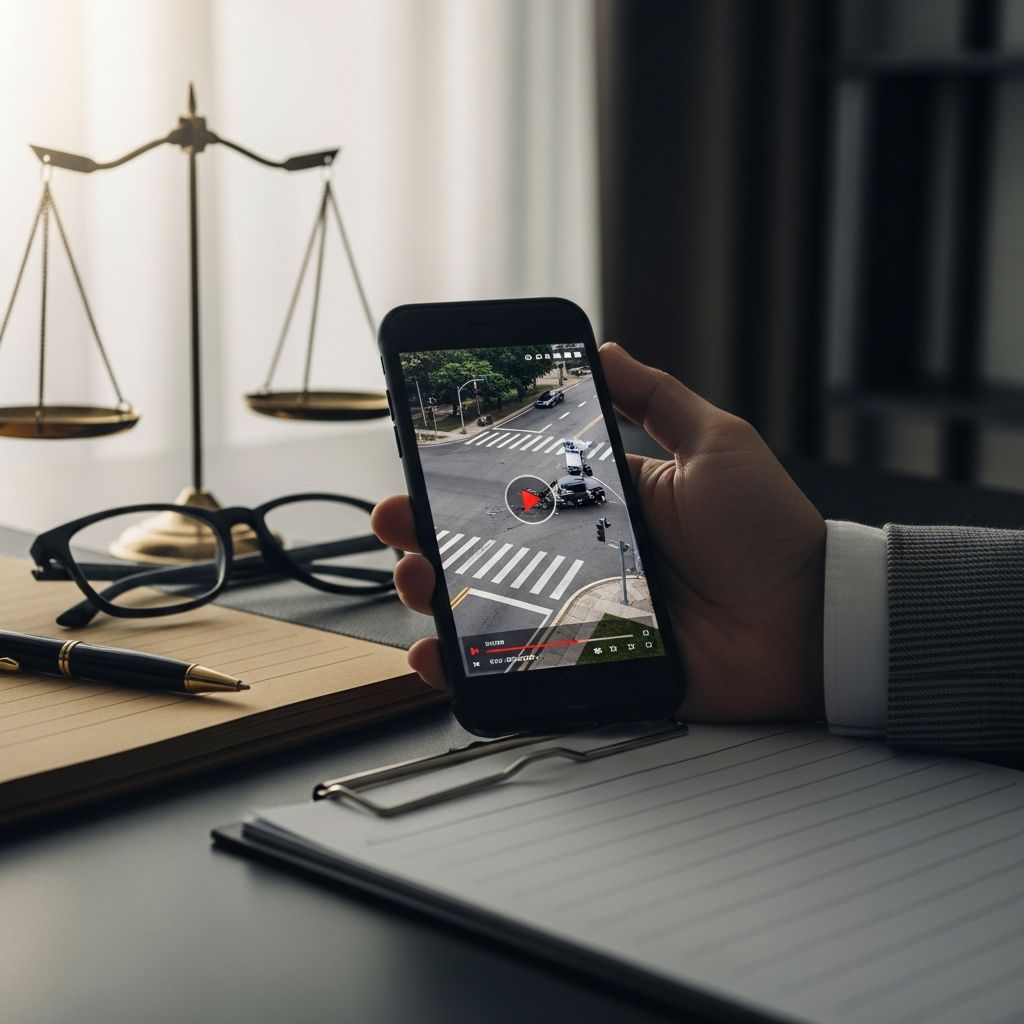
Understanding the Critical Role of Visual Documentation in Injury Claims
When an injury occurs due to someone else’s negligence, the ability to prove what happened becomes paramount to securing fair compensation. Among all forms of evidence available to injury claimants, video documentation stands out as exceptionally powerful. Unlike witness testimony, which can be subjective and prone to memory gaps, or written accounts that may be disputed, video footage provides an objective record of events as they unfolded. This visual evidence can capture not only the moment of impact or incident but also the surrounding circumstances, environmental conditions, and the immediate aftermath that helps establish liability and damages.
The importance of video evidence extends across virtually all types of personal injury cases. Whether your injury resulted from a motor vehicle collision, a slip and fall incident at a commercial establishment, a workplace accident, or a property-related mishap, video documentation can serve as a cornerstone of your legal strategy. The challenge, however, lies in knowing where to look for this evidence, understanding how to properly obtain it, and ensuring it meets legal standards for courtroom admission.
Identifying Potential Video Sources in Your Area
The first step in building a video evidence strategy is recognizing that cameras are ubiquitous in modern society. Your accident or injury likely occurred in an environment where multiple recording devices may have captured relevant footage, even if you weren’t aware of them at the time. The key is systematically identifying these potential sources.
Public Infrastructure and Municipal Systems: Traffic cameras operated by city authorities represent one of the most valuable potential sources for motor vehicle accidents and pedestrian injuries. These cameras are typically positioned at intersections, along major thoroughfares, and at locations known for frequent incidents. Additionally, police body cameras can capture incidents that officers respond to, providing law enforcement’s perspective on what occurred.
Commercial and Business Surveillance: Most retail establishments, office buildings, shopping centers, and restaurants maintain security camera systems for theft prevention and liability protection. These systems often monitor entrances, exits, parking areas, and interior spaces where slip and fall or other premises liability incidents commonly occur. Hospitals, medical offices, and other healthcare facilities also frequently maintain surveillance systems.
Residential and Personal Devices: Modern residential security has expanded significantly beyond traditional commercial systems. Doorbell cameras, outdoor security systems, and smartphone recordings by nearby residents can all provide crucial documentation. If your incident occurred near a residence, homeowners in the vicinity may have captured relevant footage without even knowing it related to your situation.
Vehicle-Based Recording Systems: Dashboard cameras (dashcams) are increasingly common in personal vehicles and are nearly universal in commercial fleet vehicles, ride-sharing services, and delivery vehicles. Additionally, many modern vehicles include integrated recording systems as part of their safety features. If your accident involved any vehicle, check whether dashboard or vehicle recording systems captured the incident.
Additional Specialized Sources: Other potential video sources include ATM cameras at banking locations, surveillance systems at parking facilities, security footage from nearby businesses or government buildings, and recordings from smartphones belonging to eyewitnesses who may have recorded the incident.
The Time-Sensitive Nature of Evidence Collection
One of the most critical aspects of video evidence collection is understanding that time works against you. Security camera systems, particularly those at smaller businesses or residential properties, typically operate on continuous recording loops where footage is automatically overwritten after a set period—often ranging from just days to a few weeks. Traffic camera systems and commercial security systems may retain footage longer, but even these have retention limitations. This creates a race against time to identify and preserve evidence before it is permanently lost.
The moment an injury occurs, your priority should include initiating efforts to secure video evidence. If you are injured but able to do so, document the location carefully and note any visible cameras in your vicinity. However, if your injuries are significant, this responsibility will fall to your attorney or an investigator working on your behalf. The longer you wait to request footage, the greater the risk that it will have been recorded over or deleted.
Professional investigators understand this urgency and will prioritize contacting property owners, business managers, and relevant authorities within days of an incident to ensure footage is preserved. Many states recognize the importance of this need and allow attorneys to send preservation letters that legally obligate property owners and business operators to maintain relevant video evidence despite normal deletion protocols.
Methods for Obtaining Video Documentation
Acquiring video evidence requires navigating different procedures depending on the source. Understanding each channel increases your chances of successful retrieval.
Obtaining Footage from Private Businesses
When video evidence likely exists at a private business location, your attorney will typically contact the business directly, either through the manager on duty or through the business’s legal counsel. For minor incidents or straightforward cases, businesses often willingly provide footage, particularly if their own insurance coverage may be implicated. However, larger corporations frequently direct all requests through their legal departments, which may delay the process but ensures proper documentation and chain of custody.
If direct contact proves unsuccessful or if the business is uncooperative, your attorney can pursue the video through the formal discovery process if litigation has been initiated, or by obtaining a subpoena if pre-litigation attempts fail. A subpoena is a legal document that compels the business to produce the evidence or face contempt of court consequences.
Accessing Municipal and Public Camera Systems
Traffic cameras and other municipal surveillance systems are typically accessible through formal public records requests or Freedom of Information Act (FOIA) requests, depending on your state. These requests must usually be submitted in writing to the appropriate city or county department, often the Department of Transportation or Police Department. Response times vary but typically range from several days to several weeks. Including specific details about the incident—date, time, and location—significantly improves the likelihood of receiving the correct footage.
When requesting public camera footage, provide as much specificity as possible about which camera locations would have captured your incident. If you’re uncertain, request footage from all cameras that may have had a view of the area in question.
Securing Police and Law Enforcement Records
If police responded to your incident, you can request any body camera footage or dashcam footage captured by responding officers. This is typically requested through the police department’s records division. Some jurisdictions have simplified this process through online portals, while others require written requests. There may be nominal fees for producing these records, though many jurisdictions waive fees for police incident reports.
Obtaining Eyewitness Video Documentation
If witnesses at the scene recorded video on their smartphones, your attorney will typically attempt to locate and contact these individuals through other available witness statements or investigation efforts. Once located, most witnesses are cooperative in sharing footage, though some may have privacy concerns. Your attorney can explain the legal process and typically assure witnesses that sharing relevant evidence protects both parties by establishing an objective record.
Professional Investigation and Video Collection Strategy
While injured parties themselves can sometimes obtain video footage, hiring a professional investigator offers significant advantages. Experienced investigators understand local privacy laws, know which property owners are typically cooperative, understand how to preserve chain of custody, and can often retrieve footage more quickly and completely than injured parties attempting to do so while recovering from injuries.
A professional investigator will typically canvas the injury site, photographing all visible cameras and noting their apparent positions and coverage areas. This visual documentation helps establish which cameras would have captured the relevant incident. The investigator can then contact property owners in person, which is often more effective than phone or written requests, and can explain the importance of preserving the footage.
Additionally, investigators understand the technical aspects of retrieving footage from various systems, including how to ensure proper backup procedures that preserve the chain of custody—critical for later courtroom admission.
Chain of Custody and Evidence Preservation
For video evidence to be admissible in court, a clear chain of custody must be established, demonstrating that the footage remained unaltered and was handled properly from the moment it was recorded through its presentation in court. This documentation process includes recording who obtained the footage, when it was obtained, how it was stored, and who has accessed it.
When video is obtained from a business or government agency, request written confirmation of when the footage was recorded, what system recorded it, and any relevant metadata about the camera position and settings. Keep detailed records of all communications regarding the footage, including dates and names of individuals who provided it. If the footage is transferred between devices or formats, document each transfer and maintain the original file whenever possible.
Any manipulation, enhancement, or analysis of video footage should be performed by qualified experts whose work is fully documented. Courts scrutinize video that has been edited or enhanced, so any modifications must be transparently disclosed and expertly justified.
Strengthening Your Case Through Video Evidence
Once obtained, video evidence can be strategically deployed throughout your injury claim in several important ways. Video can establish fault by clearly showing which party’s actions violated traffic laws or safety rules, leaving little room for the defendant to deny responsibility. Video can document hazardous conditions that caused your injury—a slippery floor, broken steps, or inadequate lighting—that might otherwise be disputed.
Video can corroborate medical evidence by showing the immediate impact of your injuries, capturing your condition in the moments and hours after the incident occurred. This visual documentation of your injury’s severity strengthens damage claims by providing context to medical records and treatment progression. Video can also identify witnesses visible in the footage, potentially helping locate individuals who may provide supporting testimony.
During settlement negotiations, video evidence significantly strengthens your position by providing objective proof that insurance companies and opposing counsel cannot easily dismiss. Rather than relying on differing accounts of what happened, video presents undeniable visual facts that motivate reasonable settlement offers. If your case proceeds to trial, video evidence often proves more persuasive to juries than witness testimony, medical records, or expert analysis alone, as jurors tend to trust what they see with their own eyes.
Legal Admissibility Standards and Expert Analysis
For video evidence to be admitted at trial, it must meet specific legal requirements regarding authenticity, relevance, and chain of custody. The foundation testimony establishing these requirements is typically provided by whoever obtained the footage or by an expert who has analyzed and authenticated it. Poor-quality video may be admitted but often carries less persuasive weight with jurors.
When video quality is questionable or footage requires interpretation, video forensics experts can enhance the imagery, analyze technical details, and provide expert testimony explaining what the video demonstrates. These experts may testify about camera positioning, sight lines, lighting conditions, or the technical accuracy of the recording.
Practical Considerations and Common Challenges
Not all potential video footage is accessible or useful. Some cameras may have poor positioning that doesn’t capture the relevant moment. Others may have obstructed views or insufficient lighting. Additionally, some property owners may resist providing footage due to privacy concerns or liability worries, even when they have no legal basis to withhold it.
Privacy laws vary by jurisdiction, and some states have more restrictive regulations regarding the sharing of security footage. Your attorney understands these local variations and can work through appropriate legal channels when voluntary cooperation is unavailable.
Frequently Asked Questions About Video Evidence Collection
Q: How quickly should I attempt to retrieve video evidence after an injury?
A: Immediately. Video retention periods are typically short, ranging from days to weeks. Contact your attorney right away so they can preserve footage before it is automatically deleted.
Q: Can video evidence be edited or enhanced for court?
A: Yes, but any enhancements or edits must be performed by qualified experts and fully disclosed to opposing counsel and the court. The modifications must not alter the factual content of the footage.
Q: What if the property owner refuses to provide video?
A: Your attorney can issue a preservation letter, initiate formal discovery, or obtain a subpoena. Most property owners comply once they understand the legal obligation to preserve evidence.
Q: Who typically bears the cost of video collection and expert analysis?
A: Your attorney typically advances these costs and recovers them from your settlement or judgment if your case is successful. Discuss fee arrangements with your attorney upfront.
Q: Can smartphone videos recorded by bystanders be used in court?
A: Yes, eyewitness videos can be compelling evidence if the chain of custody is properly established and the witness can testify regarding when and where it was recorded.
References
- The Impact of Surveillance Footage in Personal Injury Cases — JBP Legal. 2024. https://www.jbplegal.com/blog/impact-surveillance-footage-personal-injury-cases/
- The Role of Surveillance Footage in Personal Injury Cases — Carpenter and Zuckerman. December 2024. https://www.carpenterandzuckerman.com/blog/2024/december/the-role-of-surveillance-footage-in-personal-inj/
- The Importance of Video Evidence — Probinsky & Cole. August 2023. https://probinskylaw.com/2023/08/the-importance-of-video-evidence/
- Video evidence: Finding it, securing it and getting it admitted — Advocate Magazine. October 2015. https://www.advocatemagazine.com/article/2015-october/video-evidence-finding-it-securing-it-and-getting-it-admitted-2
- How to Use Video to Win a Personal Injury Claim — Brandon J. Broderick, Attorney at Law. 2024. https://www.brandonjbroderick.com/how-use-video-win-personal-injury-claim
Similar Articles








Read full bio of Sneha Tete


