
Scattering Ashes in San Francisco Bay and at Sea: Legal and Practical Guide
Understand the legal rules, permits, and practical steps for respectfully scattering ashes in San Francisco Bay or at sea in the United States.
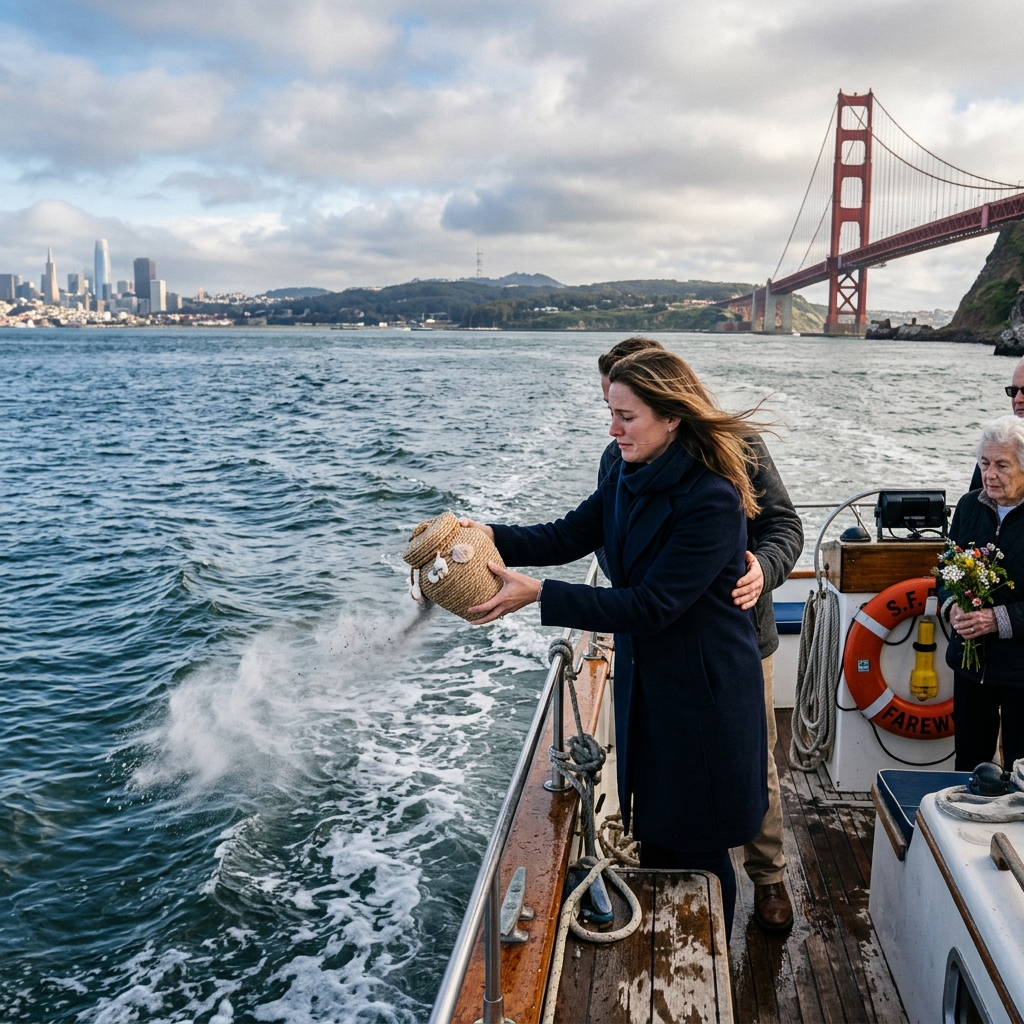
Cremation has become increasingly common in the United States, and many families want to honor a loved one by scattering ashes in a meaningful location, such as a bay, river, or the open ocean. For those inspired by iconic places like San Francisco Bay, it is essential to understand that ash scattering is regulated by both federal and state law. This guide explains the legal framework, permits, practical steps, and ceremony ideas for scattering ashes in San Francisco Bay or at sea while staying fully compliant and respectful.
Why Ash Scattering Is Regulated
Although cremated remains are usually sterile and present low health risks, governments regulate ash scattering to protect water quality, marine ecosystems, and public use of waterways. Federal authorities, particularly the U.S. Environmental Protection Agency (EPA), oversee activities that affect ocean waters, while states regulate scattering in inland waters like bays, rivers, and lakes.
- Environmental protection: Rules ensure that non-biodegradable items do not enter the water and that remains are dispersed in appropriate areas.
- Navigation and public safety: Distance-from-shore requirements help avoid conflicts with swimmers, boat traffic, and port operations.
- Record-keeping: Notification requirements allow agencies to track where burials at sea occur, supporting environmental management.
Federal Law: EPA Rules for Burial at Sea
In the United States, scattering ashes at sea is governed by the EPA under a general permit for burial at sea. This means most families do not need to apply for an individual permit, but they must follow specific rules.
Core EPA Requirements
Under federal regulations, the following conditions apply to scattering ashes at sea:
- Minimum distance from land: Ash scattering must occur at least three nautical miles from the shoreline.
- Materials released: Everything placed into or over the water must be readily biodegradable (for example, natural flowers or paper) and should not harm marine life.
- Notification to EPA: The ceremony must be reported to the appropriate EPA regional office within 30 days of the scattering.
- Container requirements: If an urn or container is used, it should be biodegradable; non-biodegradable containers should be retained and not left in the water.
The EPA’s general permit applies to both cremated and non-cremated remains, but additional depth requirements exist for full-body burials at sea. For cremated remains, there is no minimum water depth as long as the distance from shore and material rules are satisfied.
State Law: California Rules for Ash Scattering in Bays and Inland Waters
San Francisco Bay and other inland waters, rivers, and navigable waterways fall under state jurisdiction for ash scattering. California has detailed regulations that complement federal rules while addressing local conditions.
Distance-from-Shore Rules in California
California permits scattering cremated remains in coastal and inland waters, including San Francisco Bay, as long as specific criteria are met.
- Minimum distance: Scattering must occur at least 500 yards from the shoreline.
- Prohibited locations: Scattering from bridges, piers, or similar structures is not allowed.
- Eligible waters: Ceremonies may take place on navigable rivers, inland waterways, and the Bay itself when distance rules are followed.
These state rules work alongside the EPA’s three-nautical-mile requirement for ocean burials. Within the Bay, the California standard of 500 yards from shore is key, and families should also ensure that the chosen location is navigable and safe for vessels.
Permits and Local Registration
Before scattering ashes in California, a permit is typically required.
- Local registrar permit: A permit is obtained from the local registrar of births and deaths, usually facilitated by the funeral director or cremation provider.
- Location description: The permit often needs to identify or describe the general place where the remains will be scattered.
- Professional services: Many charter boat companies that offer ash-scattering memorials are familiar with these requirements and can help ensure compliance.
Families should confirm details with the county registrar or licensed funeral establishment, as administrative procedures can vary slightly by locality.
Private Land, Public Land, and Waterways
Not every ash-scattering ceremony takes place on a boat. Some families choose private property or remote areas. In those cases, different rules apply.
Scattering on Private Land
When ashes are scattered on privately owned land, the most important requirement is consent.
- Landowner permission: Written or clearly documented permission from the property owner is recommended before scattering ashes.
- Local ordinances: Some municipalities or counties may have specific rules about remains on land; it is wise to check local codes.
- Sensitivity to future use: Consider how the land may be sold or repurposed, and discuss these implications with family members and the landowner.
Public Parks and Sensitive Areas
Scattering ashes in public parks, beaches, or protected areas often requires additional authorization.
- Park regulations: National, state, or regional parks may have specific policies or permit systems for ash scattering.
- Protected habitats: Wetlands, wildlife refuges, and conservation zones can have stricter rules to safeguard ecosystems.
- Ask in advance: Contact the managing authority (such as a park service office) well before planning the ceremony.
San Francisco Bay vs. Open Ocean: Key Legal Differences
Because San Francisco Bay is largely an inland waterway connected to the ocean, families may wonder whether ocean burial rules or inland rules apply. In practice, the answer depends on the exact location of the scattering.
| Location Type | Primary Rules | Distance Requirement | Permit / Notification |
|---|---|---|---|
| Open ocean (beyond coastal waters) | EPA burial at sea regulations | ≥ 3 nautical miles from shore | Report to EPA within 30 days |
| San Francisco Bay & inland waterways | California state rules for ash scattering | ≥ 500 yards from shoreline | Permit from local registrar of births and deaths |
| Private land (non-water) | State and local land-use rules | Not applicable | Landowner permission and local code compliance |
Many memorial charter companies operating in the Bay Area are familiar with both sets of rules and can advise families on whether their chosen ceremony location counts as inland waters or ocean for legal purposes.
Planning a Legal and Meaningful Ash-Scattering Ceremony
Legal compliance is only one part of planning a scattering ceremony. Families also focus on symbolism, emotional meaning, and inclusivity. A carefully structured event can help mourners say goodbye while respecting the environment and the law.
Step-by-Step Planning Checklist
When organizing a ceremony in San Francisco Bay or at sea, consider the following steps:
- Confirm legal requirements: Identify whether your location is inland water or open ocean, and apply the appropriate distance and permit rules.
- Obtain permits: Work with a funeral director or cremation provider to secure the permit from the local registrar where required.
- Select a vessel or location: Choose a charter boat, private vessel, or approved site that can safely reach the legal distance from shore.
- Prepare biodegradable materials: Use natural flowers, rice paper notes, or other biodegradable items; avoid plastic, metal, or synthetic decorations.
- Design the ceremony program: Decide on readings, music, moments of silence, and who will speak or participate in the scattering.
- Coordinate with guests: Clarify dress code, seasickness precautions, and any safety guidelines required by the vessel operator.
- Record the event: Note the general location, date, and conditions to preserve the memory and support EPA notification.
Meaningful Rituals and Symbolic Gestures
Many families incorporate simple yet powerful rituals into ash-scattering ceremonies. Common ideas include:
- Releasing petals or wreaths made of natural, biodegradable materials.
- Writing messages on rice paper or other biodegradable paper that dissolves in water.
- Reading poems, prayers, or personal letters aloud before the scattering.
- Playing music that reflects the loved one’s life or cultural traditions.
- Having each participant take turns releasing a small portion of the ashes into the water.
Each ritual should be designed around the personality, beliefs, and relationships of the person being remembered, while respecting legal and environmental constraints.
Choosing a Charter or Service Provider
In coastal regions near San Francisco, numerous charter operators and cremation services offer memorials at sea. Selecting a reputable provider can simplify legal compliance and logistics.
- Experience with ash scattering: Ask whether the operator regularly conducts memorial ceremonies and understands EPA and California rules.
- EPA reporting: Confirm who will file the required 30-day notice to the EPA after the ceremony.
- Safety standards: Check that the vessel has appropriate safety equipment and a licensed captain.
- Capacity and accessibility: Ensure the boat can comfortably accommodate guests, including those with mobility limitations.
- Customization: Discuss music, readings, and any personal rituals you want to include, and verify they are environmentally appropriate.
Environmental Considerations and Best Practices
Respect for the environment is central to modern ash-scattering ceremonies. Even when laws are followed, families can go further to minimize any ecological impact.
- Use only natural materials: Avoid plastic ribbons, artificial flowers, and synthetic balloons; choose organic, untreated flowers or biodegradable paper instead.
- Limit added substances: Refrain from releasing items coated with paint, dyes, or chemicals that could harm marine life.
- Consider tides and currents: Discuss with the captain where ashes will disperse and whether the timing aligns with safe and respectful conditions.
- Respect wildlife: Keep a distance from marine mammals, birds, and sensitive habitats, and avoid feeding wild animals.
By combining legal compliance with careful environmental stewardship, families can honor both their loved one and the natural setting.
Frequently Asked Questions (FAQs)
1. Is it legal to scatter ashes in San Francisco Bay?
Yes, scattering ashes in San Francisco Bay is allowed under California law, provided it occurs at least 500 yards from the shoreline, follows state rules, and is conducted with the appropriate permit from the local registrar.
2. Do I need an EPA permit to scatter ashes at sea?
Most families do not need an individual EPA permit because burial at sea is covered by a general permit. However, they must comply with EPA rules, including the three-nautical-mile distance, use of biodegradable materials, and notification to the EPA within 30 days of the ceremony.
3. Can ashes be scattered from a bridge or pier?
In California, scattering cremated remains from bridges, piers, or similar structures is prohibited. Ceremonies must take place from a boat or another lawful location that meets distance-from-shore requirements.
4. Is it necessary to use a professional charter company?
It is not strictly required to hire a professional operator, but using an experienced charter or cremation service can greatly simplify compliance with permits, state rules, and EPA reporting, especially in complex waterways like San Francisco Bay.
5. What happens if non-biodegradable items are accidentally released?
Non-biodegradable items such as plastic or metal should not be deliberately released during a burial at sea. If something is accidentally dropped, it may be difficult to recover, but families should aim to prevent such incidents by planning carefully and using only approved, biodegradable materials.
6. Can ashes be scattered on private property without a permit?
Scattering ashes on private land generally requires the landowner’s permission and compliance with any local ordinances. State rules may still apply, so it is wise to consult local authorities or a funeral professional before proceeding.
References
- Robin Williams’ Ashes Scattered in SF Bay. Can You Do the Same? — FindLaw. 2014-08-21. https://archive.findlaw.com/blog/robin-williams-ashes-scattered-in-sf-bay-can-you-do-the-same/
- Burial at Sea — U.S. Environmental Protection Agency. 2023-05-10. https://www.epa.gov/ocean-dumping/burial-sea
- What You Need to Know About Burial at Sea — Tulip Cremation. 2023-06-01. https://www.tulipcremation.com/articles/tulip-expert-guides/death-resources/ideas-for-a-burial-at-sea-ceremony-in-san-francisco.html
- Memorial at Sea, Ash Scattering — Bay Lights Charters. 2022-07-15. https://www.baylightscharters.com/bay-lights-charters-blog/memorial-at-sea-neptune-memorials
Similar Articles








Read full bio of Sneha Tete


