
Saying ‘I Don’t Recall’ in Court Testimony
Understand when and how to use 'I don't recall' legally in depositions and trials without risking contempt or credibility loss.
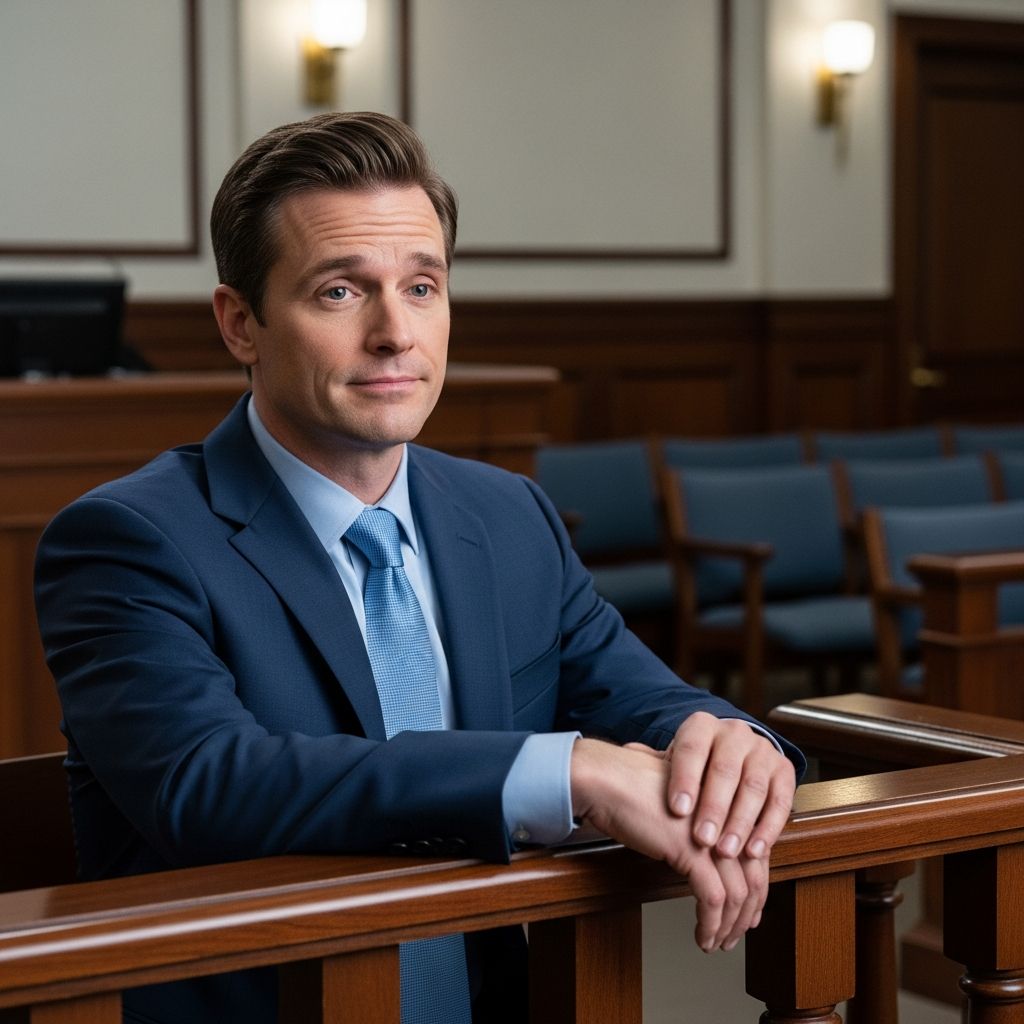
In legal proceedings, witnesses often face pressure to provide precise answers under oath. Choosing between responses like “I don’t know” or “I don’t recall” can significantly impact case outcomes, credibility, and even lead to sanctions. This article delves into the strategic use of these phrases, their implications in depositions and trials, preparation essentials, and potential pitfalls.
Understanding Key Response Differences
The distinction between “I don’t know” and “I don’t recall” is fundamental in testimony. “I don’t know” signals that the witness never possessed the information, closing the door on further exploration of that fact. In contrast, “I don’t recall” admits prior knowledge but claims current memory failure, often due to time passage or stress.
- “I don’t know”: Implies ignorance from the outset. Attorneys view this as final; no refreshment attempts follow.
- “I don’t recall”: Opens avenues for memory refreshment via documents, photos, or prior statements, allowing updated testimony later.
This nuance affects discovery processes, where attorneys seek to lock in facts early to prevent trial surprises.
Strategic Advantages in Depositions
Depositions serve as pre-trial fact-finding tools. Saying “I don’t recall” strategically preserves flexibility. If a critical detail emerges at trial, your attorney can refresh recollection, enabling a revised answer without apparent contradiction.
For instance, if asked about a conversation’s specifics, responding “I don’t recall the exact words” but adding “I remember the general meaning was X” avoids traps while showing honesty. This approach maintains credibility, as juries appreciate candor over evasion.
| Response Type | Implication | Follow-up Potential | Risk Level |
|---|---|---|---|
| I don’t know | Never knew info | Low | Low (if truthful) |
| I don’t recall | Knew but forgot | High (refreshment) | Medium (impeachment risk) |
Such tactics require attorney prep to align with trial narratives.
Risks of Overuse and Court Sanctions
While useful, excessive “I don’t recall” responses raise red flags. Courts treat repetitive, evasive answers as equivalent to refusals under Federal Rule of Civil Procedure 37(a)(4), inviting sanctions.
Judges have sanctioned witnesses for “testimonial obduracy,” including feigned memory lapses to obstruct discovery. Cases like In re Weiss (703 F.2d 653, 2d Cir. 1983) highlight courts’ intolerance for denying memory to avoid facts. Similarly, JFB Hart Coatings, Inc. v. AM Gen. LLC (2009) imposed penalties for repeated non-recollections surrounding key events.
Criminal contempt looms for deliberate obstruction, underscoring the duty to testify truthfully.
Witness Preparation: A Critical Duty
Courts expect witnesses to prepare diligently. Claiming ignorance due to lack of review invites scrutiny. Attorneys must ensure clients review relevant documents beforehand, lest “I don’t recall” seem like unpreparedness.
During breaks, lawyers may confer to jog memories ethically. Failure risks attorney ethics violations alongside witness penalties.
- Review case files, emails, and timelines pre-deposition.
- Practice responses to anticipated questions.
- Avoid speculation; stick to verifiable recall.
Impeachment Dangers at Trial
Deposition inconsistencies can devastate trial testimony. If “I don’t recall” shifts to detailed recall, opposing counsel impeaches using prior transcripts, eroding jury trust. Juries may infer coaching, harming the case.
To counter, explain memory refreshment credibly, e.g., “Reviewing the document now restores my recollection.” Preparation mitigates this.
When Memory Refreshment Applies
Evidence rules permit aids like writings to restore memory. After “I don’t recall,” attorneys present exhibits, asking if recollection improves. This is standard and legitimate.
Contrastingly, “I don’t know” blocks this, potentially benefiting opponents by confirming ignorance.
Criminal vs. Civil Contexts
In criminal defense, stakes amplify. Defendants invoking “I don’t recall” must navigate Fifth Amendment concerns, though witnesses generally cannot. Prosecutors probe for perjury, making precision vital.
Attorney Guidance is Essential
Never testify without counsel’s prep. They identify critical questions, simulate cross-examinations, and strategize responses. Self-representation risks naive answers leading to traps.
Common Misconceptions Clarified
Many believe “I don’t recall” is a safe dodge. Reality: It’s truthful only if genuine. Fabrication invites perjury charges. Others think it’s always better than “I don’t know”—false; context dictates.
Frequently Asked Questions (FAQs)
What if I say “I don’t recall” but later remember?
That’s permissible if a legitimate refreshment source prompts it. Explain the trigger honestly to preserve credibility.
Can saying “I don’t recall” lead to contempt?
Yes, if deemed evasive or obstructive. Courts sanction patterns suggesting bad faith.
Should I guess if unsure?
No. Guessing under oath risks perjury. Default to “I don’t recall” if once known.
How does this differ in criminal trials?
Higher scrutiny; perjury penalties are felonies. Preparation is non-negotiable.
What’s the best prep strategy?
Review all docs, timeline events, practice with attorney. Focus on truth over evasion.
Ethical Testimony Standards
Under oath, truth reigns supreme. Strategic phrasing aids clarity, not deception. Judges, juries, and attorneys discern genuine lapses from ploys.
In summary, master “I don’t recall” through preparation and honesty to navigate testimony effectively.
References
- What is the difference between answering “I don’t know.” and “I can’t …” — Avvo Legal Answers. Accessed 2026. https://www.avvo.com/legal-answers/what-is-the-difference-between-answering-i-don-t-k-927708.html
- “I Don’t Recall”: Witness Memory Lapses and Contempt of Court — Lite DePalma Greenberg. 2009-07-15 (authoritative on rules, remains relevant). https://www.litedepalma.com/i-dont-recall-witness-memory-lapses-and-contempt-of-court
Similar Articles








Read full bio of medha deb




