Safeguarding Evidence in Criminal Investigations
Essential procedures for maintaining evidence integrity throughout criminal investigations and prosecution.
Safeguarding Evidence in Criminal Investigations: Complete Guide to Preservation Standards
The foundation of any successful criminal prosecution rests upon the integrity of the evidence collected at the scene and throughout the investigative process. Evidence preservation represents one of the most critical responsibilities of law enforcement agencies, crime laboratories, and all personnel involved in the criminal justice system. Without proper preservation techniques, even the most compelling physical evidence can become inadmissible in court, potentially resulting in case dismissal or acquittal. This comprehensive guide explores the essential principles, procedures, and legal requirements that govern evidence preservation in criminal cases.
Understanding Evidence Preservation Fundamentals
Evidence preservation encompasses the entire lifecycle of physical and digital materials collected during criminal investigations. From the moment an investigator identifies potential evidence at a crime scene through final storage in evidence facilities, every step requires meticulous attention to detail and adherence to established protocols. The primary objective of evidence preservation is to maintain the original condition, authenticity, and evidentiary value of materials so they can withstand legal scrutiny and provide accurate information during prosecution or defense proceedings.
The concept extends beyond merely storing items in a secure location. Preservation involves a comprehensive approach that includes proper collection methods, appropriate packaging materials, controlled environmental conditions, and detailed documentation of every interaction with evidence. Law enforcement agencies must recognize that mishandling evidence—whether intentional or accidental—can compromise case outcomes and violate the constitutional rights of defendants.
Legal Obligations for Evidence Retention
Government agencies bear a constitutional and statutory duty to preserve evidence in criminal cases, though this duty applies specifically to materials meeting certain criteria. Not all evidence collected by law enforcement must be preserved indefinitely. Instead, preservation obligations focus on evidence that is both material and exculpatory in nature.
Material evidence refers to evidence directly relevant to significant issues in a case—information that could meaningfully influence the outcome of proceedings. Exculpatory evidence, conversely, is evidence favorable to the defendant that tends to demonstrate innocence or mitigate guilt. The prosecution must preserve evidence when officers had reasonable cause to believe it would be exculpatory before destroying it, and when no other reasonably available evidence could serve the same purpose.
Failing to preserve evidence meeting these criteria can result in sanctions against the prosecution, suppression of related evidence, or even dismissal of charges depending on the jurisdiction and specific circumstances. Courts sometimes infer materiality from law enforcement actions—if officers normally preserve certain evidence types but failed to do so in a particular case, courts may conclude the destroyed evidence was material.
Initial Scene Response and Evidence Protection
Proper evidence preservation begins the moment law enforcement arrives at a crime scene. Initial responding officers must prioritize scene security and contamination prevention before any evidence collection occurs. The following steps establish the foundation for all subsequent preservation efforts:
- Respond promptly to secure the location and prevent unauthorized access
- Establish a perimeter using physical barriers to restrict movement through the scene
- Maintain scene security until qualified crime scene technicians arrive
- Document initial observations through notes and photographs before evidence movement
- Identify potential witnesses and separate them to prevent conversation contamination
Officers must avoid unnecessary contact with items, recognizing that even well-intentioned examination can introduce contamination or alter evidence. Using appropriate tools such as tweezers or tongs when necessary prevents direct handling with bare hands. Scene protection measures directly influence the admissibility and reliability of all subsequently collected evidence.
Systematic Collection Protocols
Once trained crime scene technicians assume responsibility for evidence collection, systematic procedures ensure nothing is overlooked while maintaining strict preservation standards. Perishable evidence requires priority collection to prevent degradation from environmental factors. Perishable items include biological evidence such as blood or bodily fluid samples, wet clothing, and other moisture-sensitive materials that can deteriorate rapidly.
Collection must proceed in a logical order that minimizes cross-contamination between evidence items. Each piece requires separate packaging using materials appropriate to its characteristics. The technician must document location, condition, and collection method for every item through written notes, photography, and sketches establishing spatial relationships within the scene.
Personnel conducting evidence collection should maintain awareness of biological hazards and use appropriate personal protective equipment including gloves, masks, and biohazard-rated containers. This protects both evidence integrity and collector safety, particularly when handling materials potentially containing infectious agents.
Packaging and Material Selection
The choice of packaging materials significantly impacts evidence preservation outcomes. Different evidence types require different materials based on their composition and vulnerability to environmental degradation. This represents one of the most frequently overlooked aspects of evidence handling, yet it directly determines whether evidence remains viable for laboratory analysis.
Biological evidence, particularly DNA-containing samples, demands special attention regarding packaging materials. Paper containers and envelopes are essential for biological evidence, while plastic bags must be avoided entirely. Plastic materials retain moisture, creating conditions that promote bacterial growth and mold development that destroy DNA evidence. Drying evidence thoroughly before final packaging prevents microbial proliferation and maintains sample integrity.
Blood samples and other liquid evidence require refrigeration or freezing depending on storage duration and local jurisdiction policies. Dried blood samples collected on specialized blood collection cards eliminate the need for refrigeration, reducing storage complications in facilities with limited cooling capacity. Urine samples must be refrigerated or frozen to prevent bacterial contamination.
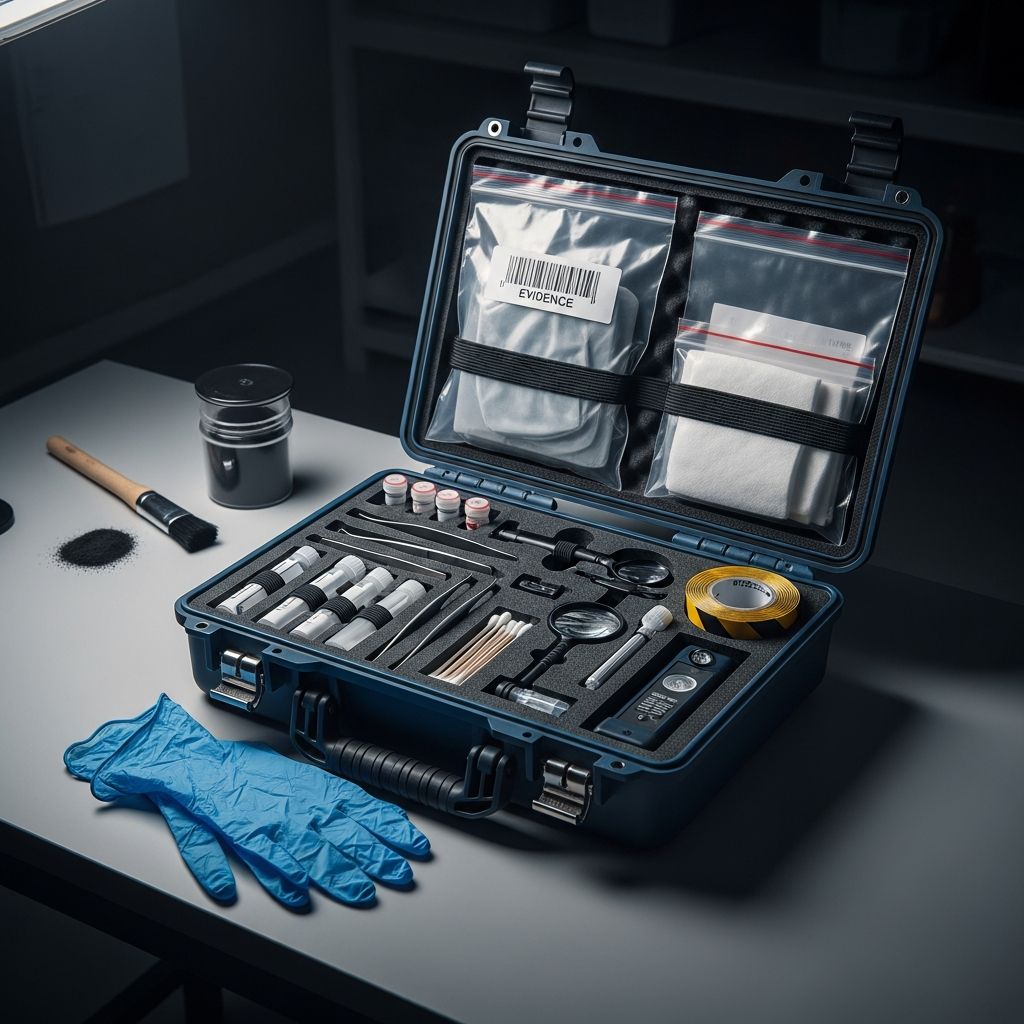
All packaged evidence requires clear labeling identifying the case number, item number, date and time of collection, location discovered, officer’s name, and content description. Sealing packages and initialing seal locations creates a tamper-evident record and demonstrates chain of custody integrity.
Maintaining Chain of Custody
The chain of custody represents the documented history of evidence handling from collection through trial presentation. This continuous record demonstrates that evidence remained secure, uncontaminated, and unaltered throughout its journey through the criminal justice system. Every person who handles evidence must document their involvement, including the date, time, reason for possession, and transfer details.
Documentation should capture:
- Initial collection information including officer name and scene location
- Storage facility information when evidence reaches permanent housing
- Laboratory submission details for analysis requests
- Analysis results and findings documentation
- Any subsequent transfers between facilities or personnel
- Court appearance and trial use documentation
Gaps or inconsistencies in chain of custody documentation can render evidence inadmissible regardless of its actual integrity. Defense attorneys routinely challenge evidence admissibility by highlighting documentation failures, questioning whether evidence could have been altered, contaminated, or substituted. Meticulous record-keeping prevents these vulnerabilities and strengthens prosecutorial case presentation.
Secure Storage Requirements
Evidence storage facilities must provide secure, climate-controlled environments appropriate for the evidence types housed within them. Different evidence categories require distinct storage conditions to prevent degradation. Jurisdictions should establish clear policies addressing temperature, humidity, lighting, and access controls for their specific evidence inventory.
Biological evidence storage demands particular attention to environmental conditions. Direct sunlight and elevated temperatures harm DNA samples, necessitating storage in cool, dark locations. Wet evidence requires faster processing and transfer to prevent mold and bacterial growth during storage. Jurisdictions may utilize drying boxes or similar equipment to facilitate proper drying before final packaging and long-term storage.
Access to evidence storage areas should be strictly controlled through security measures including locked doors, limited key distribution, and surveillance systems. Only authorized law enforcement officials or designated agents should access evidence, with all entries documented for accountability purposes. Storage facility personnel should receive training regarding proper handling procedures, environmental maintenance requirements, and hazard awareness for dangerous materials.
Evidence retention duration varies by jurisdiction and offense severity. Some jurisdictions maintain evidence for the full statute of limitations applicable to the offense, while others follow different retention schedules. Clear policies prevent premature evidence destruction and ensure availability for post-conviction proceedings, appeals, or investigation reopenings.
Digital Evidence Management
Contemporary criminal investigations increasingly involve digital evidence including electronic communications, electronic devices, and stored data. Digital evidence preservation presents unique challenges distinct from physical evidence management. Unlike physical evidence, digital materials can be easily duplicated, altered invisibly, and accessed without leaving traditional traces.
Digital evidence preservation requires specialized procedures including:
- Proper imaging and documentation of devices before analysis
- Use of forensic software that preserves original data without modification
- Secure storage of original devices separate from working copies
- Detailed documentation of all analytical processes and findings
- Regular integrity verification through hash values and checksums
Electronic communications including text messages, emails, social media posts, and chat communications may constitute critical evidence in modern cases. These materials require preservation through appropriate legal holds and suspension of normal deletion procedures within communication systems. Organizations involved in cases must retain all relevant electronic materials rather than allowing automatic deletion cycles to proceed.
Specialized Evidence Considerations
Different evidence types present specific preservation challenges requiring tailored approaches. Crime scene photography documentation must capture evidence location, condition, and spatial relationships before any items are disturbed. These photographic records serve as permanent documentation when evidence must be transported or analyzed.
Tape recordings and videotapes require stable storage conditions preventing heat, moisture, and magnetic interference. While law enforcement is not universally required to electronically record all witness and defendant statements, jurisdictions increasingly recognize recording benefits for evidence preservation and reducing disputes about statement accuracy.
Weapon evidence, clothing items, and other physical objects require storage preventing rust, deterioration, or damage. Firearms must be rendered safe and stored securely. Biological evidence on clothing or objects demands special handling to prevent cross-contamination and environmental degradation.
Quality Assurance and Compliance Audits
Effective evidence preservation requires regular review and quality assurance processes verifying compliance with established protocols. Agencies should conduct periodic audits of storage facilities assessing environmental conditions, access controls, and documentation accuracy. These audits identify deficiencies before they compromise evidence viability.
Personnel training represents another critical quality assurance component. Officers and technicians must understand proper procedures, material selection rationales, and documentation requirements. Regular refresher training ensures procedural consistency across agency personnel and incorporates updated standards as forensic science advances.
Documentation systems should facilitate easy verification of chain of custody integrity. Modern agencies increasingly utilize digital tracking systems providing real-time evidence location information and automated documentation of transfers between personnel and facilities.
Victim Advocacy and Preservation Considerations
Evidence preservation in cases involving physical evidence from victims requires sensitivity and respect for victim privacy and dignity. In sexual assault cases, forensic evidence collection must balance thorough investigation needs with victim psychological and physical well-being. Victims should be informed about evidence retention procedures and their potential availability for future testing or proceedings.
Facilities must address practical challenges such as adequate storage space for evidence kits, particularly in cases where victims remain undecided about reporting or prosecution. Jurisdictional policies should provide clear guidance regarding retention durations and procedures for cases at various investigation stages.
Defense Considerations and Exculpatory Evidence
Defense attorneys must actively request preservation of evidence potentially favorable to their clients, formally notifying prosecutors of preservation requirements. Written preservation notices create documented obligations and protect defendants’ rights to present exculpatory evidence at trial. Defense teams should maintain awareness of evidence that might support alibi defenses, demonstrate alternative suspect involvement, or contradict prosecution theories.
Evidence preservation failures can support defense motions for evidence spoliation sanctions, evidence suppression, or case dismissal depending on circumstances and jurisdiction. Courts evaluate whether destruction was intentional, negligent, or the result of established procedures, and whether destroyed evidence would likely have been exculpatory.
Frequently Asked Questions About Evidence Preservation
Q: How long must law enforcement preserve evidence in criminal cases?
A: Retention duration varies by jurisdiction and offense type. Many jurisdictions retain evidence for the full statute of limitations applicable to the offense. Some maintain evidence longer to permit post-conviction DNA testing or appeals processes. Jurisdictional policies should clearly specify retention requirements.
Q: Can evidence be destroyed if a defendant pleads guilty?
A: Policies vary by jurisdiction, but many require evidence retention even after guilty pleas to permit post-conviction proceedings, appeals, or sentence modification requests. Some jurisdictions permit destruction after specified time periods following conviction if no appeals are pending.
Q: What happens if evidence is destroyed improperly?
A: Improper evidence destruction can result in prosecution sanctions, evidence suppression, adverse inferences favoring the defendant, or case dismissal. Courts evaluate destruction circumstances, whether evidence was material, and whether the defendant suffered prejudice.
Q: Must all evidence from a crime scene be preserved?
A: No. The preservation duty extends only to material and exculpatory evidence—items relevant to significant case issues or favorable to the defendant. Non-probative or redundant evidence may be destroyed after proper documentation.
Q: How should DNA evidence be stored?
A: DNA evidence must be stored dry at room temperature in paper containers, never plastic. Avoid direct sunlight and warm environments that harm DNA samples. Follow jurisdictional policies regarding specific storage conditions, refrigeration requirements for liquid samples, and retention durations.
References
- Evidence Preservation: A Primer for Investigations — Baker Botts. https://www.bakerbotts.com/~/media/files/services/investigations-toolkit/investigations-toolkit—3—evidence-preservation.pdf
- National Protocol – Evidence Integrity — SAFEta. https://www.safeta.org/page/operationalevidencei/
- Chapter 83 – Collection and Preservation of Evidence — Salisbury University Police Department. https://www.salisbury.edu/police/_files/Chap83.pdf
- Preserving Evidence in Criminal Law Cases — Justia. https://www.justia.com/criminal/procedure/discovery-in-criminal-cases/preserving-evidence/
- The Importance of Preserving Evidence in Criminal Defense Cases — Right Law Group. https://www.rightlawgroup.com/preserving-evidence-in-criminal-defense-cases/
- Preservation of Evidence in Criminal Cases — The Local Choice EAP. https://www.anthemeap.com/the-local-choice/find-legal-support/resources/criminal-law/legal-assist/preservation-of-evidence-in-criminal-cases
Similar Articles








Read full bio of medha deb