
Hurricane Safety: Complete Post-Storm Survival Guide For 2025
Essential strategies to minimize risks and protect yourself before, during, and after hurricanes and severe storms.
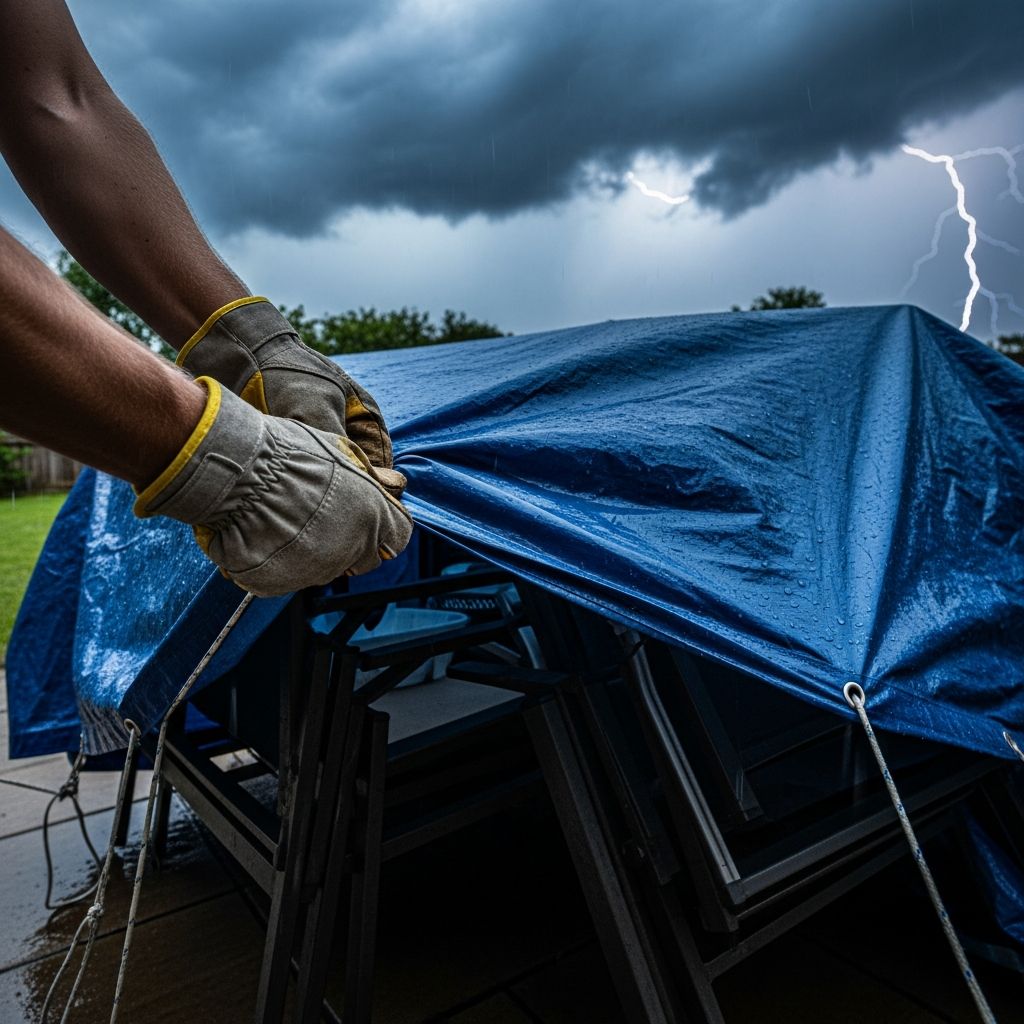
Hurricanes and severe storms pose significant risks of physical harm, with many injuries occurring not just during the event but in the aftermath during cleanup and recovery. Proactive measures can drastically reduce these dangers, encompassing home fortification, personal protection, and vigilant behavior post-storm.
Proactive Home Fortification Before the Storm
Strengthening your residence ahead of approaching severe weather forms the foundation of injury prevention. Securing potential projectiles and vulnerable structures minimizes flying debris that causes lacerations, fractures, and head trauma.
- Install permanent storm shutters or pre-cut plywood over all windows to shield against shattering glass, which accounts for numerous cuts and punctures during high winds.
- Anchor heavy outdoor items like grills, propane tanks, and patio furniture to prevent them from becoming airborne hazards.
- Trim overhanging branches and clear gutters to reduce falling limb risks and flooding that leads to slips.
- Review and update insurance policies, ensuring coverage for wind, flood, and personal liability to address recovery-related incidents.
These steps, recommended by the National Weather Service, create a more resilient environment, lowering the chance of structural failures that trap or injure occupants.
Creating a Family Emergency Response Blueprint
A well-defined plan ensures coordinated actions, reducing panic-induced mishaps. Families should assemble kits with essentials like water, non-perishables, medications, flashlights, batteries, and first-aid supplies sufficient for at least 72 hours without utilities.
| Kit Essential | Quantity per Person | Purpose |
|---|---|---|
| Water | 1 gallon/day | Hydration and sanitation |
| Non-perishable food | 3-day supply | Sustained energy |
| First-aid kit | Comprehensive | Treat minor wounds/infections |
| Battery-powered radio | 1 | Weather updates |
| Flashlight & extra batteries | 1 each | Navigation in dark |
Establish out-of-state contact points for check-ins and subscribe to local alert systems for evacuation orders. Practice drills to familiarize everyone, especially children and elderly members, with procedures.
Sheltering Strategies During Peak Winds and Rain
When storms intensify, immediate relocation to a fortified interior space is critical. Avoid exterior walls, windows, and elevated areas prone to collapse or flooding.
- Select a central, windowless room on the lowest floor, ideally a bathroom or closet, barricaded with mattresses for added protection.
- Stay away from glass surfaces to evade flying shards; keep shoes on for debris navigation.
- If flooding threatens, move to higher ground preemptively, wearing life jackets if wading through rising waters.
Even in the storm’s deceptive eye, remain sheltered as winds resume fiercely from the opposite direction. Continuous monitoring via NOAA radio keeps you informed of evolving threats.
Navigating Post-Storm Hazards with Caution
After winds subside, new dangers emerge from structural instability, contaminated water, and hidden electrical threats. Rushing into assessment without precautions spikes injury rates, including falls, chainsaw mishaps, and electrocutions.
Assessing and Avoiding Structural Risks
Damaged buildings can collapse unexpectedly. Heed authority clearances before re-entry; evacuate at signs of creaking or shifting.
- Inspect exteriors for leaning walls, cracked foundations, or sagging roofs before approaching.
- Employ teams for inspections to distribute weight and spot issues collaboratively.
Electrical and Downed Line Dangers
Fallen power lines, often energized and surrounded by conductive floodwater, cause fatal shocks. Maintain at least 10 meters distance and report sightings immediately without touching.
Generators must operate outdoors, 20 feet from openings, with CO detectors active to prevent poisoning, a silent killer in enclosed recovery spaces.
Floodwater and Vector Threats
Standing water harbors bacteria, chemicals, and disease-carrying mosquitoes. Never drive through flooded roads—six inches can sweep vehicles away.
- Wear life jackets in unavoidable flood zones; use DEET-based repellents, long clothing for mosquito defense.
- Steer clear of stray animals rabid from stress; report carcasses to officials.
Safe Cleanup Protocols to Prevent Musculoskeletal and Cut Injuries
Cleanup activities provoke the majority of post-storm medical visits: strains from heavy lifting, lacerations from debris, and chainsaw amputations. Proper gear and techniques mitigate these.
Essential Protective Equipment:
- Steel-toed, watertight boots; hard hats; safety goggles; heavy-duty gloves; ear protection for noisy tools.
- Long sleeves, pants, and insect repellent for comprehensive coverage.
Lift smart: never exceed 50 pounds solo, use partner assists for bulky items, bend knees, and take frequent hydration breaks in heat to avert exhaustion-related cardiac events, a top post-hurricane fatality.
Defer chainsaw use to trained professionals; rent equipment only with certification. Disinfect all contacted surfaces to curb infections from inevitable scrapes.
Health Monitoring and Infection Control After Exposure
Minor wounds from debris or slips can fester rapidly in humid, contaminated environments. Prompt first aid—cleaning with soap, applying antibiotics, and bandaging—prevents sepsis.
- Boil water or use purifiers until confirmed safe; monitor for tetanus symptoms if unvaccinated recently.
- Watch for heat stroke signs: dizziness, nausea; rest in cooled areas, hydrate with electrolytes.
Overexertion contributes to heart attacks; pace efforts and seek medical aid for chest pain or breathlessness.
Community and Long-Term Recovery Considerations
Coordinate with neighbors for shared resources like generators, reducing individual risks. Document all damage photographically for insurance, aiding swift repairs that eliminate lingering hazards.
Local health departments provide updates on boil notices, vaccination drives, and debris pickup schedules. Mental health support is vital too, as prolonged stress exacerbates accident proneness.
Frequently Asked Questions (FAQs)
What should I wear for post-storm cleanup?
Opt for long-sleeved shirts, pants, steel-toed boots, gloves, goggles, and hard hats to guard against debris, insects, and falls.
Is it safe to use a chainsaw for yard cleanup?
Only if trained; otherwise, hire experts to avoid severe cuts and kickback injuries common in amateur use.
How do I avoid carbon monoxide poisoning?
Run generators outside, 20+ feet from home; install/use CO alarms; never indoor-operate fuel-burning devices.
Can I drink tap water after a hurricane?
No, until officials confirm safety—boil or treat to prevent gastrointestinal illnesses from contamination.
What if I see a downed power line?
Stay back 10 meters, avoid puddles, report to utilities without approaching; treat as live.
This guide, drawing from authoritative protocols, empowers safer navigation through storm cycles. Implementing these layered defenses transforms vulnerability into resilience.
References
- Prevent Injury and Illness After a Storm — Monroe County, FL. 2023. https://www.monroecounty-fl.gov/1206/Prevent-Injury-and-Illness-After-a-Storm
- Hurricane Safety Series: Avoiding injuries after the storm — Mayo Clinic News Network. 2023-08-29. https://newsnetwork.mayoclinic.org/discussion/hurricane-safety-series-avoiding-injuries-after-the-storm/
- Hurricane Preparedness — American Red Cross. 2025. https://www.redcross.org/get-help/how-to-prepare-for-emergencies/types-of-emergencies/hurricane.html
- Safety Guidelines: After a Hurricane or Other Tropical Storm — Centers for Disease Control and Prevention (CDC). 2024. https://www.cdc.gov/hurricanes/safety/how-to-safely-stay-safe-after-a-hurricane-or-other-tropical-storm.html
- Actions to Take When a Tropical Storm or Hurricane Threatens — National Weather Service. 2025. https://www.weather.gov/safety/hurricane-action
Similar Articles








Read full bio of medha deb




