
Safe Online Prescription Drug Shopping Guide
Understand the legal risks, safety checks, and red flags before you buy prescription medications from an online pharmacy.
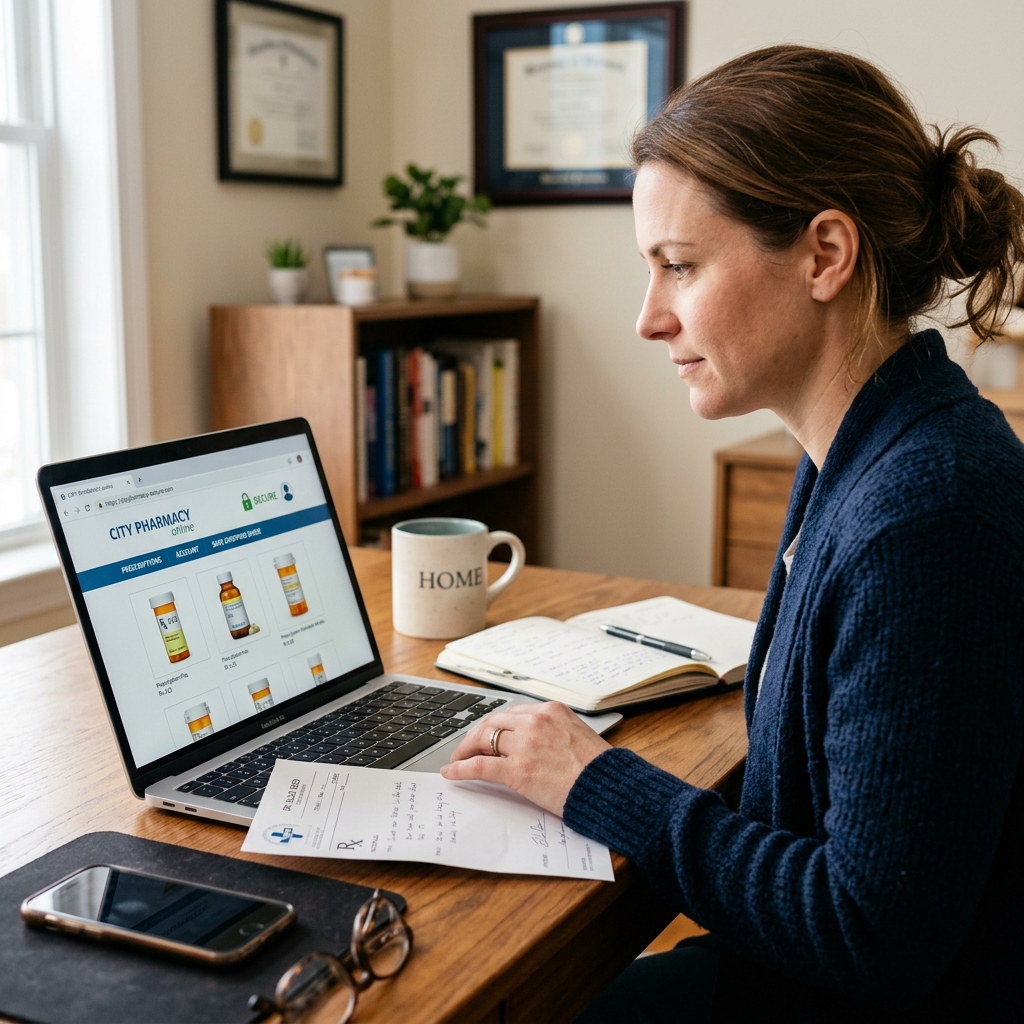
Ordering prescription drugs from an online pharmacy can be convenient and cost-effective, but it also carries serious risks if you do not use a legitimate, licensed provider. This guide explains how to evaluate online pharmacies, understand the legal landscape, and protect your health, your wallet, and your personal information.
Why People Buy Prescription Drugs Online
Online pharmacies have become a common part of modern health care. Many patients use them because:
- They offer potential cost savings compared with traditional brick-and-mortar pharmacies.
- They provide home delivery, which is important for people with mobility challenges or limited local pharmacy access.
- They can simplify managing chronic medications through automatic refills and reminders.
- They may provide privacy for sensitive medications that patients feel embarrassed to request in person.
However, not every website that sells medicine follows pharmacy laws or professional standards. Some sites sell counterfeit, substandard, or unapproved drugs, which can cause treatment failure, dangerous side effects, or even death. Understanding how to distinguish legitimate services from illegal operations is essential before placing any order.
Legal and Regulatory Basics for Online Pharmacies
In many countries, online pharmacies are subject to the same laws as physical pharmacies. In the United States, for example, an online pharmacy must be:
- Licensed by the state board of pharmacy in the state where it is located and often also in the state where the patient lives.
- Subject to federal requirements for prescription drugs, including U.S. Food and Drug Administration (FDA) approval.
- Staffed by licensed pharmacists who can answer patient questions.
Regulators such as the FDA and state pharmacy boards have authority to act against illegal websites, but thousands of rogue sites operate at any given time. Consumers therefore need to perform their own due diligence before buying.
| Feature | Legitimate Online Pharmacy | Rogue / Illegal Website |
|---|---|---|
| Prescription requirement | Always requires a valid prescription from a licensed health care provider. | Sells prescription drugs without any prescription, or issues one after a superficial online questionnaire only. |
| Licensing | Licensed with appropriate pharmacy regulators and state boards. | Unlicensed, or falsely claims to be licensed with no way to verify. |
| Pharmacist availability | Lists a licensed pharmacist and provides a phone number for questions. | No pharmacist available, or customer support is limited to anonymous email forms. |
| Drug source | Dispenses FDA-approved medicines from authorized supply chains. | Ships drugs from unknown or foreign sources; may be counterfeit or unapproved. |
| Pricing | Offers competitive but realistic pricing with clear fees. | Promotes extreme discounts, “free” pills, or prices far below market rates. |
| Privacy and security | Provides a detailed privacy policy and secure payment options. | Vague or missing privacy policies; may request unusual payment methods. |
How to Confirm a Pharmacy Is Legitimate
You should never rely solely on professional-looking design or advertising claims to decide whether an online pharmacy is safe. Use objective checks and official resources to verify legitimacy.
1. Use Official Verification Tools
Several regulatory and professional organizations maintain databases of accredited or licensed online pharmacies.
- FDA BeSafeRx resources: In the United States, the FDA’s BeSafeRx program provides information on identifying safe online pharmacies and links to state licensing databases so you can confirm that a site is properly licensed.
- State board of pharmacy lookups: Each state has a board of pharmacy that licenses pharmacies and pharmacists. Many boards provide an online search tool allowing you to confirm license status.
- Accreditation programs: Professional bodies such as the National Association of Boards of Pharmacy (NABP) operate accreditation programs for digital pharmacies. Accredited sites must meet strict quality and safety criteria.
Do not proceed with an order if you cannot verify the pharmacy’s licensing, accreditation, or physical location through independent, official sources.
2. Check Basic Identify and Contact Information
A legitimate online pharmacy makes it easy to find out who is behind the website and how to reach them.
- Look for a physical street address and a working telephone number. U.S.-based legitimate pharmacies will list a U.S. address and phone.
- Review the About or Contact pages to see whether the business name, location, and license details are disclosed.
- Confirm that a licensed pharmacist is available for consultation and that you can reach them during set hours.
If a site refuses to reveal where it is located, or provides only a web form with no other contact information, consider that a serious warning sign.
3. Confirm Prescription and Medical Review Procedures
Responsible online pharmacies do not sell prescription medications based solely on self-diagnosis or a short questionnaire. Before dispensing medicine, the pharmacy should:
- Require a prescription from your health care provider, or
- Arrange for you to be evaluated by a licensed clinician through telehealth in a manner consistent with applicable laws.
Websites that advertise “no prescription needed” for drugs that normally require one are operating outside standard medical practice and may be breaking the law. Avoid them entirely.
Red Flags: How to Spot a Rogue Online Pharmacy
Many illegal pharmacies use aggressive marketing and deceptive tactics to lure patients. You should be cautious if you see any of the following warning signs:
- Offering prescription-only medicines without requiring a valid prescription.
- Advertising prices that are dramatically lower than other reputable pharmacies or promising “miracle cures” for many diseases.
- Sending unsolicited emails or online ads promoting deeply discounted medications.
- Claiming to ship prescription drugs worldwide without restrictions or doctor involvement.
- Being located outside of your country’s jurisdiction, especially in regions known for weak regulatory oversight.
- Failing to provide access to a licensed pharmacist to answer your questions.
- Requesting payment via cryptocurrency, wire transfer, or other non-standard methods, rather than secure credit card processing.
- Lacking a clear privacy policy or stating that your personal information may be sold to third parties.
If multiple red flags appear, do not use the website. Consider reporting it to regulators such as the FDA or your national medicine agency, particularly if it appears to be targeting vulnerable patients.
Risks of Counterfeit and Substandard Medicines
Rogue online pharmacies often bypass regulated supply chains and may obtain products from manufacturers that do not meet quality standards. Studies of online drug sales have documented the presence of:
- Medicines containing no active ingredient at all, leading to treatment failure.
- Products with incorrect doses, which can cause overdosing or underdosing.
- Drugs contaminated with impurities or manufactured under unsanitary conditions.
- Products that look similar to well-known brands but have different packaging, labeling, or pill markings.
Substandard or counterfeit drugs can worsen health conditions, contribute to antimicrobial resistance, delay accurate diagnosis, and create additional costs for patients and health systems. This is especially dangerous for medications used to treat heart disease, diabetes, mental health disorders, and infections, where consistent and accurate dosing is crucial.
Practical Safety Checklist Before You Order
Use this step-by-step checklist each time you consider buying prescription drugs online:
- Verify licensing and accreditation. Use your country’s pharmacy regulator or FDA-linked resources like BeSafeRx to confirm the pharmacy’s license.
- Check contact information. Confirm the site lists a physical address and phone number you can call.
- Confirm prescription requirements. Make sure the pharmacy requires a valid prescription for prescription-only medicines.
- Review pharmacist access. Ensure you can speak with a licensed pharmacist about your medicines and side effects.
- Evaluate the pricing. Be skeptical of prices far below market rates or offers of “bonus pills.”
- Read the privacy policy. Confirm the site explains how it protects and uses your personal and payment data.
- Inspect medicines on arrival. When your order arrives, compare the pills, packaging, and labels with what you receive from your usual pharmacy. Look for correct spelling, proper expiration dates, and intact tamper seals.
- Talk to your health care provider. Notify your clinician or local pharmacist if anything about your online order seems unusual, or if your medicine does not appear to work as expected.
Protecting Your Personal and Financial Information
Beyond medical risks, rogue pharmacies can misuse or steal your personal data. To protect yourself:
- Check that the website uses secure, encrypted connections (for example, by looking for “https” and a lock icon in your browser).
- Read the privacy policy to see whether the pharmacy shares or sells your data and under what conditions.
- Avoid websites that ask you to email credit card information or bank account numbers.
- Use a credit card rather than debit card for extra fraud protection, and monitor your statements regularly.
If you suspect your information has been compromised, notify your bank or card issuer immediately and consider placing fraud alerts or credit freezes as recommended by consumer protection agencies.
When and How to Report a Problem
If you experience an adverse reaction, receive a suspicious product, or discover a potentially illegal pharmacy, reporting it helps protect others.
- Adverse drug effects: In the United States, patients and health professionals can report serious side effects or product quality problems to the FDA’s MedWatch program.
- Unsafe online pharmacies: The FDA encourages reporting websites that sell medicines illegally or unsafely so that regulators can investigate and take appropriate action.
- Local regulators: You may also contact your state board of pharmacy or national medicine regulator to report concerns.
Save records of your purchase, including website addresses, order confirmations, and product photographs; these can help regulators investigate.
Frequently Asked Questions
Is it legal to buy prescription drugs online?
It can be legal to buy prescription drugs online if the pharmacy is properly licensed, operates within your country’s laws, dispenses only FDA-approved (or equivalent) medicines, and requires a valid prescription from a licensed prescriber. Purchasing from unlicensed foreign or “no prescription” websites can violate the law and exposes you to serious health risks.
Are foreign online pharmacies always unsafe?
Not every foreign pharmacy is unsafe, but many illegal operators take advantage of cross-border rules and limited enforcement. Regulatory agencies specifically warn consumers not to purchase prescription drugs from foreign websites that do not meet domestic safety and licensing standards. Using accredited pharmacies within your own regulatory system is usually safer.
What should I do if my medicine looks different from usual?
Do not take the medicine until you have checked with a licensed pharmacist or your prescribing clinician. Differences in pill color, size, shape, or packaging can occur when your pharmacy uses a different manufacturer, but they can also indicate counterfeit or substandard products. Keep the packaging, take photos, and contact the pharmacy immediately for clarification.
Can I trust online reviews when choosing an online pharmacy?
Online reviews can be manipulated and are not a reliable substitute for regulatory verification. Use official resources such as state board of pharmacy databases, FDA-supported information, and recognized accreditation programs to verify the pharmacy first. Treat unverified testimonials and social media endorsements with caution.
Why does the pharmacy need my medical history?
Legitimate pharmacies and prescribers ask about your medical history, current medications, and allergies to make sure a new medicine is safe and appropriate for you. Sites that ignore your health background or dispense powerful drugs without these questions are not practicing responsible health care.
References
- Find Safe Online Pharmacies — National Association of Boards of Pharmacy (NABP). 2024-01-10. https://safe.pharmacy/buy-safely/
- Is It Safe? Buying Prescription Drugs Online — New Jersey Division of Consumer Affairs. 2019-06-01. https://www.njconsumeraffairs.gov/News/Consumer%20Briefs/buying-prescription-drugs-online.pdf
- How to Buy Medicines Safely From an Online Pharmacy — U.S. Food and Drug Administration (FDA). 2022-11-03. https://www.fda.gov/consumers/consumer-updates/how-buy-medicines-safely-online-pharmacy
- How to Safely Buy Medicine Online — Pfizer. 2023-04-18. https://www.pfizer.com/news/articles/how_to_safely_buy_medicine_online
- Purchasing Medicines on the Internet — ConsumerMedSafety.org / Institute for Safe Medication Practices. 2021-05-12. https://www.consumermedsafety.org/safety-articles/purchasing-medicines-on-the-internet
- Buying medicines safely online — General Pharmaceutical Council (GPhC). 2022-02-24. https://www.pharmacyregulation.org/patients-and-public/standards-you-can-expect-using-pharmacy-services/buying-medicines-safely-online
- Negative Consequences of the Widespread and Inappropriate Easy Access to Antibiotics in the Developing World — J. Laxminarayan et al., Clinical Microbiology and Infection. 2021-03-30. https://pmc.ncbi.nlm.nih.gov/articles/PMC8025924/
Similar Articles








Read full bio of medha deb


