
Flirty Texting: 5 Legal Rules To Keep Your Messages Safe Today
Master the art of flirty texting while staying on the right side of the law—essential tips for digital romance.
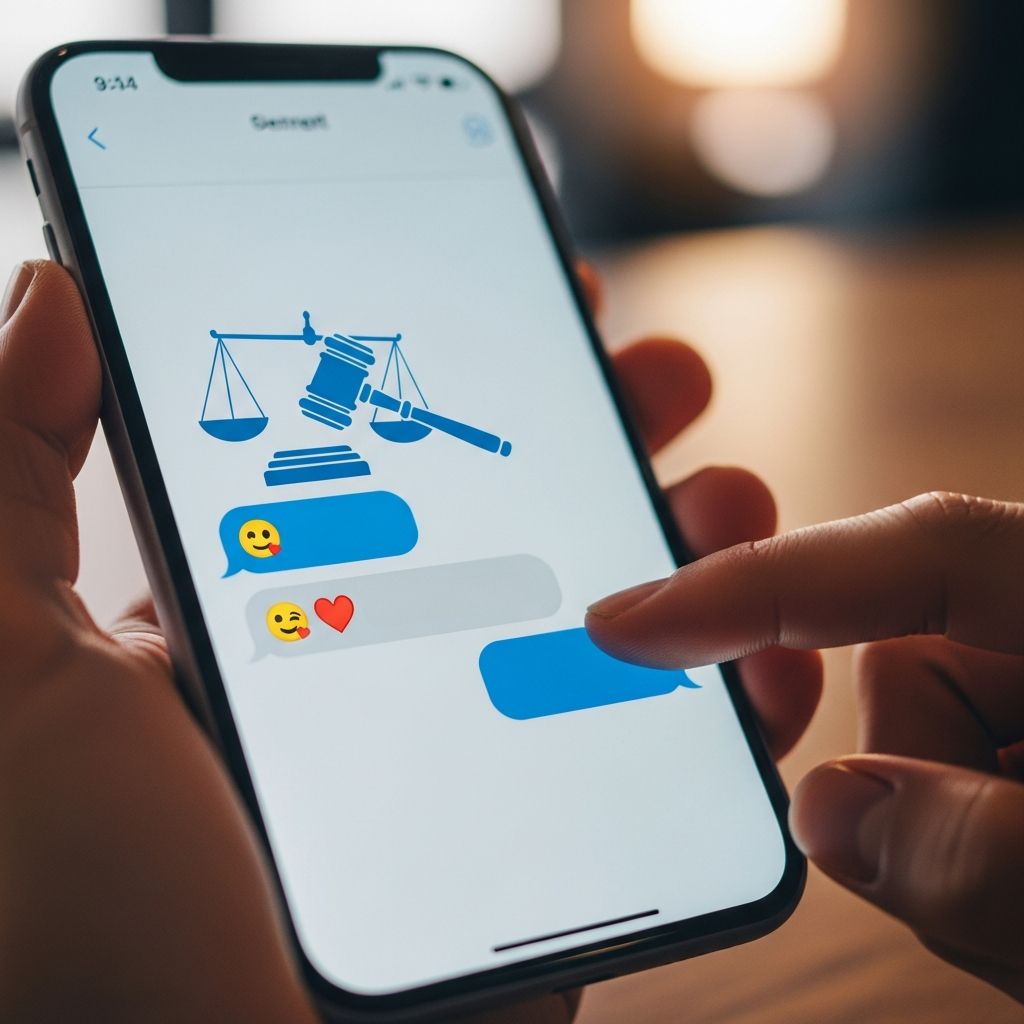
Flirty texting, often called ‘flirtexting,’ has become a staple of modern romance. With smartphones in everyone’s pocket, a quick message can spark interest or build anticipation. However, what starts as playful banter can quickly cross into legal territory if not handled carefully. This guide outlines key principles to ensure your digital flirtations remain fun, consensual, and lawful, drawing from legal standards on consent, harassment, and online communication.
Understanding the Risks of Digital Flirting
Digital platforms amplify the reach and permanence of flirtatious exchanges. A single misinterpreted message can lead to accusations of harassment or worse. Courts increasingly scrutinize text-based interactions in cases involving stalking or unwanted advances. For instance, persistent messaging despite clear disinterest may qualify as cyberstalking under state laws like California Penal Code Section 646.9, potentially resulting in up to five years in prison and fines.
Moreover, the ease of sharing explicit content introduces risks of child pornography charges if the recipient is underage, even unintentionally. Adults must prioritize verification and caution to protect themselves legally. By grasping these risks upfront, you can flirt confidently within safe boundaries.
Core Principle 1: Prioritize Explicit Consent
Consent forms the bedrock of legal and ethical flirting. It must be clear, enthusiastic, and ongoing—not assumed from silence or ambiguous emojis. Before escalating to suggestive topics, explicitly ask: “Are you comfortable chatting about this?” This simple check-in documents mutual agreement and shields against claims of coercion.
In text-based flirting, assumptions about interest can backfire. If responses cool or stop, pause immediately. Continuing equates to harassment in legal terms. Gracefully accepting boundaries preserves dignity and avoids escalation. For example, replying to a “not interested” with “No worries, take care!” diffuses tension effectively.
- Always seek verbal or texted affirmation before intimate topics.
- Reconfirm consent if conversation shifts tones.
- Document positive responses for your records if needed.
Core Principle 2: Verify Age Before Any Escalation
Age confirmation is non-negotiable in online interactions. Misjudging someone’s age can lead to severe felony charges, such as solicitation of a minor under California Penal Code Section 288.4, carrying fines up to $5,000 and jail time. Even across state lines, federal laws apply if intent to meet for sexual activity is inferred.
Start every conversation by casually asking age: “Just to confirm, how old are you?” If under 18, end contact politely and block. Don’t rely on profiles alone—catfishing is rampant, with studies showing up to 80% of dating profiles contain inaccuracies. Diligence here prevents irreversible legal pitfalls.
| Risk Level | Action Required | Potential Penalty |
|---|---|---|
| Under 18 confirmed | Cease all communication | Up to 1 year jail, $5,000 fine |
| Age unclear | Ask directly and verify | Federal charges possible |
| 18+ verified | Proceed with consent checks | Low, if consensual |
Core Principle 3: Steer Clear of Explicit Content
Sexting—sending nude or sexually explicit images—carries massive legal hazards. For adults, it risks distribution to minors unknowingly, violating laws like California Penal Code Section 311.4 with fines up to $2,000 and jail. Teens sexting each other can face child pornography charges, as laws lag behind technology.
Even among adults, unsolicited explicit texts violate consent and can lead to restraining orders. Instead, keep it suggestive and classy: use words that tease imagination without visuals. If sexting arises mutually, include disclaimers like “This is fantasy only” to clarify intent. Never send what you wouldn’t want public—hacks and screenshots happen.
- Avoid all nudes or videos initially.
- Use text to build tension creatively.
- If sharing, ensure 100% mutual, documented consent.
Core Principle 4: Respect Timing and Response Gaps
Flirty texts thrive on rhythm, but bombarding someone disrupts it. Wait 5-10 minutes between replies to mimic natural conversation and build intrigue. Double-texting or messaging during off-hours (outside 8 a.m.-5 p.m.) without prior agreement can feel intrusive, potentially harassment.
Respect time zones and life schedules—online doesn’t mean available. If no reply in hours, don’t push; it signals disinterest. This patience not only keeps things legal but enhances attraction by creating anticipation.
Core Principle 5: Maintain Honesty in Your Profile and Chats
Authenticity builds trust and sidesteps complications. Exaggerating height, weight, or intentions on apps like Tinder leads to disappointment and, in extreme cases, has surfaced in divorce proceedings. Lies erode consent’s foundation, as they mislead about who you are.
Be upfront about your vibe: playful, serious, or casual. This filters matches naturally and reduces ghosting or conflicts. Honesty also protects against catfishing accusations—red flags include money requests or refusal to video chat.
Advanced Strategies for Legal Flirtexting
Beyond basics, refine your approach with these tactics:
- Record Everything: Screenshot mutual consent threads for protection.
- Escalate Gradually: Start light (emojis, compliments), gauge response before spice.
- Know When to Pivot: If vibes sour, switch topics or bow out gracefully.
- Platform Awareness: Apps have reporting tools; misuse invites bans or legal flags.
In professional contexts, like lawyer-client texting, confine to business hours and avoid personal flirtation to uphold ethics.
Common Pitfalls and How to Avoid Them
Many stumble into trouble via overzealous pursuit or poor judgment. Persistent messaging post-rejection alarms recipients, triggering stalking charges. Sharing fantasies without disclaimers blurs role-play from reality. Overly explicit language shocks rather than seduces.
To dodge these:
- Read cues: Short replies mean back off.
- Classy over crude: Imagination beats vulgarity.
- Privacy first: No info you’d regret leaking.
Legal Recourse if Things Go Wrong
If harassed via flirty texts gone bad, document everything and seek an order of protection. Retain messages, timestamps, and context. Consult law enforcement for cyberstalking. For creators of content, watermark or limit shares to trusted circles.
Remember, platforms aren’t foolproof—breaches expose data. Use secure apps and two-factor authentication.
Frequently Asked Questions (FAQs)
What if they don’t reply—should I text again?
Wait at least a day; multiple unanswered texts risk harassment claims. Respect silence as a boundary.
Is suggestive texting ever illegal?
Not if consensual and among adults, but unsolicited or to minors is risky. Always verify and confirm.
How do I prove consent later?
Keep records of affirmative responses. Explicit check-ins like “Yes, keep going” are gold.
Can flirty texts affect custody or divorce?
Yes, lies or inappropriate conduct have been cited. Honesty prevents complications.
What’s the safest way to end a flirty chat?
“Had fun chatting, but let’s pause here. Take care!”—polite and final.
Building Healthy Digital Connections
Legal flirtexting fosters genuine bonds when rooted in respect. Prioritize emotional intelligence: mirror their energy, celebrate boundaries, and communicate openly. This not only keeps you law-abiding but cultivates deeper attractions. In a world of fleeting swipes, thoughtful texting stands out.
Ultimately, treat every exchange as potentially public. Flirt with care, consent, and clarity to enjoy the thrill without the fallout.
References
- Flirting With Consent In Mind — The Dragonfly Centre. Accessed 2026. https://thedragonflycentre.com/consent/flirting-with-consent-in-mind/
- 5 Tips to Safely and Legally Use Online Dating Apps — Wallin & Klarich. Accessed 2026. https://www.wksexcrimes.com/5-tips-safely-legally-use-online-dating-apps/
- Internet Dating & Crime: Lawyer Explains How to Protect Yourself — YouTube (Pernik Law). 2023. https://www.youtube.com/watch?v=hAFdt_3peA0
- Flirtexting: 10 rules to flirting through technology — The Statesman. Accessed 2026. https://sbstatesman.com/18905/arts/flirtexting-10-rules-to-flirting-through-technology/
- Top 10 Legal Dating Tips When Using Apps — FindLaw (YouTube). Accessed 2026. https://www.youtube.com/watch?v=wWII3sIzVm8
- Best Practices for Professional Electronic Communication — The Florida Bar. Accessed 2026. https://www.floridabar.org/prof/presources/best-practices-for-professional-electronic-communication/
Similar Articles








Read full bio of medha deb




