
Safe Deposit Box Guide: Smart Storage Choices
Discover what belongs in your safe deposit box and what doesn't to protect your valuables effectively and avoid common pitfalls.
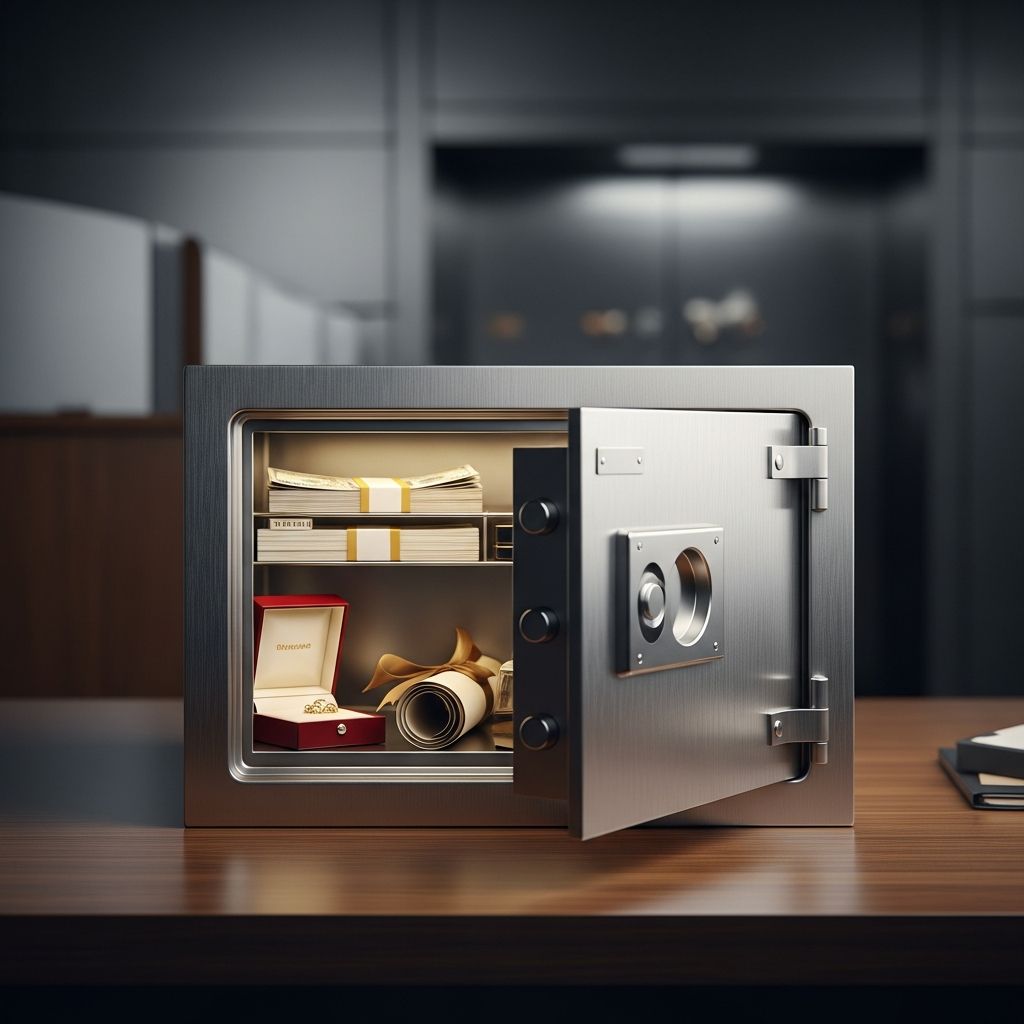
Safe deposit boxes offer a fortified solution for safeguarding irreplaceable assets and documents from theft, fire, or disaster. Located in bank vaults, these metal containers provide robust protection but come with access constraints and specific rules. Understanding optimal use ensures maximum benefit while sidestepping risks like inaccessibility during crises or policy violations.
Understanding Safe Deposit Boxes and Their Role in Asset Protection
A safe deposit box functions as a rented compartment within a financial institution’s secure vault, accessible only to authorized renters via dual keys or biometric verification. Banks maintain 24/7 surveillance, climate control, and disaster-resistant construction, making them superior to home storage for high-value items. Annual fees range from $25 to $300 depending on size and location, with contents uninsured by FDIC—necessitating separate policies.
These boxes suit items rarely needed but devastating if lost, such as original legal papers or heirlooms. However, limited hours (typically weekdays) and requirements for co-signer presence in emergencies underscore the need for strategic selection. Recent FDIC guidance emphasizes verifying bank policies, as contents remain the renter’s responsibility.
Prime Candidates for Safe Deposit Box Storage
Focus on documents and valuables hard to duplicate and infrequently required. Prioritize originals over copies where possible.
- Legal and Identity Documents: Birth certificates, marriage licenses, divorce decrees, adoption papers, citizenship proofs, military discharge forms, and death certificates. These prove identity or status and replacement involves bureaucracy.
- Property and Ownership Records: House deeds, vehicle titles, boat registrations, and business contracts. Secure these to prevent disputes or loss during transactions.
- Financial Instruments: Physical stock certificates, U.S. Savings Bonds, and rare collectible coins or stamps (if insured). Digital alternatives exist, but originals hold unique value.
- Jewelry and Heirlooms: Infrequently worn pieces like heirloom rings or necklaces, family photos, and small antiques. Ensure insurance coverage first.
- Digital Backups: USB drives or external hard drives with critical data copies, protected from cyber threats or home fires.
For visual clarity, here’s a table categorizing top storage items:
| Category | Examples | Why Store Here? |
|---|---|---|
| Documents | Birth certificates, deeds, titles | Irreplaceable originals, rarely needed |
| Valuables | Jewelry, collectibles, heirlooms | High value, theft/fire protection |
| Financial | Savings Bonds, stock certs | Physical proofs of ownership |
Critical Items to Never Place in a Safe Deposit Box
Not all valuables belong in a bank vault. Items needing quick access or posing legal risks can create more problems than they solve. AARP warns against storing emergency-access documents due to bank closure risks.
- Emergency Legal Papers: Original wills, trusts, powers of attorney, living wills, medical directives, and funeral instructions. Heirs may face court battles for access if you’re incapacitated.
- Passports and IDs: Daily or travel essentials like passports, driver’s licenses, or Social Security cards. Keep accessible at home.
- Cash and Checks: FDIC clarifies boxes aren’t deposit accounts; cash offers no interest and retrieval delays liquidity.
- Spare Keys and Perishables: House/car keys for emergencies; food, plants, or biologicals due to climate controls unsuitable for living items.
- Prohibited or Risky Items: Firearms, explosives, drugs, hazardous materials—banned by most banks and laws. Uninsured valuables risk total loss without bank liability.
A comparison table highlights dos versus don’ts:
| Store Here (Do) | Avoid Here (Don’t) |
|---|---|
| Birth certificates Deeds Insured jewelry | Wills Passports Cash |
| Savings Bonds Family photos | Keys Firearms Perishables |
Smart Alternatives for Non-Vault Items
For excluded items, opt for home safes, cloud storage, or digital copies. Fireproof, bolted home safes suit wills and directives—accessible 24/7. Scan documents to encrypted cloud services like those from major banks for instant access. Cash benefits from high-yield savings accounts earning interest. Keys fit lockboxes near entrances. AARP recommends hybrid approaches: originals in boxes, copies at home.
Legal Considerations and Bank Policies
Banks enforce contracts outlining prohibited contents, with rights to drill boxes for non-payment or court orders. Contents pass to heirs via your will or state law if unclaimed. Designate co-renters or trusted contacts to avoid probate delays. State laws vary; California mandates dual access options post-death. Verify insurance: rider policies cover box contents up to specified limits.
Recent 2024 updates from banks stress biometric access and digital inventories via apps for quicker claims.
Best Practices for Managing Your Safe Deposit Box
Inventory contents annually with photos and lists stored separately. Update co-signers as life changes. Test access procedures yearly. Combine boxes with home safes for layered security. For businesses, larger boxes hold contracts sans daily needs.
- Photograph everything upon storage.
- Share box location with executors.
- Review fees and renew leases promptly.
- Consider digital notarization for backups.
Frequently Asked Questions (FAQs)
What happens to my safe deposit box if I die?
Banks seal it pending probate or co-renter access. Inform heirs in your will to expedite.
Are safe deposit boxes FDIC-insured?
No, only bank deposits are. Insure contents separately.
Can I store gold or silver bullion?
Yes, if not prohibited locally and insured—check bank rules.
How do I access my box on weekends?
Typically impossible; choose 24/7 home safes for urgent items.
What’s the cost of a safe deposit box?
$25-$300 yearly, varying by bank, size, and location.
Conclusion: Optimize Your Protection Strategy
Strategic use of safe deposit boxes fortifies wealth preservation when paired with alternatives. Regularly audit contents against life stages for ongoing security.
References
- What to Store in a Safe Deposit Box: Tips & Alternatives — AARP. 2023-05-15. https://www.aarp.org/money/personal-finance/what-to-lock-in-safe-deposit-boxes/
- What To Store in a Safe Deposit Box — Arthur State Bank. 2024-02-10. https://www.arthurstatebank.com/blog/what-to-store-in-a-safety-deposit-box/
- What’s in Your Safe Deposit Box? — Central Trust Company. 2023-11-20. https://centraltrust.net/whats-in-your-safe-deposit-box/
- This Not That: What to Store in Your Safe Deposit Box — Lake Forest Bank. 2023-04-12. https://www.lakeforestbank.com/articles/2023/04/this-not-that-what-to-store-in-your-safe-deposit-box.html
- Safe Deposit Box: What Is It & What Should/Shouldn’t You Store In One — Our People’s State Bank. 2024-09-09. https://www.ourpsb.com/2024/09/09/safe-deposit-box-what-is-it-what-should-shouldnt-you-store-in-one/
- Things You’ll Regret Keeping in a Safe Deposit Box — Kiplinger. 2024-01-08. https://www.kiplinger.com/slideshow/saving/t005-s001-things-you-ll-regret-storing-in-a-safe-deposit-box/index.html
- Five Things to Know About Safe Deposit Boxes, Home Safes and Your Valuables — FDIC. 2023-07-19. https://www.fdic.gov/consumer-resource-center/five-things-know-about-safe-deposit-boxes-home-safes-and-your-valuables
Similar Articles








Read full bio of Sneha Tete




