
Risks in Cosmetic Surgery: What Can Fail
Uncover the hidden dangers of cosmetic procedures and learn how to protect yourself from common surgical mishaps.
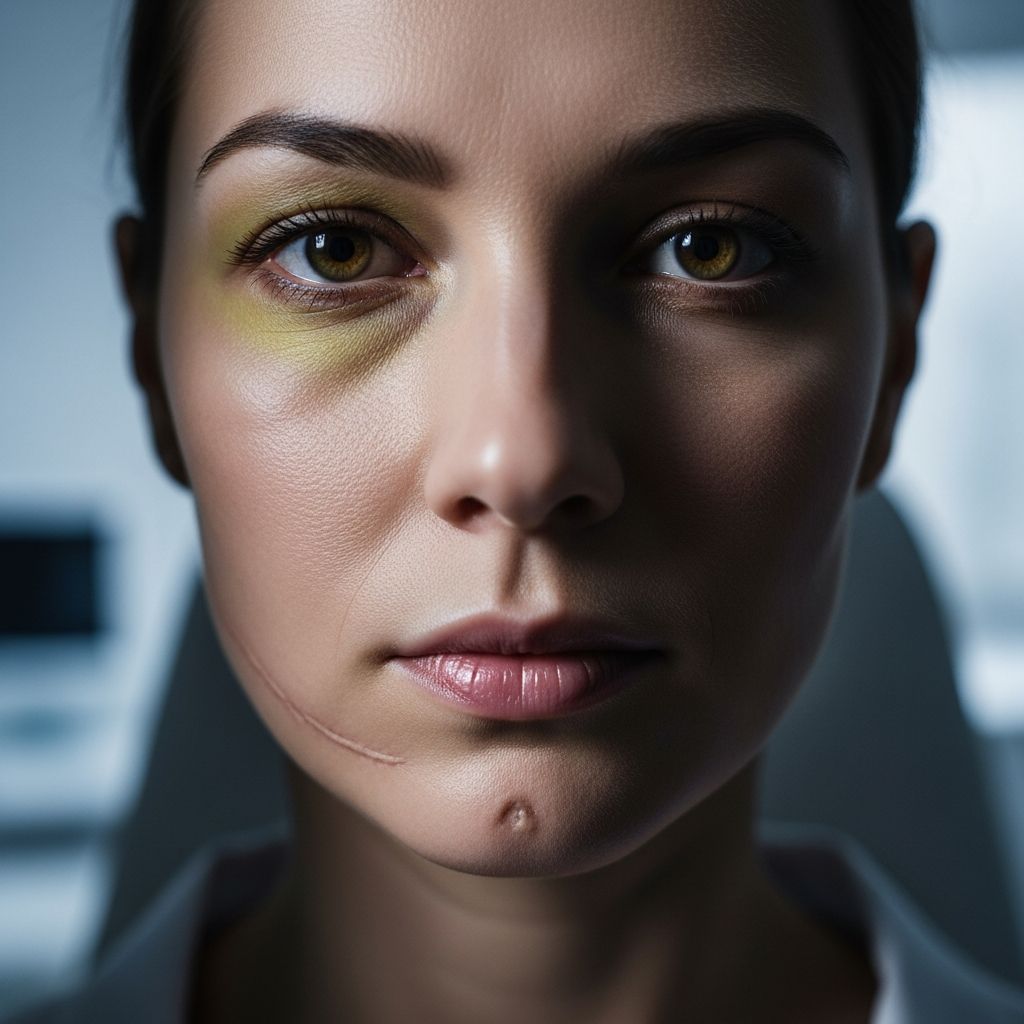
Cosmetic surgery promises enhanced appearance and boosted confidence, but it carries significant risks that can lead to severe health issues or unsatisfactory results. Thousands undergo these procedures annually, yet complications arise frequently due to surgical errors, patient factors, or procedural limitations. Understanding these pitfalls is crucial for anyone considering enhancement.
Immediate Post-Operative Hazards
Right after surgery, the body faces acute threats from bleeding, fluid buildup, and invasive procedures. These early complications demand prompt attention to prevent escalation.
Bleeding and Hematoma Formation
A hematoma occurs when blood pools under the skin, forming a painful swelling akin to a large bruise. This affects about 1% of facelift patients and breast augmentation cases, more commonly in males. If untreated, it may require surgical drainage under anesthesia.
Excessive blood loss during or post-procedure can drop blood pressure critically, sometimes necessitating transfusions. Invasive surgeries heighten this risk, with internal bleeding potentially going unnoticed initially.
Fluid Accumulation: Seroma Risks
Seroma involves sterile fluid collecting beneath the skin, causing swelling and discomfort. It’s prevalent in 15-30% of abdominoplasty patients. Drainage via needle is common, but recurrence or infection looms as a threat.
Infection and Its Devastating Effects
Infections strike when bacteria invade surgical sites, leading to prolonged recovery or systemic illness. Poor sterile techniques or patient health exacerbate this.
- Superficial infections cause redness, pus, and fever, treatable with antibiotics.
- Deep infections may necessitate wound reopening and extended hospitalization.
- Postoperative care lapses, like inadequate wound hygiene, fuel outbreaks.
Hospitals report varying rates, but specialized centers achieve as low as 2.2% complications per procedure with rigorous protocols.
Nerve Damage and Sensory Changes
Surgery near nerves can sever or bruise them, yielding numbness, tingling, or paralysis. Facial procedures often impair sensation around incisions, with some changes persisting.
In facelifts or rhinoplasties, patients report inability to fully close eyes from excessive skin removal or nerve trauma, complicating blinking and eye health.
Clotting Disorders: Silent Killers
Immobility post-surgery promotes deep vein thrombosis (DVT), where leg clots can embolize to lungs as pulmonary embolism (PE). Though rare at 0.09% across plastic surgeries, PE proves fatal in cases.
- Symptoms: leg pain, shortness of breath, chest discomfort.
- Prevention: compression stockings, early ambulation, hydration.
- High-risk patients on blood thinners need pre-surgical adjustments.
Organ Perforation in Body Sculpting
Liposuction probes can puncture viscera like intestines or kidneys during fat removal. These perforations demand emergency repair and carry mortality risk.
Other contouring errors include uneven fat extraction, yielding dimples or lax skin, especially if elasticity is poor pre-op.
Aesthetic Disasters and Functional Flaws
Beyond health risks, visual outcomes disappoint frequently, sparking regret or revisions.
| Procedure | Common Aesthetic Issue | Consequence |
|---|---|---|
| Breast Augmentation | Capsular contracture, asymmetry | Pain, firmness, uneven breasts |
| Facelift | Pulled eyelids, high forehead | Skeletonized look, gravity pull over time |
| Rhinoplasty | Asymmetry, breathing obstruction | Cosmetic dissatisfaction, functional impairment |
| Liposuction | Contour irregularities | Dimpling, seromas |
Ligament severance in modern techniques allows unnatural shifts, widening mouths or elevating features unnaturally, as gravity reasserts dominance.
Scar Tissue and Skin Complications
Scarring varies by genetics and care but can keloid excessively. Wound breakdown from tension or infection leaves visible marks, undermining cosmetic goals.
Skin bunching or rippling plagues minimally invasive options like thread lifts, which deliver fleeting results at high cost and complicate removal.
Anesthesia-Related Perils
Anesthesia errors cause respiratory depression, allergic reactions, or awareness under sedation. Obese or smoker patients face amplified dangers.
Ill-Advised Procedures to Avoid
Certain surgeries pose outsized risks with marginal benefits.
- Silicone Oil Injections: Hard-to-remove if inflamed; FDA-limited approval.
- Gland Removal in Neck Lifts: Risks dry mouth, airway compromise.
- Rib Resections: Potential lung/kidney damage for waist slimming.
- Non-FDA Products: Black market fillers lead to irreversible harm.
Patient and Surgeon Factors Elevating Danger
Complications surge with obesity, smoking, poor health, or multi-procedures. Surgeons prioritizing price over expertise heighten errors; always verify board certification.
Legal Recourse for Botched Surgeries
When negligence causes harm—like wrong implant size or infection from poor care—medical malpractice claims apply. Document everything: photos, records, expert opinions. Statutes limit filing windows, so consult attorneys promptly.
Common claims involve anesthesia mishaps, infections, or disproportionate scarring.
Strategies for Safer Surgery Journeys
- Choose ABPS-certified surgeons with proven records.
- Disclose full medical history; quit smoking pre-op.
- Follow all pre/post-op instructions rigorously.
- Opt for accredited facilities; avoid price-driven choices.
- Research procedures thoroughly; realistic expectations key.
Frequently Asked Questions (FAQs)
What is the most common complication after facelifts?
Hematoma, affecting around 1% of patients, requires drainage in severe cases.
Can liposuction damage internal organs?
Yes, visceral perforations occur if the cannula contacts organs, potentially fatal without repair.
How preventable are blood clots in cosmetic surgery?
Largely preventable via movement, compression, and medication adjustments for at-risk individuals.
Do all scars fade over time?
No, hypertrophic or keloid scars may persist or worsen; genetics play a role.
Is thread lifting a safe facelift alternative?
Often not; it causes dimpling and short-lived effects with removal difficulties.
Empowering Choices in Cosmetic Enhancement
Armed with knowledge of these risks—from hematomas to aesthetic flops—prospective patients can demand transparency and prioritize safety. While innovations advance the field, vigilance remains paramount to turning dreams into realities without nightmares.
References
- 7 Plastic Surgery Procedures You Should Never Get — Utah Facial Plastics. 2023. https://www.utahfacialplastics.com/blog/7-plastic-surgery-procedures-never-get/
- Common Plastic Surgery Complications and How to Avoid Them — Eberbach Plastic Surgery. 2024. https://eberbach.com/plastic-and-cosmetic/what-are-the-most-common-plastic-surgery-complications-and-how-to-avoid-them/
- 10 Ways To Spot Bad Cosmetic Surgery From Across The Room — West County Cosmetics. 2023. https://wcosmeticsurgery.com/blog/10-ways-to-spot-bad-cosmetic-surgery-from-across-the-room/
- 10 of the Most Common Plastic Surgery Complications — Healthline. 2019-04-27. https://www.healthline.com/health/most-common-plastic-surgery-complications
- 10 Health Risks Related to Plastic Surgery — Dr. Berman. 2022-06-10. https://www.drberman.com/2022/06/10-health-risks-related-to-plastic-surgery/
- 7 Major Risks of Plastic Surgery: Complications and Side Effects — Liv Hospital. 2024. https://int.livhospital.com/7-major-risks-of-plastic-surgery-complications-and-side-effects/
- Types of Cosmetic Surgery Errors — Tolson Firm. 2023. https://www.tolsonfirm.com/blog/types-of-cosmetic-surgery-errors/
Similar Articles








Read full bio of medha deb




