
Rideshare Theft: Recovering Stolen Items from Uber or Lyft
Discover essential steps to retrieve belongings left in Uber or Lyft vehicles and understand your legal rights against driver theft.
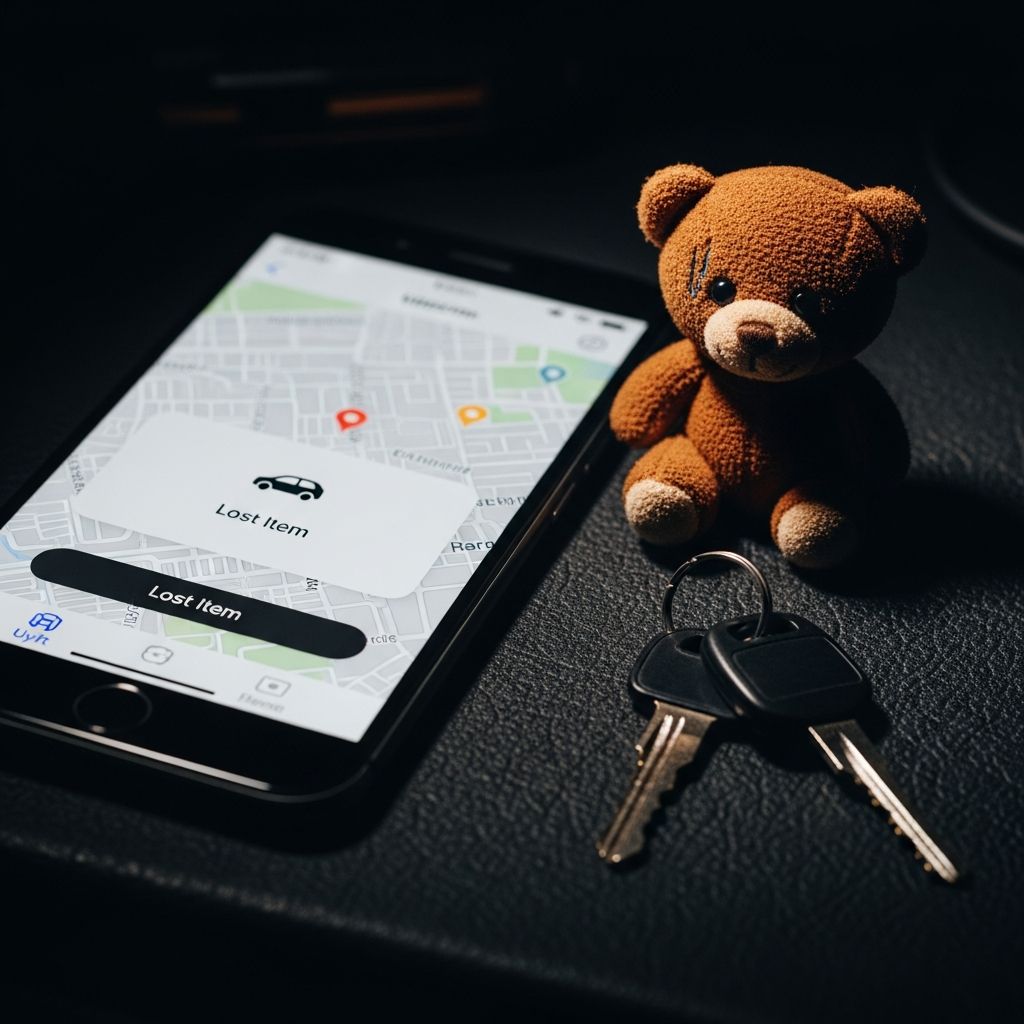
Rideshare services like Uber and Lyft offer convenient transportation but carry risks, including drivers departing with passengers’ belongings. This comprehensive guide outlines immediate response strategies, platform-specific procedures, law enforcement roles, and potential legal avenues to reclaim your property and hold parties accountable.
Recognizing and Preventing Rideshare Property Risks
Property loss in rideshares often stems from oversight or intentional acts. Passengers frequently leave phones, wallets, purses, or electronics behind after distracted exits, especially late at night or during rushed trips. Drivers, incentivized by fees for returns, may facilitate recovery, but disputes arise when items vanish or drivers deny possession.
To minimize risks:
- Conduct a quick vehicle scan before exiting, checking seats, floors, and trunks.
- Use app features to note trip details like license plates and driver names instantly.
- Avoid placing valuables in trunks unless necessary, opting for carry-on instead.
- Enable phone tracking apps preemptively for quick location if misplaced.
Statistics from rideshare reports indicate thousands of daily lost item claims, with high-value recoveries succeeding through prompt action. Awareness reduces incidence rates significantly.
Platform-Specific Lost Item Protocols
Uber and Lyft maintain structured lost-and-found systems, though neither assumes liability for passenger property per their terms of service. Lyft charges a $20 fee payable directly to drivers for verified returns, emphasizing driver compensation for effort. Uber offers similar contact mechanisms via trip history menus.
| Platform | Lost Item Process | Fee Structure | Liability Stance |
|---|---|---|---|
| Uber | Access trip in app, select ‘Lost Item,’ contact driver directly | Potential return fee negotiated with driver | No responsibility for lost/stolen items |
| Lyft | Menu option in ride history to report and connect with driver | $20 fee to driver for time | Not responsible per Terms of Service |
Initiate recovery within hours: Open the app, navigate to the relevant trip, and use built-in messaging. Provide precise item descriptions, including serial numbers for electronics. Platforms relay contacts but disclaim guarantees, as items might be genuinely misplaced or retained unlawfully.
Evaluating Theft vs. Accidental Loss
Distinguishing negligence from theft is crucial. Accidental losses involve honest errors, resolvable via app coordination. Theft occurs when drivers intentionally retain or discard valuables, evidenced by denial despite clear proof like photos or GPS data.
Key indicators of theft include:
- Driver unresponsiveness after app confirmation of item notice.
- Inconsistent stories about item location upon follow-up.
- Prior complaints against the driver via platform reviews.
- High-value items like scooters or laptops vanishing post-trip.
Rideshare companies classify drivers as independent contractors, limiting direct employer liability. However, passengers contract with the platform, opening civil remedy paths against both driver and company.
Engaging Law Enforcement Effectively
File a police report promptly for suspected theft, treating it as petit or grand larceny based on value. Provide trip details, driver identity, vehicle info, and evidence like app screenshots or witness statements. Police may investigate as property crimes, though prioritization varies by jurisdiction and caseload.
Lyft cooperates with law enforcement upon proper paperwork submission, sharing driver data as needed. Uber follows analogous protocols. A detailed report strengthens claims, even if criminal pursuit is uncertain—many departments defer to civil courts for lower-value thefts.
Enhance report efficacy:
- Include quantifiable value estimates with receipts.
- Attach timestamped app evidence linking you to the driver.
- Request incident numbers for platform and insurance follow-up.
Leveraging Legal Representation for Resolution
When platforms disclaim responsibility, legal intervention often yields results. Attorneys specialize in demand letters or small claims suits against drivers and vicariously against companies. A single correspondence can prompt returns or settlements, avoiding court.
Considerations for legal action:
- Small Claims Court: Ideal for items under jurisdictional limits (e.g., $5,000-$10,000), no lawyer required.
- Civil Theft Claims: Seek treble damages in some states for willful retention.
- Platform Arbitration: Terms mandate binding arbitration over jury trials.
Lawyers assess contractor status nuances; platforms may reimburse to preserve reputation despite policies. Success hinges on evidence quality and response speed.
Insurance and Financial Recovery Options
Renter’s, homeowner’s, or personal property insurance frequently covers rideshare losses, reimbursing deductibles post-claim denial. Credit card trip protections or standalone travel policies also apply. Document everything for subrogation, allowing insurers to pursue drivers.
Company insurance focuses on accidents, not theft—Lyft explicitly excludes personal belongings. Drivers carry personal auto policies, rarely extending to passenger cargo. Pursue layered claims: platform first, then insurance, then legal.
Real-World Case Studies and Lessons
A passenger’s expensive scooter left in a Lyft vanished post-trip. Platform denial led to police report and lawyer demand, recovering value via settlement. Another case involved phone retrieval via Uber’s system, highlighting app utility for low-stakes losses.
Lessons: Act within 24 hours, preserve digital trails, and escalate methodically. High-profile incidents pressure platforms for policy tweaks, benefiting users.
Driver Perspectives and Platform Responsibilities
Drivers face return hassles, hence fees, but ethical standards demand honesty. Platforms vet via background checks, accessing criminal/driving records. Report problematic drivers via apps, potentially leading to deactivation.
Companies bear indirect liability through service contracts. Courts increasingly hold platforms accountable for foreseeable harms, evolving jurisprudence.
Frequently Asked Questions
Can Uber or Lyft be held responsible for stolen items?
No, their terms explicitly state no responsibility for lost or stolen belongings left by riders. Civil suits may still succeed contractually.
What if the driver denies having my item?
Gather evidence and file police report; platforms assist law enforcement with data. Demand letters often resolve denials.
Is filing a police report always effective?
Not guaranteed due to workload, but essential for records and potential investigation. It bolsters civil claims.
How long do I have to report lost items?
Report immediately via app; delays reduce recovery odds as drivers complete shifts.
Do I need a lawyer for small-value thefts?
Not always—small claims suffice—but professionals expedite via demands.
Proactive Measures for Safer Ridesharing
Adopt habits like item checklists, value declarations in apps, and post-trip verifications. Advocate for enhanced platform tracking or insurance riders. Informed users transform vulnerabilities into managed risks, ensuring smoother experiences.
This guide equips you against common pitfalls, promoting accountability across the rideshare ecosystem.
References
- Lyft driver drove off with my expensive scooter — Avvo Legal Answers. 2023-10-15. https://www.avvo.com/legal-answers/lyft-driver-drove-off-with-my-expencive-scooter-in-5923269.html
- Denver Rideshare (Uber/Lyft) Accident Attorney — Frickey Law Firm. 2024-05-20. https://www.frickey.com/denver-personal-injury-lawyer/uber-lyft-accidents/
- Lost & found for riders — Lyft Help Center. 2025-01-10. https://help.lyft.com/hc/en-us/all/articles/115012922987-Lost-found-for-passengers
- Lyft Terms of Service — Lyft Official Site. 2025-11-01. https://www.lyft.com/terms
Similar Articles








Read full bio of medha deb




